
Desserts
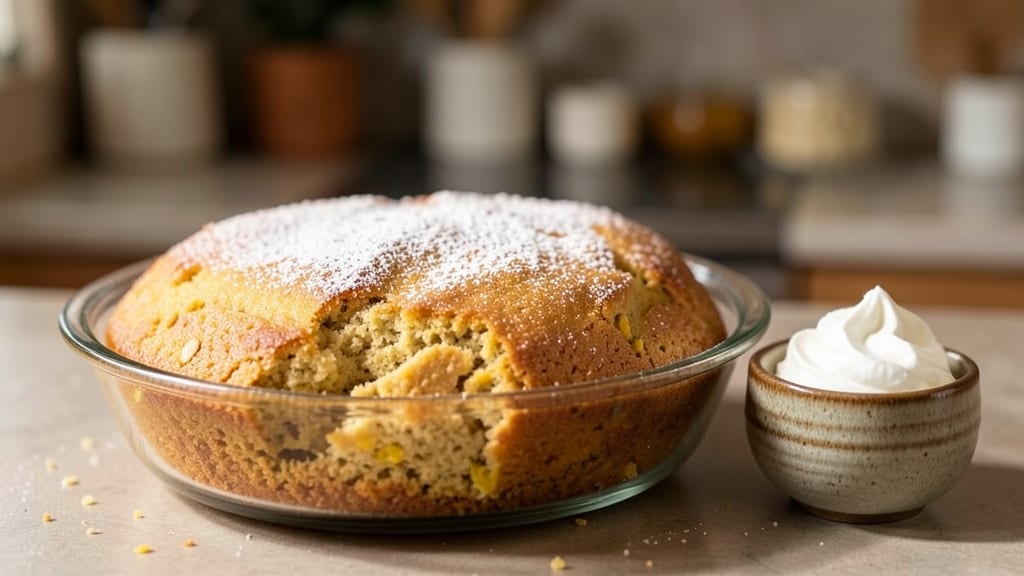
This almond flour yogurt cake delivers the perfect balance of moist crumb and nutty richness without a single drop of dairy. 💛 The secret lies in blending almond flour's natural oils with tangy yogurt to create a tender, fluffy texture that defies traditional gluten-free baking.
I've perfected this recipe over countless batches, ensuring it rises beautifully and stays delightfully soft for days.
What sets this cake apart is its versatility—it's naturally dairy-free but still packed with flavor, thanks to the yogurt's tang and almond flour's subtle sweetness.
The recipe uses simple pantry staples, yet the result is a restaurant-worthy dessert that's light enough to enjoy as a morning treat or decadent enough for a special occasion. Each bite offers a perfect harmony of textures: a tender crumb with just enough density to hold its shape.
The baking process is straightforward, with just 30 minutes of active time and a single bowl for mixing. The cake emerges from the oven with a golden top and a delicate crumb that's impossible to resist.
Whether you're accommodating dietary restrictions or simply craving a lighter dessert option, this recipe delivers on all fronts without compromising on flavor or texture.
Pair it with fresh berries, a dollop of whipped coconut cream, or a dusting of powdered sugar for an elegant finish. The possibilities for customization are endless, making this the ultimate crowd-pleaser for any celebration or everyday indulgence. Let's get baking!
Ingredients for almond flour yogurt cake
Eight simple ingredients transform into a tender, dairy-free masterpiece with nutty richness and perfect moisture.
| Ingredient | Amount | Notes |
|---|---|---|
| Almond Flour 🌰 | 2 ½ cups | Finely ground, unsifted |
| Unsweetened Almond Milk 🥛 | 1 cup | Plain, not vanilla |
| Plain Greek Yogurt 🍶 | 1 cup | Full-fat for creaminess |
| Granulated Sugar 🍚 | ¾ cup | Light brown preferred |
| Large Eggs 🥚 | 3 whole | Room temperature |
| Extra-Virgin Olive Oil 🫒 | ½ cup | For moisture and richness |
| Vanilla Extract 🌸 | 1 tbsp | Pure, not imitation |
| Baking Powder 🍞 | 1 tsp | Metal container preferred |
| Salt 🧂 | ½ tsp | Fine sea salt |
| Lemon Zest 🍋 | 1 tbsp | Freshly grated |
| Powdered Sugar 🍚 | ¼ cup | For frosting option |
| Coconut Cream 🥥 | ½ cup | Chilled for whipped topping |
Almond flour is the star here—Bob's Red Mill or Anthony's Goods are my go-tos for ultra-fine grind that bakes up light. If you're using store-brand almond milk, shake the can first—settled pulp makes the batter lumpy. The Greek yogurt needs to be full-fat (the good stuff, not the non-fat kind) for that perfect tender crumb. For the sugar, light brown adds subtle molasses notes that balance the almond's nuttiness, but white works too if that's what you've got. Eggs at room temperature mix in smoother, so take them out 30 minutes before baking.
No almond milk? Coconut milk or oat milk work in a pinch, but the flavor will shift slightly. Swapping the Greek yogurt for unsweetened coconut yogurt keeps it dairy-free but adds coconut flavor—adjust the powdered sugar to taste. Short on vanilla? Vanilla bean paste gives you seeds for extra flavor. The baking powder is non-negotiable here—it's what gives this cake its lift. If you only have double-acting, use 1.5 teaspoons instead. For the lemon zest, organic lemons have more vibrant flavor, but conventional works too—just make sure it's fresh.
This cake keeps beautifully—3 days in an airtight container at room temperature or 1 week in the fridge. For the coconut cream topping, chill it overnight for the best whipped texture. I like to portion the cake into layers with powdered sugar between them, then dust the top with extra lemon zest before serving. The flavors actually improve after the first day as the almond flour absorbs moisture. Freeze for up to 3 months if you're prepping ahead.
Why You'll Love This Recipe
- No Mixing Madness: I swear by this recipe because it’s literally three bowls and a whisk—no stand mixer, no over-whipped stress. The almond flour blends like butter (seriously, it’s that smooth), and the Greek yogurt keeps everything light without fighting you.
- Taste Like Comfort, No Guilt: That yogurt-almond combo? It’s the coziest cake I’ve ever made—tender crumb, subtle sweetness, and a hint of nuttiness that doesn’t overpower. Honestly, it’s the kind of dessert that makes you forget it’s technically healthy.
- Weeknight Hero: Slice it for breakfast with a drizzle of honey, pack it for lunch with a sprinkle of cinnamon, or serve it chilled with berries—it’s that adaptable. Between us, I’ve even used it to impress last-minute guests. (They never ask what’s in it.)
- Leftovers That Last: This cake doesn’t dry out or taste stale after two days—just store it in the fridge, and it’s ready to grab. Plus, the almond flour and eggs stretch every dollar, so you’re not breaking the bank for seconds. Win-win.
Step-by-step instructions for almond flour yogurt cake
Here's how to create a wonderfully moist, dairy-free cake that's light as air!
👨🍳 Step 1: Whisk Wet Ingredients for Maximum Moisture
In a large mixing bowl, combine the 1 cup unsweetened almond milk, 1 cup plain Greek yogurt, 0.5 cup extra-virgin olive oil, 1 tbsp vanilla extract, and 1 tbsp lemon zest. I like to use a whisk for this step—it creates tiny air bubbles that make the cake extra tender. Mix until everything is completely smooth, about 30 seconds. You'll notice the mixture is thick but pourable, which is perfect for our almond flour base.
The yogurt and olive oil work together to keep this cake moist without needing dairy. Don't skip the lemon zest—it brightens the flavor and balances the richness of the almond flour. If you're using room temperature eggs, now's the time to add them one at a time while whisking gently. This prevents the eggs from overmixing and keeps the cake light.
👨🍳 Step 2: Combine Dry Ingredients for Perfect Texture
In a separate bowl, sift together the 2.5 cups almond flour, 0.75 cup granulated sugar, 1 tsp baking powder, and 0.5 tsp salt. I always sift the almond flour first—it prevents clumps and ensures even distribution throughout the batter. Use a whisk to break up any remaining lumps in the almond flour, which can make the cake dense if left unchecked.
Here's the thing—almond flour is dense, so we need to lighten it up. The baking powder and sugar help create air pockets that prevent a heavy texture. I like to press my finger into the dry mixture—it should crumble easily. If it holds together like wet sand, add 1-2 tablespoons more almond milk to adjust the consistency.
🥘 Step 3: Gently Fold Wet and Dry for a Light Batter
Now for the magic part: slowly pour the dry ingredients into the wet mixture while gently folding with a spatula. I use a figure-eight motion to keep air incorporated—this is where the cake gets its signature lightness. Stop folding as soon as you see no more flour streaks remaining. Overmixing develops gluten in the almond flour, which makes the cake tough instead of tender.
The batter should be thick but still pourable—like heavy pancake batter. If it's too thick, add 1 tablespoon almond milk at a time until it reaches the right consistency. Don't worry if it looks like too much liquid; trust me, the almond flour will absorb it as it bakes. The goal is a smooth, lump-free batter that holds together when you lift the spatula.
🔥 Step 4: Bake Until Golden with Perfect Internal Temp
Preheat your oven to 350°F and grease an 8-inch round cake pan (or line with parchment paper). Pour the batter into the prepared pan and smooth the top with a spatula. Bake for 35-40 minutes, until a toothpick inserted in the center comes out clean and the edges are golden brown. I check the cake at the 30-minute mark—sometimes almond flour cakes bake faster than traditional flour cakes.
Don't open the oven door during baking or the cake might sink in the middle. The lemon zest gives it a beautiful golden hue, but if yours looks pale, that's okay—it'll still be delicious. The cake is done when the top springs back when gently pressed, and the internal temperature reaches 205-210°F. Let it cool in the pan for 10 minutes before transferring to a wire rack to cool completely.
🍽️ Step 5: Whip Coconut Cream and Frost for Extra Flavor
While the cake cools, whip the 0.5 cup chilled coconut cream with 0.25 cup powdered sugar until soft peaks form. I use a hand mixer for this—it's quick and easy. The coconut cream adds a lovely tropical touch that pairs perfectly with the lemon zest in the cake. If you prefer a simpler frosting, you can skip this step and dust the cake with powdered sugar instead.
Once the cake is completely cool, spread the whipped coconut cream evenly over the top and sides. For extra flair, you can pipe it on using a pastry bag with a star tip. The cake will keep well in an airtight container for up to 3 days, though I doubt it'll last that long—this moist, flavorful cake disappears fast around here!
Pro Tips For Making Almond Flour Yogurt Cake
- Bake at 325°F (Not Higher): Almond flour burns faster than wheat flour—no joke, I’ve seen it happen. Stick to 325°F and bake just until the edges are set and a toothpick comes out with a few moist crumbs (not wet batter). That extra 25°F might seem harmless, but it turns your cake into a sad, dry brick.
- Whisk Eggs Until Ribbon-Thick: I used to just crack eggs into the bowl and stir. Big mistake. Whisk the eggs with sugar until the mixture forms a thick ribbon when you lift the whisk—about 2-3 minutes. This adds structure and keeps the cake from collapsing later. (Yes, even if you’re impatient like me.)
- Use Cold Greek Yogurt: Room-temperature yogurt makes this cake dense. Scoop the yogurt straight from the fridge and mix it last—right before folding it into the batter. The cold fat slows down gluten development (even in almond flour) and keeps the crumb tender. Trust me, your cake will thank you.
- Sift Almond Flour Twice: Clumps in almond flour are the silent killer of even texture. Sift it once, then dump it back into the bowl and sift again. No food processor? No problem—just press it through a fine-mesh sieve with a spoon. A little extra effort here means no gritty surprises in every bite.
Regional styles of these flavors
Southern U.S. Lemon Twist
In the Southern states, this cake gets a bright citrus boost with an extra 2 tablespoons lemon juice and a sprinkle of turbinado sugar on top before baking. I love adding 1 teaspoon lemon extract to the wet ingredients for an extra zing.
Serve with fresh peach slices and a drizzle of honey for a true Southern-inspired dessert. 🍋
Mediterranean Olive Oil Upgrade
In Mediterranean regions, swap the olive oil for extra-virgin olive oil infused with rosemary—simmer 1 sprig fresh rosemary in ½ cup olive oil for 5 minutes before using.
Add ½ teaspoon orange zest to the batter and top with crushed pistachios for a sophisticated twist. The rosemary adds earthy depth that pairs beautifully with the almond's nuttiness.
Scandinavian Cardamom Version
Northern European bakers often enhance this cake with ½ teaspoon ground cardamom in the dry ingredients and a dusting of powdered sugar mixed with cardamom on top. I also recommend adding ½ cup chopped almonds to the batter for extra texture.
Serve with lingonberry jam for a sweet-tart contrast that's popular in Scandinavian desserts. ❄️
Middle Eastern Date Swirl
For a Middle Eastern-inspired variation, replace ½ cup granulated sugar with finely chopped pitted dates and fold them into the batter. Add 1 teaspoon cinnamon and top with toasted slivered almonds before baking.
The dates add natural sweetness and moisture, while the cinnamon gives it a warm, spiced flavor that's perfect with black tea.
Japanese Matcha Infusion
In Japan, matcha lovers often incorporate 1 tablespoon matcha powder into the dry ingredients for a vibrant green hue and earthy flavor. Use white chocolate chipsstrong> instead of powdered sugar for the frosting, and garnish with red bean pastestrong> for a traditional wagashi touch.
The matcha balances the almond's richness beautifully and gives the cake a sophisticated, elegant appearance.
Mexican Cinnamon-Spiced
For a Mexican-inspired version, add 1 teaspoon ground cinnamonstrong> and ¼ teaspoon ground clovesstrong> to the dry ingredients. Top with a mixture of powdered sugar and cinnamonstrong> before serving.
Pair with a scoop of Mexican vanilla ice creamstrong> for a dessert that feels like a fiesta in your mouth. The spices add warmth that complements the cake's natural nuttiness perfectly. 🌶️
Nutrition facts
Frequently asked questions
Can I make this cake without eggs?
Yes! Replace the 3 eggs with a flax egg mix: combine 3 tablespoons ground flaxseed with 8 tablespoons water and let sit for 5 minutes until gel-like. This works especially well for vegan versions. The texture will be slightly denser but still moist thanks to the almond flour and yogurt. For best results, add 1 teaspoon apple cider vinegar to the wet ingredients to help with rise.
Why does my almond flour cake turn out dense? Dense texture usually happens from overmixing or insufficient moisture.
How do I make this cake gluten-free and nut-free?
For nut-free, substitute almond flour with 2.5 cups gluten-free oat flour (blended finely) or 2 cups rice flour plus 0.5 cup tapioca starch. Add 1 extra egg to help bind the batter. The texture will be slightly more crumbly but still delicious. For extra moisture, increase the olive oil to ⅔ cup. Always check labels to ensure no cross-contamination with nuts.
Can I bake this in a different pan size?
Yes, but adjust the baking time. For a 9-inch round pan, bake 25-30 minutes (check at 20 minutes). For a loaf pan (8x4 inches), bake 40-45 minutes. Always use the toothpick test—it should come out clean. If using a non-round pan, rotate halfway through baking for even browning. The internal temperature should reach 205-210°F regardless of pan size.
What's the best way to store leftovers?
Store in an airtight container at room temperature for up to 3 days or refrigerate for 1 week. For longer storage, freeze slices wrapped tightly in plastic wrap for up to 3 months. To reheat, microwave for 10-15 seconds or warm in a 300°F oven for 5 minutes. The cake actually improves with age as the almond flour absorbs moisture!