
Desserts
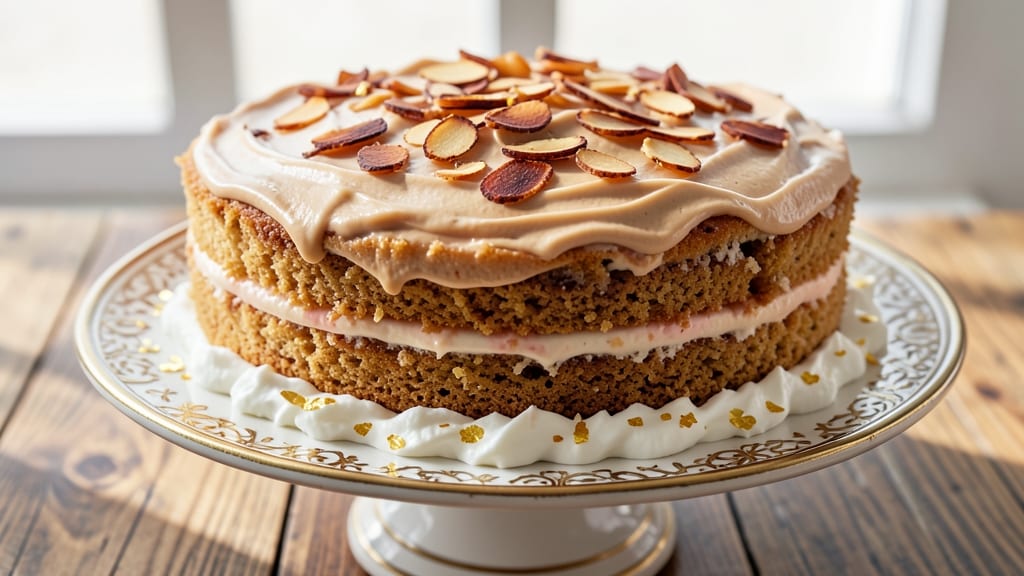
This almond yogurt cake recipe delivers the perfect balance of crisp edges and velvety centers—no heavy flour or dense texture here. The secret lies in almond flour for nutty richness and yogurt for moisture without heaviness, creating a cake that's light enough to disappear in two bites.
I developed this version after years of trial and error, ensuring every slice stays tender yet sturdy enough to hold its shape.
What makes this recipe truly special is the texture contrast: golden, crackly edges give way to a moist, crumbly interior, all thanks to a precise baking technique and room-temperature ingredients. The almond flavor shines without overpowering, while yogurt adds subtle tang that brightens every forkful.
It's the kind of cake that feels indulgent yet remains light enough for afternoon tea or dessert.
This recipe is designed for beginners—no fancy equipment or advanced skills required. You'll work with simple ingredients like almond flour, yogurt, and eggs, all combined in a straightforward mixing process.
The result? A cake that's elegant enough for special occasions but easy enough to bake on a weeknight. Perfect for those who love nutty flavors with a tender crumb.
Optional variations include adding lemon zest for brightness, honey for depth, or chocolate chips for extra indulgence. The cake keeps well for up to three days, making it ideal for meal prep or gifting. Let's get baking!
Ingredients for almond yogurt cake
Simple ingredients transform into a cake with crisp edges and velvety interior—almond flour and yogurt do the magic.
| Ingredient | Amount | Notes |
|---|---|---|
| Almond Flour 🌰 | 1 ½ cups | Superfine for best texture |
| Plain Greek Yogurt 🥛 | ¾ cup | Full-fat for richness |
| Large Eggs 🥚 | 2 whole | Room temperature preferred |
| Granulated Sugar 🍚 | ½ cup | White or light brown |
| Unsalted Butter 🧈 | ½ cup | Cold, cubed for crisp edges |
| Baking Powder 🍞 | 1 ½ tsp | Aluminum-free preferred |
| Vanilla Extract 🌸 | 1 tsp | Pure vanilla preferred |
| Salt 🧂 | ½ tsp | Fine sea salt |
| Lemon Zest 🍋 | 1 tbsp | Optional for brightness |
| All-Purpose Flour 🌾 | ¼ cup | For structure balance |
| Milk 🥛 | ¼ cup | Any variety works |
Almond flour is the star here—Bob's Red Mill or Anthony's Goods are my go-tos for superfine texture. If you can't find it, blend whole almonds into flour yourself for the best results. The yogurt should be plain, full-fat Greek for that tangy richness; Fage or Siggi's are reliable brands. Butter matters too—cold cubed butter creates those golden, crackly edges you want. For the almond flour, check the package for moisture content—some brands vary, and you may need to adjust your milk slightly if the batter seems too thick or thin.
No almond flour? Substitute with 1 cup all-purpose flour plus 1/4 cup cornstarch, but expect a denser texture. Swap Greek yogurt for plain whole-milk yogurt if that's what you have, but the protein in Greek yogurt keeps the cake extra moist. For the sugar, coconut sugar or honey work in a pinch, though they'll add subtle flavor variations. The baking powder is crucial—aluminum-free brands like Rumford ensure a tender crumb. If you're feeling adventurous, add 1/2 cup chocolate chips to the batter for extra indulgence, but reduce the sugar slightly to balance.
Store the cake in an airtight container at room temperature for up to 3 days, or refrigerate for 5 days if you prefer longer freshness. For best texture, bring it to room temperature before serving—this helps those crisp edges stay intact. The cake freezes beautifully too: slice and wrap individual portions, then freeze for up to 3 months. To reheat, wrap slices in a damp paper towel and microwave for 10-15 seconds—just enough to restore that warm, inviting aroma without drying it out.
Why You'll Love This Recipe
- No Mixer Needed: The almond flour and yogurt blend like butter—no need for stand mixers or overmixing. I just fold everything together with a spatula, and the batter’s so smooth it almost feels like cheating.
- Rich Without Overpowering: That Greek yogurt keeps it light, but the almond flour adds a deep, nutty warmth. Honestly, it’s the kind of cake that tastes indulgent but won’t leave you sluggish afterward—perfect for a 3 PM pick-me-up.
- Weeknight or Weekend Star: Slice it for breakfast with a drizzle of honey, serve it warm with ice cream, or pack slices in lunchboxes. My kids even ask for it at school—because it’s that good, and that adaptable.
- Budget-Friendly Luxe: Almond flour costs more upfront, but one batch stretches into three days of snacks. Plus, the yogurt and butter stretch further than you’d think, so you’re not sacrificing flavor for savings.
Step-by-step instructions for almond yogurt cake
Here's how to achieve that signature light-as-air texture with crisp edges and a velvety core.
👨🍳 Step 1: Prepare the Dry and Wet Ingredients Separately
In a medium bowl, whisk together the 1.5 cups almond flour, 1.5 teaspoons baking powder, 0.5 teaspoon salt, and 0.25 cup all-purpose flour. This combination gives the cake its signature structure while keeping it tender. Sift the mixture lightly to remove any lumps—this ensures an even crumb texture throughout.
In a separate large bowl, combine the 0.75 cup plain Greek yogurt, 2 whole large eggs, 0.5 cup granulated sugar, and 1 teaspoon vanilla extract. Whisk vigorously for about 2 minutes until the mixture becomes pale and slightly thickened. The yogurt adds moisture while keeping the cake light, and the eggs provide structure without heaviness.
🍳 Step 2: Combine Wet and Dry Ingredients Gently
Gradually add the dry ingredients to the wet mixture in three portions, folding gently with a spatula after each addition. Overmixing can develop gluten and make the cake dense, so stop as soon as everything is just combined—you’ll still see some flour streaks. This careful combination ensures the cake rises evenly with a tender crumb.
Next, cut in the 0.5 cup cold cubed unsalted butter using a pastry cutter or your fingers. Work quickly but thoroughly until the butter is incorporated into pea-sized pieces throughout the batter. The cold butter creates those coveted crisp edges while keeping the interior moist. If the batter seems too thick, add the 0.25 cup milk gradually until it reaches a smooth, pourable consistency.
🔥 Step 3: Bake at High Heat for Perfect Texture
Preheat your oven to 350°F and grease an 8-inch round cake pan or line it with parchment paper. Pour the batter into the prepared pan and smooth the top with a spatula. For extra brightness, sprinkle the 1 tablespoon lemon zest evenly over the surface—this adds a subtle citrus note that balances the richness.
Bake for 30-35 minutes, or until a toothpick inserted into the center comes out clean. The edges should be golden brown and slightly crisp, while the center remains tender. Avoid opening the oven door early—this can cause the cake to sink. If the top browns too quickly, tent loosely with foil after 20 minutes to prevent over-browning.
⏰ Step 4: Cool and Serve for Best Results
Remove the cake from the oven and let it cool in the pan for 10 minutes before transferring it to a wire rack to cool completely. This gradual cooling prevents cracking and allows the flavors to meld. The cake will firm up slightly as it cools, making it easier to slice.
Once fully cooled, dust the top with a light layer of powdered sugar if desired, or serve it as-is to appreciate the natural almond flavor. Each slice should reveal a fine, even crumb with a crisp exterior and a moist, velvety interior. Store leftovers in an airtight container at room temperature for up to 3 days or refrigerate for up to 5 days for best texture.
Pro Tips For Making Almond Yogurt Cake
- MEASURE ALMOND FLOUR BY WEIGHT: Almond flour lies to you—those scoops and cups? Not reliable. Use a kitchen scale for 1:1 ratio (120g for a standard 8-inch cake). I learned this the hard way when my first batch turned out dense as a brick—turns out, "scooped" almond flour packs differently than all-purpose.
- WHISK EGGS AND SUGAR UNTIL PALE: Skip the food processor for this one. Whisk eggs and sugar by hand until the mixture is thick, glossy, and pale yellow—about 3-4 minutes. That extra time dissolves sugar fully and aerates the batter, giving you a cake with height instead of a sad, flat pancake.
- DON’T OVERMIX THE BATTER: Almond flour releases gluten when overworked, and this cake will turn out tough as a boot. Mix just until the yogurt and melted butter are barely incorporated—lumps are fine. I used to beat it like I was punishing it, and the result was a cake that could’ve been used as a doorstop.
- LET THE BUTTER COOL SLIGHTLY: Melt your butter but don’t let it turn into a liquid fire. Let it cool to just warm (about 110°F/43°C) before mixing it into the wet ingredients. Cold butter makes the cake greasy; hot butter makes it collapse. Sounds picky, but it’s the thing that matters most for texture.
Essential equipment for this recipe
Must-Have Mixing Tools
Start with a medium mixing bowl for dry ingredients and a large bowl for the wet mixture—I prefer OXO Good Grips for their non-slip bases. A whisk (like Cuisinart Stainless Steel) ensures smooth incorporation of the yogurt and eggs.
For combining dry and wet ingredients, a flexible silicone spatula (my go-to is OXO Good Grips) prevents overmixing while gently folding. 🍳
Baking Essentials
An 8-inch round cake pan with removable bottom (like Wilton Perfect Results) is ideal for even baking. Grease it thoroughly with butter or baking spray—I use Baking King Non-Stick Spray for foolproof release.
A toothpick for checking doneness and parchment paper (from Amazon Basics) prevent sticking and make cleanup effortless.
Temperature Control
Invest in an oven thermometer (I recommend Thermoworks Oven Thermometer) to ensure your oven hits 350°F accurately—many home ovens run hot or cold. For precise baking, a digital kitchen scale (like OXO Good Grips) measures ingredients by weight, reducing errors with almond flour, which varies in density. 🌡️
Optional Upgrades
For extra crisp edges, a pastry brush (like West Bend) helps spread melted butter on the pan before adding batter. A fine-mesh sieve (from OXO) ensures smooth almond flour without lumps.
For lemon zest, a Microplane (my favorite is OXO Good Grips) yields fine, aromatic strips without bitterness.
Budget-Friendly Swaps
Skip the fancy tools and use what you have: a wooden spoon for mixing, a butter knife for greasing, and aluminum foil instead of parchment. A measuring cup set (like Pyrex) works fine for almond flour, though weighing it is more precise.
The key is gentle folding—no fancy tools needed for that! ✨
Nutrition facts
Frequently asked questions
Why does this almond yogurt cake have crisp edges?
The secret is using cold cubed butter mixed into the batter and baking at 350°F. The butter creates steam during baking, which crisps the edges while keeping the center tender. Don't skip the 10-minute cooling in pan after baking—this helps set the texture properly!
Can I make this cake without almond flour?
Yes! Substitute with 1 cup all-purpose flour plus 1/4 cup cornstarch, but expect a denser texture. For a closer match, blend whole almonds into flour yourself. The yogurt still works as the moisture source, but the nutty flavor will be milder.
How do I prevent my cake from cracking?
Cracking usually happens from sudden temperature changes. Let the cake cool in the pan for 10 minutes before transferring, and avoid opening the oven door early. Also, don't overmix the batter—fold just until combined to prevent gluten development. A water bath (placing pan in a larger pan with hot water) can also help maintain moisture.
Can I add chocolate to this recipe?
Fold in 1/2 cup chocolate chips or 1/3 cup chopped dark chocolate when combining wet and dry ingredients. Reduce the sugar by 1 tablespoon to balance the sweetness. For extra richness, use 70% dark chocolate—it pairs perfectly with the almond flavor.
Why did my cake turn out dense instead of light?
Overmixing is the most common cause—stop folding when just combined. Also check your almond flour (some brands are too coarse) and ensure your butter is cold but not frozen. Using room-temperature eggs and yogurt helps too. If the batter was too thick, add 1-2 tablespoons milk gradually.