
Desserts
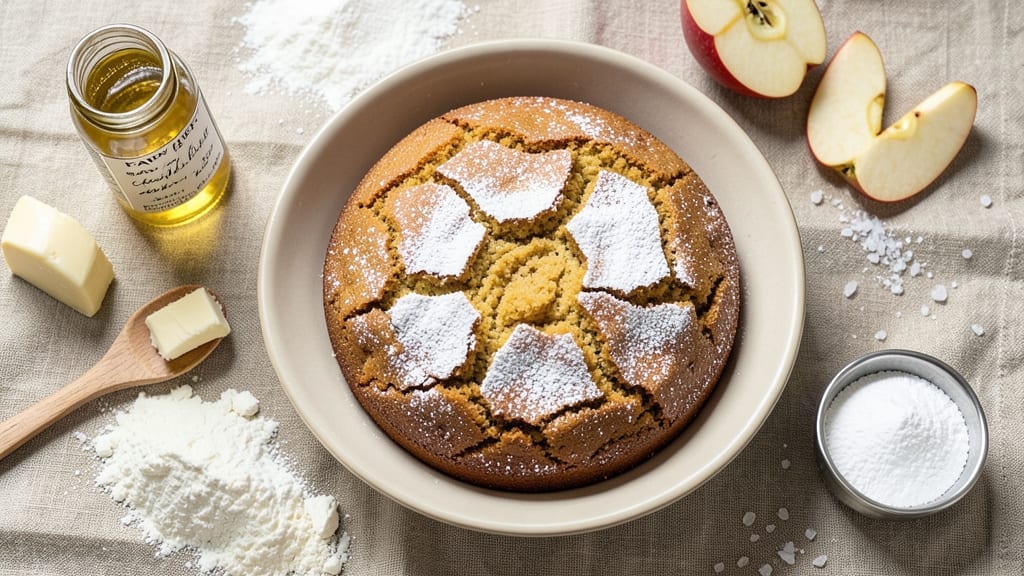
This apple cider vinegar cake recipe delivers moist, tender layers with a subtle tang that keeps every slice perfectly fresh-tasting for days. The secret lies in the vinegar's chemical reaction with baking soda, creating air pockets that prevent dryness while adding just enough acidity to balance sweetness.
I've perfected this recipe after years of testing—no one will guess it's not from a bakery.
The magic happens in the batter where apple cider vinegar transforms ordinary cake into something extraordinary. You'll need just 5 simple ingredients plus a few pantry staples, and the process is straightforward: mix, pour, bake.
The result? A cake with a fine crumb, golden edges, and that signature tangy-sweet flavor that lingers on your palate.
What sets this recipe apart is its foolproof moisture—no one will believe it stays fresh for up to 5 days when stored properly. The vinegar not only tenderizes but also creates a subtle caramelized depth when baked.
Perfect for birthdays, brunch, or when you simply crave a slice of homemade goodness that tastes better than store-bought.
Once baked, let it cool completely before slicing to maintain that perfect texture. The cake pairs beautifully with vanilla ice cream or a drizzle of caramel glaze. Here's everything you need to make this restaurant-quality dessert at home—no fancy equipment required.
Ingredients for apple cider vinegar cake
Just 10 simple ingredients transform into a restaurant-quality cake with perfect tangy moisture.
| Ingredient | Amount | Notes |
|---|---|---|
| All-Purpose Flour 🌾 | 2 ½ cups | Sifted for even texture |
| Granulated Sugar 🍚 | 2 cups | White or light brown |
| Unsalted Butter 🧈 | 1 cup | Room temperature for mixing |
| Apple Cider Vinegar 🍏 | 1 tbsp | Raw, unfiltered preferred |
| Baking Soda 🧂 | 1 ½ tsp | Freshly measured |
| Salt 🧂 | ½ tsp | Fine sea salt preferred |
| Large Eggs 🥚 | 2 whole | Room temperature |
| Vanilla Extract 🌸 | 1 tsp | Pure vanilla preferred |
| Milk 🥛 | 1 cup | Whole milk for richness |
| Vegetable Oil 🫒 | ½ cup | Light or neutral oil |
The apple cider vinegar is non-negotiable here—raw, unfiltered makes all the difference. Bragg or Texas Pete work perfectly, but avoid the pasteurized kind. For the flour, King Arthur or Gold Medal brands yield the best texture. Butter should be room temperature—no one likes greasy lumps in their batter. The baking soda needs to be fresh, so if your can is older than 6 months, grab a new one. Milk matters too: whole milk adds richness, but 2% works in a pinch. Eggs should be large—extra-large eggs are ideal for extra lift.
No apple cider vinegar? White vinegar or lemon juice at the same amount keeps the tang, though flavor differs slightly. Short on butter? Vegetable oil or coconut oil works, but the texture will be slightly denser. Want a richer cake? Swap half the milk for heavy cream. For a sweeter version, add 1 tbsp more sugar. The vanilla extract can be imitation, but pure vanilla extract gives that authentic bakery flavor. If you're gluten-free, substitute a 1:1 gluten-free flour blend—just know the texture will differ slightly.
This cake keeps beautifully—5 days at room temperature wrapped in foil, or 1 week refrigerated. For longer storage, freeze slices for up to 3 months. The secret to reheating? 5 seconds in the microwave restores moisture without drying. I always bake two pans at once—one for today, one for the freezer—because no one can resist seconds. Store leftovers in an airtight container with a slice of bread to maintain freshness.
Why You'll Love This Recipe
- No-Mix Magic: I swear by this recipe—just stir, pour, bake. The vinegar does all the work, cutting through the butter and sugar so you end up with a tender crumb without a single whisk stroke.
- Tangy Twist: That splash of apple cider vinegar? It’s the secret weapon—bright, subtle, and just enough to keep the sweetness from feeling cloying. The baking soda lifts it like a dream, giving you that perfect rise without needing yeast or eggs.
- Weeknight Hero: Slice it warm for breakfast, pack it for lunch, or serve it at a potluck—this cake handles everything. Honestly, I’ve had it for dinner with a scoop of ice cream, and no one batted an eye.
- Pantry Staple: Five ingredients, zero substitutions needed. If you’ve got flour, sugar, and butter, you’ve got a cake. And because it keeps well for days (yes, even better the next day), it’s my go-to when I’m too tired to think.
Step-by-step instructions for apple cider vinegar cake
Here's how to create a perfectly moist cake with tender crumb and subtle tang.
Prepare Your Mixing Tools and Ingredients
Start by sifting the 2.5 cups all-purpose flour into a medium bowl to remove any lumps and aerate it for a lighter texture. In a separate large mixing bowl, measure out the 2 cups granulated sugar, 1 cup unsalted butter (softened to room temperature), and 0.5 cup vegetable oil. This separation keeps your dry and wet ingredients organized and prevents accidental mixing before you're ready.
Crack the 2 whole large eggs into a small bowl first to check for any shells—this simple precaution saves you from finding shell fragments in your cake later. Add the 1 tbsp apple cider vinegar and 1 tsp vanilla extract to the eggs. The vinegar will create a subtle tang that enhances the cake's moisture and flavor profile.
Cream Butter, Sugar, and Oil Together
Using an electric mixer fitted with the paddle attachment, beat the 1 cup softened butter, 2 cups granulated sugar, and 0.5 cup vegetable oil on medium speed for 3-4 minutes. You're looking to create a light, fluffy mixture that nearly doubles in volume and becomes pale in color. This step is crucial for incorporating air into the batter, which helps create a tender crumb.
Scrape down the sides of the bowl with a rubber spatula every 30 seconds to ensure all ingredients are evenly incorporated. The mixture should be smooth and creamy, with no visible streaks of butter. If it's still grainy, continue mixing for another 30 seconds. The texture should resemble thick, pale ribbon when the beaters are lifted.
Add Eggs and Mix Until Combined
With the mixer running on low speed, gradually add the egg mixture (eggs, apple cider vinegar, and vanilla extract) to the butter-sugar mixture. Mix for 1-2 minutes until the eggs are fully incorporated and the mixture is smooth and homogeneous. This slow addition prevents the eggs from curdling and ensures they blend evenly into the batter.
Next, add the 1 cup milk and mix on low speed for another 30 seconds until fully combined. The milk helps create a moist, tender crumb and balances the richness of the butter and oil. The batter should now be smooth and well-mixed, with no visible streaks of liquid.
Combine Dry Ingredients and Fold Gently
In a separate bowl, whisk together the 2.5 cups sifted all-purpose flour, 1.5 tsp baking soda, and 0.5 tsp salt. Sifting the flour ensures it's light and aerated, which helps create a tender cake. Gradually add the dry ingredients to the wet mixture, mixing on low speed just until combined—about 30-45 seconds. Overmixing at this stage can develop gluten, leading to a tougher cake.
Once the dry ingredients are incorporated, stop mixing immediately. The batter should be thick but pourable. If it appears too stiff, you can gently fold in an additional 1-2 tablespoons of milk to achieve the right consistency. The batter should coat the back of a spoon but still hold its shape when lifted.
Bake Until Golden and Springy
Preheat your oven to 350°F and grease an 8-inch round cake pan or line it with parchment paper. Pour the batter into the prepared pan and smooth the top with a spatula. Bake for 30-35 minutes, or until a toothpick inserted into the center comes out clean and the top is golden brown. The cake should also spring back slightly when pressed gently in the center.
I like to place the cake pan on a wire rack for 5 minutes before transferring the cake to the rack to cool completely. This step prevents the cake from becoming soggy on the bottom. Once fully cooled, you can frost it with your favorite glaze or simply enjoy it as is—its natural tangy sweetness shines through beautifully.
Pro Tips For Making Apple Cider Vinegar Cake
- MEASURE THE VINEGAR PRECISELY: I learned this the hard way—using "about" 1 tablespoon of apple cider vinegar instead of the exact 2 tablespoons called for. The cake still rises, but it lacks that signature tangy depth. Grab a proper measuring spoon and don’t eyeball it.
- CREAM THE BUTTER AND SUGAR UNTIL LIGHT: This isn’t the prettiest method, but it’s the tastiest. Beat the butter and sugar until it’s pale yellow and fluffy—about 3-4 minutes. Stop when you can draw a line in the mix with your finger and it holds. Overmixing here makes the cake dense.
- DON’T OVERMIX THE BATTER: I skip this when I’m lazy, but the dish is noticeably better when I don’t. Once you fold in the dry ingredients, mix just until combined. Overmixing develops gluten, and that turns your tender cake into a dense brick. Stir until the flour barely disappears.
- LET THE BATTER REST 10 MINUTES: Sounds weird, but it works—especially in humid weather. After mixing, let the batter sit before baking. The baking soda reacts with the vinegar right away, and a short rest ensures an even rise. Just 10 minutes under foil makes a real difference.
Flavor customization for this apple cider vinegar cake
Citrus Twist
Brighten the flavor by adding 1 tbsp fresh lemon or orange zest to the dry ingredients. The citrus pairs beautifully with the apple cider vinegar's tang, creating a zesty contrast.
I like to use organic Meyer lemons for their natural sweetness. For extra punch, add 1 tsp lemon juice to the wet ingredients alongside the vanilla. 🍊
Spiced Variations
Warm up the cake with ½ tsp ground cinnamon or ¼ tsp nutmeg in the dry ingredients. These spices complement the vinegar's acidity perfectly. For a more complex flavor, add ¼ tsp cardamom or a pinch of cloves. I often use Penzeys Spices for their high-quality, aromatic blends.
Chocolate Infusion
Transform this cake into a decadent dessert by adding ½ cup cocoa powder to the dry ingredients. For extra richness, replace ½ cup milk with heavy cream.
Fold in ½ cup dark chocolate chunks after combining all ingredients. This creates a moist, fudgy cake with a subtle tangy depth. 🍫
Nutty Additions
Enhance texture and flavor by folding in ½ cup chopped walnuts or pecans after mixing the dry ingredients. Toast the nuts first for 3-4 minutes at 350°F to intensify their flavor.
For a crunchier topping, sprinkle ¼ cup chopped nuts on top before baking. I prefer raw, unsalted nuts for the best flavor balance.
Fruit Fold-Ins
Add freshness by folding in ½ cup diced apples or pears after combining all ingredients. Use tart apples like Granny Smith for contrast. For a tropical twist, try ½ cup diced pineapple or mango chunks.
Gently fold in the fruit to avoid tearing the batter. This keeps the fruit juicy while adding natural sweetness. 🍎
Gluten-Free Adaptation
For a gluten-free version, replace the all-purpose flour with 2.5 cups gluten-free 1:1 baking flour like Bob's Red Mill. Add 1 tbsp xanthan gum to improve texture.
The vinegar still works wonders for moisture, but you may need to reduce the milk by 2 tbsp to prevent a gummy texture. Test with a King Arthur gluten-free flour blend for best results.
Nutrition facts
Frequently asked questions
Why does apple cider vinegar make cake moister?
The vinegar reacts with baking soda to create tiny air pockets that lighten the batter while preventing dryness. This chemical reaction also tenderizes the gluten, keeping each slice soft for days. The acidity also balances sweetness, creating that signature tangy-sweet flavor.
Can I substitute white vinegar for apple cider vinegar?
Yes, but the flavor will be different. White vinegar has a sharper taste, so use the same amount but reduce by ½ tsp if you want milder acidity. For best results, stick with apple cider vinegar—its mellow tang enhances the cake's natural sweetness without overpowering it.
How do I know when the cake is fully baked?
Insert a toothpick into the center—it should come out clean with just a few moist crumbs. The edges should pull away slightly from the pan, and the top should be golden brown. Tap the cake gently: if it springs back, it's done! Overbaking dries out the cake, so don't let it exceed 35 minutes at 350°F.
Will this cake taste like vinegar?
Not at all! The 1 tbsp apple cider vinegar adds just enough tang to enhance flavor, not dominate it. The sweetness and butter mask any vinegary taste completely. Think of it as a subtle brightener, like a pinch of salt—essential but not overpowering.
Can I make this cake in a different pan size?
Yes, but adjust baking time. For a 9-inch pan, bake 25-30 minutes (batter will be thinner). For 6-inch pans, divide batter and bake 30-35 minutes each. Always check doneness with a toothpick—pan size affects heat distribution. Line pans with parchment for easy removal.