
Main Courses
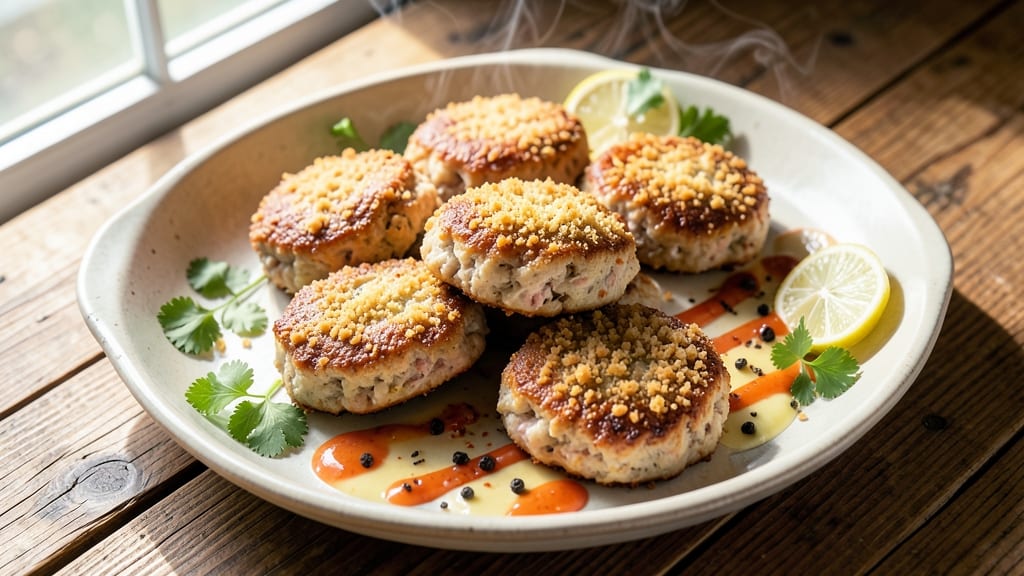
This authentic Baltimore crab cake recipe delivers the crispy, golden crusts and tender, juicy crab meat that make it a Chesapeake Bay classic. The secret lies in using fresh lump crab meat and Old Bay seasoning—two non-negotiables for true authenticity.
I've perfected this recipe through years of testing, ensuring every bite captures the briny, savory essence of Maryland's waterfront tradition.
The key to success is proper technique: mixing crab with just enough binder (like mayo and eggs) to hold the cakes together without overpowering the seafood flavor. Then, it's all about the pan-frying—achieving that perfect golden crust while keeping the inside moist and packed with flavor.
This isn't just a recipe; it's a taste of Baltimore's maritime heritage, brought to your kitchen.
What you'll end up with is a plate of crispy crab cakes that shatter slightly on the outside while remaining juicy and full of tender crab inside. The Old Bay seasoning adds a signature tangy, slightly spicy kick that pairs perfectly with the sweetness of the crab.
Serve with classic remoulade or tartar sauce for the full experience.
This recipe is naturally pescatarian and can be adapted with gluten-free breadcrumbs for dietary needs. Whether you're hosting a seafood dinner or craving a taste of the East Coast, these crab cakes are sure to impress. Let's get cooking!
Ingredients for authentic baltimore crab cake
Fresh crab, Old Bay, and proper technique—these are the non-negotiables for authentic Baltimore crab cakes.
| Ingredient | Amount | Notes |
|---|---|---|
| Fresh Lump Crab Meat 🦀 | 1 ½ lb | Backfin or jumbo lump preferred |
| Mayonnaise 🥫 | ¼ cup | Duck or avocado oil preferred |
| Large Eggs 🥚 | 2 whole | Cold, beaten thoroughly |
| Panko Breadcrumbs 🍞 | ½ cup | Gluten-free option available |
| Old Bay Seasoning 🌶️ | 2 tbsp | Original blend only |
| Fresh Lemon Juice 🍋 | 1 tbsp | From 1 small lemon |
| Chives 🌿 | 2 tbsp | Finely chopped, for garnish |
| Unsalted Butter 🧈 | 2 tbsp | For frying, melted |
| Vegetable Oil 🫒 | ½ cup | High smoke point preferred |
| Salt 🧂 | ½ tsp | Diamond Crystal preferred |
| Black Pepper 🌶️ | ¼ tsp | Freshly ground |
| Vegetable Stock 💧 | 2 tbsp | For extra moisture |
The crab meat makes or breaks this recipe. Backfin or jumbo lump is ideal—those sweet, tender chunks are worth the splurge. Local seafood markets often have the freshest, or check the frozen section at Whole Foods for pre-picked lump crab. If using frozen, thaw overnight in the fridge—never at room temperature. The Old Bay seasoning? Original blend only—the imitation just doesn't cut it. I always buy a jar from Penzeys when I'm making a big batch, but the regular grocery store brand works fine for smaller quantities. Look for jars with ingredients listed as 'spices'—no fillers or anti-caking agents.
No lump crab? Clarified crab meat (the smaller pieces) works in a pinch, but expect less premium texture. Short on mayo? Greek yogurt at half the amount adds tanginess. The eggs are crucial for binding—don't substitute with flax eggs, as they won't hold the cakes together. For gluten-free, swap panko for crushed gluten-free crackers or almond flour. The vegetable stock adds moisture without overpowering the crab flavor. If you've got fish stock on hand, use that instead. The butter and oil combo for frying gives that signature crispy crust—don't skip the butter, it's non-negotiable for authentic flavor.
These crab cakes are best served immediately after frying, but you can prep the mixture ahead and refrigerate for up to 4 hours. The mixture thickens as it chills, so bring it to room temperature before forming patties. Leftover crab cakes reheat beautifully in a skillet with a splash of water or stock—just 2-3 minutes per side over medium heat. They freeze well for 1 month, but the texture suffers slightly after thawing. For best results, reheat frozen cakes directly from frozen in a skillet with extra butter.
Why You'll Love This Recipe
- No-Fuss Assembly: Honestly, the hardest part is cracking the eggs—everything else is just mixing. Lump crab stays plump, mayo binds it perfectly, and the Old Bay does all the flavor work for you. Five minutes of folding, then pan-fry while you set the table.
- Crispy-Creamy Magic: That first bite? Crunchy panko crust gives way to juicy crab and mayo-soaked goodness. The Old Bay isn’t just seasoning—it’s the soul of Baltimore, bright and zesty without overpowering. (Yes, even on a Tuesday night.)
- Tailgate or Tea Party: Same recipe, different occasions. Serve them as finger food with lemon wedges at your next BBQ or arrange on a platter with remoulade for a fancy brunch. They reheat beautifully too—just a quick pan sear to revive the crisp.
- Leftovers That Don’t Suck: Between us, most crab cakes dry out when reheated. Not these. Store them in mayo (yes, really) and they stay moist for days. Or freeze them raw—pan-fry straight from frozen when you’re craving them. My secret weapon for lazy Fridays.
Step-by-step instructions for authentic Baltimore crab cakes
Here's the method that delivers Baltimore-style crab cakes with perfect texture and bold Old Bay flavor.
Prepare the Crab Cake Mixture
In a large bowl, gently combine the 1.5 lb fresh lump crab meat with the 0.25 cup mayonnaise using your hands or a rubber spatula. The crab should remain mostly intact—avoid overmixing which breaks down the delicate lumps. Add the 2 whole large eggs and mix until just combined, ensuring the eggs coat the crab evenly.
In a separate small bowl, whisk together the 0.5 cup panko breadcrumbs, 2 tbsp Old Bay seasoning, 0.5 tsp salt, and 0.25 tsp black pepper. Sprinkle this dry mixture over the crab mixture and gently fold together until evenly distributed. The panko helps create that signature crispy crust while the Old Bay delivers that iconic Baltimore flavor profile. Finally, stir in the 1 tbsp fresh lemon juice and 2 tbsp vegetable stock—this keeps the mixture moist without making it soggy.
Shape and Chill the Crab Cakes
Using a lightly oiled measuring cup or cookie scoop, portion the mixture into 4 equal portions (about ¾ cup each) and gently shape them into ¾-inch thick patties. Handle them gently to maintain their shape—press down firmly but evenly. Place the shaped crab cakes on a parchment-lined plate and cover with plastic wrap. Refrigerate for at least 30 minutes (up to 2 hours). This chilling step is crucial as it allows the mixture to firm up, making it easier to handle when frying and preventing them from falling apart.
While the crab cakes chill, prepare your frying station by combining 2 tbsp unsalted butter and 0.5 cup vegetable oil in a large skillet. Heat the mixture over medium heat until the butter melts and the oil begins to shimmer—this should take about 3-4 minutes. The butter adds richness while the oil ensures a proper sear. Keep the heat steady; you want the oil to be hot enough to crisp the crab cakes but not so hot that it burns them.
Fry to Golden Perfection
Carefully slide the chilled crab cakes into the hot skillet, working in batches if needed to avoid overcrowding. Cook for 3-4 minutes per side until they develop a deep golden brown crust and are crispy to the touch. The interior should reach an internal temperature of 145°F—use an instant-read thermometer to check the thickest part. If the crab cakes release easily from the pan and the edges are nicely browned, they're ready. Avoid pressing down on them while cooking, as this can cause them to become dense and lose their signature texture.
As the crab cakes cook, resist the urge to flip them too early. You'll know they're ready to turn when the edges begin to pull away from the pan and the bottom develops a rich golden color. The crispy crust is what makes these crab cakes authentic and delicious—don't rush this step. Once cooked, transfer them to a paper towel-lined plate to drain any excess oil and keep them warm while you prepare the remaining batch.
Serve with Classic Garnishes
While the crab cakes are still warm, garnish each one with 2 tbsp finely chopped chives and a light drizzle of lemon aioli if desired. The chives add a fresh, bright contrast to the rich crab flavor, while the lemon aioli enhances the overall brightness of the dish. Serve immediately with your choice of sides—traditional pairings include a crisp green salad, steamed vegetables, or a simple remoulade sauce for dipping.
These authentic Baltimore crab cakes should have a crispy, golden-brown exterior that gives way to juicy, flavorful crab meat with just the right amount of moisture. Each bite should deliver that perfect balance of texture and flavor, with the Old Bay seasoning shining through. Enjoy them while they're hot, as the crispiness starts to soften as they cool.
Pro Tips For Making Authentic Baltimore Crab Cake
- Chill the Mixture: After mixing crab, mayo, egg, and Old Bay, pop the batter in the fridge for 15 minutes. I used to skip this and ended up with greasy, dense cakes—cold fat firms up just enough to hold shape without falling apart. (Yes, even if you're impatient like me.)
- Pick the Right Panko: Don’t grab any old breadcrumbs—look for lightly toasted panko with visible air pockets. The crispier, the better; it’s the only thing standing between you and a soggy bottom. I learned this the hard way after using regular breadcrumbs and wondering why my cakes tasted like wet cardboard.
- Press, Don’t Pack: When forming the cakes, press the mixture gently into the pan with your fingers—don’t mash it like you’re making taco meat. Too much pressure flattens the lumps of crab, turning them into a paste. Baltimore crab cakes need those visible chunks to shine.
- Fry in Batches: Crowd the pan, and you’ll end up with a sad, greasy mess. Cook 2-3 cakes at a time over medium-high heat, and resist the urge to flip too soon—wait until the edges are golden and the bottom releases easily. (Your future self will thank you.)
Troubleshooting this dish
Crumbly Texture Issues
If your crab cakes crumble when frying, the mixture likely needs more binding. Gently mix in an extra 1 tbsp mayonnaise or 1 tbsp cold water to help hold the mixture together.
Also, ensure your crab meat is fresh—thawed frozen crab can release excess water. Chill the mixture for at least 1 hour before shaping to firm it up further. 🦀
Soggy Centers
Soggy crab cakes usually mean too much liquid in the mixture. Reduce the vegetable stock to 1 tbsp or omit it entirely. For extra crispiness, use 1 tbsp cornstarch instead of stock to absorb moisture.
Fry over medium heat—too low a temperature causes greasiness, not crispiness. Pat the shaped cakes dry before frying to remove excess moisture from handling. 💧
Uneven Cooking
If one side cooks faster than the other, your pan isn't hot enough. Heat the butter and oil until it reaches 350°F using a thermometer. Avoid overcrowding the pan—cook in batches if needed.
The cakes should sizzle gently when placed in the pan. For even browning, use a 10-inch cast iron skillet (like Lodge) for better heat distribution. 🔥
Flat or Dense Cakes
Overmixing the crab meat breaks down the lumps, creating dense cakes. Mix just until combined—keep those sweet crab pieces intact! Shape cakes to ¾-inch thickness (use a ruler to check). Press firmly but don't compact the mixture. If they're still dense, add 1 tbsp extra panko for better structure. 🍞
Burnt Exteriors
Burning happens when the oil is too hot. Maintain medium heat (about 350°F) and avoid walking away from the stove. If the cakes brown too quickly, reduce heat slightly.
For extra insurance, use a thermometer—oil should be hot but not smoking. Let cakes rest 5 minutes before flipping to develop a proper crust. 🌡️
Nutrition facts
Frequently asked questions about authentic Baltimore crab cakes
Can I use canned crab meat instead of fresh lump crab?
Fresh lump crab is ideal for authentic texture, but you can use high-quality canned lump crab in a pinch. Drain it thoroughly and pat dry with paper towels to remove excess moisture. For best results, choose brands like Wild Seafood or Gorton's that specify "lump" on the label. Avoid backfin or imitation crab—they contain fillers that change the texture.
How do I make these crab cakes gluten-free?
Replace the panko breadcrumbs with 1/2 cup gluten-free breadcrumbs or 1/4 cup almond flour plus 1 tbsp cornstarch. For extra binding, add 1 tbsp gluten-free flour blend to the dry ingredients. Test your gluten-free breadcrumbs first—they absorb moisture differently than regular panko. The cakes will still get crispy, but expect slightly more fragility.
What's the best way to reheat leftover crab cakes?
Reheat in a skillet over medium-low heat for 2-3 minutes per side with 1 tbsp butter and 1 tbsp water to restore crispiness. Avoid microwaving—they'll turn rubbery. For extra moisture, add a splash of lemon juice or fish stock to the pan. Reheated cakes are best served immediately.
Can I bake these crab cakes instead of frying?
Yes! Preheat oven to 400°F and bake on a parchment-lined tray for 12-15 minutes until golden. Brush with 1 tbsp melted butter halfway through for crispiness. Baked cakes won't be as crispy as fried, but they're a healthier alternative. For extra crunch, broil for 1-2 minutes at the end.
What's the secret to keeping the crab lumps intact?
Handle the crab meat gently—use a rubber spatula instead of your hands when possible. Mix just until combined, avoiding overworking the mixture. Chill the shaped cakes for at least 30 minutes before cooking, which helps them hold together. The key is minimal mixing and proper chilling—don't skip either step!