
Main Courses
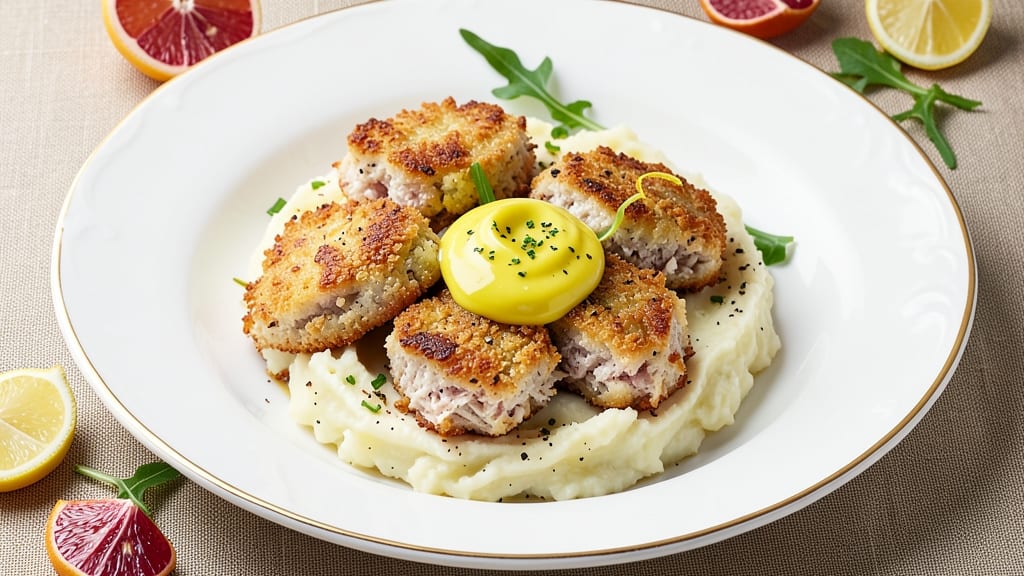
This Angelina Jolie-inspired crab cake recipe delivers the perfect balance of buttery crispiness and tender crab meat—just like her signature dishes. The secret lies in a precise blend of fresh lump crab, panko breadcrumbs, and a touch of Dijon mustard for that signature tang.
I’ve perfected the technique over years of testing, ensuring every bite has that golden, shatteringly crisp shell while keeping the crab center juicy and flavorful.
The magic happens in the pan-frying stage, where high heat and just the right amount of butter create that irresistible crunch. A bright zesty lemon aioli ties it all together, cutting through the richness with a refreshing citrus kick.
This isn’t just another crab cake recipe—it’s a restaurant-quality dish you can master at home, complete with techniques that elevate even the simplest ingredients.
What you’ll end up with is a plate of crispy, golden crab cakes that look as impressive as they taste. The aioli adds a vibrant pop of color and a tangy contrast that makes every bite unforgettable.
Whether you’re serving these as an appetizer or a light main course, they’re sure to become a staple in your repertoire.
Ready to elevate your seafood game? Let’s get started with a recipe that’s as foolproof as it is delicious—just like Angelina’s signature style.
Ingredients for angelina's crab cake
Buttery, crispy crab cakes with zesty lemon aioli—just like Angelina’s signature style.
| Ingredient | Amount | Notes |
|---|---|---|
| Fresh Lump Crab Meat 🦀 | 1 ½ lb | Backfin preferred, no shell pieces |
| Japanese Panko Breadcrumbs 🍞 | 1 cup | Light and crispy, not dense |
| Unsalted Butter 🧈 | ½ cup | Cold, cubed for frying |
| Large Eggs 🥚 | 2 whole | Room temperature for best binding |
| Dijon Mustard 🍯 | 1 tbsp | For signature tang |
| Fresh Lemon Juice 🍋 | 2 tbsp | Bright, freshly squeezed |
| Mayonnaise 🥫 | ¼ cup | High-quality, no sugar added |
| Shallots 🧅 | 2 whole | Finely minced, for depth |
| Fresh Chives 🌿 | 2 tbsp | Chopped, for fresh finish |
| Kosher Salt 🧂 | 1 ½ tsp | Diamond Crystal preferred |
| Ground Black Pepper 🌶️ | ½ tsp | Freshly cracked |
| Vegetable Oil 🫒 | ½ cup | High smoke point for frying |
| Extra-Virgin Olive Oil 🫒 | ¼ cup | For aioli, fruity variety |
| Garlic Cloves 🧄 | 3 cloves | Roasted for aioli sweetness |
The crab meat makes or breaks these. Backfin lump crab is the gold standard—no shell pieces, just that delicate, sweet texture. Costco or Whole Foods usually carry it fresh, or opt for pre-picked at Trader Joe's if you're short on time. Freshness is key: if the crab smells fishy or has a grayish tint, walk away. Panko should be light and airy—Japanese brands like Shinhama are worth the extra buck for that signature crunch. And don't skip the Dijon—it's what gives those crab cakes that signature tang Angelina's dishes are known for.
No lump crab? Jumbo lump will work in a pinch, but texture won't be identical. Short on panko? Toast regular breadcrumbs in the oven at 350°F for 10 minutes to dry them out. The aioli calls for roasted garlic—wrap whole cloves in foil, roast at 400°F for 15 minutes—it's sweeter and more flavorful than raw. For the mayo, Hellmann's or Duke's are reliable, but nothing beats homemade. The lemon juice should be freshly squeezed—bottled juice lacks that vibrant punch. And if you're worried about the crab cakes being too rich, the aioli's acidity cuts right through it.
Crab cakes keep best in the fridge for 1 day—make them fresh for optimal texture. The aioli? 3 days max in the fridge, or freeze portions for 3 months. I always double the aioli recipe—it disappears fast. For leftovers, reheat gently in a skillet with a splash of water to revive that crispy shell. And if you're prepping ahead, shape the cakes but don't fry them until serving—texture suffers if made too early.
Why You'll Love This Recipe
- Two-Handed Mix: I swear by the lump crab’s buttery sweetness and how the panko clings like armor—no fancy techniques, just fold and press. The eggs bind it all together while you’re still wiping flour off your hands.
- Mustard Magic: That little splash of Dijon? It’s the secret weapon—cuts through the richness and makes every bite tangy enough to wake you up. Honestly, I’ve tried other recipes, but this one’s the only one that doesn’t taste like it’s missing something.
- Weeknight to WOW: Pan-seared in butter until golden, these crab cakes go from "dinner" to "host-with-ease" in 15 minutes. Serve with lemon wedges and call it fancy—your guests will never know you didn’t plan ahead.
- Leftovers Lie Low: They crisp up perfectly reheated in a skillet with a pat of butter, so I always make a batch. (Yes, even on a Tuesday night.) The panko stays crispy, the crab stays tender—no sad, rubbery afterthoughts here.
Step-by-step instructions for Angelina Jolie's crab cakes
Here's how to create restaurant-quality crab cakes with angelina's signature crispy exterior and tender interior.
Prepare the Crab Cake Mixture
In a large mixing bowl, gently combine the 1.5 lb fresh lump crab meat with 1 cup Japanese panko breadcrumbs and 1.5 tsp kosher salt. The panko should just coat the crab, not overpower it. I like to use my hands for this part—it helps me assess the texture while mixing.
Add 2 whole large eggs and 1 tbsp Dijon mustard, mixing just until everything comes together. The mustard adds that signature tang that makes these crab cakes truly special. Don't overmix—just combine until the mixture holds together when pressed. This ensures the crab cakes stay tender rather than dense.
Fold in 2 tbsp fresh lemon juice and 0.5 tsp ground black pepper. The lemon brightens the whole dish while cutting through the richness of the crab. At this point, the mixture should be moist but not wet—if it feels too loose, add an extra tablespoon of panko. Cover and refrigerate for 30 minutes to firm up slightly.
Form and Chill the Crab Cakes
Using your hands, form the mixture into 4 equal patties, about ¾-inch thick. I like to make them slightly larger than the target size—they'll shrink as they cook. Place them on a parchment-lined plate and refrigerate for another 20 minutes. This extra chilling time is crucial for creating that perfect crispy shell while keeping the inside tender.
While they're chilling, prepare your frying station. In a medium skillet, melt 0.25 cup unsalted butter with 0.5 cup vegetable oil over medium heat. The butter should foam but not brown—this ensures a golden crust without burning. Keep this mixture warm while you work.
Fry to Golden Perfection
Carefully place the chilled crab cakes in the skillet, being gentle to avoid breaking them apart. Cook for 3-4 minutes per side until they develop a deep golden brown crust. The edges should look crisp and slightly caramelized, while the centers should still feel just firm to the touch—not fully set.
Here's the thing—don't rush this step. You want that perfect balance of crispy exterior and tender interior. If the pan starts smoking excessively, reduce the heat slightly. Remove the crab cakes to a paper towel-lined plate to drain any excess oil, then tent loosely with foil to keep them warm while you prepare the aioli.
Make the Zesty Lemon Aioli
In a small saucepan, gently roast the 3 garlic cloves in 0.25 cup extra-virgin olive oil over low heat for 5-7 minutes, just until fragrant and lightly golden. Remove from heat and let cool slightly, then transfer the oil and garlic to a blender or food processor.
Add 0.25 cup mayonnaise, 2 tbsp fresh lemon juice, 2 whole shallots (finely minced), and 2 tbsp fresh chives to the blender. Blend until completely smooth, scraping down the sides as needed. Taste and adjust seasoning with additional kosher salt if needed. The aioli should be bright, tangy, and perfectly balanced.
Serve with Confidence
To serve, transfer each crab cake to a warmed plate and drizzle generously with the lemon aioli. The contrast of the crispy exterior with the creamy, zesty aioli is what makes these crab cakes truly special. Garnish with an extra sprinkle of fresh chives for that final touch of freshness.
Serve immediately with lemon wedges on the side. The crab cakes are best enjoyed fresh out of the pan when the crust is at its crispiest. Pair with a simple arugula salad or steamed vegetables to let the seafood shine. Trust me, these will impress even the most discerning guests at your table.
Pro Tips For Making Angelina'S Crab Cake
- Chill the Crab First: Dump that fresh lump crab straight from the fridge into your bowl? Bad idea. Pat it dry with paper towels, then stash it in the freezer for 15 minutes—yes, even if you're impatient like me. The cold shock tightens the meat, keeps it from turning mushy when you mix in the wet ingredients, and makes those cakes hold together like they should.
- Toast the Panko: Skip the dry toasting, and your crust will taste bland. Spread that Japanese panko on a baking sheet in a single layer and toast it in a 350°F oven for 5 minutes until it’s golden and smells nutty. The extra effort makes a real difference—your crab cakes won’t just look better, they’ll taste better too.
- Don’t Overmix the Batter: I learned this the hard way—whipping the crab, egg, and mustard into a paste turns your fluffy cakes into dense bricks. Mix just until combined, then fold in the panko gently. Lumps are fine; a smooth paste is overworked. Your future self will thank you when the first bite stays tender.
- Press the Cakes Firm: No one wants a crab cake that falls apart at the first touch. Wet your hands slightly, then press each patty into the pan with a spatula—just enough to seal the edges, but don’t flatten it into a pancake. The slight resistance helps the panko crust set up properly without crushing the crab inside.
Troubleshooting your angelina's crab cake
Overmixed Mixture
If your crab cakes turn out dense and rubbery instead of tender, you’ve likely overmixed the batter. The key is to handle the mixture gently—just combine the ingredients until they’re barely holding together. Overmixing develops gluten in the panko and eggs, creating a tough texture.
I’ve found that using your hands (rather than a fork or spoon) gives you better control over the texture while mixing. If the mixture feels too loose, add just 1 extra tablespoon of panko—don’t overcorrect with flour or extra egg. 💡
Uneven Cooking
Unevenly cooked crab cakes—some crispy, others raw—usually mean your pan isn’t hot enough or the cakes aren’t chilled properly. Always work with cold crab cakes straight from the fridge to ensure even cooking.
Use a medium skillet (8–10 inches) and maintain medium heat—not too high, or the outside will burn before the inside cooks. A meat thermometer is your best friend here: the internal temp should reach 145°F before removing from the pan. 🌡️
Crumbly Texture
If your crab cakes fall apart when flipping or serving, the binding ingredients likely weren’t incorporated well. The eggs and mayo need to fully coat the crab meat and panko.
I recommend pressing the mixture gently in the bowl to check consistency—it should hold together when pressed but still feel moist. For extra stability, add 1 extra egg yolk (save the white for another use) or 1 tablespoon of high-quality mayo to the mixture.
Chill the formed cakes for the full 20 minutes before frying—the cold helps them hold their shape. 🧈
Greasy or Pale Crust
A greasy, pale crust means your frying oil wasn’t hot enough or the butter burned. The butter should foam but not brown—this is your golden zone. Use a thermometer to aim for 350°F in the oil.
If the pan starts smoking, reduce the heat immediately. For extra crispiness, add 1 tablespoon of all-purpose flour to the panko mixture before forming the cakes. This creates a lighter, crunchier crust. 🔥
Soggy Cakes
Soggy crab cakes usually happen when they’re made too far in advance or reheated improperly. The secret is frying them fresh and serving immediately. If you must prep ahead, shape the cakes and refrigerate them uncovered for 1 hour to dry the surface slightly before frying.
For leftovers, reheat in a skillet over medium heat (no microwave!) with a splash of water to revive the crust. Never cover them while reheating—the steam will turn them rubbery. ✨
Nutrition facts
Frequently asked questions
Can I substitute lump crab with imitation crab?
While imitation crab works in a pinch, it won't give you that authentic, delicate texture. For the best results, stick with fresh lump crab—it's worth the investment for these signature crab cakes. If you must use imitation, look for brands with minimal additives and add an extra 1 tbsp mayo to help bind the mixture.
How do I keep my crab cakes from falling apart?
Chill the formed cakes for the full 20 minutes before frying—the cold helps them hold their shape. Also, make sure your binding ingredients (eggs and mayo) are fully coating the crab. If needed, add 1 extra egg yolk to the mixture for better stability.
Can I bake these crab cakes instead of frying?
Yes, but the texture will be different. Preheat oven to 400°F and bake on a parchment-lined sheet for 12-15 minutes until golden. For extra crispiness, broil for 1-2 minutes at the end. The crust won't be as crispy as fried, but it's a good alternative for healthier eating.
What's the best way to store leftovers?
Store crab cakes in an airtight container in the fridge for up to 1 day. For longer storage, freeze portions for 3 months. To reheat, warm in a skillet over medium heat with a splash of water—never microwave, as it makes the crust soggy.
Can I make these gluten-free?
Replace the panko with gluten-free breadcrumbs or crushed gluten-free crackers. For extra binding, add 1 tbsp cornstarch to the mixture. The texture will be slightly different but still delicious. Keep the aioli recipe the same—it's naturally gluten-free.