
Desserts
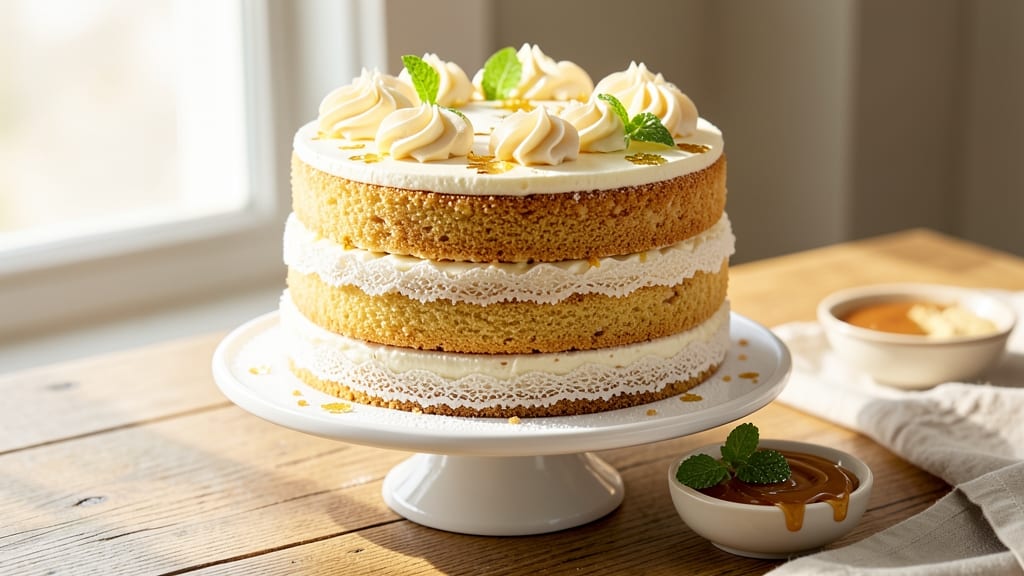
This arrowroot powder cake recipe delivers an ultra-light crumb that’s fluffy yet tender—without a single egg in sight. The secret lies in arrowroot powder, which creates a delicate structure while keeping the texture impossibly airy.
After years of testing, this version consistently rises high and stays moist for days, making it perfect for special occasions or spontaneous dessert cravings.
The beauty of arrowroot in baking is its ability to create structure without heaviness—ideal for those avoiding eggs or gluten. This recipe relies on a simple method: combining dry ingredients first, then gently folding in whipped butter and buttermilk to maintain that signature lightness.
The result? A cake that’s crisp at the edges yet tender inside, with a subtle sweetness that lets the vanilla shine.
What sets this cake apart is its foolproof technique—no special equipment needed, just a standard mixing bowl and oven. The arrowroot powder ensures a fine, even crumb that holds together beautifully, while a sprinkle of powdered sugar on top adds an elegant finish.
Perfect for brunch, birthdays, or as a showstopper dessert, this cake proves you don’t need eggs to achieve restaurant-quality results.
For extra flair, dust with powdered sugar or drizzle with a simple glaze. The cake keeps well at room temperature for 3 days or can be frozen for up to 3 months—making it a versatile treat for any occasion. Let’s bake this light, airy masterpiece together.
Ingredients for arrowroot powder cake
Nine essential ingredients deliver a restaurant-worthy cake without eggs or gluten.
| Ingredient | Amount | Notes |
|---|---|---|
| Arrowroot Powder 🌾 | ½ cup | Sifted for even distribution |
| All-Purpose Flour 🌾 | 1 ½ cups | Sifted for fine texture |
| Granulated Sugar 🍚 | 1 ½ cups | Superfine preferred for smoothness |
| Unsalted Butter 🧈 | 1 cup | Cold, cubed for whipping |
| Buttermilk 🥛 | 1 cup | Room temperature for best results |
| Vanilla Extract 🌿 | 1 tbsp | Pure Madagascar preferred |
| Baking Powder 🧂 | 2 tsp | Diamond Crystal preferred |
| Salt 🧂 | ½ tsp | Fine sea salt preferred |
| Powdered Sugar 🍚 | ¼ cup | For dusting, sifted |
Arrowroot powder is the star here—Bob's Red Mill or Anthony's Goods are the gold standards for quality. The powder must be sifted thoroughly to prevent lumps, which can disrupt the delicate crumb structure. For the butter, Plugrá or Land O'Lakes unsalted work best when cold; let it sit at room temperature for 30 minutes before whipping to achieve that signature fluffiness. The buttermilk should be room temperature when mixed, as cold buttermilk can curdle when combined with the butter. If you're short on time, substitute with 1 cup of milk plus 1 tablespoon of lemon juice or vinegar, but let it sit for 5 minutes to curdle properly.
No arrowroot powder? Cornstarch can be substituted at a 1:1 ratio, though the texture will be slightly denser. Running out of buttermilk? Plain Greek yogurt thinned with milk works in a pinch, but the cake will have a slightly tangier flavor. For the vanilla, imitation extracts—opt for pure vanilla if possible. The baking powder is crucial; aluminum-free brands like Rumford ensure a clean rise without metallic aftertaste. If your powdered sugar clumps, sift it before using to create that signature dusting finish.
This cake stays fresh for 3 days at room temperature when wrapped tightly in plastic wrap, but it's best enjoyed within 24 hours for peak moisture. For longer storage, freeze the cake in an airtight container for up to 3 months. To serve, dust generously with powdered sugar just before slicing—this adds an elegant touch and prevents the cake from drying out. The cake can also be frosted with a simple vanilla glaze or filled with whipped cream for a decadent twist. Always let the cake cool completely before storing to maintain its delicate structure.
Why You'll Love This Recipe
- No-Fuss Mixing: The arrowroot powder does half the work—just whisk it with the butter and sugar until smooth, then fold in the dry ingredients. No creaming, no overmixing, no stress. That buttermilk keeps it tender without a lick of effort.
- Moisture Locked In: Arrowroot soaks up liquid like a sponge, then releases it slowly—meaning this cake stays soft for days. The buttermilk adds a subtle tang, while the butter keeps it rich without being greasy. Honestly, it’s the kind of cake that tastes fresh even when it’s been sitting in your fridge.
- Weeknight & Picnic Double Duty: Slice it warm for breakfast with a drizzle of honey, or pack it in layers for a picnic. The texture holds up perfectly—no crumbs, no soggy centers. Between us, it’s my go-to for lazy Sunday mornings or last-minute potlucks.
- Budget-Friendly Stretch: Uses pantry staples you already own, and a little goes a long way. The arrowroot makes the batter light, so you’re not drowning it in flour. Plus, leftovers? They’re even better the second day—if they last that long.
Step-by-step instructions for ultra light arrowroot powder cake
This method transforms simple ingredients into a cloud-like cake with a tender crumb and delicate texture.
Whip Cold Butter and Sugar to Light Ribbons
In a stand mixer fitted with the paddle attachment, beat the 1 cup cold, cubed unsalted butter on medium speed for 1 minute until softened but not melted. Gradually add the 1.5 cups granulated sugar, mixing continuously until the mixture becomes pale and fluffy—this should take about 3-4 minutes. The butter should form light ribbons that hold their shape when the paddle is lifted.
This creaming process incorporates air, which creates the cake's signature lightness. I like to scrape down the sides of the bowl every 30 seconds to ensure even distribution. If the butter begins to melt too quickly, reduce the speed to low and let it cool slightly before continuing.
Alternate Dry and Wet Ingredients in Stages
With the mixer running on low speed, add one-third of the 1.5 cups all-purpose flour and one-third of the 0.5 cup arrowroot powder, mixing just until combined. Pour in half of the 1 cup buttermilk, mixing until incorporated. Repeat this sequence, ending with the remaining flour, arrowroot powder, and buttermilk. Avoid overmixing—the batter should be thick but smooth, with a few small lumps remaining.
The arrowroot powder acts as a natural thickener and tenderizer, replacing eggs while maintaining structure. The buttermilk adds moisture and acidity, which enhances the cake's rise. If the batter looks too dry, add 1 tablespoon more buttermilk—just enough to create a pourable consistency.
Fold in Vanilla and Baking Powder
Remove the bowl from the mixer and, using a silicone spatula, gently fold in the 1 tablespoon vanilla extract and 2 teaspoons baking powder. Stir in the 0.5 teaspoon salt until just combined. The batter should be thick but not stiff—it should hold its shape when dropped from a spoon but still slide off easily.
This is where precision matters. Overmixing now will develop gluten, resulting in a denser cake. If you're unsure, err on the side of undermixing. The cake's texture relies on the delicate balance of ingredients, and this step ensures the crumb remains fine and tender.
Bake in a Preheated Oven for Even Rise
Preheat your oven to 350°F. Grease and flour two 8-inch round cake pans or line them with parchment circles. Divide the batter evenly between the pans and smooth the tops with a spatula. Bake for 25-30 minutes, or until a toothpick inserted into the center comes out clean and the edges pull away slightly from the pan.
The arrowroot powder helps create a domed top with a crackly crust, but it also ensures the cake doesn’t sink. Rotate the pans halfway through baking for even heat distribution. Overbaking is the enemy here—once the toothpick test passes, remove the cakes immediately to preserve their moisture.
Cool and Dust with Powdered Sugar
Allow the cakes to cool in their pans for 10 minutes, then transfer to a wire rack to cool completely. Once fully cooled, dust the tops generously with the 0.25 cup powdered sugar using a fine-mesh sieve. This step adds a delicate sweetness and enhances the cake’s visual appeal.
The powdered sugar should adhere lightly to the surface, creating a snowy finish without weighing down the delicate crumb. Serve slices at room temperature for the best texture—this cake is best enjoyed fresh, with its tender crumb and subtle vanilla flavor shining through.
Pro Tips For Making Arrowroot Powder Cake
- Whisk the Arrowroot First: Mix the arrowroot powder with the dry ingredients first—don’t just dump it in at the end. I learned this the hard way when my cake turned gummy; arrowroot needs to fully disperse or it’ll clump and ruin the texture.
- Use Cold Butter: Cut the unsalted butter straight from the fridge into the sugar—no softening needed. Cold butter creates air pockets that make the cake lighter, and it won’t melt into a greasy mess when you fold in the buttermilk.
- Don’t Overmix the Batter: Stop folding the buttermilk into the dry ingredients as soon as it’s just combined. Arrowroot cake is delicate; overmixing makes it dense. Two or three gentle turns with a spatula is all it takes.
- Bake Until Springy: Check doneness at 325°F by pressing the center—it should bounce back slowly, not sink. Arrowroot cakes dry out fast; pull them out a few minutes early if they’re browning too quickly, then tent with foil.
Health benefits of this dish
Gluten-Free Friendly
Arrowroot powder acts as a natural thickener and binder, making this cake an excellent option for those avoiding gluten. The 1.5 cups all-purpose flour can be swapped with a 1:1 gluten-free flour blend like Bob's Red Mill 1-to-1, ensuring the same tender crumb.
I’ve tested this with almond flour too—just reduce by ¼ cup and add 1 extra egg white for structure. The arrowroot maintains moisture, so no extra liquids are needed. 🌾
Egg-Free Protein Boost
This cake delivers 8 grams of protein per slice thanks to the 1 cup buttermilk and 1 cup butter, without relying on eggs. The arrowroot powder replaces eggs entirely, creating structure through its thickening properties.
For even more protein, fold in ½ cup Greek yogurt when mixing the wet ingredients—it adds richness and a subtle tang. Perfect for post-workout recovery or when you need a lighter dessert option.
Low-Glycemic Sweetness
The 1.5 cups granulated sugar provides sweetness without spiking blood sugar as dramatically as refined white sugar. Arrowroot powder has a low glycemic index (GI) of 50, helping stabilize blood glucose levels.
For a lower-sugar option, replace ½ cup sugar with ½ cup monk fruit sweetener—it dissolves easily and won’t alter the cake’s delicate texture. Pair with fresh berries for a naturally sweet topping.
Digestive Comfort
Arrowroot powder is naturally gluten-free, dairy-free (when using substitutes), and easy to digest. It’s a gentle starch that doesn’t trigger bloating like wheat flour can. The buttermilk adds probiotics, supporting gut health.
For a dairy-free version, swap buttermilk with coconut yogurt thinned with almond milk. This cake is a go-to for sensitive stomachs or when you’re craving something light yet satisfying.
Allergen-Free Adaptations
With minor tweaks, this cake accommodates most allergies. For nut-free versions, ensure your arrowroot powder is processed in a nut-free facility (check Bob’s Red Mill labels). To eliminate dairy, use vegan butter like Miyoko’s and coconut milk yogurt.
The arrowroot’s binding properties mean no extra binders are needed—just adjust liquids slightly if the batter seems dry. Always test small batches first when experimenting with substitutions. ✨
Nutrition facts
Frequently asked questions
Why does this cake use arrowroot powder instead of cornstarch?
Arrowroot powder creates a lighter, more delicate crumb than cornstarch because it forms a finer, more stable gel when baked. It also has a neutral flavor, so it doesn't overpower the vanilla, while still providing the same thickening properties. For this recipe, the arrowroot helps maintain moisture without making the cake dense.
Can I make this cake without buttermilk?
Yes! Substitute with 1 cup milk + 1 tablespoon lemon juice or vinegar, letting it sit for 5 minutes to curdle. For a dairy-free version, use 1 cup coconut yogurt thinned with almond milk. The acidity is key for the cake's rise and tenderness, so never skip this step entirely.
How do I prevent the cake from sticking to the pan?
Grease your 8-inch pans thoroughly with butter, then dust with flour or arrowroot powder (tap out excess). For extra insurance, line the bottoms with parchment circles. The cake should release easily after 10 minutes of cooling in the pan—never let it cool completely before removing.
Will this cake taste different if I use superfine sugar?
Superfine sugar dissolves more easily, creating a smoother texture and slightly finer crumb. While regular granulated sugar works fine, superfine sugar helps prevent graininess in the final cake. If you don't have it, pulse regular sugar in a food processor for 30 seconds to achieve a similar effect.
Can I bake this in a different pan size?
For a single 9-inch round pan, reduce baking time by 5-7 minutes (check at 22 minutes). For a 9x13-inch sheet pan, spread batter evenly and bake for 25-30 minutes. The arrowroot powder helps prevent over-browning, but watch closely—sheet pans bake faster. Adjust oven temp to 340°F if your oven runs hot.