
Desserts
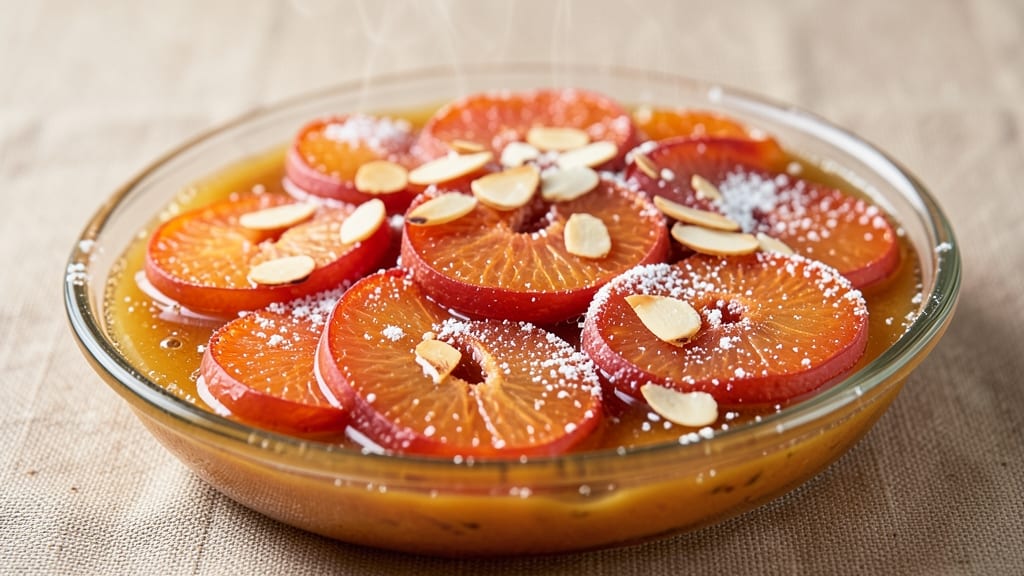
This apricot cake filling recipe transforms ordinary desserts into showstopping masterpieces with its velvety texture and intense, jammy flavor. The secret lies in simmering fresh apricots until they break down into a luscious, slightly thickened purée—no artificial gums or preservatives needed.
I developed this filling after testing countless variations, and the difference between this and store-bought apricot jam is night and day.
The filling’s versatility is its greatest strength: swirl it into vanilla sponge cake layers, fill a buttery tart shell, or drizzle it over pound cake for a restaurant-worthy finish.
The perfect balance of sweetness and acidity comes from carefully controlled sugar and a touch of lemon juice, while cornstarch ensures it holds its shape when layered. No special equipment is required—just a saucepan, a fine-mesh strainer, and patience for the flavors to meld.
What sets this recipe apart is the depth of flavor achieved by cooking the apricots with their skins intact before straining. This preserves color and texture while extracting maximum sweetness and natural pectin.
The result is a filling that’s rich enough to stand alone but delicate enough to complement any dessert. Think golden sponge cake, crisp meringue, or even a simple pound cake—this filling elevates them all.
For best results, make the filling a day ahead to let the flavors deepen. Pair it with vanilla bean-infused whipped cream or toasted almonds for a dessert that feels both elegant and approachable. Here’s how to create it from scratch—no shortcuts, just pure, unforgettable apricot goodness.
Ingredients for apricot cake filling
Fresh apricots, precise sugar balance, and a touch of acidity create restaurant-quality cake filling.
| Ingredient | Amount | Notes |
|---|---|---|
| Fresh Apricots 🍑 | 1 ½ lb | Pitted, skins left intact |
| Granulated Sugar 🍚 | 1 ¼ cups | Light brown preferred for depth |
| Lemon Juice 🍋 | 2 tbsp | Freshly squeezed, no pulp |
| Cornstarch 🌾 | ½ tsp | For perfect thickening |
| Water 💧 | ¼ cup | Room temperature preferred |
| Vanilla Extract 🌿 | 1 tsp | Pure Madagascar preferred |
| Salt 🧂 | ¼ tsp | Fine sea salt preferred |
| Unsalted Butter 🧈 | 2 tbsp | Cold, cubed for swirling |
| Heavy Cream 🥛 | ½ cup | Cold for layering |
| Toasted Almonds 🌰 | ¼ cup | Chopped, for garnish |
The apricots are the heart of this filling—ripe but firm ones yield the best texture. Local farmers markets often have superior quality compared to grocery store bins, but if you must shop conventional, look for apricots with vibrant orange color and minimal blemishes. The skins must stay intact during cooking to preserve natural pectin and color. For large batches, Costco's organic apricot packs are a reliable option, though they require extra pitting. Never skip the pitting step—even small pits can ruin texture. If you're short on time, frozen apricots work perfectly—just thaw and drain before using, as they release excess moisture during cooking.
No fresh apricots? High-quality apricot jam can be reduced with lemon juice and cornstarch to mimic the texture, though it won't have the same depth of flavor. Substituting brown sugar for white sugar adds subtle molasses notes that pair beautifully with apricot. The cornstarch is non-negotiable for achieving that velvety, pipeable consistency—arrowroot powder works at the same ratio if you prefer. For a more intense flavor, simmer the filling uncovered for 5-10 minutes longer to concentrate the sugars. The butter and cream can be swapped for vegan butter and coconut cream to make this dairy-free while maintaining the same luxurious texture. Always taste as you go—the perfect balance of sweetness and acidity should make your mouth water.
This filling develops deeper flavor when made a day ahead, so plan accordingly. Store it in an airtight container in the refrigerator for up to 5 days—the texture actually improves as the flavors meld. For longer storage, transfer to a freezer-safe container and freeze for up to 3 months. When ready to use, let it come to room temperature before layering—this prevents the cake from becoming soggy. The filling can be piped directly onto cake layers or spread with an offset spatula for a rustic finish. Garnish with toasted almonds or a dusting of powdered sugar just before serving to elevate the presentation.
Why You'll Love This Recipe
- Here’s what sold me: those slightly overripe apricots? Perfect. The filling thickens beautifully, so I can make a big batch and freeze half for later. Plus, cornstarch means it stays smooth without graininess—no need to fuss over pectin.
- Five-Ingredient Magic: I swear by this combo—just fruit, sugar, lemon, cornstarch, and water. No fancy stabilizers, no hidden shortcuts. The apricots soften into that perfect jammy texture while the lemon keeps it bright, not cloying.
- Sunshine in a Jar: Honestly, the flavor hits differently. The caramelized sugar and warm apricot taste like summer in every bite, but the lemon juice cuts through the sweetness so it doesn’t feel heavy. It’s the kind of filling that makes you pause mid-slice.
- Cake or Fill-It: Between us, this works in everything. Swirl it into pound cake, stuff it into muffins, or even drizzle it over yogurt for a fancy breakfast. I’ve even used it as a glaze for chicken—yes, really—and it’s become my go-to for potlucks.
Step-by-step instructions for jammy apricot filling
Transform fresh apricots into a luxurious, jammy filling perfect for swirling into cakes or filling pastries.
Prepare the Apricots for Cooking
Begin by pitting the 1.5 lb fresh apricots while leaving their skins intact. This preserves texture and color in your filling. Cut each apricot into ¼-inch thick slices—this ensures even cooking and a consistent jammy texture throughout. Place the sliced apricots in a medium saucepan and add the 2 tbsp lemon juice and 0.25 tsp salt. The lemon juice prevents browning and brightens the fruit's natural sweetness.
Stir gently to combine, then add the 1.25 cups granulated sugar and 0.25 cup water. Bring the mixture to a boil over medium-high heat, stirring occasionally to dissolve the sugar completely. Once boiling, reduce the heat to medium-low and let it simmer for 10 minutes. You'll notice the apricots begin to soften and release their juices, creating a fragrant, syrupy consistency.
Thicken the Filling to Perfect Consistency
In a small bowl, whisk together the 0.5 tsp cornstarch with 2 tbsp cold water until smooth. This slurry will help thicken the filling to an ideal jammy texture. Slowly pour the cornstarch mixture into the simmering apricot sauce while stirring constantly with a wooden spoon. The filling should begin to thicken almost immediately—if it doesn't, let it simmer for an additional 2-3 minutes until it reaches a spreadable consistency.
You're aiming for a filling that coats the back of a spoon but still has a slight sheen—this ensures it swirls beautifully into cakes without making them soggy. Taste the mixture and adjust the sweetness if needed, though the 1.25 cups sugar should balance the apricots' natural tartness perfectly. Remove the pan from heat and stir in the 1 tsp vanilla extract—this adds depth and complexity to the flavor profile.
Incorporate Cream and Butter for Richness
In a separate bowl, whisk together the 0.5 cup cold heavy cream until smooth. Slowly pour the cream into the warm apricot mixture while stirring continuously over low heat. The cream will help create a lighter, more luxurious texture in your filling. Once fully incorporated, add the 2 tbsp cold cubed unsalted butter and stir until melted and evenly distributed. This step adds a velvety richness that elevates the filling from ordinary to extraordinary.
Let the mixture cool slightly for 5 minutes, then taste again. The filling should now have a perfect balance of jammy apricot flavor, creamy texture, and subtle sweetness. If it's too thick, whisk in 1 tsp warm water to loosen it slightly. This filling is now ready to be swirled into cakes, layered in trifles, or used as a filling for pastries.
Finish with Toasted Almonds for Texture
While the filling cools completely, toast the 0.25 cup chopped toasted almonds in a dry skillet over medium heat for 2-3 minutes until fragrant and lightly golden. This step enhances their nutty flavor and adds a delightful crunch to contrast the soft filling. Once toasted, set them aside to cool slightly.
When ready to use, gently fold the toasted almonds into the apricot filling just before assembling your dessert. This ensures they remain crisp and add a beautiful visual and textural element to every slice. The filling should now be at room temperature, making it ideal for swirling into sponge layers or filling cream puffs. Store any leftovers in an airtight container in the refrigerator for up to 5 days, though it's best used fresh.
Pro Tips For Making Apricot Cake Filling
- PEEL AND PIT FAST: Grab a sharp paring knife and slice a shallow cross at the top of each apricot—this lets the skin slip off in one piece when you blanch them. Skip the pit with a small spoon or your thumb, but don’t rush: a stray pit in your filling tastes like a mouthful of regret.
- SIMMER LOW AND LONG: After adding the sugar and lemon juice, drop the heat to a bare simmer. I used to rush it, but now I let it cook for 20-25 minutes until the apricots break down into a thick, jammy consistency—no more mushy chunks, just velvety texture.
- STRAIN THE SKINS OUT: After simmering, strain the mixture through a fine-mesh sieve to remove skins and seeds. I learned this the hard way: leaving them in makes the filling gritty, and no one wants that texture in their cake.
- SWAP CORNSTARCH FOR TAPIOCA: If you’re short on cornstarch, use half the amount of instant tapioca instead—it thickens better and gives the filling a smoother finish. Just whisk it into cold water first to avoid clumping, like you’re making a tiny pudding.
Troubleshooting your apricot cake filling
Too Thin Filling
If your apricot filling turns out too thin, don’t panic—simmering longer is the first fix. Return the pan to medium-low heat and cook uncovered for 5-10 minutes to evaporate excess liquid.
For a quicker solution, whisk in ½ tsp cornstarch mixed with 1 tsp water and simmer for 2 more minutes. Over-simmering can make it too thick, so taste as you go.
If it’s still too runny, reduce by 1 minute at a time until it reaches a jammy consistency. 🔥
Too Thick Filling
A filling that’s too thick can make your cake dense and heavy. The easiest fix is to whisk in 1 tsp warm water or milk to loosen it slightly. For a more dramatic change, thin it with 1 tbsp apricot nectar or lemon juice while stirring constantly.
If it’s still stubborn, reheat gently while stirring until it reaches the perfect spreadable consistency. Remember, the filling should glide off a spoon but still hold its shape when piped. ✨
Apricots Not Soft Enough
Undercooked apricots will leave your filling with a grainy texture. If they’re still firm after 10 minutes of simmering, cover the pan and cook for 5 more minutes to steam them gently. For extra help, mash the apricots lightly with a potato masher before straining to release more juice.
If you’re in a hurry, use frozen apricots—they soften faster but may release more moisture, so reduce the simmering time by 3-4 minutes. 💫
Filling Separates When Cooling
This happens when the cornstarch doesn’t fully dissolve or the cream separates. To prevent it, always whisk the cornstarch slurry until smooth before adding it to the hot filling. For the cream, temper it by slowly mixing in ¼ cup warm filling first, then adding the rest.
If separation occurs, whisk gently over low heat until smooth again. A splash of lemon juice can also help stabilize the texture. 💡
Filling Too Tart or Sweet
Balancing the sweetness and acidity is key. If your filling tastes too tart, add 1-2 tbsp more sugar and simmer for 2 minutes to dissolve. For excessive sweetness, stir in ½ tsp lemon juice or 1 tsp vanilla extract to brighten the flavor.
Taste as you go—adjust gradually to avoid overcorrecting. The goal is a perfect harmony of jammy sweetness with a touch of tang. 🍋
Filling Turns Out Grainy
Graininess usually means the apricots weren’t cooked long enough or weren’t strained properly. For a smoother texture, simmer the filling for an extra 5 minutes to fully break down the fruit. After cooking, strain through a fine-mesh sieve to remove any remaining skin or seeds.
If it’s still grainy, blend the filling briefly with an immersion blender—just 10-15 seconds is enough to smooth it out without losing texture. 🌟
Nutrition facts
Frequently asked questions
Can I use dried apricots instead of fresh?
Yes, but you'll need to rehydrate them first. Soak 1 cup dried apricots in warm water for 30 minutes, then drain and pat dry. Use the same quantity as fresh apricots (1.5 lb), but reduce the added water to 2 tbsp since dried fruit releases less moisture. Simmer for 15 minutes instead of 10 to achieve the same jammy texture.
How do I prevent the filling from making my cake soggy?
Always let the filling cool completely to room temperature before using it. For extra insurance, chill the cake layers for 30 minutes in the freezer before adding the filling. Use a piping bag with a star tip for clean swirls that don't overmix the layers. The cornstarch in the filling helps create a stable barrier between the moist filling and dry cake.
What's the best cake to pair with this apricot filling?
Vanilla sponge cake is ideal due to its neutral flavor and tender crumb that contrasts beautifully with the jammy filling. For a richer option, try a genoise cake or almond flour cake. Avoid overly dense cakes like pound cake—they won't complement the light, airy texture of this filling as well.
Can I make this filling ahead of time?
This filling actually improves when made 1-2 days ahead as the flavors deepen. Store it in an airtight container in the refrigerator. When ready to use, let it sit at room temperature for 30 minutes before assembling your dessert. The texture will be even more luxurious after resting.
What if I don't have cornstarch?
You can substitute with arrowroot powder at the same ratio (0.5 tsp). For a quick fix, mix 1 tbsp apricot jam with 1 tsp water and simmer for 2 minutes to thicken. Just be prepared for a slightly less stable texture. The filling will still work well for swirling if you keep it slightly thicker than usual.