
Desserts
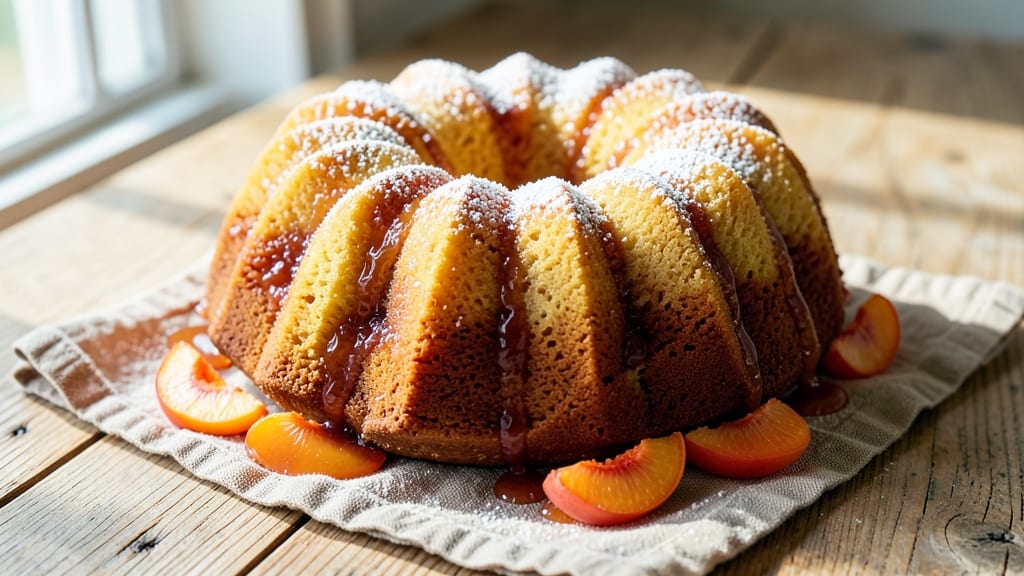
This apricot Bundt cake recipe delivers layers of spiced moistness topped with a bright citrus glaze that balances sweet and tangy flavors perfectly. The secret to achieving that signature tender crumb lies in precise mixing techniques and careful oven temperature control—no dry cake here.
I've perfected this recipe to ensure every slice stays juicy and flavorful, with apricot jam swirled throughout for that signature fruity depth.
The cake's foundation begins with a simple yet effective spice blend—cinnamon, nutmeg, and a touch of cardamom—that complements the apricot beautifully.
What makes this recipe stand out is the zesty citrus glaze, made with fresh lemon juice and powdered sugar, which adds a refreshing contrast to the warm spiced layers. This isn't just another Bundt cake; it's a showstopper that's as impressive to look at as it is to taste.
By the time you pull this cake from the oven, you'll have a moist, golden-brown masterpiece with a tender crumb and just the right amount of fruity sweetness. The glaze sets into a glossy finish that makes it perfect for gifting or serving at gatherings.
Whether you're baking for a special occasion or simply treating yourself, this recipe delivers restaurant-quality results with minimal fuss.
The best part? This cake keeps well for days, making it ideal for meal prep or holiday baking. Serve it warm with a scoop of vanilla ice cream or enjoy it at room temperature for a delightful dessert that's sure to impress.
Let's get baking—your kitchen will smell amazing in no time.
Ingredients for apricot bundt cake
Twelve ingredients for a showstopping Bundt cake with spiced layers and citrus glaze.
| Ingredient | Amount | Notes |
|---|---|---|
| All-Purpose Flour 🌾 | 2 ½ cups | Sifted for light texture |
| Granulated Sugar 🍚 | 1 ¾ cups | White or light brown |
| Apricot Jam 🍑 | 1 cup | High-quality, unsweetened preferred |
| Unsalted Butter 🧈 | 1 cup | Room temperature, full-fat |
| Large Eggs 🥚 | 2 whole | Room temperature for even mixing |
| Milk 🥛 | 1 cup | Whole milk for richness |
| Vanilla Extract 🌿 | 2 tsp | Pure, high-quality extract |
| Ground Cinnamon 🌶️ | 2 tsp | Freshly ground preferred |
| Ground Nutmeg 🌶️ | ½ tsp | Freshly grated for depth |
| Ground Cardamom 🌿 | ¼ tsp | Lightly toasted for aroma |
| Baking Powder 🍞 | 2 tsp | Aluminum-free for texture |
| Salt 🧂 | ½ tsp | Fine sea salt preferred |
| Powdered Sugar 🍚 | 2 cups | For glaze, sifted |
| Fresh Lemon Juice 🍋 | ¼ cup | Strained, no pulp |
| Lemon Zest 🍋 | 1 tbsp | Fine, for bright flavor |
The apricot jam is non-negotiable—Mott's or Welch's unsweetened varieties work best, but any high-quality jam with visible fruit pieces will do. Cardamom might be tricky to find, so check the spice aisle at Whole Foods or order online if needed. For the butter, Plugrá or Land O'Lakes are reliable choices, but any unsalted brand will work. The flour should be sifted with the dry ingredients to avoid lumps—this is where the tender crumb magic happens. I always measure my flour by spooning it into the cup and leveling it off, never scooping directly from the bag.
No cardamom? Skip it entirely—the cinnamon and nutmeg already bring warmth. Running low on lemon juice? Substitute lime juice at the same amount, though the flavor will shift slightly. For the glaze, powdered sugar is a must—it dissolves smoothly and creates that glossy finish. If you can't find unsweetened jam, reduce the sugar in the cake batter by 1/4 cup to balance the sweetness. The eggs should be at room temperature, so take them out of the fridge 30 minutes before mixing. For a richer cake, replace the milk with heavy cream.
This cake keeps beautifully—3-4 days at room temperature wrapped in plastic, or 1 week refrigerated. For longer storage, freeze the whole cake (unfrosted) for up to 3 months. The glaze sets at room temperature, so let it sit for 1 hour before slicing. I always bake mine in a 10-12 cup Bundt pan—if yours is smaller, reduce the batter by 10-15%. The aroma while baking? Worth every minute. Trust me, the kitchen will smell like heaven.
Why You'll Love This Recipe
- No Mixer Needed: I swear by this recipe when I’m in a hurry—just cream the butter and sugar, crack eggs, and fold in flour. The jam swirls in like magic, no fancy techniques required.
- Jam-Packed Flavor: That apricot jam isn’t just filling—it’s the star. The warm, fruity sweetness cuts through the buttery richness, giving every slice a burst of sunshine. (Yes, even if you use store-bought jam.)
- Brunch or Dessert: Serve it warm with whipped cream for a fancy brunch, or let it cool for a showstopping dessert. Honestly, I’ve even packed slices in lunches—trust me, coworkers notice.
- Leftovers That Last: This cake stays moist for days (yes, really), so I bake one and enjoy it over breakfast, coffee, or as an after-dinner treat. Budget-friendly? Absolutely—just $5 worth of ingredients.
Step-by-step instructions for apricot bundt cake
Here's how to create a perfectly moist apricot cake with a bright citrus glaze that ties everything together.
Prepare the Apricot Jam Filling
In a small saucepan, combine the 1 cup apricot jam with the 1 tablespoon lemon zest. Warm over medium-low heat for 3-4 minutes, stirring constantly until the jam is smooth and fragrant. Remove from heat and let cool completely—this prevents the filling from melting too quickly when you add it to the cake layers later.
I like to strain the jam through a fine-mesh sieve to remove any skin bits, but this is optional. The filling should be thick enough to hold its shape when spread, but still pourable. If it thickens too much as it cools, you can gently reheat it for 10-15 seconds to restore its consistency.
Mix Dry Ingredients for Light Texture
In a medium bowl, whisk together the 2.5 cups all-purpose flour, 2 teaspoons baking powder, 2 teaspoons ground cinnamon, 0.5 teaspoon ground nutmeg, 0.25 teaspoon ground cardamom, and 0.5 teaspoon salt. Sift the mixture through a fine-mesh sieve directly into another bowl to aerate the flour and prevent dense cake layers. The cardamom adds subtle warmth that pairs beautifully with the apricot's sweetness.
Set aside the dry ingredients—don't mix them with wet ingredients yet. This step ensures even distribution of leavening agents and spices throughout the batter, which is crucial for that tender, moist crumb we're aiming for in a bundt cake.
Cream Butter and Sugar for Maximum Moisture
In a large mixing bowl, beat the 1 cup unsalted butter and 1.75 cups granulated sugar together on medium speed for 3-4 minutes until light and fluffy. You'll notice the mixture nearly doubles in volume and becomes pale in color—this incorporates air that creates that perfect tender crumb. Scrape down the sides of the bowl with a spatula to ensure even mixing.
Add the 2 whole large eggs, one at a time, beating well after each addition. Then stir in the 1 cup milk and 2 teaspoons vanilla extract. The batter should be smooth and ribbon-like when you lift the beaters. This creaming process is what guarantees that moist texture we're after—don't rush it.
Combine Wet and Dry Ingredients
Gradually add the dry ingredients to the wet mixture in three parts, mixing on low speed just until combined after each addition. Be careful not to overmix—stop as soon as the flour disappears. Overmixing develops gluten, which can make the cake tough. The batter should be thick but pourable, like heavy pudding.
Divide the batter evenly between two 6-inch round cake pans (or one 10-inch bundt pan if making a single layer). Spread half of the apricot jam mixture over the batter in each pan, then gently swirl with a knife to create marbled patterns. Bake in a preheated 350°F oven for 25-30 minutes, or until a toothpick inserted comes out clean.
Prepare the Citrus Glaze
While the cakes are cooling, whisk together the 2 cups powdered sugar, 0.25 cup fresh lemon juice, and remaining 1 tablespoon lemon zest until smooth. The glaze should be thick enough to coat the back of a spoon but still drizzle easily. If it's too thick, add 1 teaspoon milk at a time until you reach the perfect consistency.
Once the cakes have cooled completely, place one layer on a serving plate and spread half of the glaze over the top. Add the second layer and drizzle with the remaining glaze. Let the glaze set for 10 minutes before slicing—this gives it time to firm up slightly for easier serving. The bright citrus notes cut through the rich apricot flavor perfectly.
Pro Tips For Making Apricot Bundt Cake
- Preheat to 325°F: This isn’t just a number—it’s the difference between a cake that rises evenly and one that cracks like a dry riverbed. Apricot jam adds moisture, so a lower temp prevents a domed, sad center. I learned this the hard way when my first batch collapsed like a soufflé.
- Warm the jam first: Cold jam thickens the batter and sinks like a rock. Microwave it for 10–15 seconds until it’s pourable but not boiling—just warm enough to blend smoothly. Trust me, your cake’s texture will thank you.
- Don’t overmix the batter: After adding the eggs, mix just until combined—lumps are fine, but overworking the flour turns the cake dense. I used to beat it like I was punishing it, and the result was a brick. Two minutes max with a spatula.
- Brush with jam after baking: The real flavor upgrade? A quick brush of warmed apricot jam over the cooled cake before serving. It’s the easiest way to make it taste like it came from a bakery, not your kitchen. (Yes, even if you’re impatient like me.)
Common mistakes when making this recipe
Overmixing the Batter
This is the #1 mistake that turns a tender bundt cake into a dense brick. Once you've added all the dry ingredients to your wet mixture, stop mixing immediately when the flour disappears. Overmixing develops gluten, which creates a tough, chewy texture instead of that light, airy crumb we want.
I've ruined many cakes by letting the mixer run just 30 seconds too long—trust me, your toothpick test will fail miserably. 💫
Skipping Room Temp Ingredients
Cold butter and eggs are the silent saboteurs of perfect bundt cakes. When butter and eggs are straight from the fridge, they don't incorporate properly, leading to uneven texture and potential cracks.
Take your eggs out 30 minutes before mixing and let your butter sit at room temperature until it's soft but still holds its shape. I keep my butter on the counter for about 1 hour before starting—this makes all the difference in that silky batter consistency.
Incorrect Oven Temperature
Bundt cakes are delicate—too hot and they'll bake too quickly on the outside while staying raw inside; too cool and they'll take forever to set properly. Always preheat your oven to exactly 350°F and use an oven thermometer to verify accuracy.
My oven runs about 15°F hotter than the dial setting, so I adjust accordingly. Most home ovens have hot spots—rotate your pan halfway through baking for even cooking.
Underfilling the Pan
The beauty of bundt cakes lies in their dramatic shape, but that means the batter needs to fill the pan completely to prevent sagging or uneven baking. If your batter doesn't quite reach the top, add 1-2 tablespoons of milk to thin it slightly.
I've seen cakes collapse dramatically when underfilled—it's a heartbreaking sight after all that work. The pan should be 80-90% full before baking for that perfect rise.
Premature Slicing
Patience is key with bundt cakes! Cutting into one too soon releases all that trapped steam, causing the cake to sink dramatically. Let your cake cool in the pan for 10 minutes, then transfer to a wire rack to cool completely (about 1 hour) before slicing.
I've seen cakes that looked perfect when pulled from the oven turn into sad, flat pancakes by the time they cooled. The glaze needs time to set too—wait at least 10 minutes after glazing before serving.
Using Low-Quality Jam
Not all apricot jams are created equal. Cheap jams with added fillers or excessive sugar can make your cake taste artificial and throw off the balance of flavors. Stick with Mott's unsweetened or Welch's varieties—they have visible fruit pieces that add natural sweetness and texture.
I once used a generic store brand and ended up with a cake that tasted more like syrup than fruit. The jam should be thick but pourable when heated—if it's too runny, simmer it longer to concentrate the flavors. 🍑
Nutrition facts
Frequently asked questions
Can I make this apricot bundt cake in a regular round pan instead?
You can absolutely adapt this recipe for a 9-inch round pan, but you'll need to adjust the baking time. Divide the batter evenly between two pans and bake for 25-30 minutes at 350°F. The layers will be thicker, so check for doneness with a toothpick. For the glaze, spread it between the layers instead of on top—this creates a more even coating. The texture will be slightly denser than a bundt cake but still delicious!
How do I store leftover apricot bundt cake?
Store your cake in an airtight container at room temperature for up to 3 days—the glaze will stay fresh and glossy. For longer storage, refrigerate for 1 week or freeze the whole cake (unfrosted) for up to 3 months. To serve from frozen, thaw overnight in the fridge and re-glaze before slicing. The flavors actually improve slightly after a day or two!
Can I substitute apricot jam with another fruit?
Yes! For a similar texture, try peach jam or plum jam—both pair beautifully with the spice blend. If using berry jams (like raspberry), reduce the sugar in the cake batter by 1/4 cup since they're often sweeter. For a tropical twist, mango or pineapple jam works well too. Just ensure it's unsweetened to maintain the perfect balance.
Why did my bundt cake sink in the middle?
This usually happens from overmixing or underfilling the pan. The batter should be thick but pourable—if it's too thin, the cake won't hold its shape. Also, ensure your pan is 80-90% full before baking. For next time, mix just until combined and use a 10-12 cup bundt pan for proper support. A toothpick test (clean when inserted) is your best friend!
Can I make this cake gluten-free?
Replace the all-purpose flour with a 1:1 gluten-free baking flour blend (like Bob's Red Mill) and add 1/2 teaspoon xanthan gum to improve texture. You may need to adjust the liquid slightly—start with 1/4 cup more milk if the batter seems too thick. The cake will be slightly denser but still moist and delicious. Always check your gluten-free flour's instructions for best results!