
Desserts
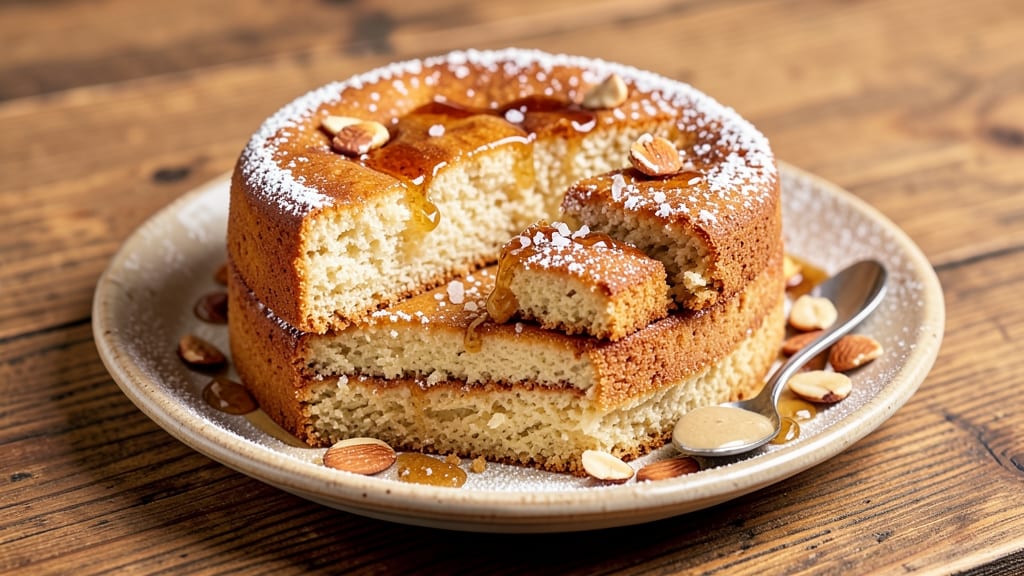
This anytime almond cake delivers moist crumb and rich nutty flavor without requiring chilling or special prep—perfect for spontaneous dessert cravings. The secret lies in almond flour and a simple syrup technique that keeps it tender for days, not just hours.
I developed this recipe after years of baking dry, crumbly almond cakes that needed to be eaten immediately.
The recipe uses just 8 ingredients and comes together in 20 minutes of active time, with no standing around waiting for chilled batter. Almond extract and toasted almonds create that signature marzipan-like flavor without being overwhelming.
The cake maintains its moisture at room temperature, making it ideal for office parties, last-minute guests, or when you simply can't wait another minute for dessert.
What you'll end up with is a golden, slightly domed cake with a fine, even crumb and subtle almond aroma that fills your kitchen. Each slice offers a perfect balance of nutty richness and delicate sweetness, with no aftertaste of almond flour.
The texture stays moist for 5 days when stored properly, though I promise it won't last that long.
This recipe works equally well as a breakfast cake with coffee or as an afternoon treat with tea. The simplicity of the ingredients means you likely already have everything on hand—no specialty baking tools required. Let's get started on a cake that's truly anytime-ready.
Ingredients for anytime almond cake
Eight simple ingredients create a cake that stays moist and nutty for days, not hours.
| Ingredient | Amount | Notes |
|---|---|---|
| Almond Flour 🌰 | 2 ½ cups | Finely ground, unsweetened preferred |
| All-Purpose Flour 🌾 | ½ cup | For structural balance |
| Granulated Sugar 🍚 | 1 cup | White or light brown preferred |
| Almond Extract 🌿 | 1 tbsp | Pure, high-quality preferred |
| Unsalted Butter 🧈 | 1 cup | Cold, cubed for even mixing |
| Large Eggs 🥚 | 2 whole | Room temperature for best results |
| Vanilla Extract 🌸 | 1 tsp | Pure vanilla preferred |
| Baking Powder 🧂 | 1 tsp | Aluminum-free preferred |
| Salt 🧂 | ¼ tsp | Fine sea salt preferred |
| Toasted Sliced Almonds 🌰 | ½ cup | For garnish and texture |
| Water 💧 | ¼ cup | For simple syrup |
Almond flour is the star here—opt for finely ground, unsweetened from King Arthur or Bob's Red Mill for consistent texture. The toasted sliced almonds should be lightly browned, not burnt, for that signature crunch. If you're using store-bought almond flour, check the expiration date—it absorbs moisture quickly. Room-temperature eggs are non-negotiable for proper leavening, so take them out 15 minutes before mixing. The unsalted butter must be cold; if it's too soft, chill it for 15 minutes before creaming.
No almond extract? Vanilla bean paste at double the amount works beautifully, though you'll lose some signature almond flavor. Substituting almond flour? Oat flour at the same weight keeps the cake moist but alters texture slightly. For the simple syrup, honey or maple syrup can replace sugar, but adjust liquid to maintain balance. The baking powder should be fresh—if it's over a year old, test it by mixing with water to see if it bubbles. Diamond Crystal baking powder is the gold standard for reliable rise.
This cake thrives at room temperature—wrap tightly in plastic wrap for up to 5 days to maintain moisture. For longer storage, freeze slices for up to 3 months in an airtight container. The toasted almonds can be prepped ahead and stored in a sealed container for 2 weeks. Reheat slices at 300°F for 5 minutes to restore freshness. The simple syrup technique ensures the crumb stays tender, so don't skip it—it's the secret to that restaurant-quality texture.
Why You'll Love This Recipe
- No Mixing Madness: I swear by this recipe because it’s more like folding than mixing—just cream butter and sugar, then gently combine dry ingredients. The almond flour keeps it tender without overworking, and the almond extract adds depth in one whisper of a splash.
- Buttery-Almond Magic: That first bite? Warm, slightly crisp edges with a melt-in-your-mouth center—thanks to the butter and almond flour working together. The almond extract isn’t overpowering; it’s like a cozy hug of flavor, especially with a dusting of powdered sugar.
- Breakfast or Dessert: Honestly, I’ve served this for brunch with berries, as a snack with tea, and even as a midnight treat. The neutral sweetness lets it play nice with anything, and the texture holds up whether you eat it warm or at room temp.
- Leftovers? No Problem: This cake stays moist for days, so I often bake a batch on Sunday and slice it throughout the week. No sad, dry edges here—the almond flour keeps it rich, and the butter ensures it doesn’t turn into a brick. Budget win, too—it’s cheaper than buying a fancy almond cake from the bakery.
Step-by-step instructions for anytime almond cake
Master this method and you'll achieve a perfectly moist almond cake with a delicate crumb every time.
Prepare the Simple Syrup and Toast Almonds
In a small saucepan, combine the 0.25 cup water and 1 cup granulated sugar. Bring to a gentle boil over medium-high heat, stirring until the sugar fully dissolves. Let the syrup cool to room temperature—this prevents steaming when added to the batter later.
While the syrup cools, toast the 0.5 cup toasted sliced almonds in a dry skillet over medium heat for 3-4 minutes until fragrant and golden. Set aside to cool completely before using. The toasted almonds add texture contrast and enhance the nutty flavor profile of the cake.
Cream Butter and Sugar for Maximum Moisture
In a stand mixer fitted with the paddle attachment, beat the 1 cup unsalted butter and 1 cup granulated sugar on medium speed for 3-4 minutes until light and fluffy. You'll know it's ready when the mixture nearly doubles in volume and becomes pale in color—this incorporates air that creates a tender crumb.
I press the paddle against the bowl occasionally to ensure even mixing, especially with the cold butter. The goal is to create a smooth, airy base that will yield a moist cake rather than a dense one. If the mixture looks grainy, increase the speed to high for 10 seconds to fully emulsify.
Incorporate Wet Ingredients and Almond Extract
Add the 2 whole large eggs, one at a time, mixing on low speed for 30 seconds after each addition until fully incorporated. Then add the 1 tbsp almond extract and 1 tsp vanilla extract, mixing for another 30 seconds on low speed. The almond extract is potent—don't overdo it, but don't skimp either.
With the mixer still running on low speed, gradually add the cooled simple syrup. This step is critical for moisture—it keeps the cake tender rather than dry. Scrape down the sides of the bowl to ensure all ingredients are fully combined before moving to the dry ingredients.
Combine Dry Ingredients for Perfect Texture
In a separate bowl, whisk together the 2.5 cups almond flour, 0.5 cup all-purpose flour, 1 tsp baking powder, and 0.25 tsp salt. Sift the mixture twice through a fine-mesh sieve to aerate the flours and prevent a dense texture. This step ensures an even distribution of leavening and prevents lumps in the final batter.
With the mixer on low speed, gradually add the dry ingredients to the wet mixture. Mix just until combined—overmixing develops gluten and creates a tough cake. The batter should be thick but pourable. Fold in the toasted sliced almonds by hand using a silicone spatula to distribute them evenly throughout.
Bake to Golden Perfection
Preheat your oven to 350°F and grease an 8-inch round cake pan or line it with parchment paper. Pour the batter into the prepared pan and smooth the top with a spatula. Bake for 30-35 minutes until a toothpick inserted into the center comes out clean and the edges are golden brown.
I like to tap the pan gently on the countertop after 25 minutes to check for doneness—this helps prevent overbaking. Let the cake cool in the pan for 10 minutes before transferring to a wire rack to cool completely. The internal temperature should read 200°F when done for a perfectly moist crumb.
Pro Tips For Making Anytime Almond Cake
- WEIGH THE FLOURS: I learned this the hard way—spooning almond flour straight from the bag packs it too tightly, and your cake turns out dense. Use a kitchen scale for both flours (almond and all-purpose) and scoop lightly, then level with a knife. The difference in texture is night and day.
- CREAM THE BUTTER COLD: Don’t let that unsalted butter get soft before mixing—take it straight from the fridge and beat it with the sugar until it’s just starting to lighten. Cold butter creates air pockets that make the cake tender, not greasy. (Yes, even if you're impatient like me.)
- DON’T OVERMIX THE BATTER: Once you fold in the dry ingredients, stop as soon as they’re just combined. Overmixing develops gluten in the all-purpose flour, turning your delicate almond cake into a tough, chewy mess. Two turns with a spatula is all it takes—promise.
- USE A THERMOMETER: Skip guessing when the cake is done. The center should hit 205°F (96°C) for a perfectly moist crumb. If you rely on the toothpick trick, you’ll end up with a dry cake—almond flour soaks up moisture fast, so pull it out early if you’re not checking temp.
Flavor customization for this dish
Citrus Brightness
Add 1 tsp lemon zest and 1 tbsp lemon juice to the batter for a refreshing twist that cuts through the richness. The citrus enhances the almond flavor while adding a subtle tartness that balances the sweetness.
I like to pair this variation with a dusting of powdered sugar and orange slices on top for a springtime vibe. 🌸
Chocolate Indulgence
Fold in ½ cup melted dark chocolate (60-70% cocoa) with the wet ingredients for a decadent twist. The chocolate melts into the batter beautifully, creating pockets of rich flavor.
I recommend using Valrhona cocoa powder if you prefer a more refined chocolate taste. This version feels indulgent but maintains the cake's signature moist texture.
Spiced Warmth
Incorporate ½ tsp cinnamon and ¼ tsp cardamom with the dry ingredients for a cozy, aromatic variation. The spices complement the almond flavor without overpowering it. A sprinkle of ground cinnamon on top before baking adds visual appeal and extra warmth.
Perfect for fall or winter gatherings when you want something comforting yet elegant. 🌶️
Fruit Infusion
Fold in ½ cup finely chopped dried apricots or raspberries during the final mixing stage for natural sweetness and texture. The fruit adds moisture and prevents the cake from becoming too dense.
I prefer dried apricots because they hold their shape better, but fresh berries work too if you reduce the sugar slightly. This variation is especially lovely with a dollop of whipped cream on top.
Coffee Boost
Add 1 tbsp instant coffee granules dissolved in the simple syrup for a sophisticated coffee-almond flavor profile. The coffee enhances the nutty notes while adding depth. This version pairs beautifully with a cold brew drizzle or a dusting of cocoa powder.
It's a great choice for breakfast cakes or afternoon coffee breaks. ☕
Coconut Twist
Replace ½ cup almond flour with coconut flour and add ¼ cup shredded coconut to the batter for a tropical-inspired variation. The coconut flour requires an extra 1 egg white to bind properly, but the result is a cake with a subtle coconut aroma.
Toast the shredded coconut lightly before adding it for extra crunch. This version works wonderfully with a mango glaze for a vibrant finish.
Nutrition facts
Frequently asked questions
Can I make this almond cake without almond extract?
Yes! You can substitute with 1.5 teaspoons vanilla bean paste or 1 teaspoon marzipan paste (if available) for a similar flavor profile. For a different twist, try ½ teaspoon orange zest instead—it adds brightness that complements the nutty notes beautifully. Just remember, almond extract is what gives this cake its signature taste!
Why does my almond cake turn out dry or crumbly?
Dryness usually happens from overbaking or using old almond flour. Always bake until a toothpick comes out clean (around 30-35 minutes at 350°F) and check for doneness at 25 minutes. For moisture, ensure your almond flour is fresh (check the expiration date) and don't overmix the batter. The simple syrup is also key—it keeps the crumb tender for days!
How can I make this cake gluten-free?
Replace the 0.5 cup all-purpose flour with 0.5 cup gluten-free 1:1 baking flour (like Bob's Red Mill or King Arthur). For best results, also add ½ teaspoon xanthan gum to the dry ingredients. The texture will be slightly denser but still moist. Almond flour is naturally gluten-free, so no other substitutions are needed there!
Can I bake this in a different pan shape?
Yes! For an 8-inch square pan, reduce baking time by 5 minutes. A 9-inch round pan may need 5-10 extra minutes depending on your oven. Always use the toothpick test to check doneness. The batter volume stays the same, so just adjust for pan size—no need to change ingredient amounts!
Is this cake good for meal prep?
This recipe was designed for convenience. Store slices in an airtight container at room temperature for 5 days or freeze for 3 months. Reheat individual slices at 300°F for 5 minutes to restore freshness. The simple syrup technique ensures it stays moist even after storage—perfect for busy schedules!