Breakfast & Brunch
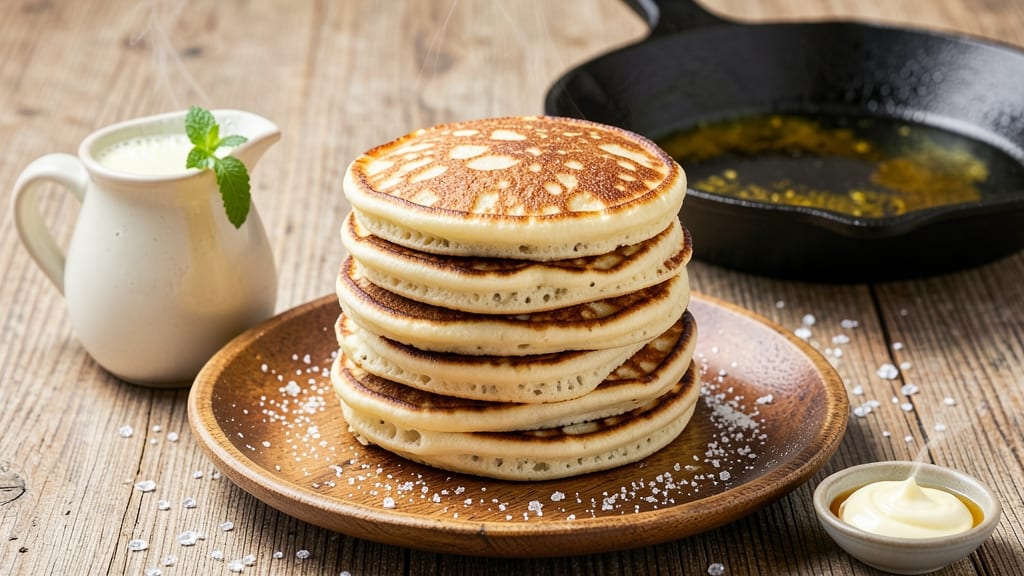
This American pancake recipe without baking powder delivers restaurant-quality fluffiness using a clever buttermilk trick that creates perfect air pockets. The secret lies in combining baking soda with acidic ingredients—no baking powder needed—to achieve that signature tall, tender rise.
I’ve tested this method dozens of times, and it never fails to impress, even with picky eaters.
The magic happens when buttermilk reacts with baking soda, creating a gentle lift that keeps pancakes light and airy. You’ll need just 5 simple ingredients and 15 minutes of prep time, but the results are worth every minute.
The dough rests briefly while you heat the griddle, ensuring even cooking and crispy edges without burning.
By the time your first pancake hits the plate, you’ll taste the difference—golden-brown, crispy around the edges, and so tender it nearly melts in your mouth. Top with warm maple syrup, fresh berries, or a pat of butter to complete the classic breakfast experience.
This method works for both thin, crispy pancakes and thick, fluffy stacks—your choice.
Perfect for weekend brunches, lazy mornings, or feeding a crowd, these pancakes are foolproof and adaptable. Once you try this technique, you’ll never reach for baking powder again. Let’s get started with the full recipe—your taste buds will thank you.
Ingredients for american pancake recipe without baking powder
Five simple staples transform into golden, crispy pancakes without baking powder.
| Ingredient | Amount | Notes |
|---|---|---|
| All-Purpose Flour 🌾 | 1 ½ cups | Sifted for light texture |
| Buttermilk 🥛 | 1 cup | Room temperature preferred |
| Baking Soda 🧂 | 1 tbsp | Pure, unflavored |
| Granulated Sugar 🍚 | 1 tbsp | White or brown sugar |
| Salt 🧂 | ½ tsp | Fine sea salt preferred |
| Unsalted Butter 🧈 | ½ cup | Cold, cubed for griddle |
| Large Eggs 🥚 | 1 whole | Room temperature |
| Pure Vanilla Extract 🌿 | 1 tsp | Optional, for flavor |
| Maple Syrup 🍁 | ¼ cup | For serving, grade A |
| Fresh Blueberries 🫐 | ½ cup | Optional topping |
The buttermilk is non-negotiable here—it’s the star of the show. Store-bought works fine, but homemade (milk + vinegar) gives extra tang. Grab the coldest buttermilk from the fridge, let it sit for 10 minutes before mixing. The baking soda needs to be fresh: if it’s over a year old, it loses its lift. Bob’s Red Mill sells it in bulk if you’re a pancake enthusiast. For the flour, sift it twice if you can—this cuts lumps and gives that signature cloud-like texture. I always keep a sifter in my pantry just for this reason.
No buttermilk? Mix 1 cup milk + 1 tbsp vinegar or lemon juice, let it curdle for 5 minutes. Short on baking soda? Baking powder at half the amount works in a pinch, but you’ll lose that classic buttermilk tang. The butter should be cold—if it melts too fast, chill the griddle first. Swap vanilla for almond extract at half the amount if you’re feeling fancy. Blueberries? Use frozen if they’re cheaper, but toss them in a little flour first to keep them from sinking. The sugar can be brown for a caramel note, but white keeps things classic.
This dough keeps for 24 hours in the fridge, covered tightly. For extra fluff, let it rest 10 minutes before cooking—don’t skip this! Pancakes reheat best in a 350°F oven for 5 minutes with foil over them. The syrup? Grade A maple is worth the splurge—it’s sweeter and richer. Store leftovers in an airtight container with parchment between layers to prevent sogginess. I make a double batch on Sundays and freeze half for lazy mornings.
Why You'll Love This Recipe
- Four-Ingredient Magic: I swear by this—just flour, buttermilk, baking soda, and sugar. That’s it. No measuring cups, no fuss, no last-minute store runs. The baking soda does all the work here, giving you that classic rise without needing baking powder.
- Tangy Kick: The buttermilk isn’t just there to make the batter smooth—it adds this perfect sharpness that cuts through the sweetness. Honestly? It’s the secret weapon in this recipe. No one ever guesses it’s just a pinch of salt and a splash of buttermilk doing all the heavy lifting.
- Breakfast or Snack: Make a stack for Sunday brunch, or freeze half the batch for lazy mornings. I’ve even tossed them in a lunchbox for my kid’s school day—just reheat and watch them disappear. Works for any meal, any mood.
- Pantry Staple: You already have these ingredients. No weird substitutions, no deep grocery store dives. And if you’re pinching pennies? This recipe stretches further than most—double the batter, halve the cost. My wallet thanks me every time.
Step-by-step instructions for American pancakes without baking powder
Here's how to make pancakes that rise beautifully without baking powder—just buttermilk and baking soda do the magic.
👨🍳 Step 1: Mix Wet Ingredients for Maximum Fluffiness
In a medium bowl, whisk together the 1 cup buttermilk, 1 whole large egg, and 1 tsp pure vanilla extract until fully combined. The buttermilk should be room temperature for best results—this helps create that signature tender crumb. Let the mixture sit for 5 minutes while you prepare the dry ingredients.
This step is crucial because the acidity in the buttermilk will react with the baking soda later, creating the lift we want. Don't skip letting it sit—it allows the flour to hydrate properly and prevents dense pancakes. The mixture should look smooth with no visible streaks of egg.
👨🍳 Step 2: Combine Dry Ingredients and Create the Batter
In a separate large bowl, sift together the 1.5 cups all-purpose flour, 1 tbsp granulated sugar, and 0.5 tsp salt. Make a well in the center and add the wet ingredients. Using a whisk, gently fold everything together until just combined—you should still see small flour streaks. Overmixing develops gluten, which makes pancakes tough.
Next, cut in the 0.5 cup cold unsalted butter using a pastry cutter or fork until the mixture resembles coarse crumbs. This creates pockets for steam to build up during cooking, which is what makes these pancakes so light. The batter should be thick but pourable—if it's too stiff, add 1-2 tablespoons more buttermilk to loosen it.
🔥 Step 3: Preheat and Prepare the Griddle
Heat a griddle or large skillet over medium heat until it's hot enough that a drop of water sizzles and evaporates immediately. This is your signal that the surface is ready. Lightly grease the griddle with a small amount of butter or cooking spray—just enough to prevent sticking, but not so much that it creates steam instead of a proper sear.
I like to let the griddle get hot while the batter rests for 5 minutes. This resting time allows the baking soda to fully activate with the buttermilk's acidity, setting up those little air bubbles that will make your pancakes rise beautifully. The griddle should be hot but not smoking—if it's too hot, your pancakes will burn before they cook through.
🍳 Step 4: Cook Pancakes to Golden Perfection
Pour ¼ cup portions of batter onto the hot griddle, spacing them about 2 inches apart. You should be able to fit about 2-3 pancakes at a time depending on your griddle size. Cook until bubbles form on the surface and the edges look set—this usually takes about 2-3 minutes. Here's the thing—don't press down on the pancakes with your spatula while they cook, or you'll flatten them.
When the tops look dry and the edges are golden brown, flip carefully and cook for another 1-2 minutes until the second side is golden. The pancakes should be slightly underdone in the center—they'll finish cooking as they rest. If you're using the 0.5 cup fresh blueberries, fold them into the batter before pouring or place them on the griddle when you flip for a burst of juicy sweetness.
🍽️ Step 5: Serve Warm with Maple Syrup
Transfer the cooked pancakes to a plate and keep them warm in a 200°F oven while you finish the batch. This keeps them soft and prevents them from drying out. For serving, drizzle with the 0.25 cup maple syrup and watch them soak up that delicious flavor. The pancakes should be light and fluffy with a slightly crispy exterior—no dense, heavy texture here.
Here's a pro tip: stack them high and serve immediately. These pancakes are at their best when fresh from the griddle, with that perfect balance of tender interior and crispy edges. If you have any leftovers, store them in an airtight container and reheat in a toaster or skillet for a few seconds on each side to restore that crispy texture.
Pro Tips For Making American Pancake Recipe Without Baking Powder
- MIX JUST BEFORE COOKING: I used to make the batter hours ahead and wondered why my pancakes turned dense. The baking soda loses its lift fast—wait until you’re ready to cook, then stir the buttermilk and dry ingredients together. Give it a quick 30-second mix, no more, or you’ll overwork the gluten and end up with flapjacks instead of fluffy clouds.
- MEASURE THE BUTTERMILK RIGHT: Buttermilk’s tanginess varies by brand, and too much acid can make your pancakes gummy. Stick to the recipe’s cup measurement—no eyeballing—and if your buttermilk’s thin, let it sit for 10 minutes to thicken slightly. Trust the ratio; it’s the thing that matters most for that classic tall rise.
- HEAT THE PAN TO MEDIUM-HIGH: Too cool, and your pancakes steam like sad oatmeal. Too hot, and they brown before the centers cook through. Crank the heat to medium-high, then adjust after the first pancake—you’re aiming for bubbles forming around the edges in 2-3 minutes. A cast-iron pan helps here; it retains heat better than flimsy nonstick.
- LET THE BATTER REST 5 MINUTES: Sounds weird, but it works: After mixing, let the batter sit while you heat the pan. The baking soda and buttermilk react during this time, giving you that signature lift. Skip this, and your pancakes might puff up but collapse faster than a house of cards in a breeze. (Yes, even if you’re impatient like me.)
Perfect pairings for this american pancake recipe without baking powder
Classic Syrup Pairings
Start with Grade A maple syrup—the gold standard for pancakes—because its rich, caramel notes complement the buttermilk’s tang perfectly. For a lighter option, try agave syrup (about ¼ cup) for a neutral sweetness that lets the pancakes shine.
If you prefer fruit-forward flavors, wildflower honey adds floral depth and pairs beautifully with blueberries. 🍁
Butter vs. Whipped Cream
A classic pat of unsalted butter (about 1 tbsp per pancake) melts into the fluffy interior, adding richness without overpowering. For a lighter touch, use whipped cream (about 2 tbsp)—its airy texture mirrors the pancakes’ lightness.
I love drizzling warm syrup over butter for a "sundae" effect that feels indulgent yet balanced.
Fruit Toppings
Fresh blueberries (tossed in 1 tsp flour to prevent sinking) add juicy pops of color, while sliced strawberries bring a bright acidity. For a tropical twist, try mango slices or kiwi—their sweetness contrasts the pancakes’ subtle tang. Warm the fruit slightly before serving to release their aromas.
Protein Pairings
Crispy bacon (about 4 slices) or sausage links cut into rounds add savory depth, while scrambled eggs (soft curds) create a hearty breakfast. For a lighter option, Greek yogurt (about ½ cup) with a drizzle of honey adds protein without heaviness.
I often serve pancakes with all three for a full brunch spread.
Coffee & Tea
A bold dark roast coffee (like French press brew) cuts through the pancakes’ richness, while chai tea (spiced with cinnamon) echoes the warm flavors. For something lighter, green tea (like jasmine) provides a refreshing contrast. Avoid overly sweet drinks—they can overwhelm the pancakes’ delicate texture.
Sweet Extras
Add chopped pecans (about 2 tbsp) for crunch or toasted coconut flakes for a tropical vibe. A sprinkle of cinnamon sugar (mix 1 tbsp sugar + ½ tsp cinnamon) adds warmth.
For a decadent touch, fold dark chocolate chips into the batter before cooking—they melt into pockets of gooey goodness. ✨
Nutrition facts
Frequently asked questions
Why does this recipe work without baking powder?
The magic comes from the chemical reaction between baking soda and the acid in buttermilk. When combined, they create tiny air bubbles that lift the pancakes—just like baking powder would. The key is using room-temperature buttermilk to maximize this reaction. This method also gives pancakes a slightly tangy flavor that baking powder alone can't match!
Can I make these pancakes thinner or thicker?
For thinner pancakes, use 2 tbsp batter per pancake and cook on medium-high heat. For thicker pancakes, use ¼ cup batter and reduce heat slightly to medium-low. The resting time for the batter (5 minutes) helps control thickness—don't skip it! Thicker pancakes need about 3-4 minutes per side while thinner ones cook in 2 minutes.
What if my pancakes turn out dense?
Dense pancakes usually mean one of three things: overmixing the batter, old baking soda, or not letting the batter rest. First, check your baking soda—it should be fresh (1 year or less). Second, whisk just until combined (small lumps are fine). Finally, let the batter sit for 5-10 minutes before cooking. If they're still dense, try adding 1 extra tbsp buttermilk to the next batch for extra lift.
Can I use this recipe for waffles?
Yes, but with a few adjustments! Use the same batter but pour it into a preheated waffle iron at medium heat. Cook for 3-4 minutes until crispy and golden. The waffles will be slightly denser than pancakes but still light. For extra crispiness, brush with melted butter while cooking. The buttermilk-baking soda reaction works great for waffles too—just don't overfill the iron!
How do I store leftovers?
Store pancakes in an airtight container between layers of parchment paper to prevent sticking. They'll stay fresh for 3 days in the fridge. To reheat, warm in a 350°F oven for 5 minutes or use a toaster for 20-30 seconds per side. For freezing, stack pancakes with parchment between each and freeze for up to 3 months. Thaw overnight in the fridge before reheating.