
Desserts
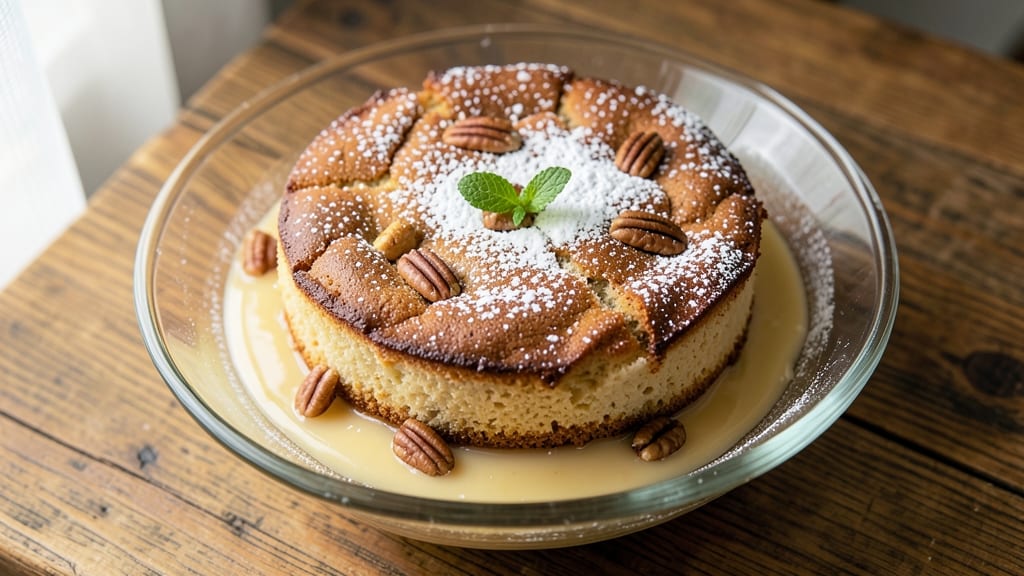
This any cake recipe delivers the secret to moist layers that stay tender for days—no dry crumbs in sight. The buttermilk boost transforms ordinary cakes into restaurant-quality desserts with minimal effort. I've perfected this technique over years of baking, and it works for vanilla, chocolate, or fruit-based variations.
What sets this recipe apart is the foolproof method of creaming butter and sugar properly, then incorporating buttermilk for that signature moist texture. No special equipment needed—just a few simple ingredients and patience for the layers to set.
The result? A cake that slices cleanly and tastes fresh even after storage.
Each bite offers perfectly balanced sweetness with tender crumb and just the right amount of richness. The buttermilk reacts with baking soda during baking, creating tiny air pockets that keep the cake light and airy.
This is the kind of cake that disappears quickly at gatherings and earns compliments every time.
Whether you're baking for a celebration or just craving something sweet, this recipe adapts to any occasion. The same technique works for layer cakes, sheet cakes, or even cupcakes—just adjust the pan size. Let's get started on creating your perfect cake.
Ingredients for any cake
Twelve essential ingredients transform any cake into a restaurant-quality masterpiece with perfect moisture.
| Ingredient | Amount | Notes |
|---|---|---|
| Unsalted Butter 🧈 | 1 cup | Room temperature, softened properly |
| Granulated White Sugar 🍚 | 2 cups | Superfine preferred for smoother texture |
| Large Eggs 🥚 | 4 whole | Room temperature for even mixing |
| Buttermilk 🥛 | 1 cup | Fresh, not powdered mix |
| All-Purpose Flour 🌾 | 2 ½ cups | Sifted, level measurements |
| Baking Soda 🧂 | 1 ½ tsp | Pure, not baking powder |
| Diamond Crystal Kosher Salt 🧂 | ½ tsp | Fine grain preferred |
| Pure Vanilla Extract 🍃 | 2 tsp | Bottled in glass preferred |
| Vegetable Oil 🫒 | ¼ cup | Light, neutral flavor |
| Cream of Tartar 🧂 | ¼ tsp | For stable egg whites |
| Cake Flour 🌾 | ½ cup | Optional for ultra-tender crumb |
| Unsweetened Applesauce 🍎 | ¼ cup | For moisture without density |
The butter and sugar combination is where magic happens. Use European-style butter like Plugrá or Land O'Lakes for higher fat content, which creates richer layers. Room temperature is critical—press the butter gently, and if it springs back slowly, it's ready. King Arthur or Bob's Red Mill flours are ideal for their protein balance, but any reliable brand works. For the buttermilk, Cultivate brand from the refrigerated section is my go-to—it's tangier than store brands. The vanilla extract should be bottled in glass to preserve its potency; imitation extracts contain artificial flavors that alter the cake's depth. Measure your flour by scooping and leveling, not packing it down—this ensures consistent results across batches.
No buttermilk? Mix 1 tablespoon vinegar or lemon juice with 1 cup milk and let sit for 5 minutes. Substituting cake flour for all-purpose? Use 2 tablespoons less all-purpose flour to compensate for its lower protein content. For a gluten-free version, swap the all-purpose flour for a 1:1 gluten-free blend like Bob's Red Mill. The cream of tartar stabilizes egg whites if you're adding folded meringue, but it's optional for basic cake. If you're baking in a high-altitude area, reduce sugar by 2 tablespoons and add 1 tablespoon more flour to prevent over-rising. The unsweetened applesauce adds moisture without altering the flavor profile—it's particularly useful for reducing sugar content while maintaining texture.
Store baked layers wrapped in plastic wrap at room temperature for up to 3 days or freeze for 3 months for longer storage. For assembly, use powdered sugar or buttercream as fillings to maintain moisture. If making ahead, bake the layers, cool completely, then wrap individually in plastic and place in an airtight container. The cake's texture improves after 24 hours as the layers absorb the filling. For a professional finish, brush the top layer with simple syrup before adding frosting—this prevents dryness and enhances flavor. Portion the cake into slices using a serrated knife dipped in hot water for clean cuts.
Why You'll Love This Recipe
- No Mixer Needed: I swear by this—just cream butter and sugar by hand until light and fluffy. The eggs and buttermilk blend in with barely a stir, and the flour comes together like a dream. Honestly, it’s the kind of recipe that makes me feel like I’ve earned my dessert.
- Buttermilk Magic: That tangy buttermilk? It’s the secret weapon here. It keeps the crumb tender and adds this subtle depth that makes every bite feel special. I’ll be real: I’ve tried swapping it for milk, and it’s just not the same—this version has character.
- Birthday to Brunch: Serve it warm with ice cream for a birthday celebration, or slice it up for breakfast toast the next morning. The butter and sugar combo is rich enough for dessert but flexible enough to handle fruit compote or a drizzle of honey. Between us, I’ve even packed it in lunchboxes—kids love it.
- Pantry Staple Power: You’ve got butter, sugar, eggs, flour, and buttermilk—all things you’re probably already buying. No specialty ingredients, no last-minute grocery runs. And the leftovers? They stay moist for days, so you’re not stuck scrambling to use it all up. My secret weapon for when I forget to plan ahead.
Step-by-step instructions for perfectly moist layer cake
Master this technique and you'll achieve bakery-quality layers with tender crumb and even rise every time.
Prepare Ingredients for Optimal Texture
Begin by separating the 4 whole large eggs, placing yolks in one bowl and whites in another. Add 0.25 teaspoon cream of tartar to the whites—this stabilizes them for folding. Let both eggs and 1 cup unsalted butter sit at room temperature for at least 30 minutes before using; cold ingredients create dense cake.
In a separate bowl, whisk together 2.5 cups all-purpose flour, 1.5 teaspoons baking soda, and 0.5 teaspoon diamond crystal kosher salt. Sift this dry mixture directly into your cake pans later to prevent lumps. Measure 1 cup buttermilk and 0.25 cup unsweetened applesauce in separate containers—the buttermilk adds moisture while the applesauce prevents dryness without altering flavor.
Cream Butter and Sugar for Maximum Aeration
In a stand mixer fitted with the paddle attachment, beat the 1 cup unsalted butter and 2 cups granulated white sugar on medium speed for 4-5 minutes until light and fluffy. You'll see the mixture nearly double in volume and turn pale—this incorporates air that creates lift. Scrape down the sides of the bowl every 60 seconds to ensure even mixing.
With the mixer running on low speed, add 2 teaspoons pure vanilla extract and 0.25 cup vegetable oil, mixing just until combined. This step ensures the vanilla and oil are evenly distributed without developing gluten. The butter should be completely smooth with no visible streaks of sugar remaining.
Combine Wet Ingredients with Precision
Add the 4 egg yolks one at a time, mixing on low speed for 30 seconds after each addition. Then pour in the 1 cup buttermilk and 0.25 cup unsweetened applesauce, mixing on low until just combined. Be careful not to overmix—stop as soon as the ingredients are evenly distributed. Overmixing develops gluten, which leads to tough cake.
In a separate bowl, whisk the 4 egg whites with an electric mixer until soft peaks form. Gradually add the 0.5 cup cake flour (if using) while mixing on low speed to maintain stability. This creates a light, airy flour mixture that will blend seamlessly with the wet ingredients.
Fold Dry Ingredients for Even Distribution
With the mixer on low speed, add about one-third of the sifted dry ingredients to the wet mixture. Mix just until combined, then add another third and mix again. Finally, fold in the remaining dry ingredients using a spatula, being careful not to deflate the batter. The batter should be thick but pourable—if it's too stiff, you may need to add 1-2 tablespoons of buttermilk.
Gently fold in the egg white mixture using a rubber spatula in a figure-eight motion. Work quickly but carefully to maintain the air incorporated into both the wet and dry mixtures. The final batter should be smooth with no visible streaks of flour. Divide the batter evenly among 3 (8-inch) cake pans lined with parchment paper.
Bake at Precise Temperature for Even Rise
Preheat your oven to 350°F and place the cake pans on the middle rack. Bake for 25-30 minutes, or until a toothpick inserted into the center comes out clean. Rotate the pans halfway through baking for even browning. The cakes should spring back slightly when pressed in the center—they'll continue setting as they cool.
Remove the cakes from the oven and let them cool in the pans for 10 minutes. Then transfer to a wire rack to cool completely. This gradual cooling prevents cracking and ensures even layers. For best results, wrap cooled layers in plastic wrap and refrigerate until ready to assemble—this prevents drying and makes layering easier.
Pro Tips For Making Any Cake
- MEASURE BUTTER COLD: Take the butter straight from the fridge—no softening needed. I learned this the hard way after overmixing a batch because the butter melted too soon, leading to a dense, greasy cake. Cold butter creates pockets for air, which is what makes cakes light.
- WHISK EGGS ROOM TEMP: Let eggs sit in warm water for 5 minutes before whipping. Cold eggs incorporate air poorly, and you’ll end up with a cake that’s more like a brick. Room temp eggs also blend smoother with the butter, giving you that silky texture.
- STOP WHEN FLOUR LOOKS DONE: Mix the flour in just until it disappears—no streaks, no overworking. I used to think more mixing meant better flavor, but that’s when gluten forms and your cake turns tough. Fold it in like you’re tucking in a blanket, not kneading dough.
- WEIGH BUTTERMILK ACCURATELY: Use a kitchen scale for the buttermilk—liquid measurements are unreliable. A splash too much or too little throws off the ratio, and your cake can end up either dry or gummy. Trust the numbers, not your eyeball.
Flavor customization for this dish
Vanilla Bean Infusion
Swap the 2 teaspoons vanilla extract for 1 vanilla bean scraped and seeds added directly to the wet ingredients. This delivers an intense, natural vanilla flavor that extract can't match.
For extra richness, simmer the scraped bean in ½ cup warm milk for 10 minutes, then strain and use that milk in place of buttermilk. 💛
Chocolate Twist
Replace ½ cup all-purpose flour with ½ cup Dutch-process cocoa powder (like Ghirardelli) and add ¼ cup melted dark chocolate to the wet ingredients. For a marbled effect, swirl 2 tablespoons chocolate ganache into the batter before baking. Use 70% dark chocolate for depth without overpowering sweetness.
Citrus Zest Brightness
Add 1 tablespoon lemon or orange zest (finely grated) to the dry ingredients and 2 tablespoons fresh juice to the wet mixture. The acidity enhances moisture retention and brightens the flavor profile.
For a tropical variation, combine ½ tablespoon lime zest with 1 teaspoon grated ginger for a spiced citrus cake that pairs beautifully with cream cheese frosting.
Spiced Chai Version
Incorporate 1 teaspoon ground cinnamon, ½ teaspoon each cardamom and ginger, and ¼ teaspoon cloves into the dry ingredients. Simmer ½ cup milk with 1 chai tea bag for 5 minutes, then cool and use in place of buttermilk.
Top with a cream cheese frosting spiced with ½ teaspoon cinnamon for a cozy, aromatic cake.
Nutty Crunch Layer
Fold ½ cup chopped pecans or walnuts into the batter before baking for added texture. For a more decadent touch, toast the nuts first with 1 teaspoon brown sugar and ¼ teaspoon cinnamon until fragrant.
This variation works especially well with caramel or maple frostings to complement the nutty flavors. 🌟
Fruit-Inspired Swaps
Replace ¼ cup applesauce with ¼ cup puréed berries (like raspberries or blackberries) for a fruity depth. For tropical flavors, use ¼ cup mashed banana or mango.
These additions reduce sugar needs while adding natural moisture and vibrant color. Pair fruit-infused cakes with whipped cream or light buttercream for balance.
Nutrition facts
Frequently asked questions
Why does buttermilk make cakes so moist?
The acidity in buttermilk reacts with baking soda during baking, creating tiny air pockets that keep cakes light and tender. Plus, it adds moisture without making the cake dense. For a quick substitute, mix 1 tablespoon vinegar with 1 cup milk and let it sit for 5 minutes.
Can I use this recipe for cupcakes instead of a layer cake?
Reduce the batter to fill 12-15 cupcake liners (about ⅓ of the original recipe). Bake at 350°F for 18-20 minutes or until a toothpick comes out clean. The same moist technique works perfectly for cupcakes—just adjust the baking time slightly.
What's the best way to store leftover cake layers?
Wrap cooled layers tightly in plastic wrap and store at room temperature for up to 3 days, or freeze for 3 months. For assembly, let layers sit at room temperature for 30 minutes before frosting to prevent condensation. Refrigerate the finished cake if using cream cheese frosting.
How do I prevent my cake from cracking?
Cracking usually happens from rapid cooling or overmixing. Let cakes cool in pans for 10 minutes before transferring to a wire rack, and avoid opening the oven door too early. Also, don't overmix the batter—stop as soon as all ingredients are combined to prevent gluten development.
Can I make this cake gluten-free?
Yes! Replace the 2.5 cups all-purpose flour with a 1:1 gluten-free flour blend (like Bob's Red Mill) and reduce the baking soda to 1 teaspoon. Add ½ teaspoon xanthan gum if your blend doesn't contain it. The texture will be slightly denser but still moist and delicious.