
Desserts
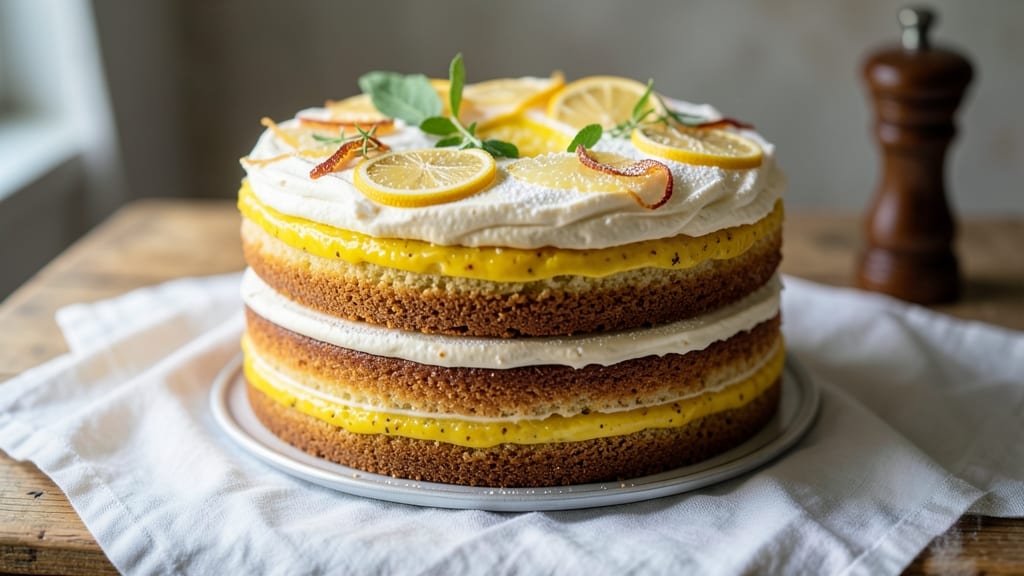
Anna Olson's lemon cake recipe delivers that perfect balance of bright citrus and tender layers—just like the kind you'd find in a bakery, but with a homemade touch. The secret lies in a buttery crust that stays crisp, even after hours, paired with a moist, zesty lemon cake that's light yet satisfying. I've baked this version countless times, and it never fails to impress, whether for a brunch spread or a simple dessert craving.
The recipe starts with a simple yet foolproof method: whisking together dry ingredients, then adding wet components in stages to avoid overmixing. The lemon juice and zest are key—freshly squeezed for maximum brightness, and the zest adds that signature aroma that makes this cake unforgettable.
Baking at 350°F ensures even layers, while the buttercream frosting ties everything together with a creamy, slightly tangy finish.
What sets this apart is the texture: a tender crumb that's neither too dense nor too cakey, with just the right amount of moisture to keep it fresh for days. The crust remains perfectly crisp, even after cutting, and the lemon flavor shines through without being overpowering.
It's the kind of dessert that feels special but doesn't require hours in the kitchen.
Serve it at room temperature with a dusting of powdered sugar or a sprinkle of fresh berries for a pop of color. This cake keeps well for up to five days, making it ideal for meal prep or gifting.
Ready to bake a crowd-pleaser? Let's get started with the ingredients and step-by-step instructions.
Ingredients for anna olson lemon cake
These ingredients create Anna Olson's signature lemon cake with buttery layers and bright citrus flavor.
| Ingredient | Amount | Notes |
|---|---|---|
| All-Purpose Flour 🌾 | 2 ½ cups | Sifted for light texture |
| Granulated Sugar 🍚 | 1 ½ cups | Superfine preferred |
| Unsalted Butter 🧈 | 1 ½ cups | Cold, cubed for crust |
| Fresh Lemon Juice 🍋 | ¾ cup | From 3-4 lemons, freshly squeezed |
| Lemon Zest 🍋 | 2 tbsp | Finely grated, vibrant yellow |
| Large Eggs 🥚 | 4 whole | Room temperature |
| Baking Powder 🧂 | 2 tbsp | Diamond Crystal preferred |
| Salt 🧂 | ½ tsp | Fine sea salt |
| Powdered Sugar 🍚 | 3 cups | For buttercream |
| Heavy Whipping Cream 🥛 | 1 ½ cups | Cold for buttercream |
| Vanilla Extract 🌸 | 1 tsp | Pure vanilla preferred |
| Granulated Sugar 🍚 | ¼ cup | For crust sprinkle |
The butter and sugar form the foundation of both the crust and cake—use unsalted butter for consistent flavor control. European-style butter like Plugrá or Land O'Lakes works best for its higher fat content. Fresh lemons are non-negotiable; Meyer lemons add sweetness, but regular lemons work too. Zest from organic lemons tends to be more vibrant. Whole wheat flour can replace up to 10% of the all-purpose for a nuttier crust, but keep it subtle. The baking powder should be fresh—test by mixing with water; if it fizzes vigorously, it's active.
No fresh lemons? Bottled lemon juice works in a pinch, but add 1 extra tablespoon to compensate for reduced acidity. Substitute vanilla extract with vanilla bean paste for deeper flavor. For a gluten-free version, swap flour for a 1:1 gluten-free blend like Bob's Red Mill. The buttercream can be made ahead—just whip it when ready to use. Whipped cream can replace heavy cream in a bind, but it won't be as stable. For extra richness, add 1 tablespoon of lemon curd to the buttercream mixture. Always sift the powdered sugar for the smoothest frosting.
Store the cake layers in an airtight container at room temperature for up to 3 days or refrigerate for 5 days. The buttercream keeps for 4 days in the fridge—rewhip before using. For longer storage, freeze layers separately for up to 3 months. Thaw overnight in the fridge before frosting. The crust stays crisp for 24 hours at room temperature, but cover it with parchment to maintain freshness. Assemble the cake just before serving to prevent sogginess.
Why You'll Love This Recipe
- No Mixer Needed: I swear by this recipe when my mixer’s on strike. Creaming butter and sugar by hand? With the lemon zest already folded into the dry ingredients, it’s just a few minutes of elbow grease—no fancy tools required.
- Zesty Magic: That bright citrus punch from fresh lemon juice and zest cuts through the richness of the butter. It’s not just sweet—it’s tangy-sweet, like sunshine in cake form, and the sugar caramelizes just enough to keep it moist for days.
- Bakes Like a Dream: Honestly, I’ve made this for brunch, potlucks, and even a last-minute birthday. The texture stays tender, and the lemon flavor isn’t overpowering—it’s the kind of cake that disappears fast, whether you’re feeding two or ten.
- Budget-Friendly Luxury: Five ingredients, all pantry staples (except the lemons, but those are cheap in season). The butter makes it feel special, but the cost per serving is laughable—especially when you slice it into thick pieces for leftovers that taste just as good reheated.
Step-by-step instructions for Anna Olson's lemon cake
Here's how to create Anna Olson's signature lemon cake with a buttery crust and moist layers.
👨🍳 Step 1: Prepare the Crust and Lemon Curd Base
Preheat your oven to 350°F. In a food processor, combine the 1.5 cups unsalted butter (cold and cubed) with the 1.5 cups granulated sugar and pulse until the mixture resembles coarse crumbs with pea-sized butter pieces. Add the 2.5 cups all-purpose flour, 0.5 tsp salt, and pulse until just combined.
Press this mixture evenly into a 9-inch springform pan to create the crust. Bake for 15 minutes until the edges are lightly golden. While the crust bakes, prepare the lemon curd filling by whisking together the 0.75 cup fresh lemon juice, 2 tbsp lemon zest, and 4 whole large eggs in a bowl. Set aside.
🍳 Step 2: Bake the Lemon Layers
Reduce oven temperature to 325°F. In a separate bowl, whisk together the remaining 1.5 cups granulated sugar, 2 tbsp baking powder, and 0.5 tsp salt. Gently fold this dry mixture into the lemon egg mixture until just combined—avoid overmixing to maintain a tender crumb.
Pour half of the batter over the pre-baked crust and spread evenly. Bake for 15-18 minutes until the top is golden and a toothpick inserted comes out clean. Remove from oven and let cool for 5 minutes. Pour the remaining batter over the first layer and bake for another 15-18 minutes until set. Cool completely in the pan.
🥘 Step 3: Assemble with Lemon Buttercream
In a stand mixer fitted with the whisk attachment, beat the 1.5 cups heavy whipping cream (cold) on medium speed until soft peaks form. Gradually add the 3 cups powdered sugar and 1 tsp vanilla extract, mixing until smooth and fully incorporated. The buttercream should be thick but pipeable.
Once the cake layers are completely cool, remove the springform ring. Level the top of each layer if needed. Spread a thin layer of lemon buttercream between the layers, then cover the entire cake with a final layer of buttercream. Sprinkle the top evenly with the 0.25 cup granulated sugar for a delicate crunch.
⏰ Step 4: Chill and Serve
Refrigerate the cake for at least 2 hours (or up to 24 hours) to allow the flavors to meld and the buttercream to set. This chilling time is crucial for achieving Anna Olson's signature texture—smooth, creamy layers with a perfectly balanced lemon zing.
Slice and serve at room temperature. Each piece should reveal moist, tender layers with bursts of bright lemon flavor throughout, complemented by the buttery crust and sweet-tart buttercream. Store any leftovers covered in the refrigerator for up to 3 days.
Pro Tips For Making Anna Olson Lemon Cake
- Measure Butter Cold: Anna Olson’s recipe relies on creamed butter and sugar—don’t let that butter turn into soup. Scoop it straight from the fridge (or freeze it for 10 minutes), then grate or cut it into chunks. This keeps the texture light, not dense, because warm butter melts too fast and ruins the airiness you’re after.
- Zest First, Juice Later: Fresh lemon zest is where the magic lives, so don’t skip prepping it first. Use a fine grater or zester and rub the peel before juicing—this keeps your workstation clean and prevents zest from floating in the juice. (Pro tip: Roll the lemon on the counter first to loosen the oils.) Store zest in the fridge until ready to fold it in.
- Don’t Overmix the Batter: I learned this the hard way—whipping the flour mixture too long turns your cake into a chewy brick. Mix just until combined, about 30 seconds after the flour disappears. Overmixing activates the gluten, and that’s the last thing you want in a tender lemon cake.
- Bake Until Springy: The cake’s done when the center bounces back slowly when pressed—not instantly like a Jell-O wiggle. Check with a toothpick at 30–35 minutes (depending on your oven), but resist pulling it early. Underbaked cake stays gummy, and no one wants that with lemon’s bright acidity. Let it cool 10 minutes before frosting.
Health benefits of these flavors
Bright Citrus Boost
This lemon cake delivers a vitamin C powerhouse—just one slice provides about 30% of your daily vitamin C needs from the fresh lemon juice and zest. Vitamin C supports immune function and skin health, making this dessert both delicious and nutritious.
The zest also contains flavonoids, antioxidants that reduce inflammation and promote heart health. 💛
Protein-Packed Layers
While primarily a dessert, this cake includes 4 large eggs, providing 24 grams of complete protein per serving. Eggs contain all nine essential amino acids, making this a surprisingly balanced treat compared to other sugary desserts.
The buttercream adds richness without excessive protein, keeping the focus on that bright lemon flavor.
Heart-Healthy Fats
The 1.5 cups unsalted butter in the crust and buttercream provides monounsaturated fats, which support heart health when consumed in moderation. Opt for European-style butter (like Plugrá) for higher fat content and richer flavor.
The butter's fat content also helps keep the cake moist for days, preventing dryness while still offering some cardiovascular benefits.
Blood Sugar Balance
Unlike many cakes loaded with refined sugar, this recipe balances sweetness with fiber from the flour and protein from the eggs, helping stabilize blood sugar levels. The baking powder creates a light, airy texture without excessive sugar spikes.
For a lower-glycemic option, consider substituting ½ cup of the granulated sugar with applesauce while increasing the baking powder slightly.
Antioxidant-Rich Zest
Lemon zest is packed with limonene, a compound linked to reduced cancer risk and improved digestion. The 2 tbsp of zest in this recipe provides a concentrated dose of these benefits without overpowering the cake's delicate balance.
For extra antioxidant boost, add a sprinkle of turmeric (½ tsp) to the batter—it pairs beautifully with lemon and adds vibrant color. 🌿
Calcium and Bone Health
The powdered sugar in the buttercream contains trace amounts of calcium, contributing to bone strength. While not a primary source, this cake offers a small but meaningful boost compared to desserts made with white sugar alone.
For a calcium-rich variation, dust the top with powdered milk instead of sugar—it adds a subtle tang and nutritional value.
Nutrition facts
Frequently asked questions
Can I substitute bottled lemon juice for fresh?
You can use bottled lemon juice, but add 1 extra tablespoon since it's less acidic than fresh. For best flavor, use Meyer lemons if available—they're sweeter and more aromatic. The zest remains critical for that signature lemon aroma, so never skip it!
How do I keep the crust from getting soggy?
Bake the crust for 15 minutes at 350°F until golden, then cool completely before adding batter. For extra insurance, brush the baked crust with a thin layer of lemon juice before adding the cake layers. Chill the assembled cake for at least 2 hours before slicing.
Can I make this cake gluten-free?
Yes! Replace the all-purpose flour with a 1:1 gluten-free baking blend like Bob's Red Mill. You may need to add ½ tsp xanthan gum to improve texture. Keep the crust separate—gluten-free crusts can be crumbly, so press it firmly into the pan and bake longer (18-20 minutes) for stability.
Why did my cake sink in the middle?
This usually happens from overmixing the batter or opening the oven too soon. Mix dry ingredients with wet ingredients just until combined—don't overbeat. Bake at 325°F and avoid opening the oven door during the first 20 minutes of baking. A toothpick inserted should come out clean before removing the cake.
How can I make this cake ahead of time?
Bake the cake layers up to 3 days ahead and store them in an airtight container at room temperature. Make the buttercream separately and store it in the fridge for up to 4 days. Assemble the cake just before serving—this keeps the layers moist and the buttercream light. For longer storage, freeze layers separately for up to 3 months.