
Desserts
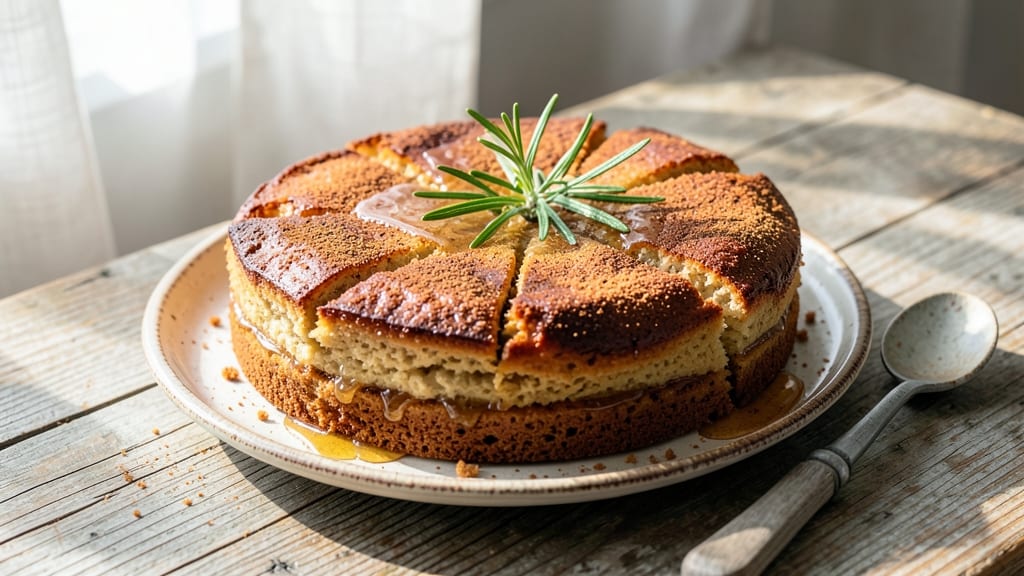
This ancient honey cake recipe transports you straight to medieval kitchens where honey was the sweetener of choice and spices like cinnamon and cardamom ruled the pantry. 🌟 The result?
A dense, moist cake with a golden crunch from toasted nuts and a warm spice profile that feels like a hug in every bite. Unlike modern cakes, this version relies on natural sweetness and slow-baked texture—perfect for those who crave history with every forkful.
The beauty of this recipe lies in its simplicity: just five core ingredients—flour, honey, eggs, butter, and spices—come together to create a dessert that’s both rustic and refined.
Medieval bakers didn’t have ovens like ours, so we’ll adapt the method to ensure even baking while preserving that authentic, spice-kissed flavor. The cake’s secret? Toasting the nuts and spices before baking to deepen their aroma, a technique that’s been passed down for centuries.
What you’ll end up with is a rich, fragrant loaf that’s moist yet sturdy enough to slice neatly. The honey caramelizes slightly, giving each bite a subtle sweetness that balances the warmth of cinnamon and the brightness of citrus zest.
Serve it warm with a dusting of powdered sugar or a drizzle of extra honey—it’s the kind of dessert that feels like a celebration, no matter the occasion.
Whether you’re baking for a medieval-themed feast or simply love the nostalgia of old-world recipes, this cake delivers restaurant-quality depth with minimal effort. The best part?
It keeps well for days, making it ideal for gifting or enjoying in small slices. Ready to bring a taste of history to your kitchen?
Ingredients for ancient honey cake
Five core ingredients and medieval spices create this rich, golden honey cake with nutty crunch.
| Ingredient | Amount | Notes |
|---|---|---|
| All-Purpose Flour 🌾 | 2 ½ cups | Sifted for even texture |
| Honey 🍯 | 1 cup | Raw or wildflower preferred |
| Large Eggs 🥚 | 3 whole | Room temperature for blending |
| Unsalted Butter 🧈 | 1 cup | Cold, cubed for creaming |
| Ground Cinnamon 🌿 | 1 ½ tbsp | Freshly ground preferred |
| Ground Cardamom 🌿 | 1 tsp | Toasted for deeper aroma |
| Toasted Walnuts 🥜 | 1 cup | Chopped, light golden brown |
| Lemon Zest 🍋 | 1 tbsp | From organic lemon |
| Baking Powder 🧂 | 1 tsp | Aluminum-free recommended |
| Salt 🧂 | ½ tsp | Fine sea salt |
| Vanilla Extract 🌸 | 1 tsp | Pure Madagascar preferred |
| Powdered Sugar 🍚 | ¼ cup | For dusting (optional) |
The honey is the soul of this cake—look for raw or wildflower varieties at specialty stores like Whole Foods or Trader Joe's. Their lower processing means more flavor depth. If using store-bought honey, check the label for 100% pure honey with no added sugars. The walnuts should be toasted until just golden—not dark brown—to avoid bitterness. For cardamom, Penzeys Spices carries high-quality pods that you can grind yourself for that fresh aroma. The cinnamon matters too—Ceylon cinnamon has a sweeter profile than cassia, perfect for balancing the honey's natural tartness.
No raw honey? Maple syrup or agave nectar work in a pinch, though the flavor will differ slightly. Substituting walnuts? Toasted pecans or almonds give a similar crunch. If you're avoiding gluten, Bob's Red Mill 1:1 baking flour works well—just increase the baking powder to 1.5 tsp. For the spices, ground cardamom from bulk bins loses potency quickly, so buy small amounts. The lemon zest can be zested fresh or bought pre-zested (though fresh is always brighter). The vanilla extract? Imitation won't cut it here—pure Madagascar is worth the splurge for that authentic medieval touch.
This cake keeps beautifully for 5-7 days in an airtight container at room temperature, though it's best enjoyed within 3 days for maximum moisture. For longer storage, wrap tightly in plastic and refrigerate for up to 2 weeks. The nuts will lose some crunch over time, but the flavor remains rich. I like to slice it thinly and freeze individual portions—perfect for quick medieval-themed snacks. When serving, a light dusting of powdered sugar adds that final touch of elegance, though purists might prefer a drizzle of extra honey for authenticity.
Why You'll Love This Recipe
- Honey’s Magic Simplicity: I swear by this recipe because it’s the kind of cake that forgives mistakes—just mix, bake, and walk away. No fancy techniques, no last-minute ingredient hunts: just flour, honey, butter, and eggs. That’s it. Honestly, my first attempt had slightly overmixed batter, but it still turned out moist and golden.
- Rich Without Effort: The honey isn’t just sweet—it’s deep, with that caramelized warmth that lingers. And the cinnamon? It’s not overpowering, just a cozy whisper that makes every bite feel like a hug. Between us, this cake tastes like it took hours, but it’s ready in under an hour.
- Breakfast or Dessert: Serve it warm with butter for a lazy Sunday brunch, or slice it cold for a picnic—it’s that versatile. My kids ask for it after school snacks, and my husband sneaks pieces for breakfast. (Yes, even on a Tuesday night.)
- Budget-Friendly Staples: You’re using pantry basics here, but the flavor punches way above its price tag. A jar of honey and a stick of butter stretch far, and leftovers? They last days without drying out. It’s my go-to when I need something special without breaking the bank.
Step-by-step instructions for medieval spice cake
This ancient honey cake brings medieval flavors to life with warm spices and golden crunch.
👨🍳 Step 1: Cream Butter and Honey for Rich Texture
In a stand mixer fitted with the paddle attachment, beat the 1 cup unsalted butter (cold, cubed) and 1 cup honey on medium speed for 3-4 minutes until light and fluffy. You're looking for a pale, thick mixture that nearly doubles in volume—this incorporates air for a tender crumb.
The butter should be cold so it emulsifies properly with the honey. If it melts too quickly, chill the bowl for 5 minutes between beats. This step is crucial for the cake's moist, dense texture that medieval bakers prized.
👨🍳 Step 2: Add Eggs and Aromatics
Add the 3 whole large eggs (room temperature) one at a time, mixing on low speed for 30 seconds after each addition. Then stir in the 1 tbsp lemon zest and 1 tsp vanilla extract. The mixture will look slightly curdled at first, but don't worry—it will smooth out.
Here's the thing—lemon zest brightens the warm spices while vanilla adds depth. I like to press the zest through a fine grater to avoid any bitter pith. Mix just until combined to avoid developing gluten in the eggs.
👨🍳 Step 3: Combine Dry Ingredients
In a separate bowl, whisk together the 2.5 cups all-purpose flour (sifted), 1.5 tbsp ground cinnamon, 1 tsp ground cardamom, 1 tsp baking powder, and 0.5 tsp salt. The cardamom adds that distinctive medieval warmth, while cinnamon brings familiar sweetness.
Gradually add the dry mixture to the wet ingredients, mixing on low speed for 30-45 seconds until just combined. You should still see small flour streaks—overmixing develops gluten and makes the cake tough. Stop as soon as everything comes together.
👨🍳 Step 4: Fold in Walnuts and Chill
Remove the bowl from the mixer and gently fold in the 1 cup toasted walnuts using a silicone spatula. The walnuts should be evenly distributed throughout the batter. I like to toast them separately in a dry skillet over medium heat for 3-4 minutes until golden and fragrant.
Cover the bowl with plastic wrap and refrigerate for at least 1 hour (I prefer 2 hours). This chilling step is essential—it firms up the butter, prevents excessive spreading in the oven, and allows the flavors to meld. Real talk: Skipping this makes for a dense, flat cake.
🔥 Step 5: Bake to Golden Perfection
Preheat your oven to 350°F. Grease a 9-inch round cake pan and line the bottom with parchment paper. Pour the chilled batter into the prepared pan and smooth the top. Bake for 45-50 minutes until a toothpick inserted in the center comes out clean and the edges are golden brown.
Don't overbake—this cake benefits from a slightly moist crumb. If the top browns too quickly, tent loosely with foil after 30 minutes. Let the cake cool in the pan for 10 minutes, then transfer to a wire rack to cool completely before slicing.
🍽️ Step 6: Dust with Powdered Sugar (Optional)
Once completely cool, dust the top with 0.25 cup powdered sugar using a fine-mesh sieve. This adds that classic medieval touch while keeping the cake's natural richness intact. The cake should have a tender crumb with pockets of golden walnuts and warm spice notes in every bite.
Slice into 8 equal wedges and serve at room temperature. The flavors improve as it sits—those spices and honey develop beautifully over time. Pair with a cup of spiced tea for an authentic medieval experience.
Pro Tips For Making Ancient Honey Cake
- MEASURE HONEY BY WEIGHT: I learned this the hard way—volumetric honey measurements are a disaster. That thick, clingy syrup sticks to cups like glue, leaving you guessing if you’ve got 1 cup or ½. Use a kitchen scale instead: 225g of honey is your target. Yes, it’s an extra step, but your cake’s moisture balance will thank you—no dry crumb or sticky gloop.
- CREAM BUTTER AND HONEY FIRST: Skip the eggy batter chaos. Melt the butter (don’t boil it—just warm until it’s soft like pudding), then whisk it into the honey before adding eggs. This emulsifies the fat and sugar right off the bat, so your batter stays smooth and doesn’t turn into scrambled eggs when you fold in the flour. Trust me, your mixer will love you.
- DON’T OVERMIX THE DOUGH: After adding the flour, stop mixing the second everything comes together. Ancient honey cakes rely on tender layers, not dense gluten. Overmix, and you’ll end up with a brick. Two turns of a spoon is all you need—just until the dry bits disappear. (Yes, even if it looks shaggy. It’ll bake up fine.)
- BAKE LOW AND SLOW: Preheat to 325°F (not 350°F—this isn’t a race). The honey caramelizes better at a lower temp, and the cake rises evenly without cracking. If your oven runs hot, bake it on the middle rack and check at 40-45 minutes. A toothpick should come out with moist crumbs, not wet batter. Patience here = no gummy center.
Perfect pairings for this recipe
Spiced Tea Pairing
This cake shines with chamomile-chai tea—the floral notes of chamomile complement the cardamom and cinnamon, while black tea's warmth enhances the honey's depth. I recommend Harney & Sons Chai for its robust spice blend.
Brew with 1 tsp chai per cup of boiling water, steep for 5 minutes, and add a splash of milk or cream for richness. The tannins cut through the cake's sweetness beautifully. 🍵
Wine Complements
A dry Riesling from Germany pairs perfectly with this cake's honeyed sweetness and spice. Look for Dr. Loosen Blue Slate—its crisp acidity and mineral notes contrast the cake's richness.
For red wine lovers, a Pinot Noir like Meiomi balances the spices without overpowering. Serve slightly chilled to enhance the wine's freshness and let the flavors harmonize. 🍷
Creamy Cheese Spread
Serve slices with a honeyed goat cheese spread for extra decadence. Mix 4 oz softened goat cheese with 1 tbsp honey and a pinch of salt. Spread on warm cake slices for a creamy, tangy contrast.
For a nutty twist, add 1 tbsp chopped toasted walnuts to the spread. This combination echoes medieval dessert tables where cheese and fruit often accompanied sweet baked goods. 🧀
Fruit Accents
Brighten the plate with thinly sliced apples or pears—their natural acidity refreshes the palate after each bite. I like Honeycrisp apples for their crisp texture and sweetness. Arrange slices around the cake or on top of individual portions.
For a tropical twist, mango slices add a juicy contrast that works surprisingly well with the warm spices. 🍎
Medieval-Inspired Garnishes
For an authentic touch, garnish with edible gold leaf or a sprinkle of crushed pistachios—both were prized in medieval feasts. The gold leaf adds visual drama, while pistachios provide a nutty crunch.
For a simpler option, drizzle with extra honey and sprinkle with toasted sesame seeds for a subtle earthy note. These garnishes elevate the cake's rustic charm. ✨
Coffee Contrast
If you prefer coffee, try a light roast Ethiopian Yirgacheffe—its floral and citrus notes mirror the lemon zest in the cake. Brew with 1 tbsp finely ground coffee per 6 oz water, steep for 4 minutes, and serve black or with a splash of cream.
The coffee's brightness contrasts the cake's warmth, creating a balanced pairing. ☕
Nutrition facts
Frequently asked questions
Can I substitute maple syrup for honey in this recipe?
Yes, but expect a slightly different flavor profile. Use a 1:1 ratio of maple syrup for honey, but reduce the liquid by 1-2 tablespoons since maple syrup is thinner. The cake will still be delicious, though the caramelization will differ slightly. For authenticity, raw honey is ideal—its natural enzymes create that signature golden crunch.
Why does the recipe call for chilling the batter?
Chilling the batter for at least 1 hour (preferably 2 hours) is crucial for two reasons: it firms up the butter so the cake rises properly, and it allows the spices to bloom fully. Medieval bakers didn't have precise ovens, so this step mimics their method of ensuring even baking. Skipping it risks a dense, flat cake. Think of it as a flavor and texture insurance policy!
How do I know when the cake is fully baked?
Look for three key signs: the edges should be golden brown, a toothpick inserted in the center should come out clean (or with just a few moist crumbs), and the cake should spring back slightly when gently pressed. Overbaking dries out the cake, so remove it when it's just done—it continues cooking for a few minutes after leaving the oven.
Can I make this cake gluten-free?
Use a 1:1 gluten-free baking flour blend (like Bob's Red Mill) and increase the baking powder to 1.5 teaspoons. You may also need to add 0.5 teaspoon xanthan gum if your blend doesn't contain it. The texture will be slightly denser, but the flavor remains rich. Test with a small batch first to adjust consistency.
What's the best way to store leftover cake?
Store in an airtight container at room temperature for up to 5 days—it keeps beautifully! For longer storage, wrap tightly in plastic and refrigerate for up to 2 weeks. The nuts lose crunch over time, but the flavor stays rich. Freeze individual slices for up to 3 months—perfect for quick medieval-themed treats.