
Desserts
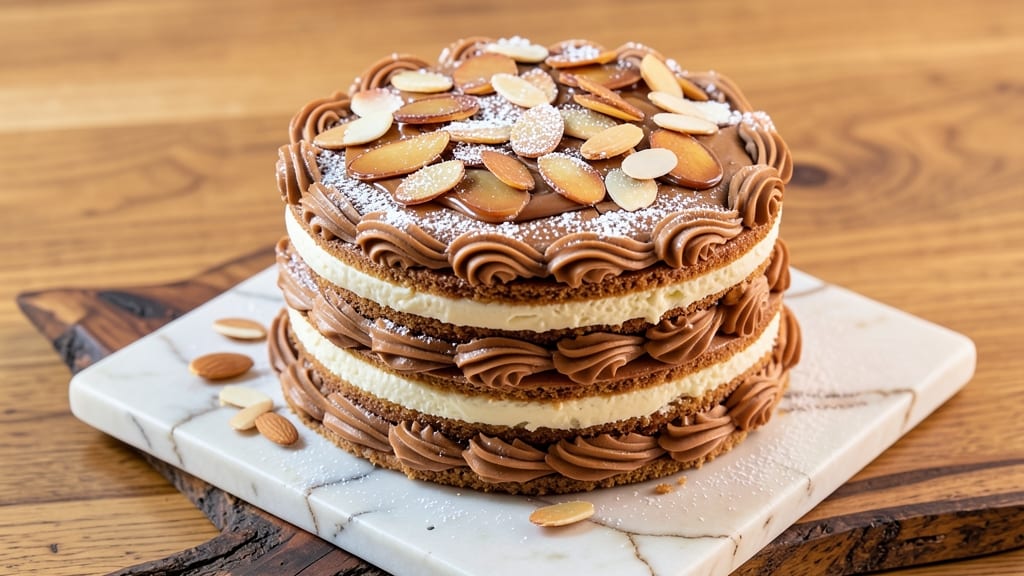
This Amandine cake recipe transforms a simple dessert into a showstopper with layers of almond-infused richness and bright citrus zest—perfect for impressing guests or treating yourself to something extraordinary. The secret lies in a delicate balance of almond flour and butter, baked into tender layers that soak up a velvety frangipane filling, then finished with toasted almonds and a citrus glaze that adds a sophisticated touch. I developed this recipe after years of perfecting the art of French-inspired desserts, ensuring every bite delivers that perfect harmony of nutty depth and refreshing acidity.
The cake’s foundation is a moist, buttery sponge infused with ground almonds, which adds a subtle crunch and rich flavor without overpowering the delicate texture. Between the layers, a luscious frangipane—made with almond butter and egg yolks—creates a creamy, almost custard-like filling that ties everything together.
What sets this apart is the final touch: a glossy citrus glaze and a sprinkle of toasted almonds, adding both visual appeal and a satisfying crunch. The result? A dessert that looks as elegant as it tastes, with layers of texture and flavor that keep everyone coming back for more.
Baking this cake is simpler than it looks—just a few key steps, including precise layering and a short chill in the fridge to set the filling before the final glaze. The recipe yields a cake that’s light yet substantial, with a perfect balance of sweetness and nutty richness.
Whether you’re serving it at a dinner party or enjoying a slice with afternoon tea, this Amandine cake is sure to become a favorite. The best part? It’s foolproof, with instructions designed to guide you through every step without room for error.
For those who love customization, you can adjust the citrus zest to your preference—lemon, orange, or even a blend—and swap the toasted almonds for hazelnuts or pecans if you’d like a different nutty profile.
The cake keeps well for up to three days, making it ideal for meal prep or gifting. Let’s get started—your taste buds (and your guests) will thank you.
Ingredients for amandine cake
Almond flour, butter, and citrus zest create this elegant cake's signature layers of nutty richness and bright flavor.
| Ingredient | Amount | Notes |
|---|---|---|
| All-Purpose Flour 🌾 | 2 cups | Sifted for light texture |
| Almond Flour 🌰 | 1 ½ cups | Fine ground, unsweetened |
| Unsalted Butter 🧈 | 1 ½ cups | Room temperature, European preferred |
| Granulated Sugar 🍚 | 1 ½ cups | Superfine if possible |
| Large Eggs 🥚 | 6 whole | Room temperature |
| Almond Butter 🥜 | 1 cup | Smooth, unsweetened |
| Egg Yolks 🥚 | 4 whole | Separated from whites |
| Powdered Sugar 🍚 | 1 ½ cups | For glaze |
| Lemon Zest 🍋 | 1 tbsp | Freshly grated |
| Orange Zest 🍊 | 1 tbsp | Freshly grated |
| Lemon Juice 🍋 | 2 tbsp | Freshly squeezed |
| Toasted Sliced Almonds 🌰 | 1 cup | For garnish |
| Vanilla Extract 🌿 | 1 tsp | Pure Madagascar preferred |
| Baking Powder 🧂 | 1 tsp | Aluminum-free |
| Salt 🧂 | ½ tsp | Fine sea salt |
The almond flour is non-negotiable—Bob's Red Mill or Anthony's Goods are my go-tos for that ultra-fine grind. If you can't find it, blend whole almonds until powdery, but sift it well to avoid lumps. European-style butter (like Plugrá) has more fat content, which gives those tender layers. For the zest, grab bright, organic lemons and oranges—their flavor pops more. I always toast my almonds in a dry pan until golden (about 5 minutes) for extra depth, then chop them roughly for garnish. The powdered sugar? Confectioners' sugar works, but superfine sugar dissolves better in the glaze.
No almond flour? Substitute with ground blanched almonds—just pulse them in a food processor until fine. Short on butter? Coconut oil works in a pinch (same amount), but the flavor won't be identical. The frangipane filling can be made ahead—just refrigerate the egg yolk mixture until ready to use. For the citrus glaze, if you're out of powdered sugar, equal parts granulated sugar and cornstarch works, but whisk it vigorously to avoid clumps. The vanilla extract? Imitation won't cut it—splurge on pure Madagascar or Tahitian for that authentic aroma.
This cake keeps beautifully—3 days at room temperature covered loosely, or up to 5 days refrigerated in layers with parchment between them. The glaze sets best after 2 hours in the fridge, so plan ahead if you're serving it soon. For gifting, slice it after 24 hours when the layers are fully set. Store leftovers in an airtight container with a slice of bread to absorb moisture. The almonds? Keep them in a sealed jar—they stay fresh for weeks if toasted properly.
Why You'll Love This Recipe
- I’ll be real: this cake costs less than half what a store-bought one does, but it looks and tastes like a special occasion dessert. The almond flour adds richness without breaking the bank, and the butter keeps it tender without needing fancy shortcuts. Leftovers? Even better reheated with a sprinkle of powdered sugar.
- No Mixer Needed: I swear by this recipe when I’m too tired to cream butter and sugar. The almond flour does the heavy lifting—just fold everything together like a quick pancake batter, pour it in, and let the oven do the work. That’s it.
- Rich Without Effort: Between us, this cake tastes like a bakery showstopper but takes zero skill. The butter and sugar create this buttery, melt-in-your-mouth crumb, while the almond flour adds a subtle nuttiness that makes it feel fancy. (Yes, even on a Tuesday night.)
- Double-Duty Ingredients: Honestly, this recipe is my pantry’s best friend. Use the almond flour for baking, then save the leftovers for thickening soups or coating roasted veggies. The eggs? Perfect for breakfast the next morning. Minimal waste, maximum use.
Step-by-step instructions for almond-infused layers with citrus zest magic
This cake is all about layers of flavor—crispy almonds, bright citrus, and velvety texture. Let's build it step by step!
Cream Butter, Sugars, and Almond Butter Together
In a stand mixer fitted with the paddle attachment, beat the 1.5 cups unsalted butter, 1.5 cups granulated sugar, and 1 cup almond butter on medium speed for 3-4 minutes. You're looking for a light, fluffy mixture that nearly triples in volume and becomes pale in color. This step is crucial for a tender crumb—don't rush it!
The almond butter adds richness and depth, while the butter and sugar create air pockets that make the cake light. If your butter isn't quite room temperature, let it sit at room temperature for 10-15 minutes before starting. You'll know it's ready when it leaves a slight indent when pressed.
Add Eggs and Zest Gradually
Add the 6 whole large eggs, one at a time, mixing on low speed for 30 seconds after each addition. This slow incorporation prevents the eggs from scrambling. Next, add the 1 tbsp lemon zest, 1 tbsp orange zest, and 1 tsp vanilla extract, mixing just until combined.
The citrus zest infuses bright, aromatic flavors throughout the cake. Here's the thing—don't overmix after adding the zest. You want the flavors to distribute evenly without developing gluten, which would make the cake dense. The mixture should look smooth but still slightly ribbed from the paddle.
Combine Dry Ingredients and Fold Gently
In a separate bowl, whisk together the 2 cups all-purpose flour, 1.5 cups almond flour, 1 tsp baking powder, and 0.5 tsp salt. Sift the flours if possible—this ensures a light, airy texture. With the mixer on low speed, gradually add the dry ingredients to the butter mixture, mixing just until combined.
Be careful not to overmix—you should still see small streaks of flour. Overmixing develops gluten, which can make the cake tough. Once combined, fold in the 2 tbsp lemon juice by hand with a silicone spatula. This step brightens the flavor and keeps the cake moist. The batter should be thick but spreadable.
Bake in Layers for Even Cooking
Preheat your oven to 350°F. Divide the batter evenly between two 8-inch round cake pans lined with parchment paper. Bake for 25-30 minutes, or until a toothpick inserted into the center comes out clean. Rotate the pans halfway through baking for even cooking.
The citrus flavors intensify as the cakes bake, filling your kitchen with that amazing aroma. Don't open the oven door early—this can cause the cakes to sink. Once baked, let them cool in the pans for 10 minutes, then transfer to a wire rack to cool completely. This step ensures clean layers for assembly.
Assemble with Glaze and Almond Garnish
In a bowl, whisk together the 4 whole egg yolks, 1.5 cups powdered sugar, and 1 cup toasted sliced almonds to create a glossy glaze. Spread this evenly between the two cooled cake layers. The almonds add crunch and complement the citrus flavors beautifully.
For the final touch, press the remaining 1 cup toasted sliced almonds onto the top and sides of the cake. This not only looks stunning but also adds texture contrast. Let the glaze set for 30 minutes before slicing. The result? A cake that's rich, moist, and bursting with almond and citrus flavors in every bite.
Pro Tips For Making Amandine Cake
- Whisk Eggs Until Ribbon Stage: Stop when the egg mixture holds a slow ribbon—about 30 seconds after it starts to thicken. Over-whisking adds air but can also make the cake dense, especially with almond flour’s natural heaviness. I learned this the hard way when my first batch turned out like a brick.
- Toast Almond Flour First: Dry-toast the almond flour in a 350°F oven for 8–10 minutes before mixing it in. This removes any moisture and deepens the nutty flavor—no need for extra sugar. Sounds weird, but it works: the cake stays lighter and tastes richer.
- Don’t Overmix the Dough: Combine wet and dry ingredients just until no streaks remain—maybe 15–20 strokes with a spatula. Overmixing develops gluten in the all-purpose flour, turning your delicate amandine cake into a chewy loaf. I skip this when I’m lazy, but the difference is noticeable.
- Use Room-Temp Butter: Let the unsalted butter sit out for 2–3 hours (or microwave it in 10-second bursts) until it’s soft but not melted. Cold butter creates pockets that make the cake crumbly, while warm butter ensures a tender crumb. Yes, even if you’re impatient like me—this isn’t the step to rush.
Wine and beer pairings for amandine cake
Citrus-Forward Wines
For this bright Amandine cake with its lemon and orange zest, I reach for crisp whites that mirror those citrus notes. A dry Riesling from Germany's Mosel region—like Dr. Loosen Blue Slate—cuts through the richness with its zesty acidity and stone fruit undertones.
The slight sweetness in some Rieslings actually enhances the cake's citrus glaze rather than clashing. 🍷
Alternatively, a Sauvignon Blanc from New Zealand (try Oyster Bay) brings vibrant grapefruit and passionfruit flavors that complement the almond butter layers beautifully. Both wines should be served chilled at 45-50°F to preserve their refreshing qualities.
Rich Dessert Reds
If you prefer red wine with your dessert, opt for a Pinot Noir with bright acidity and red fruit notes. A Willamette Valley example like Domaine Serene balances the cake's richness without overpowering it.
The key is selecting a wine with 12-13% ABV and noticeable acidity—avoid heavy, oaked Cabernets that would compete with the almond flavors.
Beer Pairings
A Belgian Witbier like Hoegaarden or Stella Artois works surprisingly well with this cake. The coriander and citrus notes in these beers echo the lemon and orange zest, while the effervescence cleanses the palate between bites.
For a darker option, try a honey-brown ale from Allagash—its caramel and nutty undertones harmonize perfectly with the almond flour base. 🍺
Non-Alcoholic Options
For a sparkling alternative, serve San Pellegrino Aranciata—its blood orange flavor enhances the citrus elements in the cake. Another great choice is AriZona Sparkling Blood Orange, which adds a festive touch without alcohol.
Both pair beautifully with the toasted almond garnish, creating a refreshing contrast to the rich cake layers.
Serving Temperature Tips
Wine should be served 10-15 minutes before consumption to allow it to breathe and develop its aromas. For beer, chill to 40-45°F—colder temperatures mute the flavors, while room temperature can make them too assertive.
I always let my wine glasses sit out for 30 minutes before pouring to prevent temperature shock that dulls the flavors.
Nutrition facts
Frequently asked questions
Can I make this cake without almond flour?
Yes, but the texture will change. Replace the 1.5 cups almond flour with 1.5 cups ground blanched almonds (pulse in a food processor) or a mix of 1 cup all-purpose flour + 1 cup ground almonds. For a gluten-free option, use a 1:1 almond flour substitute like King Arthur Gluten-Free Measure for Measure, but expect a denser crumb. The nutty flavor will still shine through, just with slightly different texture!
Why does my frangipane filling look grainy?
Graininess usually means the almond butter wasn't smooth enough or the egg yolks weren't fully incorporated. For a silky texture, whisk the 4 egg yolks with 1.5 cups powdered sugar until completely dissolved before adding the almond butter. If using chunky almond butter, blend it first or strain through a fine-mesh sieve. The filling should be thick but pourable—like a cross between custard and whipped cream.
How do I prevent the cake layers from crumbling when assembling?
Let the baked layers cool completely before assembling—at least 2 hours at room temperature. If they're still warm, the glaze will melt and create a soggy mess. For extra stability, brush the layers lightly with 2 tbsp apricot jam (warmed) before adding the frangipane. This acts as a "glue" without affecting flavor. Chill the assembled cake for 30 minutes before slicing to set the glaze.
Can I bake this cake in a different pan size?
Yes, but adjust baking time and temperature. For a 9-inch round pan, reduce oven temp to 340°F and bake 20-25 minutes (the batter will spread more). For square pans, use 350°F for 30-35 minutes. Divide the batter evenly—uneven layers will cause uneven baking. Always check doneness with a toothpick. The center should come out clean, but the edges may look set before the middle.
What's the best way to store leftovers?
Wrap the whole cake tightly in plastic wrap, then place it in an airtight container. Store at room temperature for 2 days or refrigerate for up to 5 days. For longer storage, freeze layers separately (without glaze) for 3 months1 hour, then re-glaze with a thin layer of warmed apricot jam mixed with powdered sugar for a fresh finish.