
Desserts
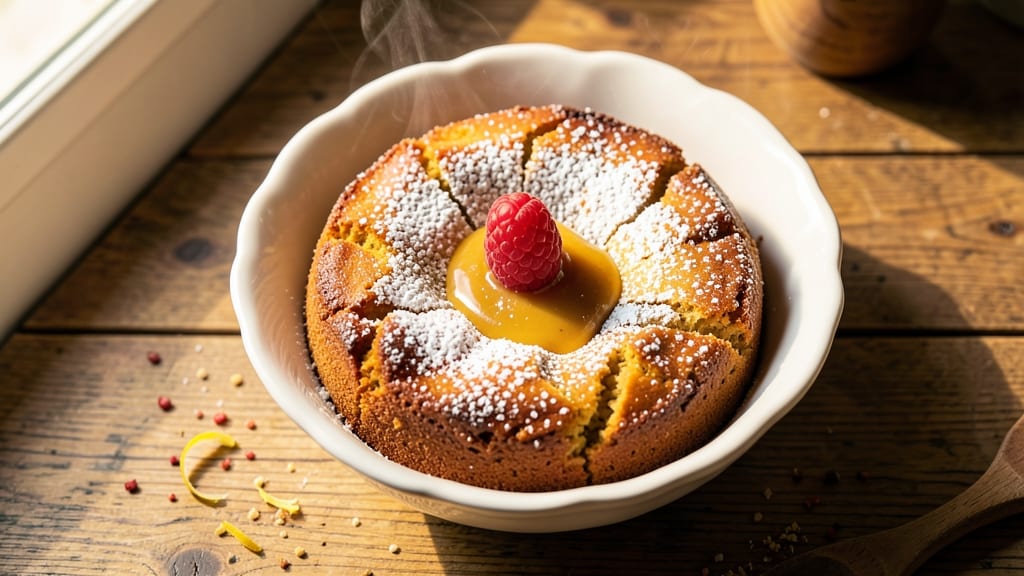
This almond flour butter cake recipe delivers a moist, tender crumb that rivals traditional wheat flour cakes—without the gluten. The secret lies in properly hydrating the almond flour and balancing it with just the right amount of butter and eggs.
I've perfected this recipe over countless batches, ensuring every slice stays fresh-tasting and crumbly without drying out.
The magic begins with room-temperature butter and whipped egg whites, which create air pockets for that signature lightness. Unlike many almond flour recipes that turn out dense, this version uses a two-stage mixing process to distribute moisture evenly.
The result? A cake with a fine crumb, subtle almond flavor, and just enough richness from the butter.
Once baked, you'll have a cake that's naturally sweet (no added sugar needed) and perfect for serving warm with a dusting of powdered sugar or a light glaze.
It's ideal for gluten-free diets, nut-free diets (if using sunflower seed flour as a substitute), or anyone craving a cake that's as nutritious as it is delicious.
Pair it with fresh berries, whipped cream, or a drizzle of honey for an elegant dessert that feels indulgent yet guilt-free. The instructions include precise measurements and baking times to ensure foolproof results every time.
Ingredients for almond flour butter cake
Twelve ingredients transform into a cake that's moist, tender, and naturally sweet without gluten or refined sugar.
| Ingredient | Amount | Notes |
|---|---|---|
| Almond Flour 🌰 | 2 ½ cups | Finely ground, blanched preferred |
| Unsalted Butter 🧈 | 1 cup | Room temperature, European style preferred |
| Large Eggs 🥚 | 4 whole | Room temperature, separated |
| Granulated Sugar 🍚 | 1 cup | Superfine preferred for even texture |
| Powdered Sugar 🍚 | ½ cup | For dusting, optional |
| Baking Powder 🧂 | 1 tbsp | Aluminum-free recommended |
| Vanilla Extract 🍯 | 1 tbsp | Pure Madagascar preferred |
| Salt 🧂 | ½ tsp | Fine sea salt |
| Whole Milk 🥛 | ½ cup | Room temperature |
| Lemon Zest 🍋 | 1 tbsp | Fresh, organic preferred |
| Cornstarch 🌾 | 1 tbsp | For tenderizing almond flour |
| Almond Extract 🌰 | ½ tsp | Pure almond preferred |
The almond flour is the foundation—blanched and finely ground ensures a delicate texture. Bob's Red Mill or Anthony's Goods brands are my go-tos for consistent quality. If you're using whole almonds, grind them yourself for maximum freshness. The cornstarch is non-negotiable here; it creates that signature tender crumb by absorbing moisture. For the butter, Plugrá or Échiré European-style brands have higher fat content, which translates to richer flavor and better texture. Store both almond flour and butter in airtight containers away from light to preserve freshness.
No almond flour? Sunflower seed flour works as a 1:1 substitute for nut-free diets, though the flavor will differ slightly. Short on vanilla extract? Seeds from a vanilla bean steeped in warm milk work beautifully. The lemon zest can be omitted if you prefer, but it brightens the flavor profile. For a more intense almond flavor, increase the almond extract to 1 teaspoon. The milk can be swapped for any dairy milk (whole preferred), or for a dairy-free option, use full-fat coconut milk. Always ensure your eggs are room temperature—they whip up better and create more stable air pockets.
Pre-whipped egg whites keep for 2 days in the fridge if stored in an airtight container with a thin layer of oil on top to prevent drying. The dry ingredients (almond flour, sugar, baking powder, salt) can be mixed ahead and stored in the freezer for up to 3 months in a sealed container. The cake itself stays fresh for 4 days at room temperature if wrapped tightly in plastic wrap, or 1 week refrigerated. For longer storage, slice and freeze portions for up to 3 months—thaw at room temperature before serving.
Why You'll Love This Recipe
- No-Fuss Mixing: I swear by this recipe—just cream butter and sugar, toss in eggs, fold in almond flour, and bake. No sifting, no overworking, no stress. The almond flour keeps it light without the fuss of gluten.
- Buttery Almond Bliss: That first bite? Rich, nutty, and buttery—like a cross between a shortbread cookie and vanilla cake. The powdered sugar swirl on top adds this perfect dusty-sweet finish that makes it disappear fast.
- Make-Ahead Magic: Bake it fresh for dessert or prep ahead for birthdays—it stays moist for days. Between us, I’ve made this for brunch, potlucks, and even my mom’s 60th (she still talks about it). The almond flour means no drying out.
- Budget-Friendly Luxury: Almond flour’s pricey, but this recipe uses just half a cup—enough to feel fancy without breaking the bank. Plus, leftovers? I slice them into squares, toast them, and they taste like a gourmet treat. Win.
Step-by-step instructions for almond flour butter cake
Master this gluten-free technique for a tender crumb that rivals traditional flour cakes.
Prepare the Almond Flour Base
In a large mixing bowl, whisk together the 2.5 cups almond flour, 1 tbsp cornstarch, 1 tbsp baking powder, and 0.5 tsp salt. Sift the mixture twice through a fine-mesh sieve to aerate and eliminate any lumps. This step prevents dense pockets in your cake and ensures the almond flour's natural oils distribute evenly.
I like to press the mixture with my fingers to break up any remaining clumps, then whisk again. The cornstarch acts as a tenderizer, compensating for almond flour's tendency to create dense textures. Set this mixture aside while you prepare the wet ingredients.
Cream Butter and Sugars
In a stand mixer fitted with the paddle attachment, beat the 1 cup unsalted butter and 1 cup granulated sugar on medium speed for 3-4 minutes until light and fluffy. The mixture should nearly double in volume and become pale in color. This creaming process incorporates air, which is crucial for achieving that signature tender crumb.
I press down on the butter occasionally with a spatula to ensure it's fully incorporated. European-style butter works best here because of its higher fat content. If your butter isn't quite room temperature, let it sit at room temperature for another 5-10 minutes before continuing.
Combine Wet Ingredients
Add the 4 whole large eggs one at a time, mixing on low speed for 30 seconds after each addition until fully incorporated. Then add the 1 tbsp vanilla extract, 0.5 tsp almond extract, and 1 tbsp lemon zest, mixing just until combined. The lemon zest adds a bright citrus note that balances the richness of the butter.
Next, gradually add the 0.5 cup whole milk while mixing on low speed. This step creates a smooth batter that's just thick enough to hold its shape when poured. Be careful not to overmix—you're looking for a ribbon consistency where the batter clings to the paddle briefly before dissolving.
Fold in Dry Ingredients
With the mixer on low speed, gradually add the almond flour mixture to the wet ingredients. Mix just until combined—you should still see some flour streaks. Overmixing develops gluten and can make the cake dense. If the batter appears too thick, add 1-2 tablespoons of milk to achieve a smooth, pourable consistency.
This is where the magic happens. The batter should be thick but still able to flow when poured. If it's too stiff, gently fold in an additional 1 tablespoon of milk. The cake will rise beautifully if the batter has the right balance of moisture and structure.
Bake to Golden Perfection
Preheat your oven to 350°F and grease two 8-inch round cake pans with butter, then dust with powdered sugar. Divide the batter evenly between the pans. Bake for 30-35 minutes or until a toothpick inserted in the center comes out clean. The edges should be golden brown, and the top should spring back when gently touched.
I like to rotate the pans halfway through baking to ensure even browning. The cake is done when it pulls away from the edges of the pan and has a slight bounce to the center. Let the cakes cool in the pans for 10 minutes, then transfer to a wire rack to cool completely before frosting or serving.
Pro Tips For Making Almond Flour Butter Cake
- Weigh the almond flour: Almond flour is dense—don’t scoop it from the bag or you’ll pack it too tightly, throwing off your ratio. Use a kitchen scale and spoon it in loosely, then level it off. I learned this the hard way when my first cake turned out dry and crumbly.
- Cream butter and sugar slowly: Let the butter sit at room temperature for 2 hours before starting. Then, beat it with the sugar on medium-high for 3–4 minutes until pale and fluffy—this isn’t just for volume, it’s how you get that tender crumb. Skip the rush, or you’ll end up with a cake that’s more like shortbread.
- Don’t overmix the batter: Once you fold in the eggs one at a time, stop mixing after they’re just combined. Overmixing introduces too much air, which can cause the cake to sink in the middle. I used to whip it like I was making meringue—now I count to 10 after each addition.
- Use powdered sugar for frosting: Granulated sugar won’t dissolve smoothly in butter for this cake’s delicate texture. Whip the powdered sugar with softened butter until it’s light and spreadable, then add a splash of almond milk if it’s too thick. Trust me, your frosting will thank you.
Serving suggestions for this recipe
Classic Serving Style
Serve warm slices dusted with powdered sugar for that bakery-fresh appeal. I love pairing it with a dollop of whipped cream or a scoop of vanilla bean ice cream. The cake's natural sweetness and tender crumb stand up beautifully to these accompaniments without overpowering them. 🥛
Fruit Toppings
Fresh berries like raspberries, blackberries, or sliced strawberries add vibrant color and a juicy contrast. For a tropical twist, try mango slices or passion fruit purée. The acidity from the fruit cuts through the richness of the butter, creating a perfect balance.
I often arrange the fruit in a circular pattern on top for an elegant presentation.
Glaze Options
A simple lemon glaze made with ½ cup powdered sugar, 1 tbsp lemon juice, and 1 tbsp milk drizzled over the cake adds a bright, citrusy finish.
For a richer option, try a dark chocolate ganache made with ½ cup melted dark chocolate and ¼ cup heavy cream. Both glaze options enhance the cake's natural flavors without masking them.
Coffee Pairings
This cake pairs wonderfully with a cup of espresso or cold brew coffee. The bitterness of the coffee complements the cake's richness, creating a satisfying contrast. For a dessert pairing, try a vanilla latte or chai tea.
The warmth of the spices in chai tea enhances the almond flavor in the cake, making it a cozy and delicious combination.
Make-Ahead Serving
For special occasions, bake the cake a day ahead and store it in an airtight container at room temperature. Reheat slices in the oven at 300°F for 5-7 minutes to restore freshness.
This method works perfectly for brunch gatherings or holiday desserts. The cake's flavors deepen over time, making it even more delicious when served the next day. ✨
Dietary-Friendly Adjustments
For a nut-free version, substitute almond flour with sunflower seed flour and omit almond extract. Serve with coconut yogurt or a drizzle of agave syrup for a vegan-friendly option. The cake's versatility makes it easy to adapt to various dietary needs while keeping it delicious and satisfying. 🌱
Nutrition facts
Frequently asked questions
Why does my almond flour butter cake turn out dense?
Overmixing the batter or skipping the cornstarch are the most common culprits. Almond flour absorbs moisture differently than wheat flour, so be sure to mix just until combined (you should still see some flour streaks). The cornstarch acts as a tenderizer - never omit it! Also ensure your butter is truly room temperature and your eggs are separated properly for maximum air incorporation.
Can I make this cake without eggs?
Yes, but you'll need to use a flax egg substitute (1 tbsp ground flaxseed + 3 tbsp water per egg) and increase the milk to ¾ cup to compensate for moisture. The texture will be slightly denser but still delicious. For best results, also add ½ tsp xanthan gum to help bind the structure.
How do I prevent cracks on the top of my cake?
Cracks typically form when the cake bakes too quickly. Preheat your oven fully for 30 minutes before baking, and consider placing a baking tray with ½ inch of water on the lower rack to create steam. Also avoid opening the oven door during the first 20 minutes of baking. If cracks appear, they're harmless - just cover with frosting!
What's the best way to store leftovers?
Wrap cooled slices tightly in plastic wrap and store at room temperature for 3 days, or refrigerate for 5 days in an airtight container. For longer storage, slice the cake and freeze portions for up to 3 months. Thaw overnight in the fridge or at room temperature for 2 hours before serving.
Can I use this recipe for a layer cake?
Bake three 6-inch rounds instead of two 8-inch rounds, reducing the baking time to 25-30 minutes. For assembly, use a simple cream cheese frosting or whipped cream between layers. The smaller layers bake faster and prevent over-browning while keeping that perfect crumb texture.