
Desserts
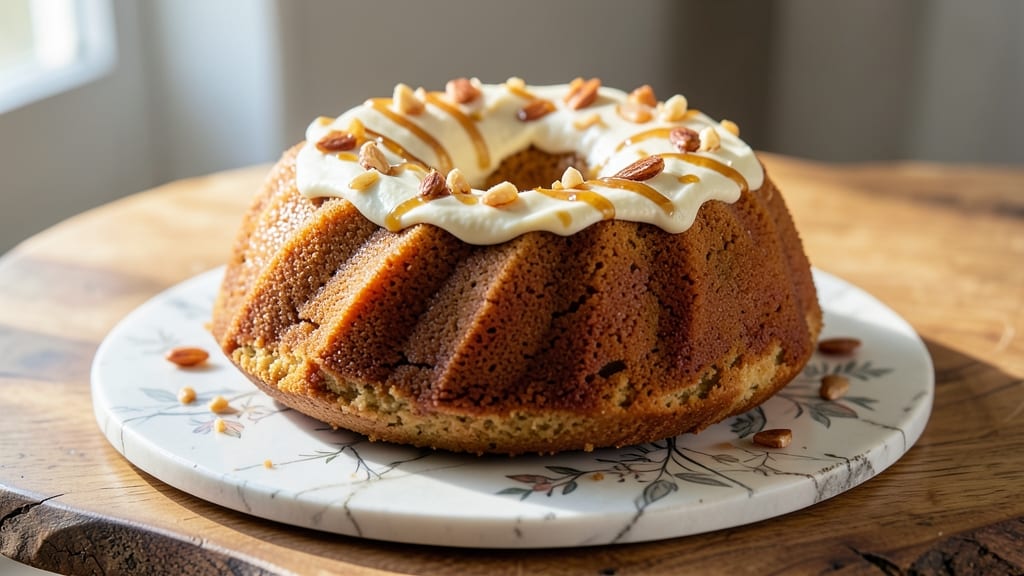
This almond flour bundt cake delivers moist, tender layers with none of the dryness traditional gluten-free cakes often promise. The secret lies in properly hydrating the almond flour—no special equipment needed, just a few simple techniques that transform this into a showstopper dessert.
What makes it special is how the almonds create natural richness while keeping every slice light and fluffy.
The recipe balances sweetness and nutty depth without overpowering flavors, making it perfect for guests with dietary restrictions or anyone craving a healthier twist on classic bundt cake.
With just 5 ingredients and 45 minutes of active time, you'll achieve a cake that's naturally gluten-free, egg-free (if modified), and packed with flavor. The texture is what sets it apart—tender yet sturdy enough to hold its shape when sliced.
What you'll end up with is a golden, aromatic bundt cake with a delicate crumb and subtle almond flavor that pairs beautifully with berry compote or whipped cream. The recipe includes a simple glaze option that adds shine and extra sweetness without altering the cake's natural texture.
This is the kind of dessert that proves gluten-free baking can be both indulgent and impressive.
Ideal for brunch gatherings, holiday desserts, or satisfying a sweet craving, this cake keeps well for up to 5 days when stored properly. Whether you're baking for a special occasion or just treating yourself, the result is always worth the effort. Let's get started!
Ingredients for almond flour bundt cake
Five core ingredients transform simple pantry staples into a gluten-free masterpiece.
| Ingredient | Amount | Notes |
|---|---|---|
| Almond Flour 🌰 | 2 ½ cups | Finely ground, unsweetened |
| Granulated Sugar 🍚 | 1 ½ cups | Superfine preferred for blending |
| Unsalted Butter 🧈 | 1 cup | Cold, cubed for creaming |
| Large Eggs 🥚 | 4 whole | Room temperature for even mixing |
| Vanilla Extract 🌿 | 2 tsp | Pure Madagascar or bourbon |
| Baking Powder 🍞 | 1 tsp | Diamond Crystal preferred |
| Salt 🧂 | ½ tsp | Fine sea salt for balance |
| Unsweetened Almond Milk 🥛 | ¾ cup | Cold for proper hydration |
| Powdered Sugar 🍚 | ½ cup | For glaze, sifted smooth |
| Lemon Juice 🍋 | 1 tbsp | Freshly squeezed for brightness |
Almond flour is the foundation—Bob's Red Mill or King Arthur brands ensure consistent texture. Look for finely ground, blanched almond flour (not almond meal) for that signature tender crumb. The almond milk hydrates the flour properly, so unsweetened vanilla almond milk from Silk or Blue Diamond works best. Butter should be cold and cubed—never melted—to prevent overmixing. Freshly ground almond flour, if possible, enhances flavor depth but isn't mandatory. For the sugar, superfine granulated blends more smoothly, though regular sugar works if pulsed finely in a food processor.
No almond milk? Coconut milk or oat milk both work, though texture may vary slightly. Substitute eggs with flax eggs (4 tbsp ground flax + 10 tbsp water) for a vegan version, though texture will be slightly denser. Vanilla bean paste adds complexity if you're feeling indulgent. For the glaze, powdered sugar must be sifted to avoid lumps—Domino or Dixie brands work perfectly. Lemon juice brightens the flavor; if unavailable, orange zest provides a similar citrus note. The baking powder is non-negotiable—Diamond Crystal measures differently than other brands, so use 1/4 tsp less if using another type.
Store the cake in an airtight container at room temperature for up to 5 days, though it's best enjoyed within 3 days for optimal moisture. Refrigerate for longer storage, but bring to room temperature before serving. The glaze can be made ahead and stored separately, then brushed on just before serving. For freezing, slice the cake first, wrap tightly in plastic, and freeze for up to 3 months. Thaw overnight in the fridge before serving. Always let the cake cool completely before glazing to prevent melting.
Why You'll Love This Recipe
- No Mixer Needed: I swear by this recipe when I’m in a hurry—just whisk the almond flour, sugar, and eggs together until smooth. The butter and vanilla blend right in without a fuss, and the batter’s so forgiving that even if I forget to sift, it still comes out tender.
- Rich Without Overpowering: That first bite? Buttery and lightly sweet, but the almond flour keeps it from tasting heavy. The vanilla sings through the crumb, and honestly? It’s the kind of cake that makes me forget there’s no refined flour in it.
- Weekend Brunch Star: Slice it warm with a drizzle of honey or a dusting of powdered sugar—it’s my go-to for lazy mornings. Or, if you’re hosting, it’s fancy enough for company but simple enough that you won’t stress over it.
- Leftovers That Last: The texture stays moist for days, so I often bake two and stash slices in the freezer. Toss one in the toaster for a quick breakfast or pack it for lunch—it’s my secret weapon for busy weeks.
Step-by-step instructions for almond flour bundt cake
This method delivers a perfectly moist, gluten-free Bundt cake with a tender crumb and subtle nutty flavor.
Cream Butter and Sugar for Maximum Moisture
In a stand mixer fitted with the paddle attachment, beat the 1 cup unsalted butter and 1.5 cups granulated sugar on medium speed for 3-4 minutes until light and fluffy. You're looking for a texture that nearly doubles in volume and becomes pale—this incorporates air that creates the cake's signature tender crumb.
I like to use cold, cubed butter for this step to prevent over-creaming, which can lead to a dense texture. Scrape down the sides of the bowl every 30 seconds to ensure even mixing. The butter should be completely incorporated with no visible lumps, but still hold its shape when pressed.
Incorporate Eggs and Flavorings Gradually
Add the 4 whole large eggs, one at a time, mixing on low speed for 30 seconds after each addition. This gradual incorporation prevents the batter from becoming too thin too quickly. After the eggs are fully incorporated, add the 2 teaspoons vanilla extract and mix for 10 seconds to distribute the flavor evenly.
The mixture will look slightly thick but smooth. If you notice any curdling, don't worry—this is normal with almond flour batters. The key is to mix just until combined to avoid developing gluten-like proteins that would make the cake tough.
Combine Dry Ingredients and Almond Milk
In a separate bowl, whisk together the 2.5 cups almond flour, 1 teaspoon baking powder, and 0.5 teaspoon salt. Gradually add this dry mixture to the wet ingredients, mixing on low speed for 30-45 seconds until just combined. You should still see some flour streaks—overmixing develops gluten and makes the cake dense.
Next, add the 0.75 cup cold unsweetened almond milk and mix on low speed for another 20 seconds until the batter is smooth. The batter will be thicker than traditional cake batters, which is normal for almond flour recipes. At this point, fold in the 1 tablespoon lemon juice by hand using a silicone spatula to brighten the flavor.
Prepare the Bundt Pan and Bake
Preheat your oven to 350°F. Generously grease a 10-cup Bundt pan with butter and dust it with almond flour, tapping out any excess. Pour the batter into the prepared pan and smooth the top with a spatula. Tap the pan gently on the counter a few times to release any air bubbles.
Bake for 50-55 minutes, or until a toothpick inserted into the center comes out clean. The cake is done when the edges pull away slightly from the pan and the top springs back when pressed gently. The internal temperature should read 205-210°F—this ensures even doneness throughout.
Glaze and Cool Properly
While the cake is still warm, prepare the glaze by whisking together the 0.5 cup powdered sugar and 1 tablespoon lemon juice until smooth. Immediately pour the glaze over the hot cake and let it sit for 5 minutes to set. This step adds a beautiful sheen and balances the nutty flavor with bright acidity.
Allow the cake to cool in the pan for 10 minutes, then invert it onto a wire rack to cool completely. The cake will continue to set as it cools, becoming even more moist and tender. Serve slices at room temperature for the best texture and flavor.
Pro Tips For Making Almond Flour Bundt Cake
- Mix Eggs First: Crack your eggs into a separate bowl and whisk them thoroughly before adding to the butter-sugar mix—this prevents streaks of raw egg in your batter. I learned this the hard way when my first batch had a weird marbled look from unevenly blended yolks.
- Use Room-Temp Butter: Take your unsalted butter out of the fridge at least 1 hour before mixing—cold butter creates pockets in the batter that won’t incorporate smoothly. Sounds obvious, but I’ve rushed it and ended up with a cake that was dense instead of tender.
- Don’t Overmix the Batter: Almond flour develops gluten when overworked, leading to a tough cake. Mix just until the sugar dissolves and dry ingredients are barely combined—about 30 seconds after the flour disappears. Your mixer’s timer is your friend here.
- Bake Until Toothpick Comes Out Clean: Almond flour cakes dry out faster than wheat flour ones—pull yours out when the toothpick has moist crumbs (not wet batter) but no uncooked batter clinging. Overbaking turns them gummy; underbaking leaves them raw. Trust the crumbs, not the time.
Perfect pairings for almond flour bundt cake
Berry Compote Pairing
Warm strawberry-rhubarb compote elevates this cake beautifully—the tartness cuts through the almond richness. Simmer 1 cup chopped strawberries, ½ cup chopped rhubarb, 2 tbsp sugar, and 1 tsp lemon juice for 10 minutes until thickened.
The natural acidity enhances the cake's subtle sweetness while adding vibrant color. 🍓
Whipped Cream Contrast
Lightly sweetened whipped cream with a hint of vanilla is a classic match. Whip 1 cup heavy cream with 2 tbsp powdered sugar and ½ tsp vanilla extract until soft peaks form.
The cool cream balances the warm cake, creating a perfect textural contrast. For extra flair, dust with toasted almond slivers before serving.
Citrus Zest Glaze
Swap the simple glaze for a citrus-infused version by adding 1 tsp orange zest to the powdered sugar mixture. The bright citrus notes complement the almond flavor while adding a sophisticated twist.
This works especially well with the cake's natural vanilla undertones. A drizzle of honey (just 1 tsp) adds another layer of depth.
Spiced Coffee Syrup
For a cozy pairing, drizzle with vanilla coffee syrup made by simmering ½ cup strong coffee, ¼ cup sugar, and 1 cinnamon stick for 15 minutes.
Strain and cool before drizzling. The warm spices and bitterness of coffee create a surprisingly delicious contrast to the cake's nutty sweetness. Perfect for fall or holiday desserts. ☕
Chocolate Ganache Dip
Melt ½ cup dark chocolate (60% cocoa) with ¼ cup heavy cream and a pinch of salt for a decadent dip. The bitterness of dark chocolate contrasts beautifully with the cake's mild almond flavor.
Serve slices with a small bowl of ganache on the side for dipping. This pairing feels indulgent yet remains balanced.
Seasonal Fruit Platter
Serve with a mixed fruit platter featuring seasonal berries, sliced peaches, and grapes. The fresh fruit adds a refreshing crunch and visual appeal. Arrange the fruits in a circular pattern around the cake for an elegant presentation.
The natural juices from the fruit also enhance the cake's moisture over time. 🍇
Nutrition facts
Frequently asked questions
Why does my almond flour bundt cake turn out dry?
Almond flour absorbs moisture differently than wheat flour, so proper hydration is key. Always use cold almond milk and don't overmix the batter—just combine until no dry spots remain. Also, avoid opening the oven door early, as moisture escapes quickly. For extra moisture, add 1 tablespoon applesauce or 1 extra egg yolk to the batter.
Can I make this cake without eggs?
Yes! Replace the 4 eggs with 4 flax eggs (4 tbsp ground flaxseed + 10 tbsp water, mixed and rested for 5 minutes). For a lighter texture, try 1 cup unsweetened applesauce or ½ cup mashed banana as egg substitutes. The cake will be slightly denser but still delicious.
How do I prevent cracks in my bundt cake?
Cracks often happen when the cake cools too quickly. Let it cool in the pan for 15 minutes before inverting, then place on a wire rack. Avoid placing it on a cold surface directly. Also, don't overfill the pan—fill only ⅔ full to allow room for expansion. Tap the pan gently on the counter before baking to release air bubbles.
What's the best way to store leftover cake?
Store in an airtight container at room temperature for up to 3 days or refrigerate for 5 days. For longer storage, slice the cake first, wrap tightly in plastic, and freeze for up to 3 months. Thaw overnight in the fridge before serving. The glaze can be made ahead and stored separately for easy assembly.
Can I use regular flour instead of almond flour?
Not recommended—the cake's unique texture comes from almond flour's natural oils and fat content. If you must substitute, use a 1:1 gluten-free flour blend (like Bob's Red Mill 1:1) and add 2 extra tablespoons of oil to compensate for lost moisture. The flavor and texture won't be identical, but it will still be edible.