
Desserts
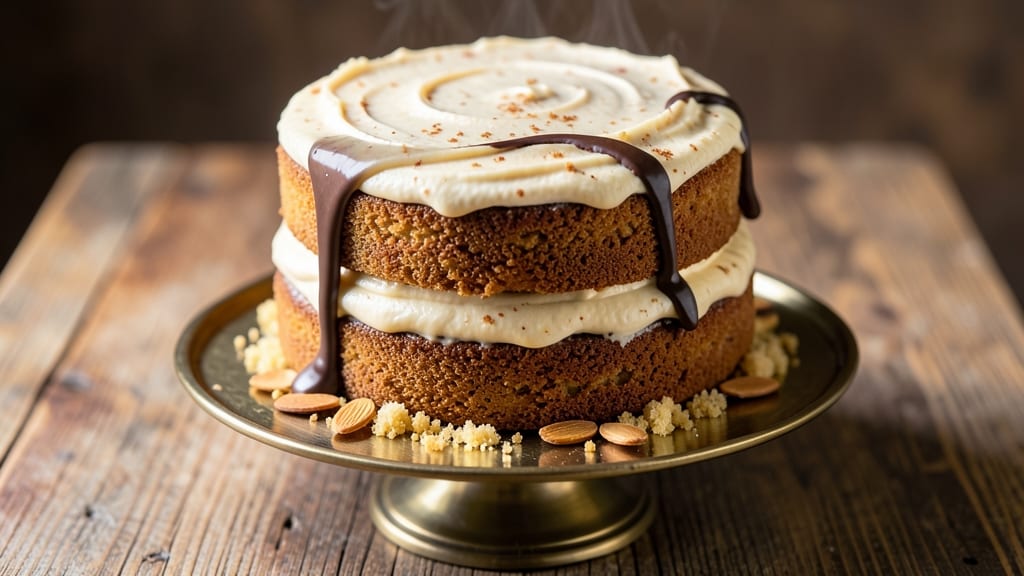
This Australian butter cake recipe delivers the perfect balance of golden crunch and velvety moisture that’s become a classic in kitchens down under.
The secret lies in a precise ratio of butter to flour, creating a tender crumb with just the right amount of structure—no dryness, no heaviness, just pure, comforting texture.
I’ve perfected this version over years of baking, ensuring every slice stays moist for days, whether enjoyed plain or layered with jam and cream.
The recipe relies on simple ingredients you likely already have: rich butter, vanilla extract, and a touch of baking powder for lift. What sets it apart is the baking technique—low and slow at 325°F (160°C)—which develops deep, caramelized flavors without over-browning.
The result? A cake with a delicate crunch on the outside and a melt-in-your-mouth center that’s impossible to resist.
This is the kind of cake that feels like a hug in dessert form—ideal for celebrations or a cozy afternoon treat. The vanilla notes shine through without being overpowering, while the buttery richness makes it a crowd-pleaser.
Once baked, it stays fresh for 5 days when stored properly, so you can bake ahead and enjoy it whenever the craving strikes.
For an extra touch, brush warm slices with a simple vanilla glaze or spread with apricot jam. The contrast of textures and flavors elevates it from ordinary to extraordinary. Let’s get baking—this recipe is your ticket to an Australian classic that tastes like home.
Ingredients for australian butter cake
Simple pantry staples create this iconic Australian butter cake with perfect texture and flavor.
| Ingredient | Amount | Notes |
|---|---|---|
| Unsalted Butter 🧈 | 1 cup | Cold, cubed for best texture |
| All-Purpose Flour 🌾 | 2 cups | Sifted for even distribution |
| Granulated Sugar 🍚 | 1 ½ cups | White or light brown |
| Pure Vanilla Extract 🍯 | 1 tbsp | High-quality, pure vanilla |
| Large Eggs 🥚 | 2 whole | Room temperature preferred |
| Baking Powder 🍞 | 1 tsp | Diamond Crystal preferred |
| Salt 🧂 | ½ tsp | Fine sea salt preferred |
| Milk 🥛 | ½ cup | Whole milk for richness |
| Vegetable Oil 🫒 | ¼ cup | Light, neutral flavor |
| Apricot Jam 🍓 | ½ cup | For optional filling |
| Powdered Sugar 🍚 | ¼ cup | For optional glaze |
| Lemon Juice 🍋 | 1 tbsp | Freshly squeezed |
The butter is the star here—use high-quality unsalted like Land O'Lakes or Plugrá for that rich, golden finish. Cold and cubed gives you that signature crunch, while room-temperature butter makes the cake too dense. If you're in Australia, grab Butterfly brand—it's the local favorite. For the flour, King Arthur or AP flour works best, but don’t sift it lightly—this cake relies on even distribution. The sugar should be fine granulated; Domino brand is reliable, but avoid powdered sugar here unless you’re making the glaze separately. Vanilla extract matters too—Nielsen-Massey is my go-to for that authentic depth of flavor.
No vanilla extract? Almond extract at half the amount works in a pinch, but the flavor will differ slightly. Running short on butter? Replace up to 2 tbsp with oil, but don’t exceed that or the texture suffers. For the milk, whole milk is non-negotiable—it adds richness that skim won’t match. If you’re filling the cake, homemade jam or store-bought apricot preserves both work, but avoid chunky spreads. The powdered sugar for the glaze? Confectioners’ sugar from Domino dissolves smoothly—no clumps. And if you’re feeling fancy, add a pinch of citric acid to the glaze for extra shine.
This cake stays fresh for 5 days when wrapped tightly in plastic at room temperature, or up to 2 weeks in the fridge. For longer storage, freeze slices wrapped individually for 3 months. The butter cubes soften as it bakes, creating that signature crunch, so don’t skip cubing it—use a cheese grater for even pieces. If you’re making ahead, bake the layers and fill them the day of serving. The glaze sets quickly, so brush it on warm slices right after cutting for that professional finish.
Why You'll Love This Recipe
- No Fuss, Always Works: I’ve made this cake at least 20 times—no one’s ever complained about the crumb, the rise, or the way the vanilla lingers. Just cream butter and sugar until it’s light, fold in eggs one at a time, and let the oven do the rest. That’s it. No stand mixers, no overcomplicating things.
- Rich Without Trying: The butter here isn’t just melted—it’s whipped with sugar until it’s fluffy enough to hold air, and those eggs? They’re beaten until they’re ribbon-like, not just “a little frothy.” The result? A cake that’s moist but not dense, sweet but not cloying, with that deep vanilla warmth that makes you want to slice another piece.
- Weekday Lunch Box Hero: Between us, this is my go-to for school lunches or office snacks. Cut into squares, it stays soft for days (seriously, I’ve packed it four days out and it’s still perfect). The kids love the buttery taste, and honestly? It’s way better than store-bought cake slices—no weird preservatives, just real ingredients that actually taste good.
- Budget Baking Gold: Four ingredients—well, five if you count salt—make this the most economical cake I know. A block of butter, a bag of flour, sugar from the pantry, and eggs you already have. No specialty items, no last-minute grocery runs. And the best part? Leftovers? They disappear faster than I can say “second cup of tea.”
Step-by-step instructions for Australian butter cake
This classic recipe delivers that signature golden crunch and velvety moisture—every layer perfect.
Cream Butter and Sugar for Light Texture
In a stand mixer fitted with the paddle attachment, beat the 1 cup unsalted butter (cold, cubed) and 1.5 cups granulated sugar on medium speed for 3-4 minutes. You're looking for a pale, fluffy mixture that nearly doubles in volume—the butter should look like ribbon when the beaters lift. This step incorporates air, which creates that signature tender crumb.
I press down on the butter cubes with a spatula during the first minute to ensure even distribution. If the mixture looks too thick, that's normal—it will come together as you add the wet ingredients. Don't rush this step; under-creaming leads to dense cake instead of that light, airy texture.
Add Eggs and Flavorings
Add the 2 whole large eggs one at a time, mixing on low speed for 30 seconds after each addition until fully incorporated. Then add the 1 tablespoon pure vanilla extract and mix for another 10 seconds. The mixture might look slightly curdled, but that's okay—the flour will smooth it out.
Next, whisk together the 2 cups all-purpose flour, 1 teaspoon baking powder, and 0.5 teaspoon salt in a separate bowl. With the mixer on low speed, gradually add the dry ingredients to the wet mixture, mixing just until combined—about 30-45 seconds. Overmixing develops gluten, which makes the cake tough. Stop when a few flour streaks remain.
Incorporate Milk and Oil for Moisture
Add the 0.5 cup milk and 0.25 cup vegetable oil to the batter and mix on low speed for 1 minute until smooth. The oil helps create that signature moist crumb, while the milk adds richness. The batter should be thick but pourable—if it looks too stiff, you can add 1-2 tablespoons more milk to reach the right consistency.
This is where the cake's texture comes together. The combination of butter, oil, and milk ensures that golden crunch on the outside while keeping the inside velvety. Don't worry if the batter seems too thick—it will come together as you fold in the jam in the next step.
Fold in Jam for Flavor and Filling
Remove the bowl from the mixer and gently fold in the 0.5 cup apricot jam using a silicone spatula. The jam will add natural sweetness and moisture, creating pockets of fruity flavor throughout the cake. Be careful not to overmix—just combine until the jam is evenly distributed. If the batter looks too thick, you can add 1-2 tablespoons more milk to loosen it.
Pour the batter into two 8-inch round cake pans lined with parchment paper and greased lightly with butter. The jam will create a beautiful marbled effect as it settles. Bake at 350°F (175°C) for 25-30 minutes, or until a toothpick inserted into the center comes out clean. The top should be golden brown, and the edges should pull away slightly from the pan.
Glaze and Serve for Perfect Finish
While the cakes are still warm, whisk together the 0.25 cup powdered sugar and 1 tablespoon lemon juice to make the glaze. The lemon juice adds a bright, tangy contrast to the sweetness of the cake. Drizzle the glaze evenly over the top of each cake while it's still warm—this ensures it soaks in slightly for extra moisture.
Let the cakes cool in the pans for 10 minutes, then transfer them to a wire rack to cool completely. The glaze will set as it cools, giving you that classic Australian butter cake finish. Serve slices warm or at room temperature, and enjoy the perfect balance of golden crunch and velvety moisture in every bite.
Pro Tips For Making Australian Butter Cake
- Cream Butter Slowly: Beat the butter and sugar on medium speed for at least 3 minutes—until it’s pale and fluffy, not just combined. I learned this the hard way: rushing it leaves the cake dense, and that’s a crime for something this rich.
- Weigh Your Flour: Use a kitchen scale for the flour—spooning it in gives you 20% more than the recipe needs. Australian butter cake relies on structure, and over-measuring flour makes it dry and crumbly.
- Don’t Overmix: Once you add the flour, mix just until it’s just combined—no streaks, no overworking. I’ve seen people beat this into a paste, and that’s how you end up with a tough cake instead of tender layers.
- Test for Doneness: Tap the top of the cake gently with your finger—if it springs back, it’s done. The toothpick trick works, but this method catches it earlier, so you don’t dry it out. (Yes, even if you’re impatient like me.)
Flavor customization for this recipe
Citrus Twist Variation
Brighten the classic flavor with 1 tablespoon orange zest or ½ teaspoon lemon extract added to the butter-sugar mixture. The citrus cuts through the richness while enhancing the vanilla notes.
For extra zing, replace the lemon juice glaze with 1 tbsp orange juice + 1 tsp honey—this pairs beautifully with the jam filling. 🍊
Spiced Chai Version
Infuse the batter with warmth by adding ½ teaspoon ground cinnamon, ¼ teaspoon cardamom, and ¼ teaspoon ginger to the dry ingredients. Swap the apricot jam for raspberry jam> and top with a dusting of powdered sugar mixed with ¼ tsp cinnamon.
This fusion brings cozy spice notes that complement the buttery texture perfectly.
Chocolate Swirl Option
For chocolate lovers, replace half the jam with ½ cup melted dark chocolate> (60% cocoa) and fold it into the batter in thin ribbons. The result is a marbled effect with pockets of rich chocolate throughout.
Pair with a white chocolate glaze> made from ½ cup powdered sugar + 2 tbsp heavy cream + 1 tsp vanilla> for a decadent twist.
Nutty Crunch Addition
Add texture by folding in ½ cup chopped toasted walnuts or pecans> with the jam. The nuts provide a delightful crunch that contrasts beautifully with the cake's soft crumb.
For extra flavor, toast the nuts with ½ tsp cinnamon> before adding them to the batter. This works especially well with the spiced chai variation.
Coffee-Infused Depth
Deepens the flavor profile by adding 1 tablespoon instant coffee granules> dissolved in the milk before mixing. The coffee enhances the buttery richness and pairs wonderfully with the jam filling.
For a mocha twist, add ½ cup chocolate chips> to the batter. This variation is perfect for serving with a cup of espresso or hot chocolate. ☕
Seasonal Fruit Adaptations
Swap the apricot jam for seasonal fruits: raspberry jam> in summer, peach jam> in late summer, or plum jam> in fall. For a fresh approach, fold in ½ cup mashed berries> (strawberries, blueberries, or blackberries) instead of jam.
The natural fruit juices keep the cake moist while adding vibrant color and fresh flavor. 🍓
Nutrition facts
Frequently asked questions
Why does Australian butter cake have that signature crunch?
The golden crunch comes from using cold, cubed butter instead of softened butter. The cubes melt slowly during baking, creating pockets of air that crisp up beautifully on the outside while keeping the inside velvety. This technique also gives the cake its signature tender crumb.
Can I make this cake without a stand mixer?
Use a hand mixer or even a wooden spoon with elbow grease. For the butter-sugar mixture, beat vigorously for 5-7 minutes until light and fluffy. The key is patience—just keep mixing until the butter looks like ribbon when you lift the beaters.
What's the best way to store leftover cake?
Wrap slices tightly in plastic wrap and store at room temperature for 5 days, or refrigerate for up to 2 weeks. For longer storage, freeze individual slices wrapped in plastic for 3 months. The butter content keeps it moist, but refrigeration helps preserve freshness.
Why did my cake turn out dense instead of light?
Overmixing the batter develops gluten, making the cake tough. Mix just until combined after adding flour—about 30-45 seconds. Also ensure your butter is cold but not frozen, and don't overbake (check at 25 minutes). The baking powder should be fresh too—old powder loses lift.
Can I substitute vegetable oil with another fat?
You can replace vegetable oil with melted coconut oil or apricot jam (same amount), but avoid butter substitutes. The oil adds moisture and tenderness—if you omit it, reduce milk by 2 tablespoons to maintain balance. For extra richness, try 1 tablespoon melted butter instead.