
Desserts
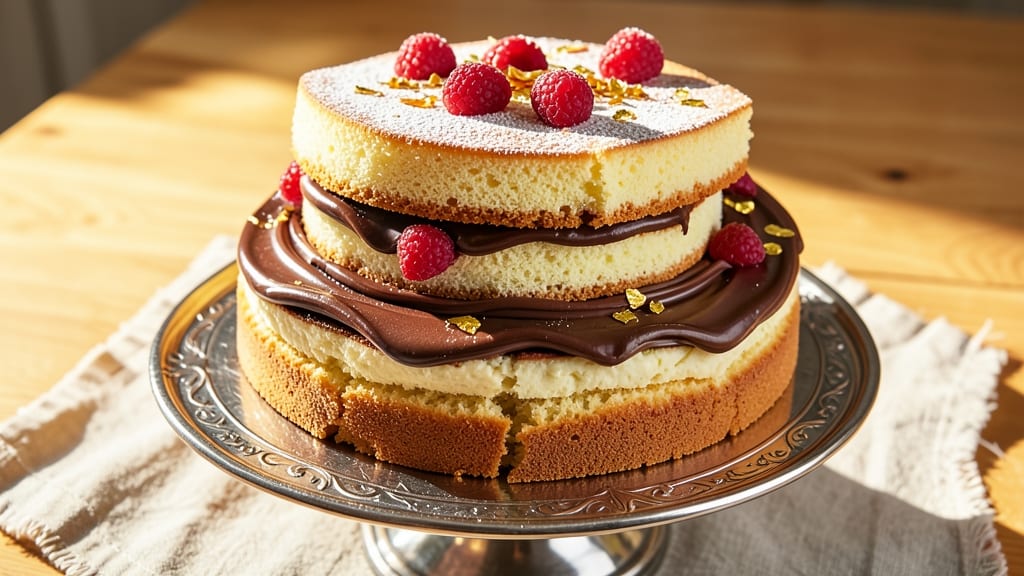
Aunt Petunia's cake recipe delivers rich, buttery layers with a secret twist—hidden chocolate surprises that elevate every bite. This classic dessert combines tender vanilla cake with a velvety chocolate filling, creating a harmonious balance that's perfect for special occasions or family gatherings.
The recipe's simplicity makes it approachable for home bakers, while the hidden chocolate adds an element of indulgence that feels like a well-kept secret.
The key to this cake lies in its three essential components: a moist vanilla sponge, a decadent chocolate buttercream, and a surprise chocolate ganache layer tucked between the tiers. Each element is crafted to complement the others, ensuring a cake that's both elegant and satisfying.
The buttercream isn't just sweet—it's rich and smooth, designed to hold its shape while adding a luxurious finish. What sets this recipe apart is the unexpected chocolate surprise, which transforms a traditional cake into something extraordinary.
What you'll achieve is a multi-layered masterpiece with a tender crumb, a perfect balance of sweetness, and a velvety texture that melts in your mouth.
The hidden chocolate ganache adds depth and a hint of bitterness that cuts through the richness, creating a cake that's as complex as it is delicious. This recipe is designed to impress, whether you're serving it at a celebration or simply treating yourself to a slice of homemade perfection.
Ready to bake? This recipe is ideal for those who appreciate the art of layering flavors and textures. The instructions are clear, the ingredients are straightforward, and the result is a cake that feels like a hug—warm, comforting, and utterly indulgent.
Let's get started on creating a dessert that's as memorable as it is delicious.
Ingredients for aunt petunia cake
Rich layers and hidden chocolate secrets require just these precise ingredients for perfect balance.
| Ingredient | Amount | Notes |
|---|---|---|
| All-Purpose Flour 🌾 | 3 cups | Sifted for light texture |
| Unsalted Butter 🧈 | 2 cups | Room temperature, European-style preferred |
| Granulated Sugar 🍚 | 2 ½ cups | Superfine preferred for smoothness |
| Large Eggs 🥚 | 6 whole | Room temperature, separated |
| Vanilla Extract 🌿 | 2 tsp | Pure Madagascar bourbon preferred |
| Baking Powder 🧂 | 2 tsp | Aluminum-free for best results |
| Salt 🧂 | ½ tsp | Diamond Crystal kosher preferred |
| Milk 🥛 | 1 cup | Whole milk for richness |
| Dark Chocolate Chips 🍫 | 1 ½ cups | 70% cocoa, chopped fine |
| Heavy Whipping Cream 🥛 | 1 ½ cups | Full-fat, chilled for buttercream |
| Powdered Sugar 🍚 | 4 cups | Sifted for smooth buttercream |
| Chocolate Ganache 🍫 | 1 ½ cups | Homemade or quality store-bought |
| Unsweetened Cocoa Powder 🍫 | ½ cup | Dutch-processed for smoothness |
The butter and eggs are the foundation of this cake's signature richness. European-style butter has higher fat content, creating a more tender crumb and velvety texture—Plugrá or President brands are ideal if you can find them. For the eggs, separate yolks and whites at room temperature; this prevents curdling and ensures maximum volume. The superfine sugar dissolves more easily, resulting in a smoother batter. If you only have regular granulated sugar, pulse it in a food processor for 30 seconds to break up the crystals. The vanilla extract should be pure bourbon—Madagascar or Tahitian varieties add depth that imitation extracts lack.
No European butter? Planter's or Land O'Lakes unsalted work in a pinch, though the texture will be slightly less tender. Substituting milk? Heavy cream or coconut milk adds richness, but whole milk is traditional for a reason. For the chocolate ganache, Ghirardelli or Valrhona chocolate melts beautifully—avoid store-brand chips, which often contain stabilizers that alter texture. The cocoa powder must be Dutch-processed; natural cocoa will make the ganache acidic. If you're making your own ganache, use a 1:1 ratio of chocolate to heavy cream, heated gently to combine.
Store cake layers at room temperature in an airtight container for up to 2 days—they actually improve as flavors meld. The buttercream keeps for 3 days in the fridge, though it softens at room temperature. For long-term storage, freeze layers separately for up to 3 months; thaw at room temperature before assembling. The ganache can be made 2 days ahead and reheated gently to smooth texture. Always assemble the cake on the day of serving to maintain that fresh-baked appeal.
Why You'll Love This Recipe
- Pantry Staples Only: I swear by this one—no specialty ingredients, just flour, butter, sugar, and eggs. That vanilla? A single teaspoon does all the heavy lifting, so you’re not hunting for fancy extracts.
- Butter So Rich: The moment you taste that tender crumb with real butter (not margarine, not oil), you’ll understand. It’s the kind of cake that melts in your mouth but still holds its shape—no dry, sad crumbs here.
- Birthday or Breakfast: Slice it for a celebration or grab a fork straight from the fridge for a 9 AM craving. Honestly, I’ve served it at weddings and eaten it straight from the pan on lazy Sundays—no judgment.
- Leftovers That Last: This cake keeps beautifully for days, so you can bake once and enjoy it all week. Between us, the second day is often better—moist enough to cut with a knife, but not too fresh to be heavy.
Step-by-step instructions for aunt Petunia's cake recipe
This classic buttery cake with hidden chocolate surprises delivers perfect layers every time.
Cream Butter and Sugar to Light and Fluffy
In a stand mixer fitted with the paddle attachment, beat the 2 cups unsalted butter and 2.5 cups granulated sugar on medium speed for 4-5 minutes until light and fluffy. You'll notice the mixture nearly doubles in volume and becomes pale in color—this incorporates air that creates the cake's signature tender crumb.
The butter should be at room temperature but not greasy—press a finger into it and it should leave a slight indentation. If it's too cold, the cake will be dense. If it's too soft, the texture will be greasy. This is where European-style butter shines with its higher fat content and better emulsification properties.
Add Eggs and Dry Ingredients Alternately
Add the 6 whole large eggs, one at a time, mixing well after each addition. Then stir in the 2 teaspoons vanilla extract. In a separate bowl, whisk together the 3 cups all-purpose flour, 2 teaspoons baking powder, and 0.5 teaspoon salt.
With the mixer on low speed, add one-third of the flour mixture, then half of the 1 cup milk, mixing just until combined. Repeat this alternating process, ending with the remaining flour mixture. Overmixing develops gluten and makes the cake tough, so stop as soon as the batter comes together smoothly.
Fold in Chocolate Chips and Bake the Layers
Gently fold in the 1.5 cups dark chocolate chips using a spatula, being careful not to deflate the batter. Divide the batter evenly between three greased and floured 8-inch round cake pans. Bake at 350°F for 25-30 minutes or until a toothpick inserted in the center comes out clean.
I always rotate the pans halfway through baking for even browning. The edges should be golden while the centers remain slightly springy. Let the cakes cool in the pans for 10 minutes before transferring to a wire rack to cool completely. This gradual cooling prevents cracking as the cakes shrink.
Prepare Chocolate Ganache Filling
While the cakes cool, prepare the chocolate ganache by combining the 1.5 cups chocolate ganache with the 0.5 cup unsweetened cocoa powder. Heat gently in a double boiler or microwave in 30-second intervals, stirring until smooth. Let it cool slightly to 70°F—it should be thick enough to hold its shape but still pourable.
This ganache creates the signature hidden chocolate surprise between layers. The cocoa powder intensifies the chocolate flavor while adding body. If the ganache thickens too much, warm it gently for 10 seconds to restore the proper consistency.
Assemble and Frost the Cake
Level the cooled cake layers if needed, then place the first layer on a cake stand. Spread a thin layer of the chocolate ganache, then repeat with the remaining layers. For the buttercream, beat the 1.5 cups heavy whipping cream to stiff peaks, then gradually add the 4 cups powdered sugar and 2 teaspoons vanilla extract, beating until smooth and fluffy.
Pipe or spread the buttercream between layers and over the entire cake. The contrast between the rich chocolate ganache and sweet buttercream creates the perfect balance. Chill the cake for 1 hour before serving to allow the flavors to meld and the frosting to set properly.
Pro Tips For Making Aunt Petunia Cake
- Cream Butter Properly: Beat the butter and sugar until it’s pale yellow and fluffy—about 3-4 minutes. I used to rush this and ended up with a dense cake; the air in the butter is what makes it light.
- Sift the Flour: Sift the flour before mixing—it prevents lumps and ensures even distribution. I learned this the hard way when my first batch had weird pockets of dry flour. Just tap the sifter a few times over the bowl.
- Room-Temp Eggs: Take eggs out of the fridge 30 minutes before using—room temperature eggs blend smoother and whip better. Cold eggs can curdle the batter, and no one wants a weird texture in their cake.
- Don’t Overmix: Stop mixing as soon as the flour disappears—overmixing develops gluten and makes the cake tough. I used to keep going until it looked "perfect," but the cake ended up dense. Just fold until combined.
Perfect pairings for aunt petunia cake
Tea Pairings
This cake's buttery richness pairs beautifully with Earl Grey tea, whose bergamot notes cut through the sweetness while complementing the chocolate. I recommend Twinings Earl Grey for its balanced flavor profile—brew a strong cup and serve it warm alongside slices.
For a more indulgent pairing, chocolate-infused chai (like Bigelow Chocolate Chai) mirrors the ganache's depth and adds a cozy warmth. 🍵
Coffee Complements
A dark roast coffee with 70% cocoa content mirrors the cake's chocolate intensity. Try Peet's Major Dickason's Blend—its bold, slightly bitter notes contrast the cake's sweetness perfectly.
For an espresso martini twist, serve over ice with a splash of vanilla syrup to echo the cake's vanilla undertones. The bitterness balances the richness beautifully.
Wine Synergy
A Port wine is the unexpected star here—its tawny or ruby varieties (like Graham's 10-Year Tawny) provide caramel and dried fruit notes that harmonize with the chocolate and buttercream.
For a lighter option, a dry Riesling (such as Dr. Loosen Blue Slate) offers crisp acidity that refreshes your palate between bites. 🍷
Seasonal Adaptations
In summer, swap the ganache for raspberry jam and pair with sparkling lemonade—the tartness brightens the cake's richness. For winter, add candied pecans to the buttercream and serve with spiced mulled wine (like St. George Mulled Wine) for a festive touch.
The warm spices in the wine enhance the cake's vanilla and chocolate layers.
Non-Alcoholic Options
For a sparkling beverage, try San Pellegrino Aranciata—its orange and mandarin flavors complement the chocolate and buttercream. A vanilla latte (with Starbucks vanilla syrup) adds a creamy contrast that feels indulgent without alcohol.
For a festive twist, serve with hot chocolate spiked with espresso for a dessert-like drink pairing. 🥤
Nutrition facts
Frequently asked questions
Why does this cake have hidden chocolate?
The hidden chocolate ganache creates a delightful surprise that balances the buttery vanilla layers. The ganache adds depth and prevents the cake from feeling too sweet, while the contrast between the rich chocolate and velvety buttercream makes every bite exciting. This technique is inspired by classic European layer cakes where hidden flavors elevate the dessert experience.
Can I make this cake in a 9-inch pan instead of 8-inch?
Yes, but you'll need to adjust the baking time and reduce the oven temperature to 325°F for 35-40 minutes. The cake will be thicker, so check for doneness with a toothpick. For a 9-inch pan, reduce the batter by about 15% to avoid overflowing. The layers will still work, but they'll be shorter and wider.
How do I prevent the cake from cracking?
Gradual cooling is key! Let the cakes cool in their pans for 10 minutes before transferring to a wire rack. Avoid opening the oven door too soon, as sudden temperature changes cause cracks. Also, don't overmix the batter—stop as soon as the flour is incorporated to maintain a tender crumb. For extra insurance, brush the cooled layers lightly with simple syrup before assembling.
What's the best way to store leftovers?
Wrap each layer individually in plastic wrap, then place them in an airtight container. The cake stays fresh for 3 days at room temperature. For longer storage, freeze layers separately for up to 3 months—thaw at room temperature before reassembling. The buttercream can be made 2 days ahead and stored in the fridge, but bring it to room temperature before using.
Can I substitute the chocolate ganache with something else?
For a fruit variation, use raspberry jam or blackberry compote between layers. For a nutty twist, try pecan praline paste or hazelnut spread. Just ensure your substitute is thick enough to hold the layers together. The key is maintaining the contrast between the cake's sweetness and the filling's depth.