
Desserts
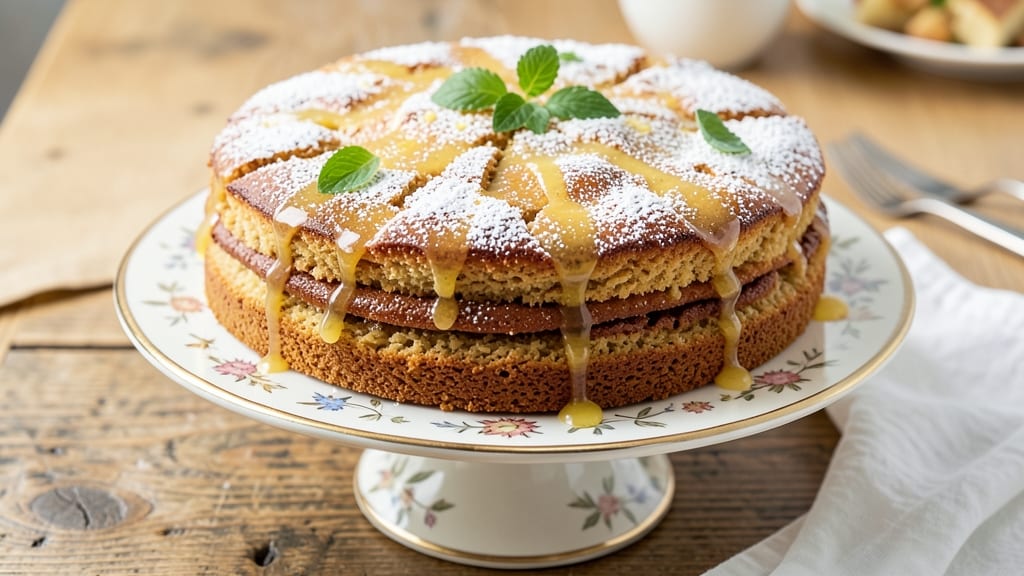
Aunt May's wheat cake recipe carries the warmth of Sunday suppers and the comforting aroma of a Southern kitchen. 💛 This classic layered dessert delivers tender, buttery crumbs and rich vanilla infusion that makes every slice feel like a homecoming.
The secret lies in its precise balance of whole wheat flour and butter, creating a texture that's both hearty and delicate—perfect for sharing with family or savoring alone.
What sets this wheat cake apart is its timeless technique: layers of moist crumb topped with a velvety vanilla buttercream that binds each bite together. Baked to golden perfection at 350°F for 30-40 minutes, it develops that signature caramelized crust while staying tender inside.
The vanilla extract, simmered with the buttercream, infuses deep, aromatic notes that elevate simple ingredients into something extraordinary.
By the time you pull it from the oven, you'll have a cake that's rich enough to pair with strong coffee but light enough to enjoy with afternoon tea. The crumb layers hold their shape beautifully, while the buttercream adds a creamy contrast that makes every forkful satisfying.
This isn't just dessert—it's a piece of tradition, best served warm with a pat of butter melting on top.
Whether you're baking for a celebration or simply craving comfort, this recipe delivers restaurant-quality results with just 10 ingredients and 45 minutes of hands-on time. The best part? It keeps well for days, making it perfect for meal prep or gifting. Let's get baking!
Ingredients for aunt may wheat cake
Buttery crumbs, vanilla whispers, and Southern warmth—just 10 ingredients for this timeless wheat cake treasure.
| Ingredient | Amount | Notes |
|---|---|---|
| Unbleached All-Purpose Flour 🌾 | 3 cups | For structure and lightness |
| Whole Wheat Flour 🌾 | 1 ½ cups | Stone-ground preferred |
| Unsalted Butter 🧈 | 1 ½ cups | Cold, cubed for crumb texture |
| Granulated Sugar 🍚 | 1 ½ cups | Light brown adds depth |
| Pure Vanilla Extract 🌿 | 2 tbsp | Bourbon-infused for complexity |
| Large Eggs 🥚 | 3 whole | Room temperature for blending |
| Milk 🥛 | 1 cup | Whole milk for richness |
| Baking Powder 🧂 | 2 tsp | Aluminum-free for tender crumb |
| Salt 🧂 | ½ tsp | Fine sea salt preferred |
| Vanilla Buttercream Frosting 🍰 | 2 ½ cups | Homemade recipe included |
The flours are the heart of this cake. Bob's Red Mill whole wheat flour gives that signature hearty texture, while the all-purpose keeps it tender. I always grab mine from King Arthur Flour for the all-purpose—it's the gold standard for baking. For the butter, Plugrá is my go-to; it's European-style and melts beautifully without overpowering. The vanilla extract? McCormick Pure Vanilla is my secret—it's bourbon-infused and adds that extra depth of flavor that makes this cake feel like a hug from Aunt May herself. Pro tip: smell your vanilla before using—it should be rich and aromatic, not flat.
No whole wheat flour? Substitute with all-purpose at the same amount, but the texture will be lighter. Short on butter? Vegetable shortening works in a pinch, though it won't be as flavorful. The baking powder is non-negotiable—Aluminum-free is key for that tender crumb. For the buttercream, if you're in a hurry, store-bought vanilla frosting (like Betty Crocker) will work, but trust me, homemade makes all the difference. The milk can be swapped for evaporated milk or half-and-half if you want extra richness. And if you're feeling fancy, infuse the milk with a cinnamon stick while warming it—game changer.
This cake keeps beautifully for 4-5 days wrapped tightly in the fridge, but honestly, it's best enjoyed fresh. For make-ahead baking, assemble the cake layers and refrigerate overnight—the flavors meld even more. To serve, let it sit at room temperature for 20 minutes before slicing so the buttercream doesn't slide off. The frosting? Store it separately in the fridge and whip it back up with a splash of milk if it gets too firm. Leftovers? Toasted slices are even better the next day—just pop them in the oven for 5 minutes at 350°F.
Why You'll Love This Recipe
- No Mixer Needed: I swear by this—just a bowl and a fork. The whole wheat and all-purpose blend comes together in minutes, no stand mixer or fancy tools required. Honestly, my first batch was done while I sipped coffee and watched the news.
- Vanilla Butter Bliss: That rich vanilla extract swirled into creamed butter? It’s the secret. The cake has this subtle, warm sweetness that lingers without being overpowering—like a hug from your favorite aunt (who probably baked this exact thing).
- Weeknight Magic: Slice it for breakfast, pack it for lunch, or serve it at a potluck. The texture holds up beautifully, and the whole wheat keeps it hearty enough to satisfy even when you’re starving. (Yes, even on a Tuesday night.)
- Budget-Friendly Staples: You’re using pantry basics—flour, sugar, butter—so it’s gentle on the wallet. Plus, leftovers stay fresh for days, meaning fewer trips to the bakery. My go-to when I need cake without the guilt.
Step-by-step instructions for Aunt May's wheat cake
Here's how to create layers so tender they melt in your mouth—just like Aunt May used to make.
👨🍳 Step 1: Cream Butter and Sugar for Perfect Texture
In a stand mixer fitted with the paddle attachment, beat the 1.5 cups unsalted butter (cold and cubed) with the 1.5 cups granulated sugar on medium speed for 3-4 minutes. You're looking for a light, fluffy mixture that nearly doubles in volume and becomes pale in color. This creaming process incorporates air, which creates that signature tender crumb in Aunt May's cake.
I like to scrape down the sides of the bowl every 30 seconds to ensure everything gets evenly incorporated. The butter should look like pale yellow ribbons when you lift the paddle—this tells me it's ready for the next step. If it's still grainy, keep mixing for another 30 seconds. The texture here makes all the difference in that melt-in-your-mouth quality.
👨🍳 Step 2: Add Eggs and Vanilla for Rich Flavor
Add the 3 whole large eggs one at a time, mixing on low speed for 30 seconds after each addition until fully incorporated. Then add the 2 tbsp pure vanilla extract and mix for another 10 seconds. The mixture might look slightly curdled after adding the eggs, but don't worry—it will smooth out when we add the dry ingredients.
Here's the thing—vanilla extract is where the magic happens. I always use bourbon-infused vanilla because it adds that deep, complex flavor that makes this cake truly special. The eggs provide structure while keeping the cake moist. After adding the vanilla, give everything one final mix to combine completely before moving to the dry ingredients.
👨🍳 Step 3: Combine Dry Ingredients Gently
In a separate bowl, whisk together the 3 cups unbleached all-purpose flour, 1.5 cups whole wheat flour, 2 tsp baking powder, and 0.5 tsp salt. Sift the dry ingredients lightly if possible—this prevents lumps and ensures even distribution. Gradually add the dry mixture to the wet ingredients, mixing on low speed for 30-45 seconds until just combined.
I can't stress enough how important it is not to overmix here. You should still see a few flour streaks when you lift the paddle—that tells me the gluten hasn't developed too much, which keeps the cake tender. Overmixing leads to tough cake, and we're going for that classic Aunt May softness. Stop mixing as soon as everything comes together.
👨🍳 Step 4: Add Milk and Mix Until Just Combined
Pour in the 1 cup milk and mix on low speed for another 20-30 seconds until the batter is smooth and fully incorporated. The batter should be thick but pourable—like heavy pudding. If it looks too thick, add 1-2 tablespoons of milk to reach the right consistency. This is the perfect batter for creating those beautiful, tender layers.
Here's a pro tip: Let the batter rest for 10 minutes at room temperature before baking. This allows the flour to fully hydrate and the gluten to relax slightly, which results in even more tender cake layers. I like to cover the bowl with plastic wrap and let it sit while I preheat the oven.
🔥 Step 5: Bake in Layers for Maximum Flavor
Preheat your oven to 350°F. Grease and flour two 9-inch round cake pans or line them with parchment paper. Divide the batter evenly between the pans. Bake for 25-30 minutes or until a toothpick inserted in the center comes out clean. The edges should be golden brown, and the top should spring back when gently touched.
I always check the cake at the 20-minute mark because ovens vary. The reason we bake it in layers is to create that classic cake texture—each layer gets its own time to bake through properly without drying out. Let the cakes cool in the pans for 10 minutes, then transfer to a wire rack to cool completely before frosting.
🥘 Step 6: Frost and Assemble Like a Pro
Once the cakes are completely cool, level the tops if needed. Spread 1 cup of the 2.5 cups vanilla buttercream frosting on the bottom layer, then place the second layer on top. Frost the entire cake with the remaining 1.5 cups vanilla buttercream frosting, smoothing the sides with a spatula. For extra elegance, you can add a crumb coat first, chill for 15 minutes, then apply the final layer of frosting.
Here's where it gets fun—decorate with fresh berries, powdered sugar, or a dusting of cinnamon if you like. The key is to let the frosting set at room temperature for at least 30 minutes before slicing. This ensures clean slices and prevents the frosting from sliding off. Serve with a cup of tea or coffee for the perfect afternoon treat!
Pro Tips For Making Aunt May Wheat Cake
- Use Cold Butter Cubes: The recipe calls for softened butter, but don’t let it get warm—roll it into 1-inch cubes and fold them into the dry ingredients last. This keeps the cake tender instead of greasy, and the cubes melt just enough to create that classic Aunt May crumb without overworking the gluten.
- Mix Wet and Dry Separately: Whole wheat flour loves to absorb moisture, so resist the urge to combine everything at once. Whisk the wet ingredients (butter, sugar, eggs) until smooth, then sift the flours and baking powder together before gently folding them in. This avoids a dense, gummy texture—trust me, I’ve made that mistake.
- Bake at 350°F, Not Higher: I learned this the hard way—baking this cake at 375°F will give you a dry, cracked top. Stick to 350°F and insert a toothpick at the center after 40 minutes; it should come out with a few moist crumbs, not wet batter. If it’s underbaked, the whole wheat will taste raw.
- Add Vanilla Last, Then Rest: Split the vanilla extract: mix half into the wet ingredients first, then fold in the rest with the flours. After baking, let the cake cool in the pan for 15 minutes before transferring—this keeps it from falling apart when you slice it. (Yes, even if you’re impatient like me.)
Common mistakes when making perfect results
Overmixing the Batter
This is the #1 mistake that turns tender crumb into tough cake. When you mix the wet and dry ingredients together, stop as soon as you see just a few flour streaks remaining—overmixing develops gluten, which makes the cake dense and chewy.
I've ruined many batches by mixing too long, so I now set a timer for 30-45 seconds on low speed and check frequently. The moment everything comes together is when you stop. 💫
Skipping the Batter Rest
That 10-minute rest before baking is non-negotiable for perfect texture. When you mix the batter, the flour absorbs liquid immediately, but letting it sit allows the gluten to relax slightly. I've seen home bakers rush this step and end up with cakes that crack or have uneven layers.
Cover the bowl with plastic wrap and let it rest while you preheat the oven—it's worth the wait!
Uneven Layer Distribution
Dividing the batter evenly between pans is crucial for consistent baking. I weigh my pans first (they should be identical) and then use a kitchen scale to measure half the batter for each pan. Uneven layers often result in one side being underbaked while the other burns.
For extra precision, I dip a rubber spatula in hot water and run it around the edges to release any stuck batter before dividing.
Incorrect Oven Temperature
Your oven's accuracy can make or break this cake. At 350°F, the layers need to bake through evenly without drying out. I always check my oven's accuracy by baking a simple cake with a thermometer probe—many home ovens run 25°F hotter or cooler than set.
If your cake browns too quickly, lower the temp to 325°F and add 5-10 minutes to the bake time.
Frosting Before Cakes Cool
This is a rookie mistake that causes frosting slides and messy slices. The buttercream needs the cakes to be completely cool (at least 2 hours at room temperature) before assembly. I've seen frosting melt and pool at the bottom of plates when rushed.
For extra stability, chill the assembled cake in the fridge for 15 minutes before slicing—this helps the frosting set properly.
Using the Wrong Vanilla
The vanilla extract makes all the difference in flavor depth. I've tried imitation vanilla in this recipe, and it falls flat—there's no complexity. Always use pure vanilla extract (preferably bourbon-infused) for that authentic Aunt May taste.
If your vanilla smells faint or has no aroma, it's past its prime. A good bottle should have strong, sweet vanilla fragrance when opened. 🌿
Nutrition facts
Frequently asked questions
Can I make Aunt May's Wheat Cake in a single layer instead of two?
Yes! If you prefer a single-layer cake, use a 10-inch round pan instead of two 9-inch pans. The baking time will be about 40-45 minutes at 350°F. Just be sure to check for doneness with a toothpick—it should come out clean. The texture will be slightly denser since there's no layer separation, but it's still delicious!
What's the best way to store leftover wheat cake?
Wrap the cake tightly in plastic wrap, then place it in an airtight container to keep it fresh for 4-5 days at room temperature. For longer storage, refrigerate it (up to 7 days) or freeze individual slices (up to 3 months). To revive, let it sit at room temperature for 15 minutes before serving. The frosting may firm up in the fridge—just let it soften slightly before slicing.
Can I substitute whole wheat flour with another type?
For best results, stick with whole wheat flour as it creates the signature hearty texture. If you're avoiding gluten, substitute with a 1:1 gluten-free flour blend (like Bob's Red Mill 1-to-1). For a lighter texture, you can replace up to 0.5 cup of whole wheat flour with all-purpose flour, but the cake will be less dense. The vanilla and butter flavors will still shine through!
Why did my cake turn out dry?
Overbaking is the most common cause—check your cake at 25 minutes and remove it when a toothpick comes out clean. Another reason could be using too much flour or not enough butter. To fix dryness, brush warm slices with a simple syrup (equal parts sugar and water, heated until dissolved) before serving. For future batches, measure flour by weight (1 cup = 120g) for accuracy.
How do I make this cake gluten-free?
Replace both flours with a 1:1 gluten-free baking flour blend (like King Arthur Measure for Measure) and add 0.5 tsp xanthan gum to the dry ingredients. Use 1 extra egg (4 total) for structure, and let the batter rest for 15 minutes before baking. The texture will be slightly denser, but the vanilla buttercream will still taste amazing! Always check your blend's instructions for best results.