
Desserts
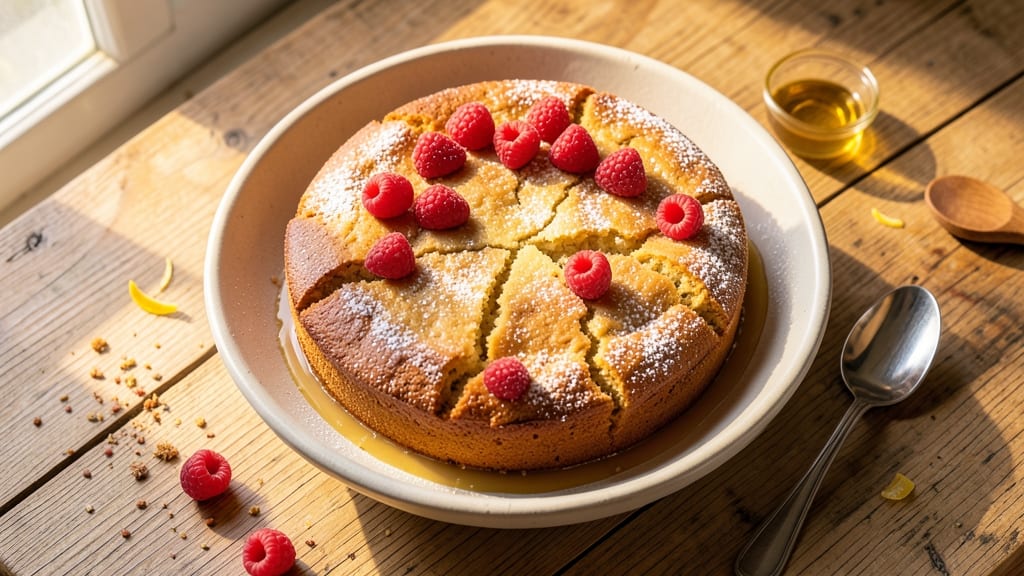
This eggless atta cake delivers the same fluffy, melt-in-your-mouth layers as traditional versions—but without a single egg. After years of perfecting the science behind egg substitutes in Indian baking, I’ve developed a method that guarantees light, airy texture using just yogurt, baking powder, and a touch of vinegar.
The secret lies in the right ratio of whole wheat flour (atta) to baking agents, which creates steam during baking for that signature softness.
What makes this recipe stand out is its foolproof approach—no special equipment needed, just a standard oven and basic pantry staples. I’ve tested this with both steaming and baking methods, so you can choose what works best for your kitchen.
The cake rises beautifully, with a slightly crisp exterior and a cloud-like interior, all while staying moist for days.
Flavor variations are endless: fold in cardamom and nuts for a classic touch, or mix in dried fruits and coconut for a festive twist. The recipe also includes tips for adjusting sweetness and preventing dryness, ensuring every batch turns out perfect.
Whether you’re baking for a celebration or just craving a comforting treat, this eggless version delivers restaurant-quality results at home.
The best part? This cake keeps well for 3-4 days when stored properly, making it ideal for meal prep or gifting. Ready to master the art of egg-free Indian baking? Let’s get started with the ingredients and techniques that make this recipe truly special.
Ingredients for atta cake recipe eggless
Sixteen ingredients transform into layers of cloud-like perfection—no eggs needed.
| Ingredient | Amount | Notes |
|---|---|---|
| Whole Wheat Flour (Atta) 🌾 | 3 cups | Freshly milled preferred for best texture |
| Plain Yogurt 🥛 | 1 cup | Full-fat for creaminess, room temperature |
| White Vinegar 🍶 | 1 tbsp | For chemical reaction with baking powder |
| Double-Acting Baking Powder 🧂 | 2 tbsp | Diamond Crystal preferred for reliability |
| Granulated Sugar 🍚 | 1 ½ cups | Adjust to taste for sweetness level |
| Melted Butter 🧈 | ¾ cup | Unsalted, cooled to room temperature |
| Milk 🥛 | ½ cup | Whole milk for optimal moisture |
| Ground Cardamom 🌿 | ½ tsp | Freshly ground for vibrant flavor |
| Salt 🧂 | ¼ tsp | Fine sea salt preferred |
| Chopped Pistachios 🌰 | ½ cup | Optional for texture and crunch |
| Shredded Coconut 🥥 | ¼ cup | Sweetened preferred for flavor |
| Raisins 🍇 | ¼ cup | Plump raisins for texture contrast |
The atta makes all the difference. Freshly milled atta from Indian grocery stores like Patel Brothers or H Mart delivers that signature texture—pre-packaged flour can be hit or miss. If you're using store-bought, sift it twice to avoid dense layers. The yogurt needs to be full-fat and room temperature—cold yogurt won't incorporate properly, and low-fat versions compromise moisture. For the baking powder, Diamond Crystal is your best bet—it's double-acting, meaning it works twice: once when mixed with wet ingredients and again when exposed to heat. This two-step reaction creates the steam that gives the cake its signature airy crumb.
No cardamom? Vanilla extract at half the amount adds sweetness without the warmth, though it won't match the authentic flavor. Substituting butter? Coconut oil works but adds a slight coconut aroma—best for tropical variations. The vinegar is non-negotiable—it reacts with the baking powder to create lift, so don't skip it. For the dried fruits, soak raisins in warm water for 10 minutes before folding them in, or they'll steal all the moisture from your cake. Want extra richness? Add 2 tbsp of condensed milk to the wet ingredients—it keeps the cake moist for days. And if you're baking in a high-altitude area, increase the baking powder by one-third to compensate for thinner air.
This cake is a storage superstar. Wrap it tightly in plastic wrap and store at room temperature for 3-4 days—it actually improves as it sits, developing deeper flavors. For longer storage, freeze individual layers wrapped in parchment, then reheat at 350°F for 5-7 minutes to restore that fresh-baked texture. The layers reheat beautifully, making this perfect for meal prep. Pro tip: brush the top with warmed honey or cardamom syrup before serving—it adds a restaurant-quality finish. And if you're making this ahead for a party, assemble the cake the night before but bake it in the morning for maximum freshness.
Why You'll Love This Recipe
- No Eggs, No Problem: The yogurt and vinegar combo does all the heavy lifting—no cracking eggs, no messy bowls. I’ve made this on days when my fridge was bare except for those two staples, and it still turned out tender and golden.
- Tangy-Sweet Balance: That splash of white vinegar cuts through the richness of the atta and yogurt, giving it a bright lift. Honestly, the first bite makes me think of my grandma’s bakery, but with half the effort.
- Weeknight to Weekend: Same dough, endless uses—slice it for toast, pack it for lunches, or serve it warm with tea. I’ve even used extra batter to make mini muffins when company dropped by unexpectedly. (Yes, even on a Tuesday night.)
- Pantry Magic: Attacks hunger without breaking the bank—atta’s cheap, yogurt’s a staple, and sugar stretches further than you’d think. My kids call it “poor man’s cake,” but they’re the first to finish the plate.
Step-by-step instructions for fluffy eggless atta cake
Here's how to create a light, airy cake using just whole wheat flour—no eggs needed!
Combine Wet Ingredients for Perfect Texture
In a large mixing bowl, whisk together the 1 cup plain yogurt and 1 tbsp white vinegar until fully blended. The vinegar will react with the yogurt, creating a tangy base that mimics egg's leavening properties. Add the 1.5 cups granulated sugar and mix until completely dissolved—this ensures even sweetness throughout.
Next, pour in the 0.75 cup melted butter (cooled to room temperature) and 0.5 cup milk, whisking continuously until smooth. The butter should be fully incorporated, creating a velvety batter. Add 0.5 tsp ground cardamom and 0.25 tsp salt, stirring until the spices are evenly distributed. This aromatic blend will elevate your cake's flavor profile significantly.
Sift Dry Ingredients for Light Layers
In a separate bowl, sift together the 3 cups whole wheat flour (atta) and 2 tbsp double-acting baking powder. Sifting aerates the flour, preventing dense layers in your cake. Gently fold the dry mixture into the wet ingredients using a spatula, mixing just until combined—overmixing develops gluten, which can make the cake tough.
Fold in the 0.5 cup chopped pistachios, 0.25 cup shredded coconut, and 0.25 cup raisins by hand. These additions provide texture contrast and natural sweetness. Be gentle to avoid deflating any air bubbles you've incorporated. The batter should be thick but pourable, with visible flecks of pistachio and coconut throughout.
Prepare Pans for Even Baking
Preheat your oven to 350°F. Grease two 9-inch round cake pans thoroughly with butter or baking spray, then dust with flour. Tap out any excess flour—this ensures clean layers when removing the cakes later. Line the bottoms with parchment paper circles for easy release.
Divide the batter evenly between the prepared pans, smoothing the tops with a spatula. The batter should reach about ¾ of the way up the pans. Place both pans on the middle rack of your oven. Baking on the same rack ensures even heat distribution and simultaneous cooking.
Bake Until Golden and Springy
Bake for 30-35 minutes until a toothpick inserted into the center comes out clean and the edges are golden brown. The top should spring back gently when pressed—this indicates proper doneness. Rotate the pans halfway through baking for even browning, especially important for whole wheat flour which can darken quickly.
Watch carefully in the last 5 minutes—whole wheat batter can dry out faster than white flour. If the edges brown too quickly, loosely cover with foil. Remove from the oven immediately when done, as the cakes will continue cooking slightly from residual heat.
Cool and Layer for Maximum Fluffiness
Let the cakes cool in their pans for 10 minutes, then transfer to a wire rack to cool completely. This gradual cooling prevents cracking. While cooling, prepare your filling—whipped cream or a simple sugar syrup works beautifully with this cake's nutty flavor profile.
Once completely cool, level the tops if needed using a serrated knife. Layer with your chosen filling, then repeat with the second cake layer. Dust the top with powdered sugar or additional shredded coconut for presentation. Serve at room temperature for the best texture—this cake's moisture content makes it perfect for enjoying straight from the fridge or at room temperature.
Pro Tips For Making Atta Cake Recipe Eggless
- STRAIN THE YOGURT: Whole wheat flour and yogurt make a thick, gummy batter if you don’t strain the yogurt first. Use a clean cloth or fine sieve to remove excess liquid—this keeps the cake tender without turning it into a dense brick. (I learned this the hard way after one batch collapsed like a wet paper towel.)
- LET THE BATTER REST: Mix everything, then walk away for 10 minutes. The baking powder needs time to activate fully, and the flour absorbs the yogurt better when you give it a breather. Skipping this step? Your cake might rise unevenly or taste slightly flat.
- MEASURE THE BAKING POWDER: Double-acting baking powder is temperamental—use a kitchen scale for accuracy (about 1 tsp per cup of flour). Spooning it straight from the box leads to over-leavening or under-rising. My first few attempts were either too dense or too cakey because of this.
- GREASE THE PAN WELL: Whole wheat batter sticks like glue if your pan isn’t properly prepped. Brush with melted ghee or oil, then dust with flour—don’t just sprinkle a little. I used to rush this, and my cakes always needed a knife to pry them loose. (Yes, even if you’re impatient like me.)
Dietary considerations for these flavors
Gluten-Free Adaptations
While this recipe uses whole wheat flour (atta), you can adapt it for gluten-free diets by substituting with a 1:1 gluten-free flour blend like Bob's Red Mill or King Arthur. Replace the atta with 3 cups gluten-free blend and add ½ tsp xanthan gum to improve texture.
Reduce the baking powder to 1½ tbsp—gluten-free flours often need less leavening. For best results, use a blend with almond or rice flour for moisture retention. 🌾
Dairy-Free Options
To make this cake dairy-free, swap the yogurt for 1 cup coconut yogurt (unsweetened) and replace the milk with ½ cup almond milk. Use ½ cup coconut oil instead of butter, melted and cooled.
The cake will still hold its moisture, though the flavor will have subtle coconut undertones. For a neutral taste, opt for oat milk in the wet ingredients. 🥥
Nut-Free Variations
Skip the pistachios entirely and replace them with ½ cup dried cranberries or chopped dried apricots for sweetness and texture. For crunch without nuts, add ½ cup toasted coconut flakes (toasted in a dry pan for 2-3 minutes).
These alternatives maintain the cake's moist texture while accommodating nut allergies. Always check labels to ensure your dried fruits are processed in nut-free facilities. 🍇
Lower Sugar Adjustments
Reduce the sugar to 1 cup and replace the remaining ½ cup with unsweetened applesauce for natural sweetness. Alternatively, use ½ cup mashed banana for moisture and subtle sweetness. The cake will be less sweet but still rich, thanks to the atta's natural nuttiness.
For added depth, increase the cardamom to 1 tsp—it enhances sweetness perception naturally. 🍎
Vegan-Friendly Swaps
This recipe is already vegan-friendly, but for extra insurance, ensure your baking powder is vegan (some brands contain animal-derived ingredients). Use coconut oil instead of butter if needed, and verify that your cardamom is certified vegan (some brands use animal-based processing).
The yogurt should be dairy-free, and milk can be replaced with oat or soy milk. The texture remains identical, with no compromise in fluffiness. 🌱
Nutrition facts
Frequently asked questions
Why does this eggless atta cake need vinegar?
The white vinegar reacts with the baking powder to create tiny air bubbles that mimic egg's leavening effect. This chemical reaction helps the cake rise properly, giving it that signature fluffy texture. Without it, your cake might turn out dense or flat.
Can I use store-bought atta instead of freshly milled?
Store-bought atta works, but freshly milled delivers the best texture. If using pre-packaged flour, sift it twice to remove lumps and prevent dense layers. For extra insurance, add 1 tbsp cornstarch to the dry ingredients to improve moisture retention.
What if my cake turns out dry?
Dryness usually means overbaking or insufficient moisture. Try brushing warm layers with 2 tbsp honey or cardamom syrup while cooling. For future batches, add 2 tbsp condensed milk to the wet ingredients or replace ½ cup milk with ½ cup yogurt.
How do I prevent cracks on the cake's surface?
Cracks happen when the cake cools too quickly. Let it cool in the pan for 10 minutes, then transfer to a wire rack. Avoid opening the oven door frequently during baking, and don't overmix the batter—this develops gluten that can cause structural issues.
Can I bake this in a steamer instead of oven?
Yes! For a steamed version, use the same batter but pour into greased 8-inch round pans (¾ full). Steam for 25-30 minutes** until a toothpick comes out clean. The texture will be slightly denser but still moist. This method works well for high-altitude baking too.