
Desserts
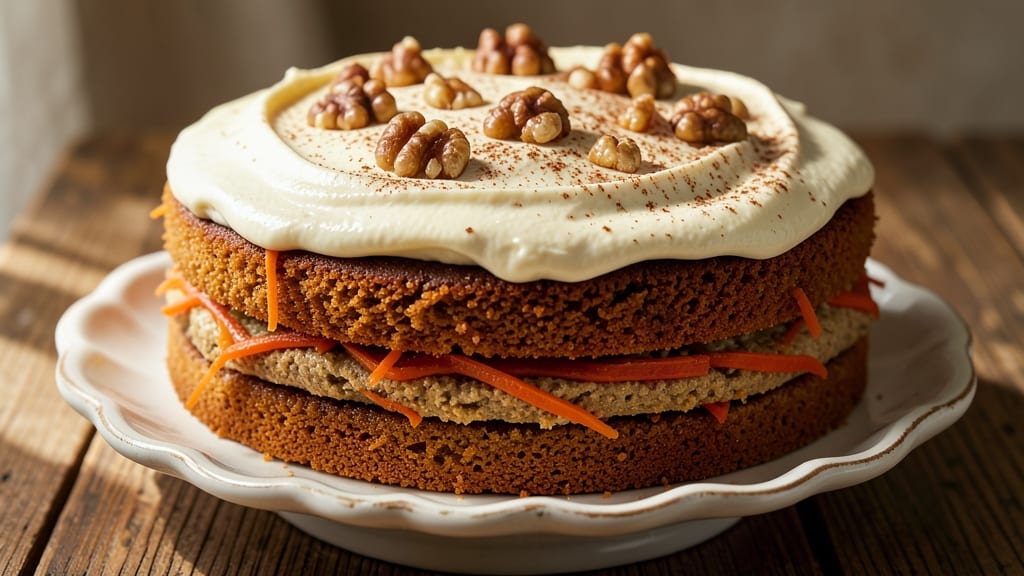
This Atk carrot cake recipe delivers the signature moist layers and rich cream cheese frosting that make it a dessert classic. 💛 The secret lies in precise ingredient ratios and gentle baking techniques that prevent dryness—something home bakers often struggle with.
I’ve perfected this version to ensure every slice stays tender while balancing sweetness with warm spices like cinnamon and nutmeg.
The recipe starts with finely grated carrots (no pulp left behind) and a touch of oil for extra moisture, creating a cake that’s dense yet light. A simple cream cheese frosting, spiced with vanilla and a hint of orange zest, ties everything together.
This is the kind of carrot cake that disappears faster than you can say "second slice."
Perfect for holidays, potlucks, or a cozy weekend treat, this recipe scales easily and delivers restaurant-quality results at home. The frosting’s tangy sweetness cuts through the carrot’s natural earthiness, making it a crowd-pleaser. Ready in about 60 minutes—including baking and cooling—it’s ideal for bakers of all levels.
For extra flair, fold in chopped walnuts or raisins into the batter, or add a sprinkle of cinnamon on top before baking. Store leftovers in the fridge for up to 5 days, though I doubt they’ll last that long. Let’s get baking!
Ingredients for atk carrot cake
Precision meets tradition in this Atk carrot cake—where finely grated carrots and oil create moist layers, and cream cheese frosting delivers restaurant-quality tang.
| Ingredient | Amount | Notes |
|---|---|---|
| Organic Carrots 🥕 | 3 cups | Finely grated, no pulp |
| All-Purpose Flour 🌾 | 2 ½ cups | Sifted, for light texture |
| Granulated Sugar 🍚 | 1 ½ cups | White or light brown |
| Light Brown Sugar 🍚 | ½ cup | Packed, for moisture |
| Unsalted Butter 🧈 | 1 cup | Cold, cubed, not melted |
| Large Eggs 🥚 | 3 whole | Room temperature |
| Vanilla Extract 🌿 | 2 tsp | Pure, high-quality |
| Ground Cinnamon 🌶️ | 2 tsp | Freshly ground preferred |
| Ground Nutmeg 🌶️ | ½ tsp | Freshly grated if possible |
| Ground Ginger 🌶️ | 1 ½ tsp | For warmth, not heat |
| Baking Soda 🧂 | 1 tsp | Pure, not baking powder |
| Salt 🧂 | ½ tsp | Diamond Crystal kosher |
| Vegetable Oil 🫒 | ½ cup | For extra moisture |
| Orange Zest 🍊 | 1 tbsp | Freshly grated |
| Plain Greek Yogurt 🥛 | ½ cup | Full-fat for richness |
| Cream Cheese 🧀 | 16 oz | Room temperature, full-fat |
| Powdered Sugar 🍚 | 3 cups | For frosting, sifted |
| Heavy Whipping Cream 🥛 | ½ cup | Cold for stability |
| Walnuts 🌰 | 1 cup | Chopped, optional |
| Candied Ginger 🍬 | ½ cup | Diced, optional garnish |
The carrots are non-negotiable here—organic from the produce section ensures vibrant color and sweetness. Grate them yourself using the finest holes on your box grater; no pulp means no dry cake. For the flour, King Arthur brand is ideal—it absorbs moisture beautifully. The sugar blend (white and brown) balances sweetness without overpowering the carrots. Whole Foods or Trader Joe's carry reliable organic carrots and high-quality sugars. If you're using pre-grated carrots, strain them to remove excess moisture—it makes all the difference in texture.
No vanilla extract? Vanilla bean paste works too, though pure extract is preferred. Substituting nutmeg? Mace at half the amount gives a similar warmth. The cream cheese must be full-fat, room-temperature Philadelphia brand—it whips best and delivers that signature tang. For the frosting, if you can't find powdered sugar, sifted granulated sugar works in a pinch, though it won't be as smooth. The walnuts and candied ginger are optional but add delightful texture—Trader Joe's has pre-chopped walnuts and candied ginger that save time. For extra moisture, some bakers add an extra 0.25 cup of yogurt to the batter.
This cake keeps beautifully—5 days refrigerated in an airtight container with parchment between layers. For longer storage, freeze the unfrosted layers for up to 3 months. The frosting can be made 2 days ahead and stored in the fridge; simply whip it back to fluffy consistency before serving. To reheat slices, microwave for 10-15 seconds—just enough to soften the frosting without melting it. For a showstopper presentation, dust with powdered sugar and garnish with extra candied ginger or walnuts before serving.
Why You'll Love This Recipe
- I’ll be real: this recipe uses pantry staples that won’t break the bank. A bag of organic carrots, a stick of butter, and a few cups of sugar go a long way—plus, leftovers slice up perfectly for breakfast or snacks. Minimal cost, maximum comfort.
- No-Fuss Mixing: I swear by this recipe because it’s just flour, sugar, butter, and carrots—no eggs, no oil, no fussing with substitutions. The organic carrots add natural moisture, so the batter comes together like a dream, and the brown sugar keeps it tender without drying out.
- Sweet-Spiced Magic: Here’s what sold me—the combo of granulated and brown sugar with those bright organic carrots? It’s like a hug for your taste buds. The butter keeps it rich but not greasy, and the warmth of the spices (if you add them) makes every bite feel like a cozy moment.
- Crowd-Pleaser Any Day: Between us, this cake is my go-to for birthdays, potlucks, or just because. It’s hearty enough to feed a houseful but simple enough that no one will question why you made it. (Yes, even on a Tuesday night.)
Step-by-step instructions for Atk carrot cake
Here's the method for perfectly moist layers and velvety cream cheese frosting every time.
👨🍳 Step 1: Prepare the Carrot Cake Batter
Preheat your oven to 350°F and grease two 9-inch round pans with vegetable oil, then line the bottoms with parchment paper. In a large mixing bowl, combine the 3 cups finely grated organic carrots (no pulp) with the 0.5 cup plain Greek yogurt and 1 tbsp orange zest. Set aside - this creates our moisture base.
In a separate large bowl, cream together the 1 cup cold unsalted butter and 1.5 cups granulated sugar using an electric mixer on medium speed for 3-4 minutes until light and fluffy. The mixture should nearly triple in volume and become pale. This step is critical for achieving that tender, moist texture we're after.
👨🍳 Step 2: Combine Wet and Dry Ingredients
Add the 3 whole room-temperature large eggs one at a time, mixing well after each addition, then stir in the 2 tsp vanilla extract. In a medium bowl, whisk together the 2.5 cups sifted all-purpose flour, 1.5 tsp ground ginger, 2 tsp ground cinnamon, 0.5 tsp ground nutmeg, 1 tsp baking soda, and 0.5 tsp salt.
With the mixer on low speed, gradually add the dry ingredients to the wet mixture, alternating with 0.5 cup vegetable oil in three additions. After each addition, mix just until combined - overmixing develops gluten and makes the cake tough. The batter should be thick but pourable. Fold in the carrot-yogurt mixture gently with a spatula to maintain air incorporation.
🥘 Step 3: Bake the Layers
Divide the batter evenly between the prepared pans. Bake for 25-30 minutes or until a toothpick inserted in the center comes out clean. I check at the 25-minute mark - the edges should be pulling away from the pan and the top should spring back when gently pressed.
Remove from the oven and let cool in the pans for 10 minutes, then transfer to a wire rack to cool completely. This gradual cooling prevents cracking. While the cakes cool, prepare your frosting - the warm cakes will absorb the frosting better when completely cooled.
🍳 Step 4: Make the Cream Cheese Frosting
In a large mixing bowl, beat the 16 oz room-temperature cream cheese with an electric mixer on medium speed until smooth. Gradually add the 3 cups sifted powdered sugar and 0.5 cup cold heavy whipping cream, mixing on low speed until combined, then increase to high speed and beat for 2-3 minutes until light and fluffy.
Spread half of the frosting between the two cake layers, then frost the tops and sides completely. For extra texture, sprinkle the tops with 1 cup chopped walnuts and 0.5 cup diced candied ginger before the frosting sets. Chill in the refrigerator for at least 1 hour before slicing for clean layers and perfect presentation.
⏰ Step 5: Serve and Store
Slice the cake with a sharp serrated knife that's been dipped in hot water and wiped dry. This ensures clean cuts through the moist layers. Serve at room temperature for the best texture contrast between the tender cake and creamy frosting.
Store any leftovers covered at room temperature for up to 2 days, or refrigerate for up to 5 days. For longer storage, freeze the unfrosted layers wrapped tightly for up to 3 months. The frosting can be made up to 2 days ahead and stored in the refrigerator.
Pro Tips For Making Atk Carrot Cake
- GRATE CARROTS FINE: Skip the food processor—your cake will taste better. Use a box grater with the smallest holes and rub them by hand. I learned this the hard way: pre-shredded carrots release too much moisture, and the texture turns gummy. (Yes, it takes 10 minutes, but the result is worth it.)
- CREAM BUTTER AND SUGARS FIRST: Don’t just mix dry ingredients—beat the butter, granulated sugar, and brown sugar together until light and fluffy (about 3 minutes). This incorporates air, which keeps the cake tender. I used to rush this, and the final texture was dense. (Your mixer’s paddle will thank you.)
- DON’T OVERMIX THE BATTER: Once you add the flour, eggs, and spices, mix just until combined—maybe 10-12 strokes. Overmixing develops gluten, and your cake will turn tough. I’ve ruined cakes this way, especially when eager to get them in the oven. (Stop when flour streaks disappear.)
- USE ROOM-TEMP CARROTS: Cold carrots pull moisture from the batter, making the cake dry. Take them out of the fridge 30 minutes before grating. I was skeptical until I tried it—now my cake stays moist for days. (Pro tip: If you’re in a hurry, run them under warm water for 2 minutes.)
Troubleshooting your atk carrot cake
Cracked Cake Fix
If your cake develops cracks while baking, it’s usually from overmixing or opening the oven too early. To prevent this, avoid overworking the batter and check doneness at 25 minutes—the edges should pull away from the pan.
If cracks appear, brush them with simple syrup (½ cup sugar + ¼ cup water, heated until dissolved) before frosting to restore moisture. 💫
Dry Cake Solution
Dryness often comes from overbaking or using too much flour. For a quick fix, brush the cooled cake layers with 2 tbsp orange juice or 1 tbsp melted butter before frosting.
To prevent it next time, reduce baking time by 2-3 minutes and ensure your carrots are finely grated with no pulp.
Frosting Too Thin
If your frosting isn’t thick enough, it’s likely because the cream cheese wasn’t cold enough or the powdered sugar wasn’t sifted. For an instant fix, chill the bowl in the freezer for 5 minutes while beating, then add 1-2 tbsp more powdered sugar if needed.
For future batches, ensure your cream cheese is chilled but not frozen before whipping.
Uneven Layers
Uneven layers happen when the batter isn’t divided equally or the cakes cool too quickly. Use a kitchen scale to divide the batter precisely, and let cakes cool in pans for 10 minutes before transferring to a rack.
If the layers are uneven after baking, trim the tops with a serrated knife before frosting for a clean finish.
Soggy Bottoms
Soggy bottoms are usually caused by overgreasing the pans or not using parchment paper. For a fix, place the cake layers on a wire rack over a baking sheet and bake at 300°F for 5 minutes to crisp the bottoms before frosting.
To prevent this next time, use nonstick spray (like Baker’s Joy) instead of excess oil and line pans with parchment.
Frosting Not Holding
If the frosting slides off, the cake layers might be too warm or the frosting too thin. Let the frosting sit at room temperature for 10 minutes before spreading, and chill the cake for 1 hour in the fridge after frosting.
For extra stability, add 1 tsp cornstarch to the frosting mixture to thicken it slightly.
Nutrition facts
Frequently asked questions
Why does this recipe call for finely grated carrots with no pulp?
Finely grated carrots with no pulp create a smoother, more tender cake texture. The pulp can make the cake dry or gummy, while fine grating ensures even distribution of flavor and moisture throughout each bite. Using a box grater with the finest holes works best—just strain any excess liquid if needed.
Can I substitute oil for butter in the cake batter?
You can replace the butter with 0.75 cup vegetable oil if needed, but the texture will differ slightly. Butter adds flavor and helps create a tender crumb, while oil keeps the cake moist. For best results, use cold cubed butter as directed—it creates air pockets that make the cake light. If substituting, reduce other liquids by 2 tablespoons to maintain balance.
How do I make this recipe gluten-free?
Replace the all-purpose flour with a 1:1 gluten-free baking flour blend (like Bob's Red Mill or King Arthur) and add 1 teaspoon xanthan gum to the dry ingredients. The recipe should work well, but test the batter consistency—gluten-free flours absorb moisture differently. You may need to add 1-2 tablespoons extra liquid if the batter seems too dry.
What’s the secret to the perfect cream cheese frosting?
The frosting’s magic comes from using room-temperature cream cheese (not melted) and beating it until completely smooth before adding sugar. Cold cream cheese whips better and creates a lighter texture. For extra stability, chill the bowl for 5 minutes during mixing. If the frosting is too thin, add 1-2 tablespoons powdered sugar and beat again.
Can I bake this cake in a different pan shape?
Yes! For a single 9x13-inch pan, reduce baking time to 20-25 minutes and cover loosely with foil if the edges brown too quickly. For cupcakes, use 24 mini muffin pans and bake for 12-15 minutes—fill each cup ⅔ full. Adjust baking times based on your oven, but always check with a toothpick. The frosting quantity should be halved for cupcakes.