
Desserts
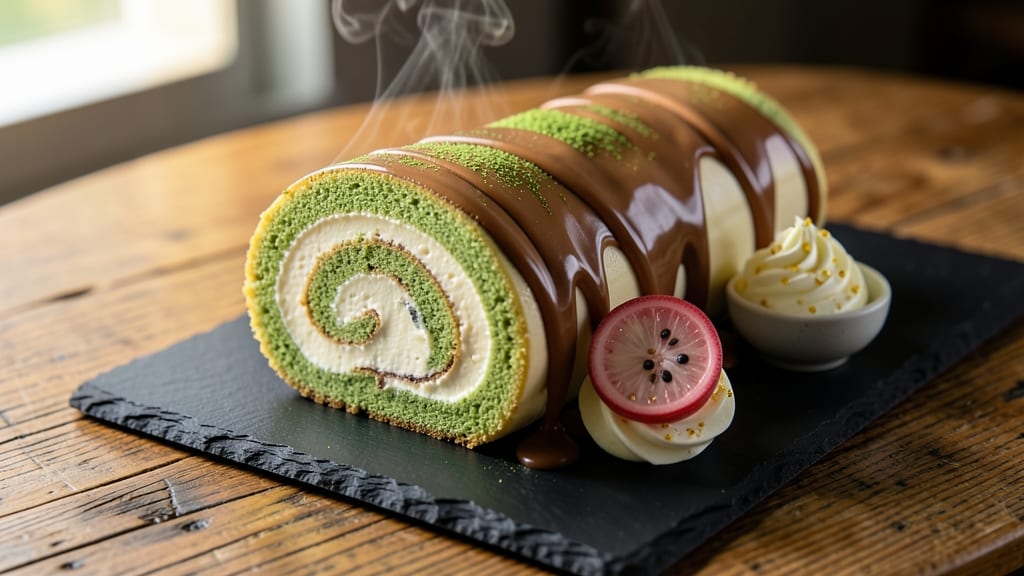
This Asian Swiss roll cake recipe transforms a classic dessert into a delicate masterpiece with a matcha-green tea twist that's both elegant and approachable.
The secret lies in perfectly rolled layers of silky sponge cake, infused with earthy matcha and subtle sweetness, creating a texture that's light yet sturdy enough to hold its shape. I've refined this technique over years of baking, ensuring even beginners can achieve restaurant-quality results at home.
The foundation of this recipe is a simple yet precise sponge batter that develops just enough structure to roll without cracking.
What sets it apart is the matcha infusion—ground matcha powder blends seamlessly into the batter, creating vibrant green layers that taste like a luxurious blend of bittersweet tea and delicate vanilla. The filling, a whipped cream-cheese mixture, adds a velvety contrast that makes every bite irresistible.
What you'll end up with is a beautifully rolled cake that's as impressive to look at as it is to eat. The matcha flavor shines through without overpowering, while the cream-cheese filling creates pockets of rich, tangy sweetness.
This recipe delivers the perfect balance of technique and simplicity, making it ideal for special occasions or when you want to impress with homemade baking.
For those who love customization, variations like red bean paste or coconut jam filling can be easily incorporated. The rolling technique is the most critical step, and I'll walk you through it carefully to ensure your cake holds its shape beautifully.
Let's create this stunning dessert that combines tradition with a modern twist.
Ingredients for asian swiss roll cake
Silky sponge layers, vibrant matcha, and velvety cream-cheese filling—this recipe delivers restaurant-quality elegance at home.
| Ingredient | Amount | Notes |
|---|---|---|
| All-Purpose Flour 🌾 | 2 ½ cups | Sifted for light texture |
| Granulated Sugar 🍚 | 1 ½ cups | Superfine preferred |
| Matcha Green Tea Powder 🍵 | 2 tbsp | Ceremonial grade for flavor |
| Unsalted Butter 🧈 | 1 cup | Room temperature, European preferred |
| Large Eggs 🥚 | 6 whole | Room temperature, separated |
| Vanilla Extract 🌸 | 1 tbsp | Pure, high-quality |
| Baking Powder 🧂 | 1 ½ tsp | Aluminum-free preferred |
| Salt 🧂 | ¼ tsp | Fine sea salt |
| Heavy Whipping Cream 🥛 | 1 ½ cups | Cold, full-fat |
| Cream Cheese 🧀 | 8 oz | Room temperature, full-fat |
| Powdered Sugar 🍚 | 1 cup | Sifted for smooth texture |
| Vanilla Bean Paste 🌸 | 1 tsp | For enhanced vanilla flavor |
| Powdered Milk 🥛 | 1 tbsp | Optional for extra stability |
The matcha makes or breaks this cake. Ceremonial grade powder from Matcha Kari or Ippodo delivers the best flavor without bitterness—avoid culinary grade, which is too strong. For butter, Plugrá or European-style brands melt more smoothly, creating a lighter texture. Flour should be sifted twice to eliminate any lumps that could disrupt the delicate sponge structure. Room-temperature eggs are critical—they whip to a higher volume and create a more stable foam. If your kitchen is cold, let them sit in warm water for 10 minutes.
No matcha? Green tea powder from a tea bag works in a pinch (use half the amount), though the flavor will be milder. Substituting vanilla bean paste with extract is fine, but the seeds add subtle complexity worth the extra cost. For a lighter filling, reduce the cream cheese to 6 oz and add an extra 0.5 cup whipped cream. Powdered milk isn't strictly necessary but helps stabilize the filling if you're in a humid climate. The whipped cream should be stiff enough to hold its shape when piped but still light—over-whipping creates graininess. For a dietary variation, swap powdered sugar for erythritol blend (reduce by 1 tbsp).
Matcha powder keeps indefinitely in a cool, dark place, but butter and eggs should be used within 3 days of opening. Whipped cream filling lasts 2 days in the fridge, though the cake itself stays fresh for 5 days covered tightly. For longer storage, slice the cake and freeze individual portions for up to 3 months. Thaw at room temperature, wrapped in plastic. The rolling technique is the most time-sensitive step—work quickly once the sponge is baked to prevent cracking. If you're making this ahead, bake the sponge, cool completely, then refrigerate the rolled cake (unfilled) for up to 24 hours before adding the filling.
Why You'll Love This Recipe
- No-Rolling Required: I swear by this trick—spreading the batter thin on a greased sheet pan means no wrestling with jelly rolls. The matcha-infused sponge comes together in one smooth layer, no fancy techniques needed.
- Earthy Luxury: That first bite of matcha buttercream? It’s like a warm hug for your taste buds. The earthy green tea cuts through the sweetness, while the rich buttercream makes every slice feel like a little celebration.
- Party or Picnic: Slice it for a tea party, pack it for a hike, or serve it at a potluck—this cake holds up anywhere. Between us, I’ve had it cold, room temp, and even reheated, and it’s always a win.
- Budget Magic: You’re using pantry basics—flour, sugar, eggs—plus a single jar of matcha to transform it. Honestly, the cost per serving is laughable, and the leftovers? They disappear faster than I can say “second helping.”
Step-by-step instructions for Asian Swiss roll cake
Mastering this delicate cake requires precision and patience—here's how to achieve flawless layers every time.
Prepare the Matcha Sponge Batter
In a stand mixer fitted with the paddle attachment, cream the 1 cup unsalted butter and 1.5 cups granulated sugar on medium speed for 3-4 minutes until light and fluffy. This step is crucial—you'll know it's ready when the mixture nearly doubles in volume and leaves light ribbons when the beaters are lifted.
In a separate bowl, sift together the 2.5 cups all-purpose flour, 1.5 teaspoons baking powder, and 0.25 teaspoon salt. Gently fold one-third of the dry ingredients into the butter mixture to lighten it. In another bowl, whisk the 6 whole large eggs, then gradually add them to the butter mixture in three additions, mixing just until combined after each addition.
Add the 2 tablespoons matcha green tea powder and 1 tablespoon vanilla extract, mixing until evenly distributed. Fold in the remaining dry ingredients in two additions, being careful not to overmix. The batter should be smooth and slightly thick—like a thick cake batter. Pour into a 12x17-inch jelly roll pan lined with parchment paper, spreading evenly to the edges.
Bake the Sponge to Perfect Doneness
Preheat your oven to 350°F. Bake the sponge for 12-14 minutes until the top springs back when gently touched and a toothpick inserted comes out clean. The edges should be just beginning to pull away from the pan—this ensures a tender yet sturdy cake that rolls without breaking.
Immediately after removing from the oven, invert the cake onto a clean kitchen towel dusted with 1 tablespoon powdered milk (this prevents sticking and adds subtle stability). Peel off the parchment paper and gently press a damp cloth over the cake to steam it slightly—this helps it cool evenly and prevents cracking as it cools.
Prepare the Matcha Cream Filling
In a medium bowl, whip the 1.5 cups heavy whipping cream to stiff peaks—it should hold its shape when the whisk is lifted. In a separate bowl, beat the 8 ounces cream cheese and 1 cup powdered sugar until smooth, then gradually fold in the whipped cream until fully combined. Add the 1 teaspoon vanilla bean paste and mix until evenly distributed.
Spread the filling evenly over the cooled sponge, leaving a ½-inch border around the edges. This prevents the filling from oozing out when you roll the cake. Use an offset spatula for a smooth, even layer—any lumps will show through the final product.
Roll and Chill for Perfect Layers
Starting from the long side, carefully roll the cake into a log using the towel to help guide it. The towel prevents sticking and makes rolling easier. Once rolled, transfer the cake seam-side down to a wire rack and let it cool completely for 30 minutes before slicing into 8 equal pieces with a sharp, serrated knife.
For the final touch, brush the cut sides with a light simple syrup (equal parts sugar and water, heated until dissolved) to add moisture and shine. Chill the cake for at least 4 hours (or overnight) before serving to allow the layers to set properly and the flavors to meld.
Pro Tips For Making Asian Swiss Roll Cake
- Use Room-Temp Butter: Cold butter makes your matcha cake dense and greasy—trust me, I’ve ruined three batches this way. Take it out of the fridge 30 minutes before creaming, or even better, microwave it for 15 seconds in 10-second bursts until just soft. The goal is smooth, not melted.
- Sift Matcha Twice: Matcha clumps like a stubborn guest at a party if you don’t sift it properly. Use a fine-mesh sieve and tap it firmly over the bowl—don’t just shake it. If you’re lazy (like me), sift it into the dry ingredients and then sift the whole mix again before adding wet ingredients. Your cake’s texture will thank you.
- Stop When Edges Pull Away: Overbaking is the silent killer of Swiss rolls. The second the edges of your matcha sponge start pulling away from the pan but the center’s still slightly jiggly (like a wobbly Jell-O), pull it out. If you wait for it to look “done,” you’ll end up with a dry, sad cake that cracks like a brittle dream.
- Brush With Simple Syrup: Skip the store-bought matcha glaze—it’s overkill and often too sweet. After rolling, brush the cake with a 1:1 simple syrup (equal parts sugar and water, heated until dissolved) while it’s still warm. It keeps the layers moist without drowning the matcha flavor, and you can adjust sweetness to taste. (Pro move: Add a splash of vanilla extract to the syrup for depth.)
Troubleshooting perfect results
Cracked Sponge Fix
If your matcha sponge cracks while cooling or rolling, don’t panic—this happens to even experienced bakers! The key is speed and moisture. Immediately after baking, invert the hot cake onto a damp towel (not dry parchment) to create steam, which helps relax the structure.
Brush the top with a light simple syrup (1:1 sugar:water) while still warm to add flexibility. For severe cracks, spread a thin layer of matcha cream filling over the cracks before rolling—it will blend seamlessly. 💫
Filling Oozing Issue
When the cream-cheese filling escapes during slicing, it’s usually from overfilling or improper rolling. Leave a ½-inch border around the edges when spreading the filling, and roll the cake tightly but gently—think "log" shape, not "sausage."
Chill the rolled cake uncovered for 30 minutes before slicing to help the filling firm up slightly. If it still oozes, reduce the cream cheese by 2 oz next time or add 1 tbsp powdered milk to stabilize it.
Matcha Flavor Too Bitter
Bitterness in matcha usually means using culinary-grade powder (intended for cooking) instead of ceremonial-grade. Stick to brands like Matcha Kari or Ippodo—their higher quality has less bitterness. If you’re stuck with culinary-grade, reduce the amount to 1.5 tbsp and add ½ tsp vanilla extract to balance.
For a smoother taste, whisk the matcha with 1 tbsp warm water before mixing into the batter to dissolve any gritty particles.
Rolling Difficulties
Struggling to roll the cake smoothly? The towel trick is your best friend—use a clean, slightly damp kitchen towel to wrap the cake before rolling. Start rolling from the long side (17-inch edge) toward the short side, keeping the seam side down.
If the cake resists, let it cool 10 more minutes—it should be warm but not hot. For extra grip, dust the towel with powdered sugar instead of powdered milk (it’s less sticky). 🧵
Filling Too Runny
A runny filling often means over-whipped cream or room-temperature cream cheese. Whip the cream to stiff peaks but stop just before it looks grainy. For the cream cheese, ensure it’s room temperature (press a finger into it—it should dent slightly but not be liquid).
If the filling still separates, fold in 1 extra tbsp powdered sugar to stabilize it. For a firmer texture, chill the filling for 15 minutes before spreading.
Storage Problems
If your cake dries out too quickly, slice it before storing and wrap each piece tightly in plastic wrap. For longer fridge storage (up to 5 days), place a damp paper towel in the container to maintain moisture. To revive dried edges, brush with simple syrup before serving.
For freezing, slice the cake, wrap each piece individually, and freeze for up to 3 months. Thaw at room temperature—never microwave, as it makes the sponge gummy. ❄️
Nutrition facts
Frequently asked questions
Can I substitute matcha with another flavor?
For a classic twist, replace matcha with 1 tbsp instant coffee powder for a mocha version, or use 1 tsp turmeric for a golden hue (adjust sugar to taste). For an Asian-inspired variation, try 1 tbsp pandan extract or ½ cup red bean paste mixed into the filling. The key is balancing flavor intensity—reduce any strong ingredients by half if you're sensitive to bold tastes.
Why does my rolled cake unravel when slicing?
This usually happens when the cake cools too quickly or isn't rolled tightly enough. Let the rolled cake chill uncovered for 30 minutes before slicing to help the filling firm up slightly. For extra stability, brush the outside with a light egg wash before rolling. If it still unravels, try rolling from the short end (12-inch side) instead of the long end—this creates a more compact shape.
How do I make this cake less sweet?
Reduce the granulated sugar in the batter by ¼ cup and the powdered sugar in the filling by 2 tbsp. For a more natural sweetness, add 1 tbsp honey to the batter or use vanilla bean paste instead of extract. The matcha already adds subtle sweetness, so you'll notice the difference immediately. Balance is key—taste the batter before baking!
Can I bake this in a smaller pan?
Yes, but you'll need to adjust the recipe. For a 9x13-inch pan, reduce all ingredients by 60% and bake for 10-12 minutes at 350°F. For a half-sheet pan (13x18-inch), increase all ingredients by 50% and bake for 14-16 minutes. The key is maintaining the same thickness (¼-inch)—too thick and it won't roll properly. Scale carefully, especially the eggs and butter.
What's the best way to serve this cake?
Slice into 8-10 even pieces and serve at room temperature for the best texture. For a restaurant-style presentation, dust with powdered sugar and add fresh berries or edible flowers. Pair with a cup of jasmine tea to complement the matcha flavor. Keep slices covered until serving to prevent drying. For a decadent touch, drizzle with dark chocolate ganache before serving.