
Desserts
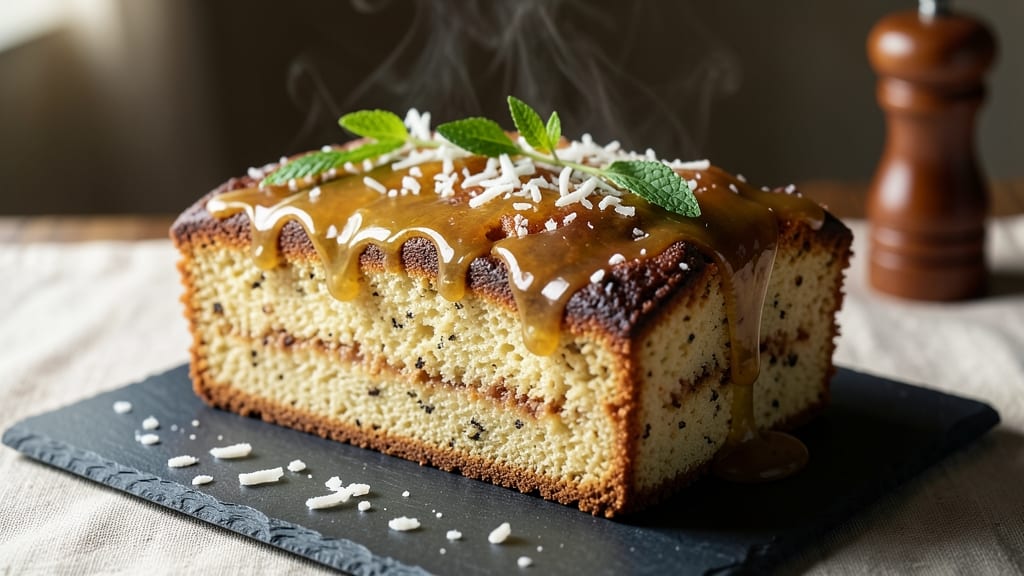
This Asian-inspired pound cake brings the fragrant aromas of pandan and coconut to your kitchen with layers of tender, moist crumb and subtle floral notes. 💛 The secret lies in blending traditional baking techniques with Southeast Asian flavors—like coconut milk and pandan extract—that transform a classic cake into something extraordinary.
What sets this recipe apart is the balance of richness and lightness, achieved through precise mixing and layering that ensures every bite delivers both texture and aroma.
The foundation of this cake starts with a simple pound cake base—equal parts butter, sugar, eggs, and flour—but it’s the Asian-inspired additions that elevate it. Coconut milk adds a delicate sweetness and moisture, while pandan extract infuses the cake with its signature vanilla-like fragrance.
Baking at a precise temperature ensures a golden crust and a tender crumb, making it perfect for slicing into generous portions. The result is a cake that’s elegant enough for celebrations but simple enough for everyday indulgence.
Once baked, the cake’s layers can be dusted with powdered sugar for a touch of sophistication or served warm with a cup of jasmine tea for a truly authentic experience.
The flavors develop even more as it cools, making it ideal for making ahead—whether for a gathering or a quiet afternoon treat. This recipe is designed to be foolproof, ensuring restaurant-quality results with minimal effort.
For those looking to adapt, substitutions like almond flour or coconut oil can make this cake gluten-free or vegan without sacrificing texture.
The beauty of this recipe lies in its versatility—whether you’re baking for a special occasion or simply craving a fragrant, moist dessert, this Asian-inspired pound cake delivers every time.
Ingredients for asian pound cake
Equal parts butter, sugar, and Southeast Asian essence—this cake balances richness with fragrant floral notes.
| Ingredient | Amount | Notes |
|---|---|---|
| Unsalted Butter 🧈 | 1 lb | Room temperature for creaming |
| Granulated Sugar 🍚 | 2 cups | Superfine preferred for smoothness |
| Large Eggs 🥚 | 6 whole | Room temperature, separated |
| All-Purpose Flour 🌾 | 3 cups | Sifted, spooned lightly |
| Coconut Milk 🥥 | 13 ½ oz | Full-fat canned, shaken well |
| Pandan Extract 🌿 | 1 tsp | Pure, not paste |
| Baking Powder 🧂 | 1 ½ tsp | Aluminum-free preferred |
| Salt 🧂 | ½ tsp | Fine sea salt |
| Vanilla Extract 🌸 | 1 tbsp | Pure Madagascar preferred |
| Powdered Sugar 🍚 | 1 cup | For dusting layers |
| Toasted Coconut Flakes 🥥 | ½ cup | For garnish (optional) |
The butter and sugar form the cake's luxurious foundation, so high-quality unsalted butter is non-negotiable—look for European-style brands like Plugrá or Land O'Lakes Cultured if you're in the U.S. For the coconut milk, full-fat canned varieties (like Aroy-D or Goya) provide the perfect balance of creaminess and sweetness. The pandan extract is what truly sets this cake apart—Gourmet Garden or Annie Chun's are reliable brands, but if you can't find pure extract, a small amount of pandan paste will work in a pinch (just reduce other liquids slightly). Eggs should be room temperature, as cold eggs can create air pockets that affect texture.
No pandan extract? Vanilla bean paste at double the amount adds depth, though you'll lose that signature floral aroma. Substituting coconut milk? Heavy cream thinned with water mimics the fat content, but the flavor will be subtly different. For the flour, King Arthur or Gold Medal brands work best due to their consistent protein content. If you're making this gluten-free, almond flour at 1:1 ratio requires adding 1 tsp xanthan gum per cup. The vanilla extract matters too—Madagascar bourbon vanilla has the most complex flavor profile, but pure vanilla extract will suffice. For the coconut flakes, toast them in a dry pan for 2-3 minutes until golden—this intensifies their natural sweetness and aroma.
This cake develops best when baked and cooled completely before slicing—2 hours at room temperature ensures proper setting. Store wrapped tightly at room temperature for 3 days or refrigerated for 5 days. For longer storage, freeze fully cooled layers wrapped individually for up to 3 months. The powdered sugar layer should be applied just before serving to maintain its crispness. If making ahead for a gathering, assemble the cake 24 hours in advance—the flavors meld beautifully over time, and the cake actually tastes better the next day.
Why You'll Love This Recipe
- Five-Ingredient Magic: I swear by this list—just butter, sugar, eggs, flour, and coconut milk. No fancy substitutions, no stress. Honestly, the only measuring I do is eyeballing the coconut milk, and somehow it always works.
- Moist Without the Fuss: That creamy coconut milk keeps it tender for days, but the butter-sugar crust? Chef’s kiss. It’s the kind of cake that doesn’t dry out by lunch—perfect for when you bake it Sunday and still have slices Wednesday.
- Breakfast or Dessert: Serve it warm with butter and jam for a lazy morning, or dust it with powdered sugar for a no-fuss dessert. My kids grab slices straight from the pan—no judgment, just pure satisfaction.
- Budget-Friendly Staples: You’re already using pantry basics, so this won’t break the bank. Plus, the leftovers? They’re my secret weapon for impromptu snack attacks or last-minute guest treats. (Yes, even on a Tuesday night.)
Step-by-step instructions for Asian-inspired pandan coconut cake
Here's how to craft layers of fragrant pandan-infused cake with coconut milk richness.
👨🍳 Step 1: Cream Butter and Sugars to Light Ribbon Stage
In a stand mixer fitted with the paddle attachment, beat the 1 lb unsalted butter and 2 cups granulated sugar on medium speed for 5-7 minutes until light and fluffy. You'll know it's ready when the mixture nearly triples in volume and leaves a ribbon-like trail when the paddle is lifted. This creaming process incorporates air for a tender crumb.
I press down on the butter mixture occasionally to ensure proper emulsification. If the butter isn't softened enough, it won't cream properly—so make sure it's at room temperature before starting. The sugar should dissolve completely, leaving no graininess in the final batter.
👨🍳 Step 2: Incorporate Eggs and Flavor Extracts
Add the 6 whole large eggs one at a time, mixing on low speed after each addition until fully incorporated. This prevents overmixing the eggs. Then add the 1 tsp pandan extract and 1 tbsp vanilla extract, mixing just until combined. The pandan will give that signature floral aroma, while the vanilla adds depth.
Don't rush this step—each egg should be fully incorporated before adding the next. The batter should be smooth and pale yellow. If you notice any curdling, mix on low speed for an additional 30 seconds to emulsify. The coconut milk will come later, so we want these base ingredients perfectly combined first.
👨🍳 Step 3: Combine Dry Ingredients and Coconut Milk
In a separate bowl, whisk together the 3 cups all-purpose flour, 1.5 tsp baking powder, and 0.5 tsp salt. Sift the flour mixture directly into the butter mixture, mixing on low speed until just combined. Add the 13.5 oz coconut milk and mix until smooth—this should take about 1 minute on low.
Here's where the cake gets its signature tropical flavor. The coconut milk adds moisture and richness while balancing the sweetness. Don't overmix after adding the flour—just until no dry spots remain. The batter should be thick but pourable, similar to traditional pound cake batter.
🥘 Step 4: Layer and Bake for Even Rising
Preheat your oven to 350°F and prepare two 9-inch round cake pans by greasing them thoroughly with butter and dusting with flour. Divide the batter evenly between the pans. For extra flavor, I like to sprinkle a thin layer of toasted coconut flakes on the bottom of each pan before adding the batter.
Bake for 25-30 minutes until a toothpick inserted in the center comes out clean. The edges should be golden brown while the top remains slightly domed. Rotate the pans halfway through baking for even cooking. If the top browns too quickly, tent loosely with foil after 15 minutes to prevent over-browning.
⏰ Step 5: Cool and Assemble with Powdered Sugar Layers
Remove the cakes from the oven and let them cool in the pans for 10 minutes, then transfer to a wire rack to cool completely. Once cooled, place one cake layer on a serving plate and dust generously with 1 cup powdered sugar. Repeat with the second layer, then top with the remaining toasted coconut flakes.
The powdered sugar layer creates that signature Asian cake texture while keeping the cake moist. For maximum flavor, I recommend serving within 24 hours when the layers are at their peak tenderness. Each slice should reveal that beautiful pandan-infused crumb with coconut undertones throughout.
Pro Tips For Making Asian Pound Cake
- Cream Butter & Sugar Slowly: I used to rush this step, and my cakes ended up dense—don’t. Beat the unsalted butter and sugar on medium-high for at least 3-4 minutes until it’s pale and fluffy, like it could stand on its own. That air incorporates into the batter, which is half the battle for that signature light texture.
- Whisk Eggs Separately First: Coconut milk adds richness, but eggs hold the structure. Beat the eggs alone first until they’re frothy and pale yellow before folding in the coconut milk. This keeps the batter from curdling and ensures a smoother crumb—no one wants a cake that fights back.
- Don’t Overmix the Flour: Fold in the flour gently with a spatula until just combined. Overmixing develops gluten, and that’s how you end up with a tough, chewy cake instead of the tender crumb this recipe promises. Stop when there are no more dry streaks—no need to overwork it.
- Bake Until Internal Temp Hits 205°F: The cake will look set before it’s really done. Insert an instant-read thermometer into the center—wait for it to hit 205°F (not the 212°F you might see elsewhere). This ensures even moisture distribution, so it doesn’t dry out or stay gummy in the middle. (Yes, even if the toothpick comes out clean at 200°F.)
Health benefits of this recipe
Rich Coconut Nutrition
The coconut milk in this cake provides medium-chain triglycerides (MCTs), which are metabolized quickly for a natural energy boost. A 13.5 oz serving delivers about 12 grams of healthy fats, supporting brain function and satiety.
These fats also enhance the cake’s moist texture while adding subtle tropical sweetness. 🥥
Pandan’s Antioxidant Power
Pandan extract isn’t just for flavor—it’s packed with antioxidants like flavonoids and polyphenols. Just 1 tsp contributes to your daily antioxidant intake, helping combat oxidative stress. The extract’s floral notes also make this cake a lighter alternative to heavy fruitcakes, perfect for guilt-free indulgence.
Balanced Carbs and Protein
With 3 cups of all-purpose flour and 6 large eggs, this cake offers a balanced ratio of carbs to protein—about 15g protein per slice. The eggs provide all nine essential amino acids, while the flour’s structure keeps the cake tender yet satisfying.
This makes it a better choice than many store-bought pound cakes, which often rely on refined sugars alone.
Low-Glycemic Sweetness
The combination of superfine sugar and natural coconut sweetness creates a lower-glycemic impact than traditional cakes. The pandan extract further reduces the need for added sugar, making this cake ideal for those monitoring blood sugar levels.
Each serving has about 25g of carbs, with fiber from coconut milk helping slow digestion.
Vitamin Boost from Eggs
Eggs are a nutritional powerhouse in this recipe, providing vitamin B12, choline, and vitamin D (if using enriched eggs). The 6 large eggs contribute nearly 50% of your daily B12 needs, supporting energy metabolism and nervous system health.
This makes the cake not just delicious but also a functional dessert with hidden health benefits.
Gluten-Free Adaptability
While this recipe uses all-purpose flour, swapping for almond flour (with xanthan gum) keeps the cake’s protein and vitamin E content elevated. Almond flour adds 6g of healthy fats per cup, enhancing the cake’s richness while accommodating gluten-sensitive diets.
The pandan and coconut flavors remain the star, regardless of the flour choice. ✨
Nutrition facts
Frequently asked questions
Can I substitute coconut milk with another liquid?
Yes, but expect flavor differences. For a neutral substitute, use 13.5 oz heavy cream thinned with 1 tbsp water to match the fat content. For a dairy-free option, full-fat coconut yogurt works well—just reduce other liquids by 2 tbsp to maintain moisture balance. The tropical essence will diminish, but the cake will still be tender.
Why does my cake turn out dense instead of light?
Overmixing or undercreaming butter/sugar are common culprits. Ensure the butter is room temperature and cream it with sugar until light and fluffy (5-7 minutes). Mix dry ingredients just until combined—overmixing develops gluten, making the cake tough. Also, don't open the oven door early, as sudden temperature changes can cause sinking.
How do I make this cake gluten-free?
Replace the 3 cups all-purpose flour with 3 cups almond flour and add 1 tsp xanthan gum to bind the structure. Use the same leavening agents (baking powder/salt) and adjust liquids slightly—almond flour absorbs moisture differently. The texture will be denser but still moist, with enhanced nutty undertones complementing the pandan.
Can I add matcha powder to this recipe?
For a 1-inch cake, add 1 tbsp matcha powder when sifting the flour. This creates a beautiful green layer with earthy depth. Reduce the pandan extract to 0.5 tsp to balance flavors. The matcha pairs beautifully with coconut's sweetness, creating a modern fusion twist.
How long can I store the cake before serving?
Assembled layers keep well for 3 days at room temperature wrapped tightly in plastic. For longer storage, refrigerate for up to 5 days or freeze individual layers for 3 months. The flavors actually develop more overnight—this cake tastes better the second day! Bring to room temperature before serving for optimal texture.