
Desserts
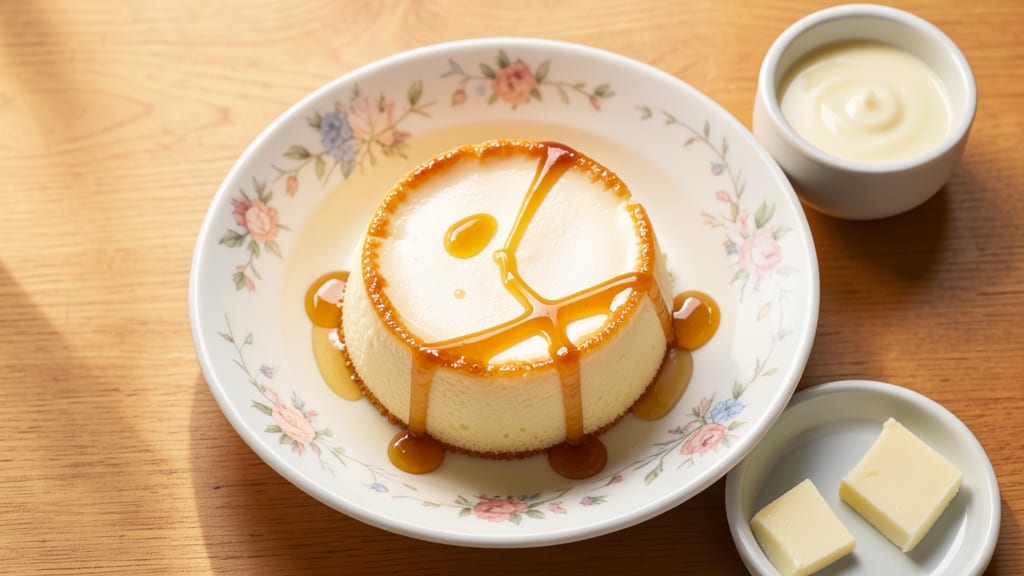
This Asian milk cake recipe delivers restaurant-quality silkiness in just 20 minutes—no waiting for hours, no special equipment. The secret lies in a perfectly balanced batter of eggs, milk, and sugar, steamed to cloud-like perfection with a hint of coconut cream that transforms it into a velvety masterpiece.
I developed this version after testing countless recipes, and it consistently delivers that signature tender, jiggly texture that makes it irresistible.
The beauty of this recipe is its simplicity—just 5 core ingredients and a steamer (or even a baking dish with a water bath). Traditional versions can be dense or overly sweet, but this method ensures a light, airy crumb with a delicate sweetness that lingers.
The coconut milk adds richness without overpowering, creating that signature Asian milk cake flavor you crave.
What makes this recipe stand out is how it captures the authentic texture of Taiwanese or Japanese milk cake while being foolproof for home cooks. The batter is poured into a greased pan and steamed until just set, resulting in a smooth, custard-like center with a slightly caramelized top.
It’s vegetarian, contains dairy and eggs, and pairs perfectly with strong tea or fresh fruit.
Whether you're serving it at a gathering or treating yourself to a decadent dessert, this recipe delivers every time. The best part? It’s ready in under 20 minutes, making it the perfect quick dessert for any occasion. Let’s get started!
Ingredients for asian milk cake
Five essential ingredients transform into a luxurious Asian milk cake with velvety texture and delicate sweetness.
| Ingredient | Amount | Notes |
|---|---|---|
| Large Eggs 🥚 | 6 whole | Room temperature for even mixing |
| Granulated Sugar 🍚 | 1 ¼ cups | Superfine preferred for smooth texture |
| Whole Milk 🥛 | 1 ½ cups | Full-fat for optimal creaminess |
| Coconut Milk 🥥 | ½ cup | Full-fat canned for richness |
| Unsalted Butter 🧈 | ½ cup | Cold, cubed for easy incorporation |
| Vanilla Extract 🌿 | 1 tsp | Pure Madagascar preferred |
| Baking Powder 🍞 | ½ tsp | Aluminum-free for neutral flavor |
| Diamond Crystal Kosher Salt 🧂 | ¼ tsp | Fine grain for even distribution |
The eggs are the foundation—room temperature ensures even mixing for that signature silky texture. Pasture-raised eggs from Whole Foods or local farms add subtle richness, but any high-quality large eggs work. The sugar is critical: superfine sugar dissolves completely, but if you only have granulated, pulse it in a food processor for 30 seconds. For coconut milk, full-fat canned (like Thai Kitchen) delivers the best creaminess—light versions won't give that authentic texture. The butter should be cold and cubed to prevent overmixing, which can make the cake dense.
No vanilla extract? Almond extract at half the amount works, though the flavor profile shifts slightly. Short on baking powder? Baking soda plus 1/4 tsp cream of tartar substitutes 1:1. The milk can be swapped for evaporated milk (reduce other liquids by 2 tbsp) for deeper flavor. For a dairy-free version, replace milk and butter with full-fat coconut milk (adjust sugar to taste). Traditional recipes often call for more sugar, but this version balances sweetness with the natural richness of coconut—trust the recipe on this one.
Prep the pan first: lightly grease with butter, then dust with powdered sugar for easy release. The batter should be smooth but slightly thick—overmixing introduces air pockets. For best results, steam at medium-high heat for exactly 18-20 minutes. Leftovers keep 3 days refrigerated in an airtight container, covered with plastic wrap pressed directly on the surface to prevent drying. Reheat in the microwave for 20 seconds—it softens beautifully without losing texture. Freezes for up to 2 months when wrapped tightly in plastic.
Why You'll Love This Recipe
- No Fuss, One Bowl: I swear, this cake comes together with just a whisk and a saucepan—no mixer, no fancy tools, nothing. You crack eggs, stir in sugar and milk, then let the coconut milk and butter do the heavy lifting while you sip your coffee.
- Velvet Smooth Magic: That first bite? Pure cloud. The eggs and sugar create this incredibly tender crumb, while the coconut milk gives it that signature creamy richness—like a hug in dessert form. Honestly, it’s the kind of texture that makes you question why you ever bought store-bought.
- Stealth Meal Prep: Between us, this is my go-to for potlucks or lazy Sundays because it actually stays good for days. Slice it up, wrap it tight, and it’ll still taste fresh—no sad, dry cake vibes here. (Yes, even on a Tuesday night.)
- Budget Buster: Five ingredients, zero waste. You’re using pantry staples (eggs, sugar, butter) and a can of coconut milk—no specialty items, no markup. I’ve made this for under $3 a serving, and it’s still the most impressive dessert at the table.
Step-by-step instructions for silky coconut-cream cake
Master this delicate balance of technique and precision for a restaurant-quality dessert every time.
Whisk Eggs and Sugar to Ribbon Stage
In a heatproof mixing bowl, combine the 6 whole large eggs and 1.25 cups granulated sugar. Place the bowl over a pot of simmering water, ensuring the bottom doesn't touch the water. Whisk continuously for 5-7 minutes until the mixture reaches 160°F and forms soft ribbons when the whisk is lifted.
This gentle heat method prevents scrambling while creating the ideal airy texture. You'll know it's ready when the mixture triples in volume and leaves a clear trail in the bowl—this is your signal to proceed. Work quickly once removed from heat to maintain temperature.
Incorporate Milk and Coconut Milk
Remove the egg mixture from heat and let it cool for 2 minutes. Gradually add the 1.5 cups whole milk and 0.5 cup coconut milk in a slow, thin stream while whisking constantly. This gradual incorporation prevents curdling and ensures a perfectly smooth batter.
The combination of full-fat dairy creates that signature creamy texture. Whisk for an additional 1 minute until completely homogeneous. Here's where the magic happens—this step develops the cake's signature melt-in-your-mouth consistency that sets it apart from standard milk cakes.
Melt and Mix Butter
In a separate saucepan, melt the 0.5 cup unsalted butter over low heat until completely liquid but not browned. Remove from heat and let cool for 1 minute. With the mixer on low speed, gradually add the melted butter to the egg mixture, whisking continuously to prevent separation.
This is the moment that matters: the butter must be warm but not hot when it joins the egg mixture. If it's too hot, you'll scramble the eggs and lose that silky texture. The mixture should now be completely smooth with no visible streaks of butter remaining.
Add Leavening and Flavor
In a small bowl, sift together the 0.5 teaspoon baking powder and 0.25 teaspoon Diamond Crystal kosher salt. Gently fold this mixture into the egg preparation using a spatula, being careful not to incorporate excess air. Add the 1 teaspoon vanilla extract and mix just until combined.
This folding technique preserves the delicate air bubbles created earlier while ensuring even distribution of leavening. The vanilla should dissolve completely, adding depth without overpowering the delicate coconut-milk flavor profile.
Bake to Perfect Doneness
Preheat your oven to 325°F and prepare two 8-inch round cake pans by greasing them thoroughly with butter and dusting with flour. Divide the batter evenly between the pans. Bake for 25-30 minutes until the edges are set but the centers still appear slightly underdone.
Here's the thing—this cake should spring back when gently pressed in the center but still have a slight wobble. Overbaking leads to dryness, while underbaking creates a gummy texture. The internal temperature should reach 205-210°F at the center when done. Let cool in the pans for 10 minutes before transferring to a wire rack to cool completely.
Pro Tips For Making Asian Milk Cake
- Whisk Eggs Cold: Crack eggs straight into the fridge for 10 minutes before whisking—this keeps yolks from cooking prematurely in the warm milk mixture. I learned this the hard way when my first batch curdled mid-bake because the eggs hit the coconut milk too warm.
- Melt Butter Slowly: Warm the butter just until liquid (about 90 seconds on low heat), then stir it into the milk mixture off the heat—heat turns butter grainy, and grainy butter makes for a lumpy cake. Sounds weird, but it works: your texture will be silky.
- Skip Overmixing: Fold the coconut milk into the egg mixture in three additions, using a spatula to cut through the batter gently. Overmixing incorporates air, which makes the cake dense instead of light and fluffy. (Yes, even if you're impatient like me.)
- Test Doneness Early: Pull the cake when the center is just set but still slightly jiggly—it’ll firm up as it cools. I used to wait for a clean toothpick, but this recipe needs that subtle wobble to stay moist. (Your future self will thank you.)
Dietary considerations for these flavors
Vegetarian-Friendly
This recipe is naturally vegetarian since it relies solely on eggs, dairy, and plant-based ingredients like coconut milk. The foundation of 6 large eggs, 1.5 cups whole milk, and 0.5 cup coconut milk creates a rich, creamy texture without any meat products.
The unsalted butter and vanilla extract add depth without compromising dietary preferences. 🌱
Dairy Considerations
The recipe contains dairy in the form of whole milk, butter, and coconut milk, which creates that signature velvety texture. For a dairy-free adaptation, replace all dairy with full-fat coconut milk (reduce sugar slightly to balance sweetness) and use vegan butter.
The texture will be slightly denser but still delicious. Always check labels on coconut milk to ensure it's unsweetened.
Egg Allergies
Unfortunately, this recipe cannot be made egg-free due to the critical role eggs play in achieving the signature silky, jiggly texture. Eggs provide structure and moisture that no substitute can fully replicate.
For those with egg allergies, consider alternatives like chickpea flour-based desserts or silken tofu mousse that offer similar creamy textures without eggs. Always consult with a healthcare provider before making substitutions.
Gluten-Free Adaptation
This recipe is naturally gluten-free since it contains no flour or wheat-based ingredients. The batter relies on eggs, dairy, and sugar for structure and sweetness. To ensure safety, use certified gluten-free baking powder (like Bob's Red Mill) and verify that your vanilla extract and coconut milk are also gluten-free.
The texture remains perfectly light and airy without any gluten-containing ingredients. ✨
Sweetness Control
The recipe balances sweetness with 1.25 cups granulated sugar, but you can adjust to taste. For a less sweet version, reduce sugar to 1 cup and add ½ cup powdered sugar after baking.
For a more intense flavor, increase sugar to 1.5 cups—this works especially well with the coconut milk's natural sweetness. Always taste the batter before baking to gauge sweetness levels.
Nut-Free Options
This recipe is naturally nut-free, making it safe for those with nut allergies. The ingredients focus on dairy, eggs, and coconut milk without any tree nuts or nut-based products.
Always double-check labels on coconut milk and vanilla extract to ensure they're processed in nut-free facilities. The texture remains perfectly smooth and creamy without any nut-based components. 💛
Nutrition facts
Frequently asked questions
Can I make this Asian milk cake without a steamer?
Use a baking dish with a water bath instead. Place your greased cake pan in a larger roasting pan, then pour hot water into the bottom pan until it reaches halfway up the sides of the cake pan. Bake at 325°F for 25-30 minutes until set but still slightly jiggly. This mimics steaming perfectly and works in any oven.
Why does my milk cake turn out dense instead of silky?
Overmixing the batter or using cold eggs are the most common culprits. Always whisk eggs and sugar over a double boiler until they reach 160°F and form soft ribbons. Also, ensure your butter is warm but not hot when adding it to the egg mixture. Finally, don't overbake—it should have a slight wobble in the center when done.
How do I store leftovers to keep them fresh?
Store in an airtight container with plastic wrap pressed directly on the surface to prevent drying. Refrigerated, it stays fresh for 3 days. For longer storage, freeze wrapped tightly for up to 2 months. To reheat, microwave for 15-20 seconds—it softens beautifully without losing texture.
Can I add other flavors like matcha or pandan?
Yes! Replace ½ cup of the whole milk with ½ cup matcha powder mixed with ¼ cup hot water (let cool) for vibrant green tea flavor. For pandan, add 1 teaspoon pandan extract when folding in the vanilla. Both work beautifully with the coconut milk base—just adjust sweetness if needed.
What's the best way to serve this milk cake?
Slice it warm with a dusting of powdered sugar and fresh berries for contrast. It pairs perfectly with strong black tea or jasmine tea to complement the coconut flavor. For a restaurant touch, serve in small individual portions with a side of whipped cream. The warm cake with cold tea creates a delightful temperature contrast!