
Desserts
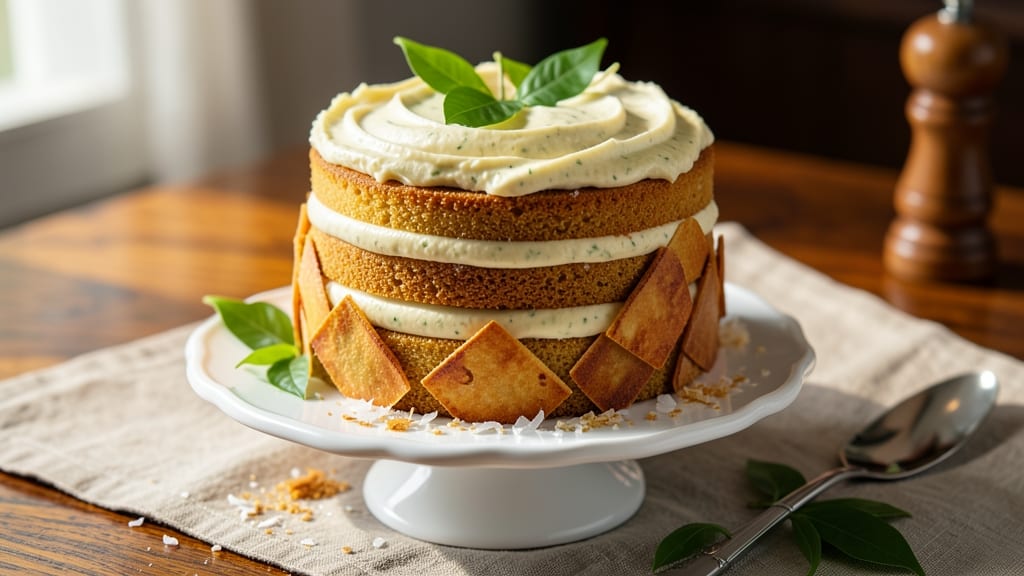
This Asian butter cake recipe transforms simple ingredients into layers of buttery heaven infused with fragrant pandan and coconut. 🌟 The secret lies in a perfectly balanced batter that yields tender, moist crumbs with just the right crispness—no heavy frosting needed.
I developed this version after years of perfecting the texture, ensuring every slice delivers that signature Asian butter cake experience without requiring specialized equipment.
The magic starts with a precise ratio of butter to flour, creating those signature flaky layers while keeping the crumb soft. Pandan extract adds an aromatic depth that elevates this beyond ordinary butter cakes, while toasted coconut flakes bring a subtle tropical contrast.
What makes this recipe special is how it combines traditional techniques with modern flavor twists—simple enough for beginners but impressive enough for special occasions.
By the time you pull this cake from the oven, you'll have golden layers that separate effortlessly, revealing that signature buttery crumb structure. The pandan-infused batter gives it a delicate floral aroma, while the coconut adds just enough texture to make each bite interesting.
This is the kind of dessert that pairs beautifully with tea or can stand alone as a showstopper centerpiece.
Whether you're baking for a celebration or treating yourself to a homemade indulgence, this recipe delivers restaurant-quality results with minimal effort. The instructions are clear, the ingredients are accessible, and the outcome is consistently perfect—no guesswork required. Let's get baking!
Ingredients for asian butter cake
Twelve ingredients for golden layers that separate effortlessly—this is the secret to perfect Asian butter cake.
| Ingredient | Amount | Notes |
|---|---|---|
| Unsalted Butter 🧈 | 1 cup | Cold, cubed for flaky layers |
| All-Purpose Flour 🌾 | 2 ½ cups | Sifted for light texture |
| Granulated Sugar 🍚 | 1 ½ cups | Superfine preferred for smoothness |
| Pandan Extract 🌿 | ½ tsp | Pure, not paste |
| Large Eggs 🥚 | 4 whole | Room temperature for even mixing |
| Baking Powder 🍞 | 2 tsp | Diamond Crystal preferred |
| Salt 🧂 | ½ tsp | Fine sea salt |
| Toasted Coconut Flakes 🥥 | ½ cup | Unsweetened, lightly toasted |
| Whole Milk 🥛 | ½ cup | Room temperature |
| Vanilla Extract 🌸 | 1 tsp | Pure Madagascar preferred |
| Cornstarch 🌾 | 1 tbsp | For tender crumb |
| Powdered Sugar 🍚 | 1 cup | For dusting layers |
The butter and flour ratio is non-negotiable for those signature flaky layers. European-style unsalted butter (like Plugrá or Land O'Lakes) melts more cleanly than American brands, giving you that professional crumb structure. For flour, King Arthur or Gold Medal are reliable choices—sift it twice if you want extra lightness. Pandan extract can be tricky to find; Asian grocery stores or specialty shops like Penzeys carry it, or order online. Toast your coconut flakes in a dry pan until golden—this brings out their natural sweetness without burning. The vanilla matters too; Madagascar Bourbon extract has deeper flavor than imitation.
No pandan extract? Vanilla bean paste at double the amount adds floral notes, though it won't replicate the exact aroma. Substituting whole milk for almond milk works in a pinch, but the cake will be slightly denser. For a nutty twist, replace half the coconut flakes with finely chopped macadamia nuts. If you're using a different brand of baking powder, check the leavening power—Aluminum-free baking powder works best. The powdered sugar for dusting layers? Confectioners' sugar with cornstarch prevents clumping. And if you're short on time, superfine sugar
Store the cake in an airtight container at room temperature for up to 3 days, or refrigerate for 5 days if you're not serving it immediately. The layers dry out faster when chilled, so bring it to room temperature before slicing. For longer storage, freeze the assembled cake (without frosting) for up to 3 months1 month—just thaw before baking.
Why You'll Love This Recipe
- No Mixer Needed: I swear by this recipe when my mixer’s on the fritz—just cream butter and sugar by hand until fluffy. The pandan extract does all the work for that signature aroma without fuss.
- Buttery Heaven: That rich, velvety texture? Pure butter overload—no shortcuts, just layers of melt-in-your-mouth goodness. The eggs bind it perfectly, so it stays moist for days.
- Party-Ready Slice: Serve it warm with a dusting of powdered sugar for brunch, or chill it for a crowd-pleasing dessert. Honestly, it’s my go-to for birthdays, potlucks, or just because.
- Budget-Friendly Luxury: Uses pantry staples (flour, sugar, eggs) plus one specialty ingredient (pandan) that stretches far. Leftovers? They vanish faster than I can say “second slice.”
Step-by-step instructions for Asian butter cake
Master the technique for tender layers, crisp edges, and aromatic pandan-coconut flavor.
👨🍳 Step 1: Prepare the Butter and Dry Ingredients
Cut the 1 cup unsalted butter into ½-inch cubes and chill in the freezer for 10 minutes to maintain shape. In a medium bowl, whisk together the 2.5 cups all-purpose flour, 1 tbsp cornstarch, 2 tsp baking powder, and 0.5 tsp salt. Sift the mixture twice through a fine-mesh sieve to eliminate lumps and aerate the flour.
In a separate bowl, combine the 1.5 cups granulated sugar, 0.5 tsp pandan extract, and 1 tsp vanilla extract. The pandan extract will give your cake that distinctive floral aroma—this is where the magic begins. Let these ingredients sit while you prepare the eggs and milk.
🍳 Step 2: Mix Wet Ingredients and Combine
In a stand mixer fitted with the paddle attachment, beat the 4 whole large eggs on medium speed for 2 minutes until pale and slightly thickened. Add the 0.5 cup whole milk and mix for another 30 seconds to combine. The mixture should look like a smooth, creamy custard.
Gradually add the sugar-pandan mixture to the egg mixture, mixing on low speed for 1 minute to prevent splattering. With the mixer running on low speed, add about one-third of the flour mixture and mix until just combined. Scrape down the sides of the bowl with a spatula to ensure even distribution.
🥘 Step 3: Incorporate Butter and Fold Gently
Add the chilled butter cubes to the mixer, one at a time, mixing on low speed until each cube is fully incorporated. The dough will look shaggy and uneven at this point—this is normal. Remove the bowl from the mixer and gently fold in the remaining flour mixture using a silicone spatula.
Fold in the 0.5 cup toasted coconut flakes by hand, reserving a small handful for the final layer. The texture should be thick but pourable. If the dough feels too stiff, add 1-2 tablespoons of milk to loosen it. Here's the thing—overmixing develops gluten, which can make your cake dense. Stop mixing as soon as the ingredients are just combined.
🔥 Step 4: Bake in Layers for Perfect Texture
Preheat your oven to 350°F. Grease and flour three 8-inch round cake pans (or use parchment paper liners). Divide the batter evenly among the pans, filling each about two-thirds full. Smooth the tops with a spatula and dust each layer with ⅓ cup powdered sugar.
Bake for 25-30 minutes or until a toothpick inserted into the center comes out clean. The edges should be golden brown, and the top should spring back when gently pressed. I know it seems counterintuitive, but don't overbake—this cake is delicate and will continue cooking slightly as it cools. Let the layers cool in their pans for 10 minutes before transferring to a wire rack to cool completely.
🥘 Step 5: Assemble and Dust with Final Flourish
Place the first layer on a serving plate and spread a thin layer of whipped cream or buttercream if desired. Add the second layer, then the third. Dust the top and sides of the cake generously with the remaining ⅓ cup powdered sugar using a fine-mesh sieve for an elegant finish.
For extra flair, sprinkle the reserved toasted coconut flakes around the base. Serve at room temperature for the best texture. The cake will have a tender crumb with crisp edges, and that pandan-coconut aroma will be irresistible. Real talk: this is where all your effort pays off—each slice reveals the perfect balance of buttery richness and floral notes.
Pro Tips For Making Asian Butter Cake
- CREAM BUTTER FIRST: Mix your butter and sugar until it’s pale yellow and thick—about 3-5 minutes with a stand mixer. I learned this the hard way: skipping this step means your cake will taste greasy and dense, no matter how much you fold in flour later.
- CHILL THE DOUGH: Let your batter sit in the fridge for at least 30 minutes before baking. This isn’t just about convenience—it helps the butter set properly, so your cake rises evenly and doesn’t collapse in the middle. (Yes, even if you’re impatient like me.)
- WEIGH YOUR FLOUR: Spoon flour into your measuring cup and level it off—don’t scoop directly from the bag. Asian butter cake is delicate, and too much flour makes it dry and crumbly. I used to eyeball it, but now I weigh it for consistency every time.
- BAKE UNTIL COOL: Check for doneness with a toothpick, but don’t pull the cake out too soon—wait until the center is just set and the edges have pulled away from the pan. Overbaking dries it out, and underbaking leaves it gummy. (Your future self will thank you.)
Creative variations of asian butter cake
Japanese Matcha Twist
Replace the 0.5 tsp pandan extract with 1 tbsp high-quality matcha powder (I love Ippodo Tea for its vibrant flavor). Add an extra 1 tbsp cornstarch to compensate for matcha's dryness. The result?
A vibrant green cake with earthy, slightly bitter notes that balance the buttery sweetness. For extra authenticity, top with red bean paste between layers—a classic Japanese warabi mochi touch. 🌿
Singaporean Kaya Toast Fusion
Inspired by Singapore's beloved kaya toast, fold 2 tbsp kaya (coconut jam) into the batter after mixing the wet ingredients. The caramelized coconut flavor deepens the tropical notes while keeping the cake's signature flakiness.
For presentation, serve slices with a side of warm kaya toast and a cup of Teh Tarik (pulled tea). This variation is a crowd-pleaser at brunch gatherings. 🍵
Thai Mango Sticky Rice
Swap the toasted coconut flakes for finely diced ripe mango (about 1 cup) and add 1 tsp lime zest to the batter. The mango adds natural sweetness and juiciness, while the lime zest brightens the flavors.
For a showstopper, drizzle each slice with coconut cream and sprinkle with crushed peanuts before serving. This version tastes like a cross between cake and dessert in one bite. 🥭
Vietnamese Coffee Infusion
Add 1 tsp instant Vietnamese coffee powder (like Trung Nguyen) to the dry ingredients and fold in 2 tbsp condensed milk with the wet ingredients. The coffee adds a deep, robust flavor that pairs beautifully with the buttery crumb.
For contrast, dust the cake with cocoa powder instead of powdered sugar. Serve with a dollop of whipped cream and a sprinkle of coffee beans. ☕
Pandan-Chocolate Swirl
Divide the batter in half. To one half, add 2 oz melted dark chocolate (about 60% cocoa) and 1 tbsp cocoa powder. Swirl the chocolate batter into the pandan batter using a spoon before baking.
The result is marbled layers of rich chocolate and fragrant pandan. Top with a dusting of cocoa powder for a decadent twist that feels indulgent but stays true to Asian flavors. 🍫
Lemon Coconut Brightener
Add the zest of 1 lemon and 2 tbsp lemon juice to the wet ingredients for a zesty contrast. The acidity cuts through the richness, making each bite refreshing. For extra brightness, fold in 1 tbsp lemon curd with the coconut flakes.
This version is perfect for summer gatherings or as a light dessert after a spicy meal. 🍋
Nutrition facts
Frequently asked questions
Why does this Asian butter cake have layers?
The signature layering comes from the precise ratio of cold butter to flour, creating flaky, separate sheets when baked. The batter's thickness and the baking powder's lift work together to form those delicate layers—key for that signature Asian butter cake texture. Each layer should separate cleanly when cooled.
Can I make this cake without pandan extract?
Yes! Use 1 tbsp vanilla bean paste or ½ tsp matcha powder for a floral alternative. For a nutty twist, try ½ tsp almond extract. The pandan's aroma is distinctive, but these substitutes still deliver a fragrant result. Just adjust other flavors accordingly—matcha will be earthier, vanilla sweeter.
How do I prevent my cake from being too dense?
Overmixing is the #1 culprit! Mix just until combined—stop when flour disappears. Use cold butter and sift flour twice for lightness. Also, don't overbake: pull it when a toothpick comes out clean (usually 25-30 minutes at 350°F). The cake continues cooking as it cools.
What's the best way to store leftovers?
Keep it in an airtight container at room temperature for 3 days, or refrigerate for 5 days. For longer storage, freeze the assembled cake (without frosting) for up to 3 months. Thaw overnight in the fridge—never at room temperature. The powdered sugar dusting helps preserve freshness.
Can I substitute coconut flakes with something else?
Try crushed macadamia nuts (½ cup) for richness or freeze-dried coconut bits for extra crunch. For a tropical twist, use dried mango or pineapple (soaked in warm water first). Just reduce other liquids slightly if using moist substitutes to maintain batter consistency.