
Desserts
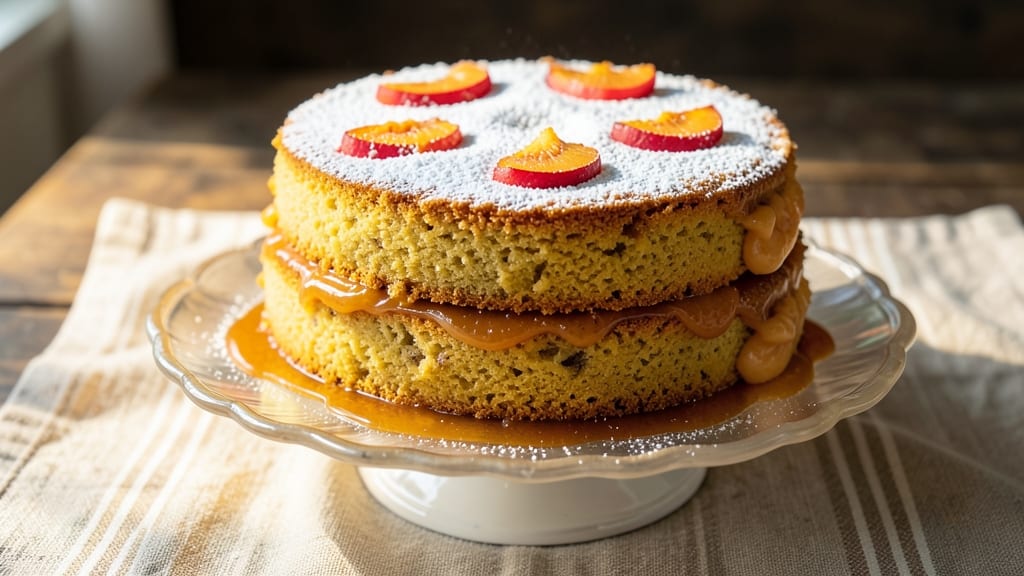
This apricot nectar pound cake recipe delivers layers of buttery richness wrapped around spiced apricot nectar, creating a dessert that feels both nostalgic and refined. The nectar infuses every bite with natural sweetness and moisture, while warm cinnamon and nutmeg add depth—no artificial flavors needed.
I’ve perfected the texture to be tender yet sturdy, with a golden crust that begs to be sliced and served.
The secret lies in the balance: apricot nectar replaces some of the liquid, keeping the cake moist without making it dense, while a touch of sour cream ensures a velvety crumb.
Baking at 350°F guarantees even layers, and a simple glaze ties everything together with a glossy finish. This isn’t just a cake—it’s a celebration of simple ingredients elevated by technique.
What you’ll end up with is a slice that’s perfectly sweet, not cloying, with apricot notes lingering on your tongue. The texture is moist but not heavy, and the spice infuses the buttercream layers for a cohesive flavor.
Serve it warm with tea for an afternoon treat or at room temperature for a crowd-pleasing dessert that feels special without being fussy.
Pair it with a dollop of whipped cream or a sprinkle of toasted almonds for extra texture, and you’ve got a dessert that’s as versatile as it is impressive.
The recipe scales easily, so you can bake it for gatherings or enjoy a single slice as a quiet indulgence. Let’s get baking!
Ingredients for apricot nectar pound cake
These simple ingredients blend buttery richness with apricot nectar for a nostalgic, spiced cake.
| Ingredient | Amount | Notes |
|---|---|---|
| All-Purpose Flour 🌾 | 3 cups | Sifted for even texture |
| Unsalted Butter 🧈 | 1 ½ cups | Cold, cubed for flakiness |
| Granulated Sugar 🍚 | 2 cups | White or light brown |
| Apricot Nectar 🍑 | 1 cup | Unsweetened, for moisture |
| Large Eggs 🥚 | 4 whole | Room temperature |
| Sour Cream 🥛 | ½ cup | Full-fat for richness |
| Vanilla Extract 🌿 | 2 tsp | Pure, not imitation |
| Ground Cinnamon 🌶️ | 1 tsp | Freshly ground preferred |
| Ground Nutmeg 🌶️ | ½ tsp | Freshly grated for warmth |
| Salt 🧂 | ½ tsp | Fine sea salt |
| Powdered Sugar 🍚 | 2 cups | For glaze |
| Milk 🥛 | ¼ cup | For glaze consistency |
| Apricot Jam 🍓 | ¼ cup | Optional filling layer |
The apricot nectar is the star—Trader Joe's or Walmart usually carry the unsweetened kind in the baking aisle. If you can't find it, pure apricot puree works in a pinch, but add a pinch of citric acid to mimic the tang. For the butter, Land O'Lakes or Plugrá are reliable choices, but any good-quality unsalted will do. The sour cream adds moisture without heaviness—full-fat is non-negotiable here. Skip the low-fat version, trust me. And if your pantry's missing vanilla extract, vanilla bean paste gives even deeper flavor.
No apricot nectar? Substitute with 3/4 cup apricot jam plus 1/4 cup water, but reduce the sugar slightly since jam's sweeter. Running low on powdered sugar for the glaze? Blend granulated sugar in a food processor for 30 seconds—it works just as well. The cake layers can be filled with jam or whipped cream if you're feeling fancy, but the nectar-soaked version is the real magic. For the spices, Penzeys or the bulk section at Whole Foods have the freshest cinnamon and nutmeg. If you're using pre-ground, check the date—spices lose potency fast.
This cake keeps beautifully—3 days at room temperature wrapped in plastic, or up to 1 week refrigerated. For longer storage, freeze the layers separately for 3 months. I like to portion it into single slices for easy serving—just thaw at room temp for 20 minutes. The glaze sets quickly, so assemble the cake right before serving. Leftovers? Toasted almonds or whipped cream make them taste like a bakery treat. And if you bake extra, freeze the whole cake—it thaws perfectly for a spontaneous dessert.
Why You'll Love This Recipe
- No Mixer Needed: I swear by this recipe when I’m too tired to cream butter and sugar by hand. Just fold everything together—no stand mixer, no fuss—yet it still comes out tender and golden. The apricot nectar does all the work blending in smoothly, so you won’t even notice the effort.
- Sunshine in a Box: That first bite? It’s like summer in cake form. The nectar gives it a floral sweetness that’s not overpowering, while the butter makes every slice rich without being heavy. Honestly, it’s the kind of dessert that makes me forget it’s just flour and sugar.
- Breakfast or Brunch Star: This cake is my go-to for lazy mornings—slice it fresh and serve with yogurt or coffee, or bake it ahead for a weekend gathering. Between us, it’s also the secret weapon for my daughter’s school bake sales. (She’s not supposed to know it’s my shortcut, but she’s onto me.)
- Leftovers That Last: A whole cake? No problem. It stays moist for days, so I’ll often bake one and freeze slices for when I’m too busy to bake. Plus, the nectar keeps it from drying out like regular pound cake. Budget win: I use the same ingredients for muffins next time, too.
Step-by-step instructions for apricot nectar pound cake
Here's how to create layers of buttery richness with apricot nectar's natural sweetness and spice.
Cream Butter and Sugar Until Light and Fluffy
In a stand mixer fitted with the paddle attachment, beat the 1.5 cups unsalted butter and 2 cups granulated sugar on medium speed for 5-7 minutes. You'll know it's ready when the mixture is pale, thick, and leaves a trail when the paddle lifts—this incorporates air for a tender crumb. I like to scrape down the sides every minute or so to ensure even mixing.
This step is non-negotiable for that classic pound cake texture. If you rush it, you'll end up with a dense, cakey result instead of the light, airy layers we're after. The butter should be at room temperature but not melted—press a finger into it to check. It should leave a slight indent but hold its shape.
Incorporate Wet Ingredients for Moisture and Flavor
Add the 1 cup apricot nectar, 4 whole large eggs (one at a time), 0.5 cup sour cream, 2 teaspoons vanilla extract, and mix on low speed until just combined. The apricot nectar adds natural moisture and subtle fruit flavor without overpowering the cake's buttery base. I always add the eggs one at a time to prevent curdling.
Next, whisk together the 3 cups all-purpose flour, 1 teaspoon ground cinnamon, 0.5 teaspoon ground nutmeg, and 0.5 teaspoon salt in a separate bowl. Sift the flour mixture over the wet ingredients and mix on low speed just until the flour disappears—overmixing develops gluten and makes the cake tough. Stop mixing as soon as you see a few streaks of flour remaining.
Layer the Batter with Apricot Jam Filling
Preheat your oven to 350°F and grease a 10-inch tube pan or 9x5-inch loaf pan thoroughly with butter and dust with flour. Pour about half of the batter into the prepared pan. Using a spoon or small spatula, spread 0.25 cup apricot jam evenly over the batter layer. This step creates those signature pockets of fruity goodness throughout the cake.
Top with the remaining batter and smooth the surface gently with a spatula. The cake will rise beautifully in the tube pan, creating that classic domed top. If using a loaf pan, tap it gently on the counter a few times to release any air bubbles that may have formed during mixing.
Bake Until Golden and Springy
Bake for 50-60 minutes or until a toothpick inserted in the center comes out clean. The cake should be golden brown on top with a slightly domed shape. I usually check at the 45-minute mark—every oven runs hot or cold, so start checking a bit early. The edges should pull away slightly from the pan, and the cake should spring back when pressed gently in the center.
If the top browns too quickly, tent the cake with aluminum foil to prevent over-browning while it continues to bake through. The internal temperature should reach 205-210°F for perfect doneness. Let the cake cool in the pan for 10 minutes, then invert it onto a wire rack to cool completely before glazing.
Glaze and Serve for Maximum Indulgence
While the cake cools, whisk together 2 cups powdered sugar and 0.25 cup milk until smooth. Drizzle the glaze over the completely cooled cake, letting it drip down the sides for that professional bakery finish. The glaze adds a sweet contrast to the warm spices and fruity notes from the apricot nectar and jam.
Slice into 12 equal servings and enjoy the perfect balance of buttery layers, spiced warmth, and apricot's natural sweetness. This cake tastes even better the next day as the flavors meld together, but it's hard to wait! Store leftovers covered at room temperature for up to 3 days or refrigerated for up to 5 days.
Pro Tips For Making Apricot Nectar Pound Cake
- Whisk Eggs Like Butter: Beat those eggs until they’re pale, thick, and ribbon-like—about 3 minutes with a hand mixer. I used to stop at 2, and the cake turned out dense. This step actually incorporates air, which makes the texture light despite the nectar’s moisture.
- Measure Nectar Cold: Chill the apricot nectar in the fridge for 10 minutes before adding it to the batter. Warm nectar thins the mixture too much, and your cake will end up gummy instead of tender. Trust me, the difference is noticeable.
- Skip the Overmixing: Fold in the flour just until combined—lumps are fine. Overmixing develops gluten, and this cake needs to stay soft, not chewy. I’ve ruined batches by going full-on bread-dough mode, and it’s a crime against texture.
- Test Doneness with a Thermometer: Pull the cake when the center hits 205°F (210°F for extra surety). A toothpick might still look moist, but this temp guarantees a fully set crumb. I learned this after cutting into a cake that was almost done—and regretted it.
Dietary considerations for this recipe
Gluten-Free Adaptation
Replace the 3 cups all-purpose flour with a 1:1 gluten-free baking flour blend like Bob's Red Mill or King Arthur Measure for Measure. Add 1 teaspoon xanthan gum to mimic gluten's binding properties.
For extra moisture, increase the apricot nectar to 1.25 cups and the sour cream to 0.75 cups. Bake in a 9x5-inch loaf pan instead of a tube pan for easier handling. The texture will be slightly denser but still tender. 🌾
Lower Sugar Options
Reduce the 2 cups granulated sugar to 1.5 cups and replace 0.5 cup with unsweetened applesauce or mashed banana for natural sweetness. Use 100% pure maple syrup instead of apricot nectar to cut sugar further—just 0.75 cup will suffice.
The cake will be less sweet but still rich. Balance with extra cinnamon (1.5 tsp) for warmth. 🍯
Dairy-Free Substitutions
Swap the 1.5 cups unsalted butter for 1.5 cups dairy-free margarine like Miyoko's or Earth Balance. Replace the 0.5 cup sour cream with 0.5 cup coconut yogurt (full-fat for best texture).
Use almond milk instead of milk for the glaze. The cake will still be moist but slightly denser. For extra richness, add 2 tablespoons melted coconut oil to the butter substitute. 🥥
Nut-Free Considerations
Skip the optional toasted almonds garnish and opt for crushed freeze-dried apricots or toasted coconut flakes instead. Ensure all ingredients—especially spices—are certified nut-free. Check Penzeys or bulk sections for nut-free labels. The cake itself is naturally nut-free, but cross-contamination risks exist when adding toppings. Always store nut-free treats separately. 🌰
Vegan Adaptations
Use vegan butter like Earth Balance or Miyoko's and replace eggs with 4 tablespoons ground flaxseed mixed with 10 tablespoons water (let sit for 5 minutes to thicken). Substitute sour cream with 0.5 cup coconut yogurt.
For the glaze, use 0.25 cup almond milk or oat milk. The texture will be slightly denser but still delicious. Bake at 325°F for 60-70 minutes to prevent over-browning. 🌱
Nutrition facts
Frequently asked questions
Why does this pound cake use apricot nectar instead of jam?
The nectar infuses moisture and subtle fruit flavor throughout the entire cake, while jam creates pockets of concentrated sweetness. Apricot nectar also has a lower sugar content than jam, balancing the cake's richness without overpowering it. The result is a more even distribution of fruit notes in every bite.
Can I make this cake in a bundt pan instead of a tube pan?
Yes! Reduce the baking time to 40-50 minutes since bundt pans conduct heat differently. For best results, grease the pan thoroughly and use the same batter quantity. The cake will have a beautiful ring shape but may require slightly longer cooling time before glazing.
How do I prevent the cake from cracking in the middle?
Cracking usually happens from uneven baking. Tap the pan gently on the counter before baking to release air bubbles, and avoid opening the oven door during the first 30 minutes. If you notice cracks forming, tent with foil to slow the top browning while the center finishes baking.
Is there a way to make this cake less sweet?
Yes! Reduce the granulated sugar to 1.5 cups and use 1 cup unsweetened apricot puree instead of nectar. Add 1 teaspoon lemon zest to brighten the flavors naturally. The warm spices will help balance any reduced sweetness while keeping the cake rich and satisfying.
Can I add fresh apricots to the cake?
Fresh apricots work beautifully as a topping! Arrange 4-6 sliced apricots on top of the first batter layer before adding the second layer. Bake as directed, and the fruit will soften into the cake. For extra shine, brush with apricot glaze after baking.