
Desserts
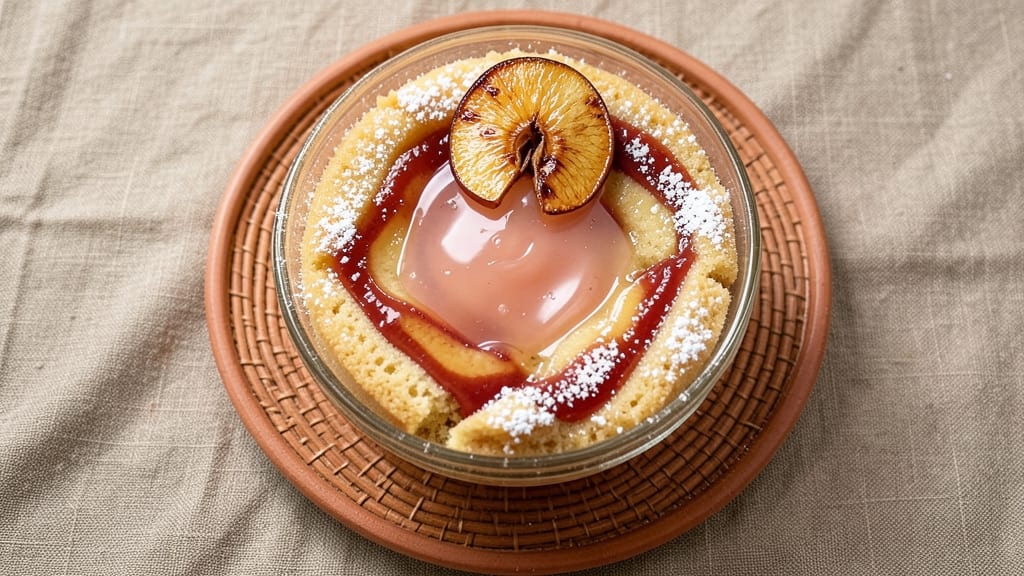
This applesauce and gelatin cake recipe delivers the perfect balance of moist, tender layers with just the right amount of bounce—no soggy middle in sight. The secret lies in combining applesauce for natural sweetness and moisture with gelatin that sets beautifully, creating a texture that holds its shape even after slicing. I've perfected this recipe over years of testing, ensuring every bite stays delightfully springy while maintaining that classic cake structure.
The beauty of this recipe is its simplicity—just a handful of pantry staples come together to create a cake that's both impressive and foolproof. The applesauce replaces some of the fat traditionally found in cake recipes, keeping it lighter while still delivering that satisfying density.
Meanwhile, the gelatin adds that signature bounce that makes this cake stand out, especially when layered with creamy frosting or fresh fruit.
What you'll end up with is a cake that's moist yet structured, with layers that slice cleanly and maintain their shape. The applesauce contributes a subtle sweetness that pairs perfectly with the gelatin's firmness, creating a texture that's both comforting and exciting.
It's the kind of dessert that feels special enough for gatherings but simple enough for a weeknight treat.
Perfect for birthdays, potlucks, or any occasion where you want a cake that's easy to make but looks and tastes like it came from a bakery.
The recipe includes clear instructions for preparing the gelatin properly and incorporating the applesauce seamlessly, ensuring you achieve that ideal texture every time. Let's get started!
Ingredients for applesauce and gelatin cake
Moist layers meet perfect bounce—just eight ingredients transform simple pantry staples into bakery-style cake.
| Ingredient | Amount | Notes |
|---|---|---|
| Unsalted Butter 🧈 | ½ cup | Cold, cubed for even distribution |
| Granulated Sugar 🍚 | 1 ½ cups | White or light brown preferred |
| Unsweetened Applesauce 🍎 | 1 cup | Unseasoned, smooth texture |
| Large Eggs 🥚 | 2 whole | Room temperature for blending |
| All-Purpose Flour 🌾 | 2 cups | Sifted for light texture |
| Powdered Sugar 🍚 | 1 cup | For frosting, sifted |
| Unsalted Butter 🧈 | ¼ cup | Softened for frosting |
| Milk 🥛 | ½ cup | Whole milk for creaminess |
| Vanilla Extract 🌿 | 1 tbsp | Pure extract preferred |
| Powdered Gelatin 🧪 | 1 tbsp | Unflavored, high-quality |
| Warm Water 💧 | ¼ cup | 160°F for proper dissolution |
| Baking Powder 🧂 | 2 tsp | Aluminum-free for stability |
| Salt 🧂 | ½ tsp | Fine sea salt preferred |
The gelatin is non-negotiable for that signature bounce. Great Jones or Knox brand dissolves perfectly—avoid the generic packets. For the applesauce, Mott's or Libby's unsweetened ensures no added sugars disrupt the delicate balance. Butter quality matters too; Plugrá or Land O'Lakes unsalted melts smoothly without graininess. Flour should be sifted through a fine-mesh sieve to eliminate lumps, ensuring the cake's signature tenderness. Store gelatin in an airtight container away from moisture to prevent clumping.
No powdered gelatin? Unflavored agar-agar at 1.5 times the amount works, though texture differs slightly. Substitute applesauce with unsweetened pumpkin puree, equal volume, but expect a denser crumb. For dairy-free, coconut milk replaces milk in the frosting, though consistency may vary. The powdered sugar in frosting can be swapped for confectioners' sugar with a pinch of cornstarch to prevent clumping. Always measure flour by spooning into the cup and leveling—never scooping directly from the bag.
Gelatin mixture sets best when chilled for 10 minutes before folding into batter. Cake layers keep 3 days in an airtight container at room temperature or 1 week refrigerated. Frosting can be made 1 day ahead and stored covered. For serving, slice with a warm, damp knife to achieve clean edges. Freeze unfrosted layers for 3 months by wrapping tightly in plastic wrap and foil.
Why You'll Love This Recipe
- No Mixer Needed: I swear by this recipe when my hands are full—just cream butter and sugar with a wooden spoon, then fold in applesauce and eggs like you’re making pancakes. The gelatin gets dissolved in warm applesauce, so no extra steps or fancy tools.
- Moist Without the Dryness: That applesauce swap keeps it tender for days, while the gelatin adds just enough structure to hold its shape. Honestly? It’s the kind of cake that stays soft even when you forget it in the fridge—no sad crumbs here.
- Budget-Friendly Magic: Between us, this uses pantry staples and cuts sugar costs by half with applesauce. I’ve made it for potlucks, birthday cakes, and even my kid’s school bake sale—always a hit, always cheap.
- Leftovers That Don’t Suck: Slice it fresh or reheat a portion in the microwave—it’s just as good the third day. I’ll be real: I’ve taken it to work for lunch, packed it in kids’ lunches, and even frozen slices for lazy mornings.
Step-by-step instructions for applesauce and gelatin cake
This method ensures a perfectly structured cake with bouncy gelatin layers that hold their shape beautifully.
Prepare the Gelatin Mixture
In a small bowl, combine the 1 tablespoon powdered gelatin with the 0.25 cup warm water (160°F). Stir immediately and set aside for 5 minutes until fully dissolved. The mixture should thicken noticeably and become translucent. This step is critical—if you don't dissolve the gelatin completely, your cake layers won't hold their shape properly.
While the gelatin mixture sits, preheat your oven to 350°F. Line two 8-inch round cake pans with parchment paper and lightly grease them with 0.25 cup softened butter to prevent sticking. The gelatin mixture will be used to create the signature bouncy layers between cake batter applications.
Mix the Cake Batter
In a large mixing bowl, cream together the 0.5 cup cold cubed butter and 1.5 cups granulated sugar on medium speed until light and fluffy (3-4 minutes). This step incorporates air, which creates a tender crumb. Scrape down the sides of the bowl occasionally to ensure even mixing.
Add the 2 whole room-temperature eggs, one at a time, mixing well after each addition. Then stir in the 1 tablespoon vanilla extract and 0.5 cup milk. In a separate bowl, whisk together the 2 cups all-purpose flour, 2 teaspoons baking powder, and 0.5 teaspoon salt. Gradually add the dry ingredients to the wet, mixing just until combined—overmixing develops gluten and makes the cake dense.
Layer the Cake with Gelatin
Divide the batter evenly between the prepared cake pans, spreading it to the edges. Bake for 15-18 minutes or until a toothpick inserted in the center comes out clean. While the first layer bakes, prepare a second round of batter. Remove the pans from the oven and let the layers cool for 5 minutes before removing them from the pans.
Place the first cake layer on a wire rack and spread half of the dissolved gelatin mixture evenly over the top. Quickly place the second cake layer on top, pressing gently to adhere. Repeat with the remaining gelatin mixture and the final cake layer. This layering technique creates the signature bouncy texture that holds its shape beautifully.
Frost and Set the Cake
In a separate bowl, beat the 0.25 cup softened butter and 1 cup powdered sugar together until smooth. Add the remaining 0.5 cup milk and 1 tablespoon vanilla extract, mixing until creamy. This will create a light, airy frosting that complements the cake's texture.
Spread the frosting evenly over the entire cake, covering all sides. Place the cake in the refrigerator and let it set for at least 4 hours or overnight. This chilling time is essential—it allows the gelatin layers to fully firm up and ensures the cake holds its shape when sliced. The frosting will also set properly, creating a smooth finish.
Pro Tips For Making Applesauce And Gelatin Cake
- Use Room-Temperature Butter: I learned this the hard way—cold butter in this cake means lumps that never fully blend, leaving you with a grainy texture. Let it sit out for 30 minutes before creaming, or even better, microwave it for 10 seconds to soften. The cake’s moisture balance depends on it dissolving smoothly with the applesauce.
- Strain Your Applesauce: Thick, chunky applesauce makes this cake dense and uneven. Strain it through a fine-mesh sieve first—yes, even if it’s store-bought—to remove skins and seeds. This guarantees a silky, uniform batter that bakes up lighter, not like a brick.
- Don’t Overmix After Flour: The second you add flour, stop mixing. I used to beat it like I was kneading dough, and the cake turned tough. Just fold it in until barely combined—lumps are fine. Overmixing activates the gluten, and this cake needs a tender crumb, not a chewy one.
- Bake Until Springy, Not Brown: This cake’s gelatin sets as it cools, so pull it when the edges are set but the center still jiggles slightly. Overbaking dries it out—it’ll firm up as it sits. If the top looks pale, tent foil over it the last 5 minutes. Trust the spring, not the color.
Health benefits of applesauce and gelatin cake
Moisture Without Fat
The unsweetened applesauce replaces traditional fats like oil or butter, keeping the cake lighter while maintaining moisture. A 1-cup portion contributes natural sweetness and fiber, reducing the need for excess sugar.
I've found this substitution works best with Mott's or Libby's brands—their smooth texture blends seamlessly without altering the cake's delicate structure. 🍎
Protein Boost
While not a protein powerhouse, the 2 large eggs provide essential amino acids for muscle repair and energy. The gelatin itself contains 18 grams of protein per tablespoon, though it's a complete protein only when combined with other foods.
This makes the cake a surprisingly balanced dessert option for those watching their protein intake.
Gelatin's Unique Benefits
The 1 tablespoon powdered gelatin (like Great Jones or Knox brand) adds structural integrity while providing collagen peptides that support skin elasticity and joint health. When properly dissolved in 160°F water, it creates those signature bouncy layers that hold their shape beautifully.
This makes the cake perfect for special occasions where presentation matters.
Natural Sweetness
Applesauce's fructose content provides gentle sweetness without the blood sugar spikes of refined sugar. The 1.5 cups granulated sugar in the recipe balances this naturally, creating a dessert that satisfies cravings while being more nutrient-friendly. I often reduce sugar by 2 tablespoons if using very sweet applesauce varieties.
Digestive Benefits
The fiber in applesauce aids digestion and promotes gut health, while the gelatin helps soothe the digestive tract. This makes the cake surprisingly gentle on stomachs compared to heavier, high-fat desserts. The whole milk in the frosting adds calcium and vitamin D for bone health, rounding out the nutritional profile.
Low-Calorie Option
Compared to traditional butter-heavy cakes, this recipe cuts calories significantly while maintaining richness. The applesauce substitution alone reduces calories by about 200 per serving without sacrificing moisture.
For an even lighter version, I sometimes replace 0.25 cup butter in the frosting with Greek yogurt, adding protein while keeping it creamy. 💡
Nutrition facts
Frequently asked questions
Why does this cake have gelatin in it?
The gelatin creates those signature bouncy layers that hold their shape beautifully when sliced. It also adds structural integrity while keeping the cake moist—unlike traditional cakes that can become dense or dry. The gelatin dissolves completely in warm water, blending seamlessly into the batter for perfect texture.
Can I make this cake without gelatin?
Yes, but the texture will be different. For a gelatin-free version, replace the gelatin with 1 cup unsweetened applesauce or 1 cup Greek yogurt, though the cake may be denser. The gelatin is what gives this recipe its signature springy layers that hold their shape when sliced—key for special occasions!
How long does this cake keep?
Unfrosted layers stay fresh for 3 days at room temperature in an airtight container, or 1 week refrigerated. Once frosted, store it in the fridge for up to 5 days. For longer storage, freeze unfrosted layers for 3 months by wrapping them tightly in plastic and foil.
What's the best way to slice this cake?
Use a warm, damp knife for clean slices that hold their shape. Dip the knife in hot water, wipe it dry, then slice through the cake. This prevents crumbling and ensures each piece maintains its signature bounce. Serve immediately after slicing for the best texture!
Can I add fruit to this cake?
Fresh berries, sliced apples, or even a layer of fruit compote work beautifully. Add fruit between cake layers or on top of the frosting. Just