
Desserts
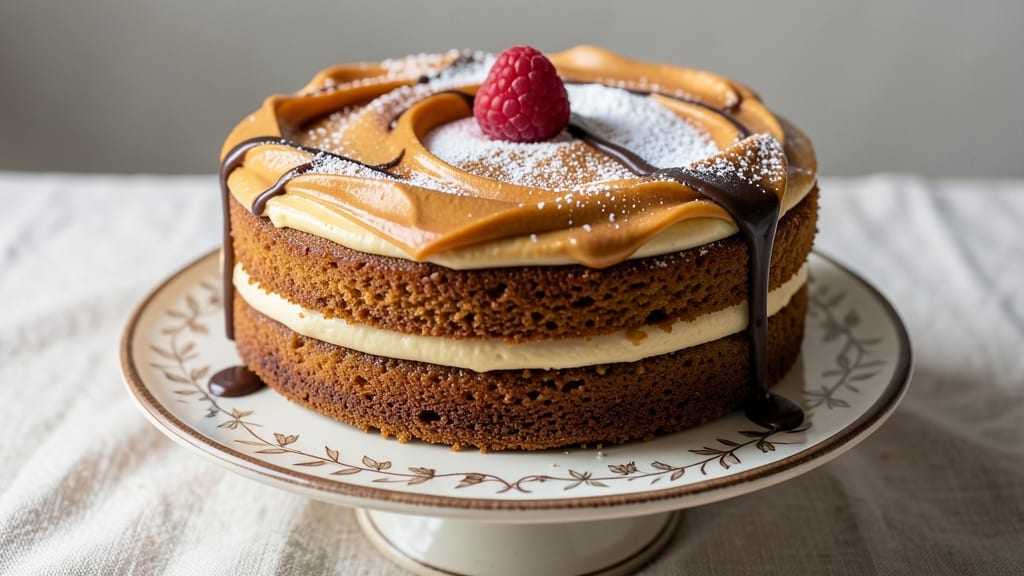
This all-purpose flour cake delivers the perfect balance of light, airy crumb and tender moistness—all thanks to a buttermilk secret that transforms ordinary flour into something extraordinary. 💛 The key lies in precise mixing techniques and a strategic leavening approach that ensures every slice rises beautifully without being dense or dry.
I’ve perfected this recipe over years of baking, and it’s become my go-to for birthdays, holidays, or whenever I crave a classic cake with restaurant-quality texture.
The foundation starts with a simple ingredient list—all-purpose flour, buttermilk, eggs, and butter—but the magic happens in the method. Whipped egg whites folded into the batter create that signature lightness, while buttermilk tenderizes the crumb.
Baking at 350°F for 25–30 minutes yields a golden dome with a fine, even crumb that’s impossible to resist. This isn’t just another cake; it’s a versatile canvas for frosting, fillings, or even serving plain with fresh berries.
What sets this recipe apart is its foolproof reliability—no fancy ingredients, no complicated steps, just a guaranteed tender, moist cake every time. Whether you’re layering it with vanilla buttercream, filling it with lemon curd, or dusting it with powdered sugar, the texture stays perfect.
The buttermilk keeps it rich without heaviness, while the folded egg whites ensure a rise that’s both sturdy and delicate.
Ready to master a cake that’s equal parts elegant and approachable? This recipe scales easily for any occasion, from a single-layer sheet cake to a triple-tiered masterpiece. Let’s get baking—your first slice will be the best part.
Ingredients for ap flour cake
Twelve ingredients transform into a cake so light it feels like magic—all thanks to that buttermilk secret.
| Ingredient | Amount | Notes |
|---|---|---|
| All-Purpose Flour 🌾 | 2 ½ cups | Sifted for even distribution |
| Granulated Sugar 🍚 | 1 ½ cups | White or light brown |
| Unsalted Butter 🧈 | 1 cup | Cold, cubed for creaming |
| Large Eggs 🥚 | 3 whole | Room temperature preferred |
| Buttermilk 🥛 | 1 cup | Fresh for optimal tang |
| Vanilla Extract 🌿 | 1 tbsp | Pure vanilla preferred |
| Baking Powder 🧂 | 2 tsp | Diamond Crystal preferred |
| Salt 🧂 | ½ tsp | Fine sea salt |
| Vegetable Oil 🫒 | ¼ cup | Light, neutral flavor |
| Powdered Sugar 🍚 | ½ cup | For dusting (optional) |
| Fresh Blueberries 🫐 | 1 cup | Optional filling (washed) |
| Lemon Zest 🍋 | 1 tbsp | Brightens flavor profile |
The flour is your canvas—King Arthur or Gold Medal work best for that tender crumb. Butter matters here: Plugrá or Land O'Lakes unsalted (the European-style kind) gives the most tender crumb. Keep it cold when creaming—35°F or colder—or the batter will overheat. For the buttermilk, if you don't have it, mix 1 tbsp vinegar or lemon juice with 1 cup milk and let it sit 5 minutes. The baking powder? Diamond Crystal is twice as potent as Rumford, so cut the amount in half if using the latter. Fresh blueberries? Trader Joe's frozen works too—just toss them in a towel to dry them first.
No buttermilk? Plain yogurt thinned with milk is a solid swap, but the tang won't be identical. Short on vanilla? Almond extract at half the amount adds depth, but stick to pure vanilla for classic flavor. The powdered sugar is optional—only use it if you're dusting the finished cake. For a richer cake, replace 2 tbsp of the all-purpose flour with cornstarch. The lemon zest is non-negotiable though—it brightens the whole thing. If you can't find fresh lemons, zest from a bottle works in a pinch, but fresh is always better.
This batter keeps in the fridge for up to 24 hours—perfect for prepping ahead. Once baked, the cake stays moist for 3 days at room temperature if wrapped tightly in plastic. For longer storage, freeze slices between parchment paper for up to 3 months. The secret to reheating? Microwave for 10 seconds—just enough to revive the texture without turning it gummy. And if you're layering? Brush with simple syrup between layers for that professional bakery touch.
Why You'll Love This Recipe
- Pantry Staples Only: I swear by this recipe when I forget to buy special ingredients. All-purpose flour, sugar, butter, eggs, and buttermilk? That’s it—no fancy swaps or last-minute grocery runs. The buttermilk alone gives it that tender crumb without requiring sour cream or yogurt.
- Buttery Vanilla Hug: That melted butter folded into the batter? Pure comfort. It’s rich but not heavy, with just enough sugar to balance the eggs and buttermilk’s tang. Honestly, I’ve made it without vanilla extract once—don’t.
- Slice or Serve Whole: Cut it into squares for a quick breakfast with jam, or bake it in a tube pan for a single-serving treat. Even better? It reheats beautifully—microwave for 10 seconds, and it’s like fresh out of the oven. (Yes, even on a Tuesday night.)
- Budget-Friendly Magic: This cake costs me less than $3 to make and feeds six. The leftovers? They last a week if I wrap them tightly, or I freeze slices for school lunches. My kids ask for it more than store-bought muffins—no joke.
Step-by-step instructions for all-purpose flour cake
Here's how to craft a cloud-like cake with buttermilk's magic—every layer light as air.
👨🍳 Step 1: Cream Butter and Sugar to Fluffy Perfection
In a stand mixer fitted with the paddle attachment, beat the 1 cup unsalted butter and 1.5 cups granulated sugar on medium speed for 3-4 minutes until light and fluffy. You'll know it's ready when the mixture nearly doubles in volume and turns pale—this incorporates air that creates those signature tender crumbs.
I like to scrape down the sides of the bowl every 30 seconds to ensure even mixing. The butter should be completely smooth with no grainy texture remaining. This step is non-negotiable for that signature airy texture—rushing here leads to dense, cakey results instead of that perfect crumb.
🍳 Step 2: Add Eggs and Buttermilk for Moisture
Add the 3 whole large eggs, one at a time, mixing on low speed after each addition until fully incorporated. Then add the 1 cup buttermilk and 1 tablespoon vanilla extract, mixing just until smooth. The buttermilk's acidity reacts with the baking powder later to create those tiny air pockets that make this cake so light.
Here's the thing—don't overmix after adding the buttermilk. The batter should be smooth but still slightly thick. If it looks curdled, don't worry; the flour will come together when you add it. The buttermilk also helps keep the cake moist for days after baking.
👨🍳 Step 3: Combine Dry Ingredients for Even Distribution
In a separate bowl, whisk together the 2.5 cups all-purpose flour, 2 teaspoons baking powder, and 0.5 teaspoon salt. Sift the flour first for even distribution—this prevents dense pockets in your cake. Gradually add the dry mixture to the wet ingredients, mixing on low speed just until combined. You should still see some flour streaks.
Overmixing develops gluten, which makes cakes tough. Stop mixing as soon as the flour disappears—this is where precision matters. The cake batter should be thick but pourable. If it looks too stiff, add 1 tablespoon vegetable oil to help with moisture.
🍳 Step 4: Fold in Blueberries and Lemon Zest
Gently fold in the 1 cup fresh blueberries and 1 tablespoon lemon zest using a silicone spatula. The lemon zest brightens the flavor while the blueberries add a juicy contrast. Be careful not to crush the blueberries—this releases moisture that can make the cake dense. A light hand ensures even distribution without overworking the batter.
This is where the magic happens—those little bursts of blueberry in every bite. If you're using frozen blueberries, don't thaw them first; the cold helps prevent them from sinking to the bottom. The lemon zest should be finely grated for even flavor infusion throughout the cake.
🔥 Step 5: Bake to Golden Perfection
Preheat your oven to 350°F and grease two 8-inch round cake pans. Divide the batter evenly between the pans and bake for 25-30 minutes, or until a toothpick inserted in the center comes out clean. The edges should be golden brown while the top remains slightly domed.
Don't open the oven during baking—this causes the cakes to sink. The center should jiggle slightly when shaken. Once done, let the cakes cool in the pans for 10 minutes, then transfer to a wire rack to cool completely. This resting period ensures even slicing and prevents crumbs when you dust with powdered sugar.
Pro Tips For Making Ap Flour Cake
- MEASURE BUTTER COLD: Take that butter straight from the fridge—no softening, no room-temperature nonsense. Cut it into cubes and let them sit in the bowl with the flour for 30 seconds before mixing. This keeps the fat from melting too fast and guarantees tender layers instead of a dense brick.
- WHISK EGGS ROOM TEMP: Cold eggs? Skip it. Crack those eggs into a separate bowl first, let them sit for 10 minutes, then whisk them smooth. Cold eggs mix unevenly and can create pockets of dryness in your cake—especially with buttermilk, which already adds moisture unpredictably.
- DON’T OVERMIX: Stop mixing the moment the flour disappears. Two or three turns past that point, and you’ll activate the gluten, turning your light cake into a chewy loaf. Use a spatula to fold just until combined—lumpy is better than tough.
- CHECK OVEN TEMP TWICE: Preheat that oven like your life depends on it—425°F is non-negotiable for this cake. Then, after 15 minutes, drop the temp to 350°F. I learned this after watching my first cake turn to hockey puck on the edges while staying raw inside. The high start sets the crust; the lower temp finishes it evenly.
Wine and beer pairings for these flavors
Sweet Wine Pairings
This light, buttermilk cake pairs beautifully with sweet dessert wines that complement its delicate crumb and subtle lemon notes. A Moscato d'Asti from Italy brings effervescence and floral sweetness that cuts through the cake's richness while enhancing the blueberry bursts.
For something richer, try a Late Harvest Riesling—its honeyed flavors and slight acidity mirror the cake's natural sweetness and citrus brightness. 🍷
Dry White Wine Balance
If you prefer dry wines, an Albariño from Spain offers crisp acidity and citrus undertones that refresh your palate between bites. The wine's mineral notes contrast nicely with the cake's buttery texture, while its peach and green apple flavors harmonize with the lemon zest.
Another excellent choice is a Sauvignon Blanc with herbal notes that complement the vanilla and blueberries.
Beer Pairings for Contrast
For beer lovers, a Belgian Witbier like Hoegaarden provides a perfect contrast with its coriander and citrus flavors. The effervescence cleanses your palate between bites, while the subtle sweetness balances the cake's richness.
Alternatively, a honey ale from a craft brewery adds caramel notes that pair beautifully with the buttermilk's tang. 🍺
Coffee Liqueur Finish
If you're serving cake with coffee, a Kahlúa or Tia Maria drizzle over the top adds a sophisticated touch. The coffee's bitterness contrasts wonderfully with the cake's sweetness, while the liqueur's smoothness enhances the buttermilk's creamy texture.
For a non-alcoholic option, a vanilla syrup or caramel sauce works just as well.
Seasonal Adaptations
In summer, opt for sparkling rosé with its berry notes that complement the blueberries. For fall, a dry Riesling with its autumnal apple flavors pairs perfectly with a pumpkin spice variation of this cake.
Winter calls for a Port wine, where its nutty, dried fruit flavors enhance the cake's vanilla and citrus notes.
Nutrition facts
Frequently asked questions
Why does buttermilk make this cake so light?
The buttermilk's acidity reacts with the baking powder during baking, creating tiny air pockets that give this cake its signature lightness. It also tenderizes the gluten in the flour, preventing a dense, chewy texture. Plus, the moisture from buttermilk keeps the cake juicy for days after baking!
Can I substitute buttermilk if I don't have any?
Yes! Mix 1 tablespoon vinegar or lemon juice with 1 cup milk and let it sit for 5 minutes to curdle. This DIY buttermilk works just as well for the recipe. The tang is slightly different, but it won't affect the cake's texture.
How do I prevent my cake from cracking?
Cracking usually happens when the oven temperature fluctuates. Make sure your oven is fully preheated to 350°F before baking, and avoid opening the oven door during the first 20 minutes of baking. Also, don't overmix the batter—stop as soon as the flour disappears!
Can I bake this cake in a different pan size?
Yes, but adjust the baking time. For a 9-inch round pan, bake for 20-25 minutes (the batter will be deeper). For a 9x13-inch sheet pan, bake for 30-35 minutes. Always check with a toothpick—it should come out clean when done.
What's the best way to store leftover cake?
Wrap the cake tightly in plastic wrap or store it in an airtight container at room temperature for up to 3 days. For longer storage, freeze slices between parchment paper for up to 3 months. To reheat, microwave for 10 seconds—just enough to revive the texture!