
Desserts
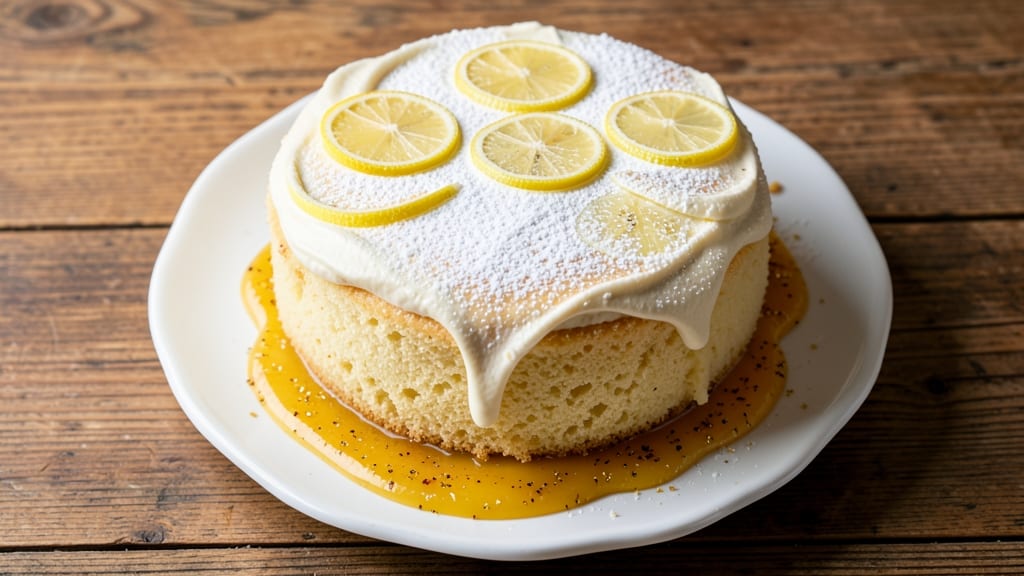
This anytime lemon cake recipe delivers bright, zesty flavor without the fuss of layers or frosting—just one bowl, 30 minutes, and a single pan. The secret lies in a tangy lemon curd filling that stays fresh for days, making it perfect for brunch, snacks, or spontaneous dessert cravings.
No special equipment or baking expertise required, just a few simple ingredients and a standard oven.
The magic happens when freshly squeezed lemon juice meets warm cake batter, creating a tender crumb with bursts of citrus that cut through richness.
I developed this recipe to be foolproof—no overmixing, no tricky layering, just a one-bowl mix that bakes into a moist, golden cake with a velvety lemon center. The result? A dessert that’s light enough for afternoon tea but satisfying enough for a celebration.
What makes this recipe truly anytime-friendly is its versatility. Serve it warm with a dollop of whipped cream for a cozy treat, or chill it for 24 hours to let the lemon flavors deepen.
The cake keeps well at room temperature for 3 days or refrigerated for up to 5 days, so you can bake once and enjoy it all week. No perishable components mean it’s always ready when inspiration strikes.
Ready in just 30 minutes with minimal cleanup, this lemon cake proves dessert doesn’t have to be complicated. The bright, tangy flavor pairs beautifully with tea, coffee, or even as a breakfast treat. Here’s how to make it—simple steps for a showstopping dessert that’s always in season.
Ingredients for anytime lemon cake
Bright citrus meets tender crumb—just twelve ingredients for a foolproof lemon cake that bakes in one bowl.
| Ingredient | Amount | Notes |
|---|---|---|
| All-Purpose Flour 🌾 | 2 cups | Sifted for even texture |
| Granulated Sugar 🍚 | 1 ½ cups | White or light brown |
| Unsalted Butter 🧈 | 1 cup | Cold, cubed for creaming |
| Large Eggs 🥚 | 2 whole | Room temperature preferred |
| Fresh Lemon Juice 🍋 | ¾ cup | From 4-5 medium lemons |
| Zest of 2 Lemons 🍋 | 1 tbsp | Fine, bright yellow |
| Baking Powder 🍞 | 2 tsp | Diamond Crystal preferred |
| Salt 🧂 | ½ tsp | Fine sea salt |
| Vanilla Extract 🌸 | 1 tsp | Pure, high-quality |
| Powdered Sugar 🍚 | 1 cup | For lemon curd filling |
| Heavy Cream 🥛 | ½ cup | Cold for whipping |
| Whole Milk 🥛 | ¼ cup | For lemon curd consistency |
The lemons are non-negotiable here. Freshly squeezed juice from 4-5 medium lemons (about 6 oz each) delivers that signature tang—bottled lemon juice lacks depth. For zest, use a microplane to capture fine, vibrant yellow strips. I always grab organic Meyer lemons from the grocery store's produce section if they're in season, but standard lemons work perfectly too. The butter should be cold when you start—this ensures proper creaming for a tender crumb. European-style butter like Plugrá or Land O'Lakes has higher fat content, which improves texture.
No fresh lemons? Lemon extract at half the amount works in a pinch, though the flavor won't be as bright. Running short on powdered sugar for the filling? Confectioners' sugar from a jar (like Domino) is fine, but sift it first to avoid graininess. For the cake batter, cake flour can replace all-purpose at a 1:1 ratio if you prefer a lighter texture. The baking powder is crucial—Diamond Crystal measures differently than Rumford, so use the same brand as your recipe calls for. If you're avoiding dairy, vegan butter and plant-based milk can substitute, though the texture will differ slightly.
This cake stays moist for 3 days at room temperature when wrapped tightly in plastic wrap, but it truly shines after 24 hours of chilling—the lemon flavors meld beautifully. For the filling, whip the cream just until soft peaks form, then gently fold it into the lemon curd mixture to maintain airiness. Store leftovers in an airtight container in the fridge for up to 5 days. The lemon curd filling can be made ahead and stored separately for 3 days before assembling the cake—just assemble it an hour before serving for optimal texture.
Why You'll Love This Recipe
- Here’s what sold me: that first bite of lemon cake isn’t just lemon-flavored—it’s lemon-forward. The fresh juice (not powdered, not zest-only) gives it a real tang, while the butter keeps it rich. I’ll be real: my husband grabs seconds before I even finish my first slice, and he’s not usually a dessert guy.
- No Fuss, One Bowl: I swear by this recipe when I’m too tired to measure three separate dry ingredients. Just toss flour, sugar, and butter in one bowl, mix until it’s almost crumbly, then fold in the eggs and lemon juice—no sifting, no extra bowls. That bright citrus cuts through the richness, and honestly? The cake’s so tender it melts in your mouth.
- Bright Without Trying: Here’s what sold me: that first bite of lemon cake isn’t just lemon-flavored—it’s lemon-forward. The fresh juice (not powdered, not zest-only) gives it a real tang, while the butter keeps it rich. I’ll be real: my husband grabs seconds before I even finish my first slice, and he’s not usually a dessert guy.
- Weekday Hero: This cake is my go-to for birthdays, book club meetups, or when I just need something sweet after a long day. Serve it plain for a light dessert, or slap on a quick cream cheese glaze if you’re feeling fancy. Between us, I’ve even packed slices for lunch—yes, even on a Tuesday—and no one’s ever complained.
Step-by-step instructions for anytime lemon cake
Here's how to create a perfectly moist lemon cake with bright citrus flavor and a tender crumb.
Cream Butter and Sugars for Light Texture
In a large mixing bowl, combine the 1 cup unsalted butter (cold, cubed) with the 1.5 cups granulated sugar. Using an electric mixer on medium speed, beat for 3-4 minutes until the mixture becomes light and fluffy. You'll notice the butter soften and blend completely with the sugar, creating a pale, airy consistency.
This creaming process is crucial—it incorporates air into the batter, which helps create that signature tender crumb. If your butter isn't cold enough, the mixture will clump together instead of emulsifying properly. I like to press the butter cubes between paper towels to remove any excess moisture before starting.
Add Eggs and Lemon Components
Add the 2 whole large eggs, one at a time, mixing well after each addition until fully incorporated. Then stir in the 0.75 cup fresh lemon juice, 1 tbsp lemon zest, and 1 tsp vanilla extract. The batter should be smooth and slightly thickened, with a vibrant yellow hue from the lemon zest.
I always use freshly squeezed lemon juice for maximum brightness. If you're using bottled juice, look for brands that contain no added water or preservatives. The lemon zest adds aromatic depth that you won't get from juice alone. Mix just until combined—overmixing at this stage can develop gluten in the flour.
Combine Dry Ingredients
In a separate bowl, whisk together the 2 cups all-purpose flour, 2 tsp baking powder, and 0.5 tsp salt. Sift the flour mixture directly over the wet ingredients, then gently fold together using a spatula until just combined. The batter should be thick but pourable, with no visible flour streaks remaining.
This is where precision matters most. Overmixing now will create a tough cake. I use a gentle folding motion to preserve the air bubbles created during creaming. The batter should hold its shape when dropped from a spoon—if it spreads too much, add another tablespoon of flour to thicken slightly.
Prepare Lemon Curd Filling
In a small saucepan, combine the 1 cup powdered sugar, 0.5 cup heavy cream, and 0.25 cup whole milk. Whisk constantly over medium heat until the mixture reaches 160°F and thickens to a pudding-like consistency. Remove from heat and stir in 0.25 cup fresh lemon juice and 1 tbsp lemon zest. Let cool completely before using.
The lemon curd should be smooth and glossy when fully cooled. If it thickens too much while cooling, whisk in 1-2 teaspoons of warm water to restore proper consistency. This filling contains all the lemon flavor without needing additional juice—it's the secret to that signature tangy-sweet balance.
Bake and Assemble
Preheat oven to 350°F. Pour half the batter into a greased and floured 9-inch round cake pan. Bake for 20-25 minutes until a toothpick inserted comes out clean. Repeat with remaining batter. While the second layer bakes, spread the cooled lemon curd evenly over the first layer.
For assembly, place the first layer on a serving plate, spread with lemon curd, then top with the second layer. The cake should be moist but not wet, with a golden domed top. If the edges brown too quickly, tent with foil during baking. The lemon flavor will permeate the entire cake, creating that signature bright citrus taste in every bite.
Pro Tips For Making Anytime Lemon Cake
- Cream Butter Properly: Beat the butter and sugar until it’s pale and fluffy—about 3-5 minutes with a mixer. I used to rush this step, and the cake always turned out dense. That extra time makes a real difference in texture.
- Use Room-Temp Eggs: Take eggs out of the fridge 30 minutes before mixing. Cold eggs incorporate unevenly and can make the batter lumpy. Trust me, your cake will be smoother if you skip the ice-cold shortcut.
- Measure Dry Ingredients Right: Spoon flour into the measuring cup and level it off with a knife—don’t scoop directly from the bag. Packing it in tight will throw off the balance, and your cake might turn out gummy or dry.
- Bake Until Springy: Check doneness by pressing the center—it should bounce back slowly, not jiggle like Jell-O. Overbaking dries out the lemon flavor, and underbaking leaves it too wet. A toothpick with one moist crumb is perfect.
Serving suggestions for this dish
Warm Serve Style
Slice the cake warm and serve directly from the pan for a comforting treat. The heat enhances the lemon's natural oils, making each bite burst with bright citrus flavor.
I love pairing it with a scoop of vanilla bean ice cream or a dollop of whipped cream—the contrast of cold and warm creates an irresistible texture play. For an extra touch, dust the top with powdered sugar and garnish with fresh lemon wheels. 🍋
Chilled Dessert Version
For a refreshing option, chill the cake for 2-3 hours before serving. The lemon curd filling sets slightly, creating a firmer texture that pairs beautifully with fresh berries or a raspberry coulis.
Serve slices on a chilled plate with a sprig of fresh mint for a sophisticated touch. This version is perfect for summer gatherings or as an elegant dessert after dinner.
Tea Time Classic
Cut into small wedges and serve with a steaming cup of Earl Grey tea or English Breakfast tea. The bergamot notes in Earl Grey complement the lemon beautifully, while the robust flavor of Breakfast tea balances the cake's sweetness.
For a festive touch, arrange slices on a tiered stand with tea cups for a charming afternoon tea spread. 🍵
Breakfast Twist
Turn this dessert into a breakfast sensation by slicing it into rectangles and topping with Greek yogurt and honey drizzle. The lemon's brightness cuts through the richness of the yogurt, making it a perfect morning treat.
Add a sprinkle of toasted almonds for crunch and texture. This version is especially popular in my kitchen on lazy weekend mornings.
Coffee Pairing
Serve warm slices alongside a cup of dark roast coffee or cold brew. The bold flavors of the coffee enhance the cake's citrus notes, creating a sophisticated flavor combination.
For an extra indulgence, add a shot of espresso to the cake's center before serving. This pairing is ideal for a cozy evening dessert or a mid-afternoon pick-me-up. ☕
Garnish Ideas
Elevate your serving presentation with simple garnishes. A dusting of powdered sugar adds a delicate finish, while fresh lemon zest on top intensifies the citrus aroma. For a pop of color, add edible flowers or a few blueberries.
A drizzle of honey or lemon glaze adds a glossy sheen that makes the cake look even more inviting. 🌸
Nutrition facts
Frequently asked questions
Can I make this lemon cake without fresh lemons?
You can substitute with lemon extract at half the amount (use ½ teaspoon instead of 1 tablespoon of zest), but fresh lemons deliver the best flavor. For the juice, use bottled lemon juice without added water—just reduce the milk in the curd by 2 tablespoons to maintain balance. The zest is irreplaceable for that bright citrus aroma!
How do I prevent the cake from drying out?
Keep the cake moist by storing it in an airtight container at room temperature for up to 3 days, or refrigerate for 5 days. For extra moisture, brush the cooled cake layers with a simple syrup (equal parts sugar and water, heated until dissolved) before assembling. The lemon curd filling also helps maintain freshness—just ensure it's fully cooled before spreading.
Can I bake this in a different pan size?
Yes! For a 8-inch pan, bake for 25-30 minutes per layer, and for a 10-inch pan, reduce to 18-22 minutes. Adjust oven temperature to 340°F if using a dark-colored pan to prevent over-browning. The key is to check for doneness with a toothpick—it should come out clean when the cake is fully baked.
What’s the best way to make this cake ahead of time?
Bake the cake layers 1 day ahead and store them wrapped in plastic at room temperature. Prepare the lemon curd separately and refrigerate it for up to 3 days. Assemble the cake just before serving—this lets the flavors meld beautifully. For a chilled version, refrigerate the assembled cake for 2-3 hours before slicing for cleaner cuts.
Why did my lemon curd turn grainy?
Graininess usually happens from overheating or using lumpy powdered sugar. Whisk constantly over medium-low heat and remove the curd from heat as soon as it thickens to 160°F. Always sift powdered sugar first, and strain the cooled curd through a fine-mesh sieve if needed. For extra smoothness, add 1 teaspoon of cornstarch to the sugar-milk mixture.