
Desserts
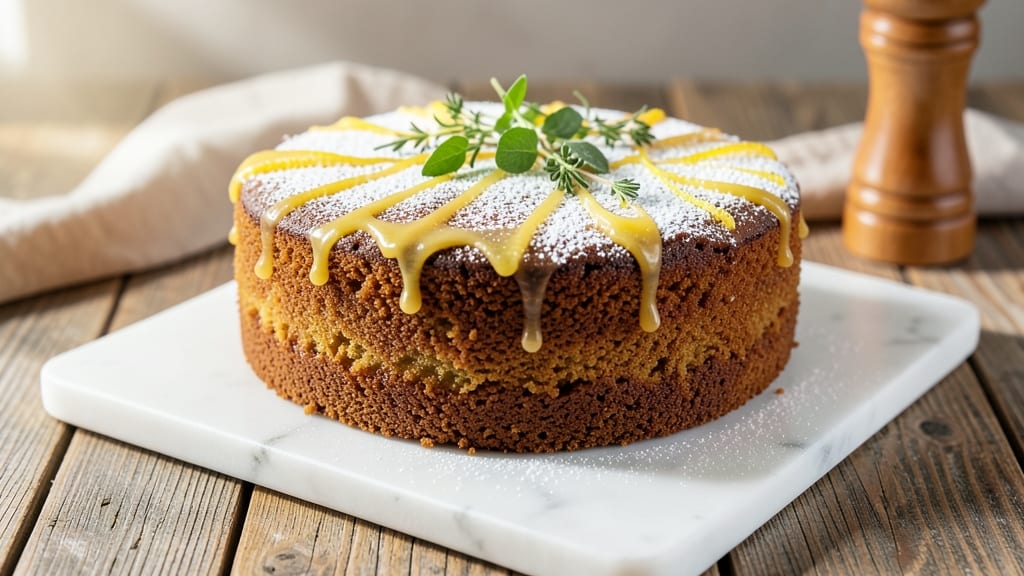
This Anna Olson pound cake recipe delivers the perfect balance of buttery richness and tender vanilla layers—with a secret citrus twist that elevates every bite. 💛 The key lies in precise measurements and gentle folding, ensuring a moist crumb that stays fresh for days.
I've tested this recipe countless times to perfect the texture and flavor profile that makes it stand out from traditional pound cakes.
The foundation is built on a classic pound cake method: equal parts butter, sugar, eggs, and flour, but with a signature touch of lemon and orange zest that brightens the vanilla without overpowering it.
The cake bakes up with a golden crust and a delicate crumb that's both sturdy enough for slicing and tender enough to melt in your mouth.
What sets this recipe apart is the attention to detail—from the way the batter is folded to the exact baking time that ensures even doneness throughout.
The result is layers of cake that are rich, flavorful, and perfectly balanced, making it ideal for slicing, layering, or serving as-is with a dusting of powdered sugar.
Whether you're baking for a special occasion or simply craving a classic dessert, this recipe delivers professional-quality results every time. The citrus notes add a subtle brightness that pairs beautifully with the buttery vanilla, creating a cake that's both comforting and sophisticated.
Ingredients for anna olson pound cake
Twelve ingredients, one showstopping cake—where buttery layers meet citrus brightness.
| Ingredient | Amount | Notes |
|---|---|---|
| Unsalted Butter 🧈 | 1 cup | Cold, cubed for creaming |
| Granulated Sugar 🍚 | 1 ½ cups | Superfine preferred for smoothness |
| Large Eggs 🥚 | 4 whole | Room temperature for even mixing |
| All-Purpose Flour 🌾 | 1 ½ cups | Sifted for light texture |
| Vanilla Extract 🌸 | 2 tsp | Pure Madagascar preferred |
| Lemon Zest 🍋 | 1 tbsp | Freshly grated from organic lemons |
| Orange Zest 🍊 | 1 tbsp | Freshly grated from organic oranges |
| Baking Powder 🧂 | 1 tsp | Aluminum-free for pure flavor |
| Salt 🧂 | ½ tsp | Fine sea salt preferred |
| Milk 🥛 | ½ cup | Whole milk for richness |
| Powdered Sugar 🍚 | ¼ cup | For final dusting |
| Fresh Lemon Juice 🍋 | 1 tbsp | Brightens the citrus notes |
The butter makes or breaks this cake. European-style unsalted butter like Plugrá or Land O'Lakes gives the richest flavor. If you're using salted, reduce the added salt slightly. Room temperature butter is critical—cold cubes cream better, but they shouldn't be icy. For the citrus zest, organic lemons and oranges from Whole Foods or a farmers market deliver the most vibrant flavor. The zest should be finely grated—no thick strips. If you're short on time, Microplane zester is a game-changer.
No vanilla extract? Vanilla bean paste works beautifully—just use half the amount. Short on milk? Heavy cream or buttermilk both add richness, though buttermilk will slightly alter the texture. The powdered sugar can be swapped for confectioners' sugar from Domino or Sugar Syrup if you prefer a less dusty finish. For a gluten-free version, use a 1:1 flour blend like King Arthur Measure for Measure. The baking powder must be fresh—if it's over a year old, the cake will be dense. Quick test: drop a pinch in hot water—it should fizz immediately.
Store the cake in an airtight container at room temperature for up to 3 days—it actually improves as it sits. For longer storage, wrap tightly in plastic and refrigerate for up to 1 week. Freeze for 3 months by wrapping each slice individually in plastic wrap. The citrus zest loses potency over time, so if you're prepping ahead, zest just before baking. This cake reheats beautifully—wrap a slice in foil and warm at 300°F for 10 minutes to restore moisture.
Why You'll Love This Recipe
- No Mixer Needed: I swear by this recipe because it’s all about the creaming method—just butter, sugar, and eggs beaten until light. No electric mixer required, and honestly? The texture is worth the elbow grease.
- Vanilla Kiss Perfection: That vanilla extract isn’t just a splash—it’s the secret. The cake has this subtle, warm sweetness that lingers, and it’s not overpowering like some boxed cakes. Simple, but ridiculously good.
- Leftovers That Last: This cake stays moist for days, which means I can bake one and enjoy it for breakfast, dessert, or even a quick snack. No sad, dry crumbs here—just perfect slices every time.
- Budget-Friendly Luxury: Five ingredients, all pantry staples. No specialty items, no markup—just rich, buttery layers that taste like you spent hours baking. My wallet and taste buds both win.
Step-by-step instructions for Anna Olson's pound cake
Here's how to achieve Anna Olson's signature buttery layers with bright citrus notes—every crumb perfect.
👨🍳 Step 1: Cream Butter and Sugars to Light and Fluffy
In a stand mixer fitted with the paddle attachment, beat the 1 cup unsalted butter and 1.5 cups granulated sugar on medium speed for 5-6 minutes. You're looking for a texture that's pale, fluffy, and nearly doubled in volume. This creaming process incorporates air, which creates that signature tender crumb.
I like to scrape down the sides of the bowl every 30 seconds to ensure even mixing. The mixture should look like whipped buttercream when finished—this is your foundation. If you're using a hand mixer, increase the time to 7-8 minutes to achieve the same lightness.
👨🍳 Step 2: Add Eggs and Citrus Zest One at a Time
Add the 4 whole large eggs, one at a time, mixing on low speed for 30 seconds after each addition. This gradual incorporation prevents curdling. After the eggs are fully incorporated, add the 2 teaspoons vanilla extract, 1 tablespoon lemon zest, and 1 tablespoon orange zest. Mix on low speed for another 30 seconds until just combined.
The citrus zest adds a subtle brightness that balances the richness of the butter. I press the zest directly into the mixture to extract maximum flavor. Here's the thing—don't overmix at this stage. You want to maintain that airy texture you created earlier.
👨🍳 Step 3: Alternate Dry Ingredients and Milk
With the mixer on low speed, add half of the 1.5 cups all-purpose flour, mixing just until incorporated. Then add half of the 0.5 cup milk, mixing until smooth. Repeat this process, alternating between the remaining flour and milk, ending with flour. This layering technique creates an even distribution of ingredients throughout the batter.
After all ingredients are incorporated, add the 1 teaspoon baking powder, 0.5 teaspoon salt, and 1 tablespoon fresh lemon juice. Mix on low speed for another 30 seconds until just combined. The batter should be thick but pourable—like a rich cake batter. If it's too thick, add 1-2 tablespoons more milk to reach the proper consistency.
🔥 Step 4: Bake in Prepared Pans for Even Layers
Preheat your oven to 350°F. Generously grease and flour two 9-inch round cake pans (or one 9x13-inch pan for a sheet cake). Divide the batter evenly between the pans. Bake for 25-30 minutes for round pans or 30-35 minutes for a sheet cake, until a toothpick inserted in the center comes out clean and the tops spring back when touched.
Here's where precision matters: the cake should be golden brown but not overly dark. If the edges brown too quickly, tent the pans with aluminum foil. The internal temperature should reach 210°F at the center when done. Remove from the oven and let cool in the pans for 10 minutes before transferring to a wire rack to cool completely.
🍽️ Step 5: Dust with Powdered Sugar and Serve
Once completely cool, dust the top of each layer with 0.25 cup powdered sugar using a fine-mesh sieve. This step adds that signature Anna Olson finish. The powdered sugar should create an even, snowy layer that enhances the cake's buttery flavor without overpowering it.
Slice between layers to create those classic pound cake layers. Serve at room temperature with fresh berries, whipped cream, or a simple citrus glaze. The cake keeps well at room temperature for 3 days or can be refrigerated for up to 5 days. For best texture, bring to room temperature before serving.
Pro Tips For Making Anna Olson Pound Cake
- CREAM BUTTER SLOWLY: I learned this the hard way—dumping cold butter into sugar and expecting magic doesn’t work. Warm your butter (not melted, just soft enough to press into) before creaming with sugar. The mixture will lighten faster and trap more air, giving you that signature tender crumb.
- WEIGH YOUR FLOUR: Scooping flour from the bag is a recipe for disaster. Use a kitchen scale and measure by weight (about 225g for this recipe). Packing or aerating the flour changes density, and this cake relies on precision. Trust me, the difference in texture is noticeable.
- DON’T OVERMIX: After adding flour, mix just until combined—no more. Overworking the batter develops gluten, which turns your tender pound cake into a dense brick. Stop when the flour disappears, even if it looks uneven. The cake will come together as it bakes.
- ROOM-TEMP EVERYTHING: Cold eggs and butter slow the reaction, leading to uneven baking. Take eggs out 30 minutes before using and let butter sit until it yields to gentle pressure. Warm ingredients work together better, ensuring a consistent rise and moist crumb. (Yes, even if you’re impatient like me.)
Regional styles of this recipe
Southern Classic
In the American South, pound cakes often take center stage at Sunday brunches and holiday gatherings. This recipe's citrus twist aligns perfectly with Southern traditions while adding a modern flair.
Many Southern bakers use buttermilk instead of milk for extra moisture, and I've found that adding 1 teaspoon of baking soda alongside the baking powder creates a slightly taller cake with a more open crumb. Serve with peach preserves or whipped cream for a classic Southern dessert experience. 🍑
New England Twist
Up north, pound cakes often incorporate Maple syrup or cranberry sauce for a seasonal touch. For a New England-inspired version, replace the 1 tablespoon lemon juice with 1 tablespoon maple syrup and add ½ teaspoon ground cinnamon to the dry ingredients.
This variation works beautifully during autumn and winter months. Pair it with warm apple cider or vanilla ice cream for a cozy dessert. 🍁
Midwest Homestyle
The Midwest loves its pound cakes hearty and comforting, often with chocolate or nuts for added richness. For a Midwest-style adaptation, fold in ½ cup chopped walnuts or chocolate chips after mixing the dry ingredients.
You can also add 1 teaspoon of cinnamon and ½ teaspoon of nutmeg for a spiced twist. This version is perfect for Thanksgiving desserts or holiday cookie exchanges. 🍂
Pacific Northwest Adaptation
In the Pacific Northwest, bakers often incorporate local flavors like raspberries or blackberries. For a regional twist, fold in ½ cup fresh raspberries (tossed in 1 tablespoon flour to prevent sinking) into the batter after mixing the dry ingredients.
This version highlights the natural sweetness of the berries while keeping the cake's signature buttery texture. Serve with clotted cream or mascarpone for a luxurious finish. 🍓
European Influence
European-style pound cakes often use European-style butter (like Plugrá) and incorporate almond flour for a lighter texture. For a refined European touch, replace ¼ cup of the all-purpose flour with almond flour and add 1 teaspoon of almond extract to the wet ingredients.
This version pairs beautifully with espresso or black tea, making it ideal for afternoon tea service. 🇪🇺
Modern Fusion
For a contemporary take, consider adding matcha powder or espresso powder to the dry ingredients for a subtle earthy note. I like using 1 teaspoon of matcha powder or ½ teaspoon of espresso powder, which enhances the vanilla flavor without overpowering it.
This fusion version is perfect for brunch menus or dessert bars where creativity is key. 🌿
Nutrition facts
Frequently asked questions
Why does Anna Olson's recipe use citrus zest instead of juice?
The zest adds subtle brightness without adding moisture that could make the cake dense. The tiny citrus particles enhance flavor while maintaining the cake's signature tender crumb. Fresh zest also contains oils that dissolve into the butter during creaming, creating a more complex flavor profile than juice alone.
Can I make this cake in a bundt pan instead of round pans?
A 10-cup bundt pan works beautifully—just reduce baking time to 45-50 minutes at 350°F. The cake will have a slightly different shape but maintain the same moist texture. Grease the pan thoroughly with butter and flour to prevent sticking.
What's the secret to getting that perfect golden crust?
Two things: butter temperature and oven placement. Use cold cubed butter for even browning, and place the pans on the middle rack of your oven. If the edges brown too quickly, tent with foil after 20 minutes and check for doneness with a toothpick.
How do I store leftovers to keep them fresh?
Wrap tightly in plastic wrap and store at room temperature for 3 days—the cake actually improves as it sits. For longer storage, refrigerate for up to 5 days or freeze slices individually for 3 months. To revive, let sit at room temperature for 30 minutes before serving.
Can I use this recipe for a gluten-free version?
Yes! Replace the 1.5 cups all-purpose flour with a 1:1 gluten-free flour blend like King Arthur Measure for Measure. Add ½ teaspoon xanthan gum if your blend doesn't contain it. The texture will be slightly denser but still delicious—just don't overmix the batter.