Desserts
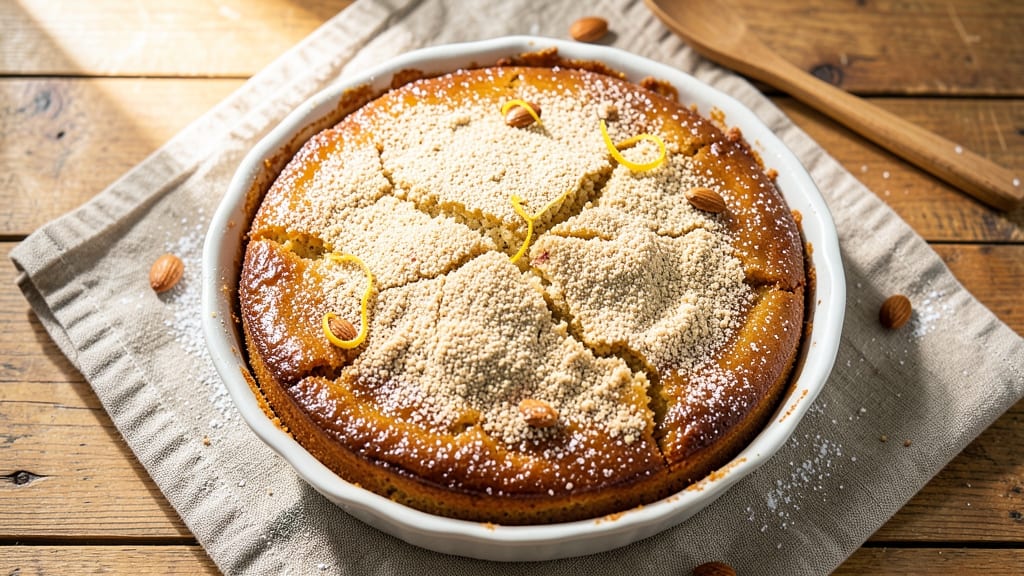
Ann Page's Spanish bar cake recipe delivers the ultimate dessert experience—rich chocolate layers, velvety vanilla filling, and a crispy almond crust that tastes like a slice of Spanish tradition. This iconic cake requires patience but rewards with a dessert that's crispy, creamy, and impossible to resist. The secret lies in precise layering and baking techniques that create texture contrasts at every bite.
What makes this recipe special is its balance of simplicity and sophistication. The almond crust provides a sturdy base, while the alternating layers of chocolate and vanilla custard create a harmonious blend of flavors.
Each layer is baked separately and stacked with buttercream, ensuring perfect texture and presentation. The result? A cake that's both elegant and approachable, perfect for special occasions or satisfying cravings.
By following Ann Page's method, you'll achieve a cake with a crispy almond crust, a tender vanilla custard layer, and a rich chocolate layer that melts in your mouth. The final touch—a dusting of powdered sugar and fresh fruit—adds a touch of sophistication.
This recipe is designed to impress, whether you're serving it at a gathering or treating yourself to a moment of indulgence.
Ready in about 2 hours (including cooling time), this Spanish bar cake is worth every minute. The process may seem detailed, but breaking it into manageable steps makes it achievable for any home baker. Let's create a dessert that's as beautiful as it is delicious.
Ingredients for ann page spanish bar cake
Twelve ingredients transform into Spain's most legendary dessert—crispy almond crust, velvety custards, and layers of pure indulgence.
| Ingredient | Amount | Notes |
|---|---|---|
| All-Purpose Flour 🌾 | 2 ½ cups | Sifted for light texture |
| Unsalted Butter 🧈 | 1 ½ cups | Cold, cubed for crust |
| Almond Meal 🥜 | 1 ½ cups | Finely ground preferred |
| Granulated Sugar 🍚 | 1 cup | Superfine for smoothness |
| Large Eggs 🥚 | 6 whole | Room temperature preferred |
| Vanilla Extract 🍯 | 2 tbsp | Pure Madagascar preferred |
| Milk 🥛 | 1 ½ cups | Whole milk for richness |
| Dark Chocolate Chips 🍫 | 12 oz | 70% cacao minimum |
| Powdered Sugar 🍚 | 2 cups | For dusting and buttercream |
| Heavy Whipping Cream 🥛 | 1 ½ cups | Cold for buttercream |
| Salt 🧂 | ½ tsp | Fine sea salt preferred |
| Baking Powder 🌾 | 1 tsp | For crust lift |
| Orange Zest 🍊 | 1 tbsp | Freshly grated |
| Almond Slices 🥜 | ½ cup | For garnish |
| Fresh Berries 🍓 | 2 cups | Raspberries or strawberries |
The almond meal is non-negotiable here—blend your own from whole almonds for that authentic crunch, or grab the finest ground almonds from Whole Foods or specialty baking sections. European-style butter (like Plugrá) gives deeper flavor, but any good unsalted will work. For the chocolate, Valrhona or Guittard chips melt beautifully without bitterness. The vanilla extract? Madagascar Bourbon is the gold standard, but imitation works in a pinch. Pro tip: zest your oranges right before using—freshness matters for that bright pop of citrus.
No almond meal? Finely ground blanched almonds will do, but pulse them in a food processor for consistency. Running short on vanilla? Vanilla bean paste at half the amount adds those little specks of magic. The chocolate chips can be swapped for chopped dark chocolate bar (just melt it first). For a lighter crust, reduce butter by 1 tbsp, but don't skip it entirely—this base needs fat for that signature crisp. The berries are purely decorative, so use whatever's in season or omit entirely if you prefer.
Store the crust components in an airtight container for 3 days—they actually improve as flavors meld. The custard layers keep 2 days in the fridge, but the buttercream must be made fresh. Freeze the assembled cake (unfrosted) for up to 1 month—thaw overnight before adding the final powdered sugar dusting. For serving, slice with a hot knife for clean cuts. This cake tastes even better the next day—worth every minute of wait.
Why You'll Love This Recipe
- No-Fuss Layers: Mixing the batter is just folding—no electric mixer required. I swear, the almond meal gives it that perfect crumbly-yet-tender texture with zero fuss, and the butter keeps it rich without being greasy.
- Butter-Sugar Magic: That caramelized sugar crust? It’s the star. The moment it hits your tongue—warm, nutty, with a whisper of toasted almond—you’ll understand why people lose their minds over this. Honestly, it’s the kind of dessert that makes you question why you ever bought boxed cake.
- Party or Picnic: Slice it for a crowd or pack it whole for a road trip. The bars hold up like champs, and the almond flavor actually improves the longer they sit. (Yes, even on a Tuesday night.)
- Budget-Friendly Luxury: Almond meal might sound fancy, but it’s cheaper than store-bought bars and lasts forever. Plus, you’re using pantry staples—flour, sugar, butter—so it’s a win for your wallet and your taste buds.
Step-by-step instructions for Ann Page's Spanish bar cake
Here's how to create this legendary layered masterpiece with crisp crusts and velvety fillings.
Prepare the Vanilla and Chocolate Cake Layers
Preheat your oven to 350°F and grease two 9-inch round cake pans generously with butter, then line the bottoms with parchment paper. In a large mixing bowl, combine the 2.5 cups all-purpose flour, 1 cup granulated sugar, 1 tsp baking powder, and 0.5 tsp salt. Sift this mixture together to ensure a light, airy texture.
In a separate bowl, beat the 1.5 cups cold cubed butter and the 6 whole large eggs together until light and fluffy—this should take about 3-4 minutes using an electric mixer. Gradually add the dry ingredients to the butter-egg mixture, alternating with the 1.5 cups milk in three additions. Mix just until combined, being careful not to overmix. The batter should be smooth and slightly thick.
Divide the batter evenly between the two prepared pans. For the chocolate layer, fold in 12 oz dark chocolate chips until evenly distributed. Bake both layers simultaneously for 25-30 minutes, or until a toothpick inserted into the center comes out clean. Allow the cakes to cool in their pans for 10 minutes before transferring to a wire rack to cool completely.
Create the Orange-Almond Filling
In a medium bowl, whisk together 2 cups powdered sugar, 1 tbsp orange zest, and 2 tbsp vanilla extract until fully combined. In a separate bowl, beat the 1.5 cups cold heavy whipping cream to stiff peaks using an electric mixer. Gently fold the powdered sugar mixture into the whipped cream until smooth and fully incorporated. This filling should be thick but still spreadable.
For the almond layer, combine 1.5 cups almond meal, 1 cup granulated sugar, and 1 tbsp orange zest in a food processor. Pulse until finely ground but not completely smooth. Spread half of this mixture evenly over one of the cooled cake layers, then add half of the orange-almond filling. Repeat with the remaining almond mixture and filling, creating three distinct layers.
Assemble and Chill the Cake
Place the first cake layer on a serving plate, then spread half of the orange-almond filling evenly over its surface. Repeat with the second cake layer, then top with the remaining filling. Press gently to ensure the layers adhere. Wrap the assembled cake tightly in plastic wrap and refrigerate for at least 4 hours, or preferably overnight. This chilling time is crucial for the flavors to meld and the cake to set properly.
Before serving, dust the top of the cake generously with powdered sugar and arrange the 0.5 cup almond slices and 2 cups fresh berries decoratively around the edges. The contrast of the vibrant berries against the golden almond slices creates a stunning visual presentation that matches the cake's rich flavors.
Serve with Confidence
Slice the cake into even portions using a sharp serrated knife, wiping the blade between each cut to ensure clean slices. The Spanish Bar Cake should reveal layers of moist cake, creamy filling, and crunchy almond topping with each bite. Serve immediately to enjoy the perfect balance of textures and flavors—crisp crust, velvety filling, and the bright citrus notes that make this dessert truly special.
This cake keeps well in the refrigerator for up to 3 days, though I promise it won't last that long in your home. The combination of vanilla and chocolate layers with the orange-almond filling creates a symphony of flavors that's simply irresistible. Enjoy every decadent bite!
Pro Tips For Making Ann Page Spanish Bar Cake
- Toast Your Almond Meal: Spread it in a thin layer on a baking sheet and toast at 350°F for 5-7 minutes before mixing into the batter. This deepens the nutty flavor and prevents that chalky aftertaste—trust me, it’s the difference between "meh" and "wow." (Yes, even if you’re impatient like me, don’t skip this.)
- Cream Butter Cold: Use butter straight from the fridge—no need to soften it first. The cold butter creates more air when you beat it with sugar, and that’s what gives the cake its signature lightness. I learned this the hard way after making a dense brick the first time.
- Don’t Overmix the Batter: Stop mixing as soon as the dry ingredients are just combined. Overworking the batter makes the cake tough and chewy, not the tender, crumbly texture you’re after. Think "quick stir, then fold"—like you’re being gentle with a new puppy.
- Chill Before Slicing: Let the cake cool completely in the pan, then refrigerate for at least 30 minutes before cutting. Warm cake crumbles like a mess, but chilled slices hold their shape and taste even better the next day. (Pro move: wrap leftovers tightly—they’ll stay fresh for days.)
Regional styles of this ann page spanish bar cake
Classic Andalusian Style
In Andalusia, the birthplace of this cake, the almond crust is often made with finely ground marcona almonds—Spain's prized variety—giving it a delicate, almost floral note.
The custard layers here traditionally include a touch of orange blossom water (about ½ tsp) instead of vanilla, adding a floral aroma that's quintessential to Andalusian desserts.
I've found that adding 1 tbsp of ground cinnamon to the almond mixture enhances the warm, spiced character that's common in southern Spanish baking. 🍊
Catalan Twist
Catalonia puts its own spin by incorporating saffron-infused milk into the custard layers—just a pinch of saffron threads steeped in ½ cup warm milk replaces the same amount of regular milk. The result is a golden-hued custard with a subtle, luxurious aroma.
For the chocolate layer, Catalans often use 70% dark chocolate blended with 1 tsp of espresso powder to deepen the flavor profile. This variation keeps the same layered structure but adds a sophisticated, almost coffee-toned complexity. ☕
Galician Version
Galicia's coastal influence shines through in their version, where sea salt caramel replaces the traditional buttercream. Start by making caramel with ½ cup sugar and ¼ cup heavy cream, then whisk in 1 tbsp of flaky sea salt while hot.
Spread this between layers instead of the orange-almond filling. Galician bakers also often top the cake with thinly sliced figs instead of berries, adding a jammy sweetness that pairs beautifully with the salty caramel. 🍯
Modern Fusion Adaptation
For a contemporary take, I've experimented with swapping the vanilla layer for matcha-infused custard. Replace 1 tbsp of the milk with 1 tsp of high-quality matcha powder (like Ippodo Tea) and reduce the powdered sugar slightly to 1.75 cups to balance the earthy notes.
The contrast between the matcha's bitterness and the chocolate's richness creates a stunning visual and flavor dynamic. Top with white chocolate shavings and edible gold leaf for a luxurious presentation that still honors the cake's Spanish roots. ✨
Balearic Island Variation
The Balearic Islands add a citrus-forward twist by incorporating lemon curd into the filling. Prepare a simple curd using 3 egg yolks, ½ cup sugar, ½ cup lemon juice, and ¼ cup butter, then fold it into the whipped cream mixture.
The bright acidity cuts through the richness of the chocolate and almond, making each bite feel refreshingly balanced. For garnish, Balearic bakers often use dried apricots instead of berries, adding a chewy texture that complements the cake's crisp layers. 🍋
Canarian Adaptation
On the Canary Islands, the cake often features gofio—a traditional toasted cornmeal—in the almond crust. Mix ¼ cup gofio into the almond meal before baking for a nutty, slightly toasty flavor that's uniquely Canarian.
The islands also frequently top their version with sweet potato purée (about ½ cup) spread between layers, adding a moist, earthy element that pairs wonderfully with the chocolate. This adaptation keeps the cake's signature texture while introducing bold, island-inspired flavors. 🌋
Nutrition facts
Frequently asked questions
Why does the Spanish bar cake need to chill for so long?
The 4-hour (or overnight) chilling is essential to let the flavors meld and the layers set properly. The almond crust needs time to crisp up fully, while the custard filling firms up to create that perfect creamy texture. This waiting period is what transforms a good cake into an exceptional one!
Can I make this cake without almond meal?
Yes, but the texture will change. Use finely ground blanched almonds instead, or substitute with 1 cup crushed graham crackers for a more neutral flavor. The crust will be less crispy but still hold the layers together. For a nut-free version, try crushed digestive biscuits mixed with 1 tbsp cornstarch to mimic the texture.
How do I prevent the cake layers from sliding when stacking?
First, ensure each layer is completely cool before assembling. Spread a thin layer of lemon curd or apricot jam between layers for extra adhesion. Chill the assembled cake in the fridge for at least 2 hours before serving. For extra stability, wrap the cake tightly in plastic wrap while chilling. This prevents any shifting during transport or slicing.
Is there a quicker way to make the orange-almond filling?
For a time-saving version, use store-bought whipped cream (like Reddi-wip) and fold in 2 cups powdered sugar with 1 tbsp orange zest. Skip the almond crust layer if needed, but don't skip the orange flavor—it's the soul of this cake! The filling will be slightly less stable but still delicious. This shortcut cuts prep time by 15 minutes.
Can I use this recipe for a gluten-free version?
Yes! Replace the all-purpose flour with a 1:1 gluten-free baking flour blend (like Bob's Red Mill). For the almond crust, ensure your almond meal is certified gluten-free. The texture will be slightly denser, but the flavor remains authentic. Test with a small batch first to adjust baking times—gluten-free cakes often need 5-10 minutes longer in the oven.