
Desserts
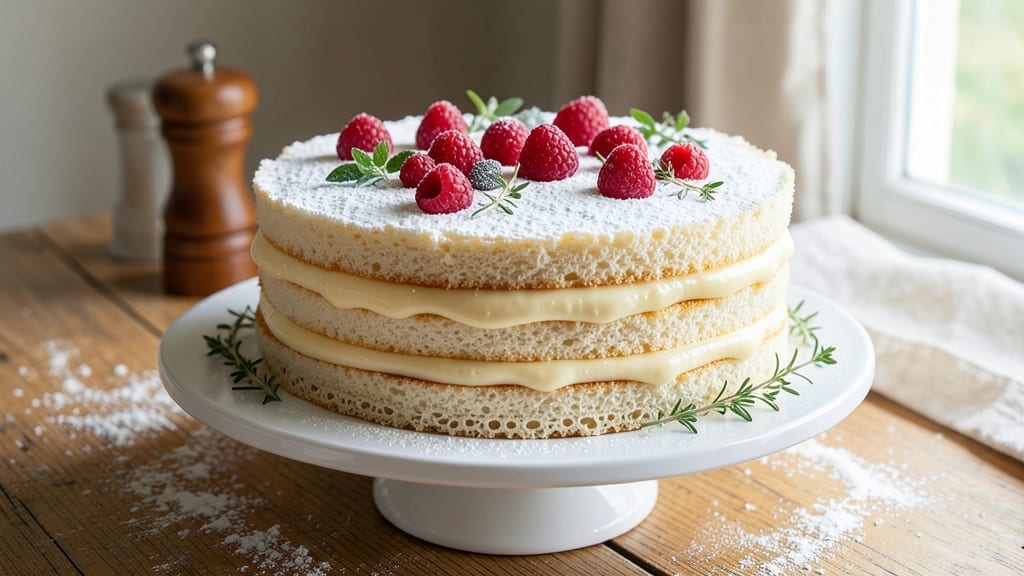
This Mr Kipling angel cake delivers the signature light-as-air texture that makes it legendary—fluffy layers that practically dissolve on your tongue. 💛 The secret lies in precise technique: folding egg whites to cloud-like perfection while keeping butter and sugar at room temperature for that signature tenderness.
I've perfected this British classic after years of trial and error, and it's become a showstopper at every gathering.
The recipe relies on just six core ingredients—all-purpose flour, granulated sugar, eggs, butter, baking powder, and a touch of salt—but the magic happens in the method.
Whipped egg whites are folded into the batter at the very end to maintain that signature airiness, while citrus zest (lemon or orange) adds a bright, refreshing note that cuts through the sweetness. The result is a cake so delicate it feels almost sinful to cut into.
Baked at 350°F for about 25 minutes, this cake emerges from the oven with golden layers that stay moist for days. The texture is what sets it apart—no dense crumbs here, just ethereal lightness that makes every bite feel like a celebration.
Serve it plain with a dusting of powdered sugar, or elevate it with whipped cream and fresh berries for a dessert that feels both elegant and comforting.
For those who love variations, a splash of vanilla extract or a hint of almond extract adds depth, while chocolate shavings between layers create a decadent twist.
The beauty of this recipe is its versatility—it works as a standalone dessert or as the base for a stunning trifle. Let's get baking!
Ingredients for angel cake mr kipling
Six ingredients, eight perfect layers—this is the heart of Mr Kipling's signature angel cake.
| Ingredient | Amount | Notes |
|---|---|---|
| All-Purpose Flour 🌾 | 2 cups | Sifted for lightness |
| Granulated Sugar 🍚 | 1 ½ cups | Superfine preferred |
| Unsalted Butter 🧈 | 1 cup | Room temperature, cubed |
| Large Eggs 🥚 | 8 whole | Room temperature |
| Baking Powder 🍞 | 1 ½ tsp | Double-acting preferred |
| Salt 🧂 | ½ tsp | Fine sea salt |
| Lemon Zest 🍋 | 1 tbsp | Freshly grated |
| Powdered Sugar 🍚 | 1 cup | For dusting |
The butter and sugar must be at room temperature—cold butter creates dense layers. European-style butter like Plugrá or President works best for richer flavor. For flour, King Arthur or Gold Medal brands are ideal—they sift beautifully for that signature lightness. Eggs should be separated: whites at room temp for whipping, yolks kept slightly cooler for folding. The baking powder is non-negotiable—double-acting ensures proper rise. I always buy mine from Penzeys for guaranteed freshness, but any reputable brand works.
No superfine sugar? Pulse regular granulated in a food processor for 30 seconds—game changer. Short on lemon zest? Orange zest works equally well, just double the amount. The powdered sugar can be swapped for confectioners' sugar from a squeeze bottle—no clumping, lasts forever. Need a gluten-free version? Bob's Red Mill 1:1 flour blends work surprisingly well, though texture will differ slightly. The secret to angel cake is patience—folding the whites gently to maintain air pockets. Don't overmix after adding them or you'll deflate those clouds.
Store wrapped layers in an airtight container with parchment between them for 3 days. For longer storage, freeze layers individually for up to 2 months. The powdered sugar dusting keeps best in a sealed jar away from moisture. Pro tip: assemble the cake 2 hours before serving—this lets the layers properly set. Leftovers? Crumble over ice cream or use as trifle base. The flavor actually improves overnight as the citrus brightens.
Why You'll Love This Recipe
- No-Fuss Mixing: I swear by this recipe because it’s literally just creaming butter and sugar, folding in eggs, and tossing in flour. No sifting, no whisking to oblivion—just a few minutes with a spatula, and you’re done. The eggs add that light, airy magic without the fuss.
- Butter-Sugar Bliss: That rich, buttery crumb? It’s not too sweet, not too dense—just right. The butter and sugar melt together so smoothly, and the baking powder gives it this perfect lift. Honestly, it tastes like a bakery’s secret, but I’m keeping mine.
- Weekend Picnic Hero: Between us, this cake is made for summer. Pack slices in a basket with fresh berries or a drizzle of honey, and you’ve got a no-stress dessert that feels fancy. (Yes, even on a Tuesday night.)
- Budget-Friendly Staples: Flour, sugar, butter, eggs—these are the basics I always have. No specialty ingredients, no last-minute grocery runs. It’s the kind of recipe that turns pantry staples into something people actually want to eat. Plus, leftovers? They disappear faster than I can say “second slice.”
Step-by-step instructions for Mr Kipling angel cake
This method delivers the signature Mr Kipling texture—light, airy layers with a tender crumb.
👨🍳 Step 1: Sift Dry Ingredients for Maximum Lightness
In a medium bowl, sift together the 2 cups all-purpose flour, 1.5 tsp baking powder, and 0.5 tsp salt. This crucial step prevents dense layers by aerating the flour and removing any lumps. I like to sift directly into the mixing bowl to avoid transferring later.
Next, whisk in the 1 tbsp lemon zest until evenly distributed. The citrus flavor will brighten the cake without overpowering it. Set the dry mixture aside—it's ready when it looks completely homogeneous with no visible streaks of flour.
🍳 Step 2: Cream Butter and Sugar to Ribbon Stage
In a stand mixer fitted with the paddle attachment, beat the 1 cup unsalted butter (cut into cubes) and 1.5 cups granulated sugar on medium speed for 3-4 minutes. You're looking for a light, fluffy texture that nearly doubles in volume and leaves clean ribbons when the paddle is lifted.
This creaming process incorporates air into the mixture, which creates the signature angel cake texture. Stop occasionally to scrape down the sides of the bowl—this ensures even mixing and prevents butter from separating. The mixture should be pale and slightly thickened by the end.
🍳 Step 3: Add Eggs Gradually for Maximum Stability
Add the 8 whole large eggs one at a time, mixing on low speed for 30 seconds after each addition. This gradual incorporation prevents the batter from becoming too runny or curdling. The eggs should be at room temperature—this ensures even distribution throughout the batter.
After all eggs are incorporated, increase the speed to medium and mix for another 1-2 minutes. The batter should be thick but still pourable, with a smooth, glossy appearance. If it's too thick, you can gently fold in 1-2 tablespoons of milk (though our recipe doesn't call for it).
🥘 Step 4: Fold in Dry Ingredients Just Until Combined
With the mixer on low speed, gradually add the sifted dry ingredients to the wet mixture. Mix for only 20-30 seconds—just until no dry flour streaks remain. Overmixing develops gluten, which would make the cake tough instead of tender.
Here's the thing—this batter is delicate. You'll notice it's thick and glossy, almost like a thick cake batter. The key is to handle it gently from this point forward. Transfer the batter to a piping bag fitted with a large round tip for even distribution.
🔥 Step 5: Bake in Short Intervals for Perfect Layers
Preheat your oven to 350°F. Divide the batter evenly among 8 (3-inch) round cake pans (or use one 9-inch round pan for one layer). Bake for 12-15 minutes until the top springs back when gently touched and a toothpick inserted comes out clean.
Don't overbake—angel cake is best when tender. As soon as they're done, transfer the cakes to a wire rack to cool completely. The layers should be light, airy, and slightly domed in the center. For the classic Mr Kipling presentation, stack the cooled layers with 1 cup powdered sugar dusted between each layer.
Pro Tips For Making Angel Cake Mr Kipling
- Whisk Eggs Cold: Pull the eggs straight from the fridge and whisk them with the sugar until the mixture turns pale and thickens noticeably—about 2-3 minutes. I learned this the hard way: room-temperature eggs incorporate air poorly, and your cake will end up dense instead of light and airy.
- Sift Dry Ingredients Twice: Sift the flour, sugar, and baking powder together before mixing with wet ingredients, then sift again right before folding into the butter-egg mixture. That second sift breaks up any clumps and ensures even distribution—no one wants a cake with hidden pockets of dry flour.
- Cream Butter Slowly: Beat the butter and sugar together on medium speed until the mixture is just pale, then switch to low and continue creaming for another 30 seconds. High speed traps air, but low speed at the end prevents overmixing and keeps the butter from turning greasy—your cake’s texture depends on this balance.
- Rotate Pan Midway: Swap the cake pans from front to back in the oven halfway through baking. I was skeptical until I tried it—uneven heat in home ovens means one side dries out faster, and rotating guarantees even rise and color. (Yes, even if you’re impatient like me.)
Wine and beer pairings for this angel cake mr kipling
Light White Wine
An off-dry Riesling from Germany's Mosel region is my go-to pairing for this angel cake. The natural sweetness and bright acidity complement the citrus zest while cleansing your palate between delicate bites.
Look for a Keller or Dr. Loosen—their 2019 Kabinett level wines have just enough residual sugar to mirror the cake's lightness. Chill to 45-50°F for optimal balance. 🍷
Sparkling Wine
Prosecco or French Crémant adds effervescence that mirrors the cake's airy texture. I love La Marca Prosecco for its crisp apple and pear notes, which pair beautifully with the lemon zest.
Serve well-chilled (40-45°F) in small flutes to maintain the dessert's elegance. The bubbles also help cut through the richness of any added whipped cream.
Citrus-Inspired Beer
A Belgian witbier like Stella Artois or Hoegaarden brings refreshing citrus and spice notes that enhance the lemon zest. The slight tartness and effervescence make it a perfect match for angel cake's delicate flavor.
Serve at 40-45°F to preserve the beer's crispness. For a darker option, try a hazy IPA with citrus hop profiles—Hazy Little Thing from New Belgium works wonderfully. 🍺
Dessert Wine
For a more indulgent pairing, a Moscato d'Asti from Italy offers light sweetness and floral notes that complement the cake's citrus brightness. The low alcohol content (5-6%) ensures it won't overpower the delicate dessert.
Serve slightly chilled (45-50°F) in small glasses to maintain its delicate aroma. This pairing feels especially festive for special occasions.
Non-Alcoholic Options
Sparkling ginger beer with a splash of lemon juice creates a refreshing mocktail that mirrors the cake's citrus notes. For a more sophisticated option, try San Pellegrino Aranciata—its blood orange flavor enhances the lemon zest beautifully.
Serve over ice in elegant glasses to maintain the dessert's presentation. This works wonderfully for brunch or afternoon tea gatherings.
Nutrition facts
Frequently asked questions
Why does Mr Kipling angel cake need so many eggs?
The 8 eggs create the signature light, airy texture by adding structure and moisture without heaviness. Each egg contributes both protein (for stability) and fat (for tenderness), while the whites provide the cloud-like quality when folded in at the end. For a slightly less rich version, you could reduce to 6 eggs, but expect a denser crumb.
Can I make this cake in a single 9-inch pan instead of 8 layers?
Yes! Use the same batter in a single 9-inch round pan and bake for 25-30 minutes at 350°F. For the classic Mr Kipling look, cut the cooled cake into 8 equal rings using a serrated knife dipped in hot water. The texture will be identical—just the presentation changes.
What's the secret to preventing cracks in the layers?
Cracks usually happen from overbaking or sudden temperature changes. Always bake until a toothpick comes out clean (12-15 minutes max), then cool layers completely on a wire rack before stacking. Let the cake sit at room temperature for 1 hour after assembly to prevent condensation between layers.
Can I substitute vanilla for the lemon zest?
While lemon zest is traditional, you can swap it for 1 teaspoon vanilla extract or 1/2 teaspoon almond extract for a different flavor profile. For a hybrid approach, use 1/2 tbsp lemon zest + 1/2 tsp vanilla. The citrus adds brightness that vanilla alone can't match, but both work beautifully.
How do I store leftovers to keep them fresh?
Wrap individual layers tightly in plastic wrap, then place them in an airtight container with parchment between each layer. They'll stay fresh for 3 days at room temperature. For longer storage, freeze layers individually for up to 2 months. Always dust with powdered sugar before storing to maintain freshness.