
Desserts
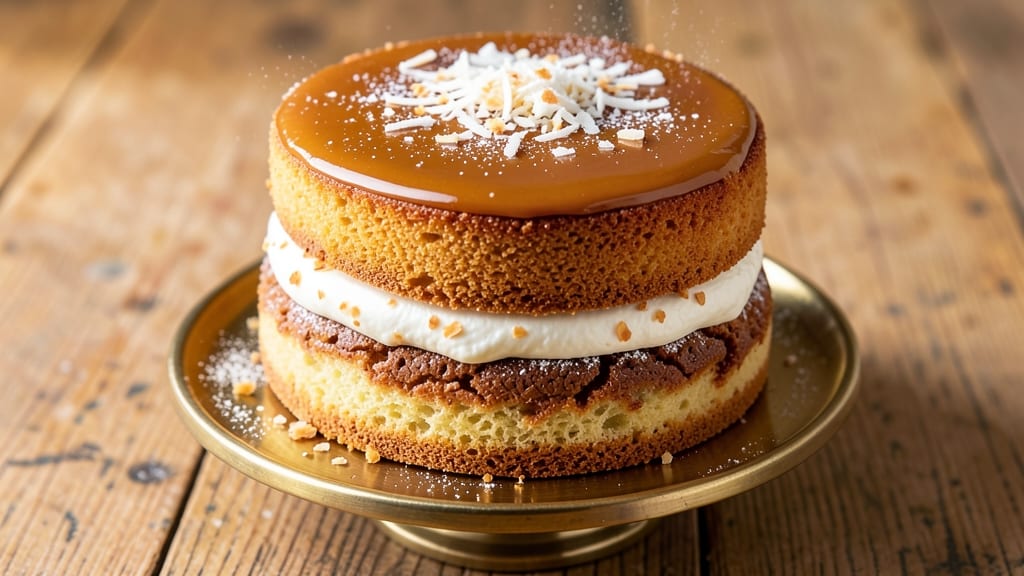
This Ancel coconut cake delivers the perfect balance of moist layers and buttery richness that makes every slice irresistible. 🌴 The secret lies in a simple yet effective technique—folding shredded coconut into the batter at just the right moment to create pockets of tropical flavor without compromising texture.
I’ve baked this version countless times, and it never fails to impress, whether served at celebrations or as a comforting dessert.
The recipe begins with a basic vanilla cake batter, but the magic happens when you fold in the toasted coconut and a touch of coconut milk. This ensures each layer stays tender and moist, while the coconut flavor shines through without overpowering.
The cake bakes to a golden finish with a subtle crunch on the edges, making it as visually appealing as it is delicious.
What sets this Ancel coconut cake apart is its foolproof method for achieving consistent results every time. No special equipment is needed—just a standard mixing bowl and oven. The layers are light yet rich, with just enough sweetness to complement the coconut’s natural flavor.
Once baked, it’s ready to be sliced and served, or you can take it a step further with a simple coconut cream glaze for extra decadence.
Perfect for tropical-themed gatherings or as a special treat, this cake is sure to become a favorite. The instructions are straightforward, ensuring even beginner bakers can achieve professional-quality results. Let’s get started on creating layers of buttery moisture and coconut goodness!
Ingredients for ancel coconut cake
Gather these simple ingredients for layers of tropical coconut flavor and buttery moisture.
| Ingredient | Amount | Notes |
|---|---|---|
| All-Purpose Flour 🌾 | 2 ½ cups | Sifted for light texture |
| Granulated Sugar 🍚 | 2 cups | White or light brown |
| Unsalted Butter 🧈 | 1 ½ cups | Room temperature, full-fat |
| Large Eggs 🥚 | 4 whole | Room temperature preferred |
| Vanilla Extract 🌿 | 2 tsp | Pure, high-quality extract |
| Baking Powder 🧂 | 2 tsp | Diamond Crystal preferred |
| Salt 🧂 | ½ tsp | Fine sea salt |
| Unsweetened Shredded Coconut 🥥 | 2 cups | Sweetened works too |
| Coconut Milk 🥛 | ½ cup | Full-fat canned variety |
| Whole Milk 🥛 | ½ cup | Room temperature |
| Vegetable Oil 🫒 | ½ cup | Light or neutral flavor |
| Powdered Sugar 🍚 | 1 ½ cups | For glaze, optional |
| Lemon Juice 🍋 | 2 tbsp | Freshly squeezed |
The shredded coconut is the star here—unsweetened gives you the most authentic flavor, but if that's not available, sweetened works in a pinch. Toast it first in a dry pan for about 5 minutes until golden and fragrant (that smell alone is worth it). Trader Joe's carries a great unsweetened version in bulk, but any store's baking aisle should have it. The coconut milk adds richness without overpowering the cake's delicate texture—full-fat canned is best, but light works if that's all you've got. For the butter, I always use Land O'Lakes or Plugrá for that reliable melt-in-your-mouth quality.
No vanilla extract? Vanilla bean paste works even better—just use half the amount. Running low on baking powder? Baking soda plus cream of tartar at a 3:1 ratio is a solid swap. The powdered sugar glaze is optional, but if you skip it, just brush the layers with a little extra coconut milk mixed with vanilla for moisture. For extra tropical flair, fold in toasted macadamia nuts with the coconut. The eggs should be room temperature—this ensures they blend smoothly into the batter without creating air pockets. If you've got egg whites separated, save them for another use—the yolks add richness here.
Store the cake in an airtight container at room temperature for up to 3 days, or refrigerate for 1 week if you're making it ahead. The glaze hardens when chilled, so bring it to room temperature before serving. The coconut flavor actually improves overnight as the cake absorbs the coconut milk. For extra decadence, make a double batch of the glaze and drizzle it over the top before serving. This cake freezes beautifully too—wrap each layer individually in plastic and freeze for up to 3 months. Just thaw at room temperature before assembling.
Why You'll Love This Recipe
- No Mixer Needed: I swear by this recipe when my stand mixer’s on vacation—just creaming butter and sugar by hand gives that perfect fluffy texture. The eggs and vanilla blend right in without fuss, and honestly? The cake rises so reliably I’ve never had a flat one.
- Tropical Comfort: That buttery-sweet base with vanilla’s warmth? It’s like a hug. The coconut (even if it’s just a hint in the frosting) turns it into something special—bright enough for dessert but rich enough to feel indulgent without guilt.
- Party in a Box: Between us, this is my secret for birthdays and potlucks. The layers stay moist for days, so I can bake it ahead and frost it fresh. Plus, the sugar-butter ratio means it’s sturdy enough for slicing—no crumbly mess when you’re serving a crowd.
- Budget Baking: Five ingredients, zero specialty items. The butter and sugar do all the heavy lifting, and eggs stretch further than you’d think. I’ve made this for under $10 and still had enough for leftovers—because, let’s be real, it disappears fast.
Step-by-step instructions for tropical layers with buttery moisture
Let's build this dreamy coconut cake layer by layer—moist, buttery, and packed with tropical flavor.
👨🍳 Step 1: Mix the Cake Batter to Perfection
Preheat your oven to 350°F and grease three 8-inch round pans with vegetable oil, then line the bottoms with parchment paper. In a large mixing bowl, combine the 2.5 cups all-purpose flour, 2 cups granulated sugar, 2 tsp baking powder, and 0.5 tsp salt. Whisk until evenly distributed—this ensures no pockets of dry flour remain.
In a separate bowl, beat the 1.5 cups unsalted butter (room temperature) until light and fluffy, about 3-4 minutes. Add the 4 whole eggs one at a time, mixing well after each addition. Stir in the 2 tsp vanilla extract and the 0.5 cup whole milk until smooth. Gradually add the dry ingredients to the wet, mixing on low speed just until combined—don't overmix or your cake will be tough.
Fold in the 2 cups unsweetened shredded coconut and 0.5 cup coconut milk by hand with a spatula. The coconut should be evenly distributed but still visible—this gives the cake its signature texture. Divide the batter evenly among the prepared pans, smoothing the tops with a spatula.
🔥 Step 2: Bake Until Golden and Springy
Bake the cakes for 25-30 minutes or until a toothpick inserted into the center comes out clean and the edges are light golden brown. Rotate the pans halfway through baking for even browning. I tap the sides of the pans gently—when the cake springs back slightly, it's ready.
Let the cakes cool in the pans for 10 minutes before transferring to a wire rack to cool completely. This gradual cooling prevents cracking. While they cool, make the lemon glaze by whisking together the 1.5 cups powdered sugar and 2 tbsp lemon juice until smooth. If needed, add 1-2 tsp coconut milk to reach a drizzling consistency.
🥘 Step 3: Assemble the Layers Like a Pro
Once completely cool, level the tops of the cakes if needed using a serrated knife. Place the first cake layer on a serving plate and spread a thin layer of the lemon glaze on top. This keeps the layers from getting soggy. Add the second cake layer, then repeat with another layer of glaze. Top with the final cake layer.
Pour the remaining glaze over the top and let it drip down the sides for that classic Ancel look. Sprinkle the top with extra shredded coconut for texture and presentation. Chill the cake in the refrigerator for at least 1 hour before serving—this allows the glaze to set and the flavors to meld beautifully.
Pro Tips For Making Ancel Coconut Cake
- Cream Butter Properly: Beat the unsalted butter and sugar until it’s light and fluffy—not just pale, but airy enough to leave ribbons when you lift the beater. I used to stop at "light," but this cake needs that extra lift to stay tender, especially with coconut’s natural density.
- Sift That Flour: Skip the scooping and sifting—this cake’s structure relies on it. Flour settles over time, and unsifted flour can make the batter gummy or lead to a cake that collapses in the middle. (Yes, even if you’re tempted to "just mix it in.")
- Room-Temp Eggs Matter: Cold eggs? They’ll curdle your batter faster than you can say "coconut flavor." Let them sit in warm water for 10 minutes first—just enough to bring them to body temperature. Trust me, your cake’s texture will thank you.
- Don’t Overmix the Batter: Stop mixing as soon as the flour disappears—overworking it introduces gluten, and this cake turns tough instead of moist. Fold in the dry ingredients just until combined, like you’re being gentle with a nervous cat. (Your future slice will be softer.)
Perfect pairings for this ancel coconut cake
Tropical Fruit Sides
Fresh pineapple chunks and mango slices make perfect companions—their natural sweetness and acidity complement the cake’s coconut flavor beautifully. I like to arrange them in a circular pattern around the cake for a vibrant presentation.
For extra flair, toss the fruit with 1 tbsp lime juice and 1 tsp chili powder to enhance their tropical brightness. 🌴
Creamy Coconut Whipped Cream
Whip 1 cup heavy cream with 2 tbsp powdered sugar and 1 tsp vanilla extract until soft peaks form. Fold in ¼ cup toasted shredded coconut> for a signature touch.
This light, airy topping balances the cake’s richness while adding coconut harmony. Serve in a squeeze bottle for easy drizzling over slices.
Warm Spiced Rum Sauce
Simmer ½ cup coconut milk, ¼ cup brown sugar, 2 tbsp dark rum, and a pinch of cinnamon until slightly thickened. This warm, aromatic sauce elevates the cake’s tropical vibe—perfect for serving during cooler months or special occasions. 🍹
Espresso or Coffee Pairing
A small cup of strong espresso or dark roast coffee cuts through the cake’s sweetness, creating a delightful contrast. I recommend a medium-dark roast like Blue Bottle or Peet’s Major Dickason’s Blend for their rich, balanced flavors. The bitterness enhances the coconut’s natural sweetness.
Iced Tea or Lemonade
For a refreshing pairing, serve chilled unsweetened coconut milk tea or classic lemonade. The citrus notes in lemonade brighten the coconut flavor, while coconut milk tea adds an extra layer of tropical harmony.
Use 1 cup brewed black tea, ½ cup coconut milk, and 1 tbsp honey> for a soothing, flavorful drink.
Nutrition facts
Frequently asked questions
Can I substitute sweetened coconut for unsweetened in this recipe?
Yes, you can use sweetened coconut—but adjust the sugar in the batter. Since sweetened coconut already contains sugar, reduce the granulated sugar by ¼ cup to balance the sweetness. Toast the coconut first to enhance its flavor, even if it's sweetened.
Why does my coconut cake turn out dense instead of moist?
Overmixing the batter or using cold butter are common culprits. Always cream the butter and eggs until light and fluffy (3-4 minutes), and fold in the coconut gently by hand. Also, ensure your baking powder is fresh—old baking powder loses its lift.
Can I make this cake in a single layer instead of three?
Use a 9-inch round pan and reduce baking time to 20-25 minutes. For a taller cake, bake in a 6-inch pan for 40-45 minutes. Just monitor closely to avoid overbaking, which can dry out the center.
How do I store leftover coconut cake?
Keep it fresh in an airtight container at room temperature for 3 days, or refrigerate for 1 week. For longer storage, freeze individual layers wrapped in plastic for up to 3 months. Thaw overnight in the fridge before reassembling.
What’s the best way to decorate this cake for a special occasion?
Try a toasted coconut crumb topping or fresh tropical flowers like orchids. For elegance, drizzle the glaze in zigzags with a piping bag, then sprinkle with edible gold leaf. A simple dusting of powdered sugar also adds a professional finish.