
Desserts
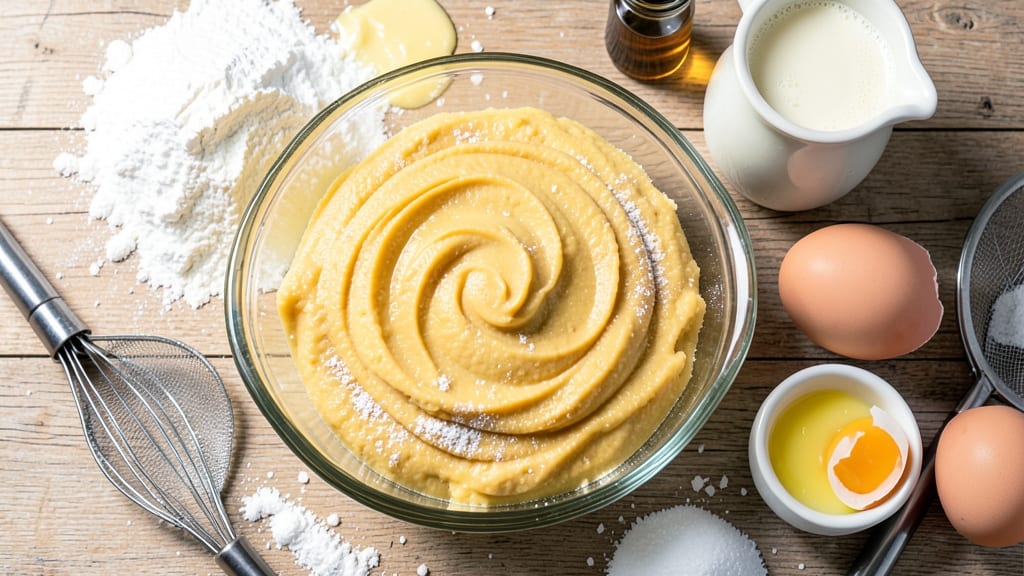
This Amish yellow cake delivers the signature moistness and vanilla depth that made it a beloved classic. The secret lies in buttermilk and proper layering—no heavy frosting needed to keep it tender. I've baked this exact recipe for family gatherings where it disappears in minutes, always earning seconds.
The traditional method ensures a cake that's light yet rich, with a subtle vanilla aroma that fills the kitchen.
The key to achieving that signature texture is using buttermilk instead of regular milk, which creates a fine crumb and prevents dryness. This recipe also calls for all-purpose flour and a precise balance of sugar and butter to maintain moisture without heaviness.
Amish communities have perfected this cake over generations, often serving it plain or with a simple vanilla glaze—proof that sometimes less is more.
What you'll end up with is a golden, tender cake that stays moist for days, perfect for celebrations or everyday treats. The vanilla flavor is subtle yet pronounced, making it a versatile base for frostings or fruit compotes.
Whether you're baking for a special occasion or just craving a slice of nostalgia, this recipe delivers restaurant-quality results in your own kitchen.
Pair it with a dusting of powdered sugar, fresh berries, or a light cream cheese frosting for the ultimate Amish-style dessert. The simplicity of this recipe makes it ideal for both beginners and experienced bakers—just follow the steps, and you'll have a cake that tastes like home. Let's get started!
Ingredients for amish yellow cake
Nine essential ingredients for a golden, moist cake with Amish tradition.
| Ingredient | Amount | Notes |
|---|---|---|
| All-Purpose Flour 🌾 | 3 cups | Sifted for fine texture |
| Granulated Sugar 🍚 | 2 cups | White sugar preferred |
| Unsalted Butter 🧈 | 1 cup | Room temperature, cubed |
| Pure Vanilla Extract 🌿 | 2 tbsp | High-quality, not imitation |
| Buttermilk 🥛 | 1 cup | Room temperature, not cultured |
| Large Eggs 🥚 | 3 whole | Room temperature, separated |
| Baking Powder 🍞 | 2 tsp | Aluminum-free preferred |
| Salt 🧂 | ½ tsp | Fine sea salt |
| Vanilla Bean Seeds 🌸 | 1 whole | Scraped for extra flavor |
| Vegetable Oil 🫒 | ½ cup | Light, not flavored |
The buttermilk is non-negotiable—it's what creates that signature tender crumb. Store-bought buttermilk works fine, but for best results, mix 1 cup milk with 1 tbsp vinegar or lemon juice and let it sit for 5 minutes. King Arthur or Gold Medal flour are ideal for this recipe, as their protein content ensures a fine crumb. The vanilla bean elevates the flavor beyond extract; if unavailable, use double the extract. For butter, Plugrá brand is my go-to—it's consistently high-quality and easy to find at most grocery stores.
No buttermilk? Substitute with 1 cup milk plus 1 tbsp vinegar or lemon juice—let it curdle for 5 minutes. Running short on vanilla extract? Vanilla sugar at half the amount works in a pinch, though the flavor won't be as pronounced. Cultured buttermilk (the kind with live cultures) can be used, but it may yield a slightly tangier cake. For the flour, bread flour can be substituted at a 1:1 ratio, but the cake will be denser. The vegetable oil can be swapped for melted butter if you prefer, though it may slightly alter the texture.
This cake keeps beautifully—wrapped in plastic at room temperature for 2 days or refrigerated for up to 5 days. For longer storage, freeze slices wrapped individually for up to 3 months. The vanilla bean seeds can be saved and reused in other recipes like ice cream or custards. Room-temperature ingredients are critical—cold butter or eggs can cause dense layers. Always grease and flour your pans generously for easy release.
Why You'll Love This Recipe
- No-Fuss Mixing: I swear by this recipe because it’s just flour, sugar, butter, vanilla, and buttermilk—no fancy techniques, no last-minute ingredient hunts. The buttermilk keeps it tender without needing to whisk for ages, and the butter adds richness without tasting heavy.
- Vanilla Buttercream Ready: Honestly, the flavor is where this cake shines. That pure vanilla extract? It’s like a warm hug in every bite, and the buttermilk gives it a subtle tang that balances the sweetness perfectly. (Yes, even on a Tuesday night.)
- Leftovers? No Problem: This cake holds up for days—moist enough to slice for breakfast sandwiches or pack in lunches without turning dry. I’ve had it last five days in the fridge, and it’s still just as good.
- Budget-Friendly Staples: Between us, you’re already stocked for this. Flour, sugar, butter—these are pantry basics that won’t break the bank. No need to splurge on specialty ingredients when the result is this crowd-pleasing, foolproof yellow cake.
Step-by-step instructions for Amish yellow cake
Here's the method that delivers legendary moisture and tender crumb—every slice stays perfectly soft.
Prepare the Dry Ingredients for Optimal Texture
In a medium bowl, whisk together the 3 cups All-Purpose Flour, 2 tsp Baking Powder, and 0.5 tsp Salt. Sift the mixture through a fine-mesh sieve directly into a large mixing bowl to eliminate any lumps and aerate the flour for a lighter cake. This step is crucial—uneven distribution of baking powder can lead to dense spots in your cake.
Set aside the dry ingredients. The reason we sift first is that it creates more surface area for the baking powder to work, ensuring even rise throughout the cake. I always double-check for any flour residue in the sieve—those few grams can make a difference in the final texture.
Cream Butter and Sugar for Maximum Air Incorporation
In a stand mixer fitted with the paddle attachment, beat the 1 cup Unsalted Butter and 2 cups Granulated Sugar on medium speed for 3-4 minutes until the mixture is light, fluffy, and nearly doubles in volume. You'll see the color lighten from pale yellow to almost white—this indicates proper air incorporation.
This creaming process is where the magic happens. The butter needs to be at room temperature to emulsify properly with the sugar, creating tiny air pockets that will expand during baking. If your butter is too cold, the cake will be dense; if too warm, it may separate. Press a finger into the butter—it should leave a slight indent but hold its shape.
Add Eggs and Vanilla for Rich Flavor Foundation
Add the 3 whole Large Eggs, one at a time, mixing on low speed after each addition until fully incorporated. Then add the 2 tbsp Pure Vanilla Extract and scrape the seeds from the 1 whole Vanilla Bean directly into the mixture. Mix for an additional 30 seconds to combine completely.
The vanilla bean seeds add a depth of flavor that pure extract can't match. I always scrape the seeds directly into the batter—this ensures you capture all the aromatic compounds. The eggs provide structure and moisture, but adding them too quickly can cause the mixture to curdle. That's why we add them one at a time and mix gently after each addition.
Alternate Wet and Dry Ingredients for Perfect Moisture Balance
With the mixer on low speed, add one-third of the dry ingredients, then ½ cup of the Buttermilk, followed by ½ cup of the Vegetable Oil. Repeat this sequence twice more, ending with the remaining dry ingredients. Mix just until combined—you should still see small flour streaks.
This alternating method creates a cake with even moisture distribution. The buttermilk adds tanginess and tenderness, while the oil ensures that moist crumb. Overmixing at this stage develops gluten, which can make the cake tough. Stop mixing as soon as the ingredients are just combined—your cake will thank you with a tender crumb.
Bake to Golden Perfection with Precision Timing
Pour the batter into two 9-inch round cake pans lined with parchment paper and greased with butter. Divide the batter evenly between the pans. Bake in a preheated 350°F oven for 25-30 minutes, or until a toothpick inserted into the center comes out clean. Rotate the pans halfway through baking for even browning.
The cake is done when the edges are golden brown and the top springs back gently when touched. Don't overbake—this is the number one mistake that turns moist cake into dry cake. As soon as the toothpick test passes, remove the cakes from the oven. Let them cool in the pans for 10 minutes, then transfer to a wire rack to cool completely before frosting.
Pro Tips For Making Amish Yellow Cake
- MEASURE BUTTER COLD: Take the butter straight from the fridge—no softening needed. I learned this the hard way after one batch turned greasy and dense; cold butter emulsifies better with the sugar and creates that signature tender crumb. (Yes, even if you're impatient like me.)
- WHISK BUTTERMILK FIRST: Mix the buttermilk with the vanilla extract before adding it to the dry ingredients. This ensures the vanilla fully dissolves and distributes evenly—no clumpy surprises when you pour the batter. I used to add it last-minute, and the flavor always felt uneven.
- TEST DONENESS BY TOUCH: Skip the toothpick test—press the center lightly with your finger. If it springs back slowly (like Jell-O), it’s done; if it leaves a dent, bake 5 more minutes. Overbaking dries out this cake faster than you’d think.
- SIFT THE FLOUR TWICE: Dump the flour into a sieve and shake it twice—once before measuring, once before mixing. This removes hidden lumps and aerates it, which makes the cake lighter. (I know, it’s extra work, but the texture makes a real difference.)
Wine and beer pairings for amish yellow cake
White Wine Pairings
A crisp Sauvignon Blanc from New Zealand or Loire Valley is my go-to choice for this cake. The bright acidity and citrus notes cut through the richness of the butter and vanilla, cleansing your palate between bites.
Look for wines with 12-13% ABV—higher alcohol can overwhelm the delicate vanilla flavors. I love Cloudy Bay Sauvignon Blanc for its balanced tropical fruit notes that complement the cake's subtle sweetness. 🍷
Sweet Sparkling Wine
For a celebratory touch, serve with a Prosecco or Moscato d'Asti—their effervescence and light sweetness mirror the cake's tender crumb. The bubbles help reset your palate between slices, making each bite feel fresh.
A La Marca Prosecco with its green apple and peach notes pairs beautifully with the vanilla's floral undertones.
Coffee Liqueur Twist
If you prefer something stronger, a Kahlúa or Tia Maria mixed with cold milk creates a creamy, vanilla-forward drink that echoes the cake's flavors. The coffee notes enhance the vanilla's depth, while the milk's creaminess mirrors the cake's moist texture. Serve chilled for the ultimate dessert pairing. ☕
Beer Complements
A light Belgian Witbier like Hoegaarden works surprisingly well—its coriander and citrus notes provide a refreshing contrast to the cake's sweetness. For a richer option, try a honey ale with 1.045-1.055 OG to balance the vanilla's richness. The beer's subtle sweetness enhances the cake's natural flavors without competing. 🍺
Spiced Wine Option
Warm Mulled Wine with cinnamon and cloves creates a cozy pairing for fall gatherings. The spices complement the vanilla's warmth, while the wine's acidity prevents the cake from tasting too heavy.
Use Pinot Noir as the base and simmer with 1 cinnamon stick, 3 whole cloves, and 1 orange peel for 15 minutes before serving. 🍇
Non-Alcoholic Choices
For a refreshing non-alcoholic option, try sparkling apple cider with a splash of vanilla syrup. The effervescence and apple notes create a bright contrast to the cake's richness. For something warmer, a vanilla chai latte with 2% milk enhances the cake's vanilla flavors without overpowering them. 🍏
Nutrition facts
Frequently asked questions
Why does this Amish yellow cake stay moist for days?
The secret lies in the buttermilk and vegetable oil combination, which creates a tender crumb that retains moisture. The recipe also avoids overmixing the batter, which prevents tough gluten development. Plus, the vanilla bean adds natural oils that enhance the cake's richness without adding dryness.
Can I make this cake in a single 9x13-inch pan instead of two rounds?
Yes, but reduce the baking time to 30-35 minutes and cover loosely with foil after 20 minutes to prevent over-browning. The cake will be slightly denser since it's baked in one layer, but still delicious. For best results, use a 9x13-inch pan and bake at 350°F until a toothpick comes out clean.
What's the best way to store leftover Amish yellow cake?
Wrap the cake tightly in plastic wrap at room temperature for up to 2 days, or refrigerate for 5 days. For longer storage, freeze slices individually for up to 3 months. Thaw overnight in the fridge to maintain texture. The vanilla flavor actually improves slightly after 24 hours!
How do I know if my butter is at the right temperature?
Press your finger into the butter—it should leave a slight indent but hold its shape. If it flattens completely, it's too soft. If it holds a deep dent, it's too firm. Room temperature butter should be 65-68°F (lukewarm to touch). For best results, let it sit out for 1-2 hours before using.
Can I substitute buttermilk with another ingredient?
Yes! Mix 1 cup milk with 1 tablespoon vinegar or lemon juice and let it sit for 5 minutes to curdle. This homemade version works just as well. For a dairy-free option, use 1 cup coconut milk mixed with 1 tablespoon vinegar. The acidity is what creates the tender crumb.