
Breakfast & Brunch
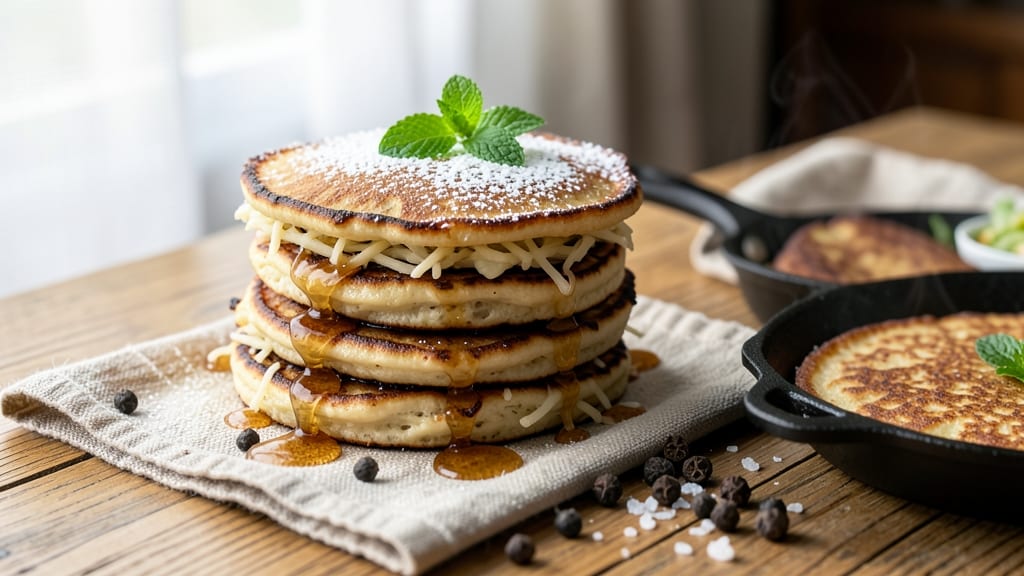
This Amish potato pancake recipe delivers the perfect balance of crispy golden edges and tender, fluffy centers that disappear with every bite. The secret lies in properly grating the potatoes and using a mix of flour and egg to create that signature texture—no heavy batter needed.
I first discovered this recipe during a visit to an Amish farm in Pennsylvania, where the aroma of freshly fried pancakes filled the kitchen.
The beauty of these potato pancakes is their simplicity—just five core ingredients transform into a dish that feels both homestyle and special. Traditional recipes call for frying in lard or butter, but you can easily adapt with vegetable oil for a modern twist.
The key is keeping the heat moderate to ensure even cooking without burning.
What makes these pancakes truly exceptional is how they hold up to serving—crispy enough to stand alone but soft enough to melt in your mouth. Serve them warm with a dollop of sour cream, a drizzle of applesauce, or a sprinkle of fresh herbs for that final touch.
Each bite carries that comforting, homey flavor that makes them a breakfast classic.
Perfect for weekend brunches, holiday gatherings, or a comforting weeknight meal, these potato pancakes prove that simple ingredients can create something extraordinary. The method is straightforward, but the results are anything but ordinary—just like the Amish tradition they represent.
Ingredients for amish potato pancake
Five simple ingredients create Amish-style potato pancakes with perfect crispy edges and fluffy centers.
| Ingredient | Amount | Notes |
|---|---|---|
| Russet Potatoes 🥔 | 3 lb | Cold, unpeeled, grated fine |
| All-Purpose Flour 🌾 | ½ cup | White or whole wheat |
| Large Eggs 🥚 | 2 whole | Room temperature, beaten |
| Granulated Sugar 🍚 | 1 tbsp | Optional, for slight sweetness |
| Salt 🧂 | 1 tsp | Kosher or sea salt |
| Ground Black Pepper 🌶️ | ½ tsp | Freshly ground preferred |
| Vegetable Oil 🫒 | 2 cups | For frying, or lard/butter |
| Fresh Parsley 🌿 | ¼ cup | Chopped, for garnish (optional) |
| Sour Cream 🥛 | ½ cup | For serving, full-fat preferred |
| Applesauce 🍎 | ½ cup | Unsweetened, for serving |
The potatoes are everything here—Russet is ideal for its starchy texture, but Yukon Golds work too. Buy them a few days ahead so they're fully cold when grated, which helps squeeze out excess moisture. Grate them by hand for the finest texture (a box grater works best), and don't skip the cold water rinse to remove excess starch. Traditional recipes call for lard, but vegetable oil gives the same crispy results without the strong flavor. If you're feeling authentic, grab some leaf lard from the Amish market section of your grocery store—it makes a noticeable difference.
No sour cream? Greek yogurt works in a pinch, though it's thinner. Short on parsley? Fresh chives or dill add a nice contrast. The sugar is truly optional—some Amish recipes skip it entirely, but I add it for a subtle balance. Want extra crispiness? Double the flour to 1 cup, but don't overmix the batter. And if you're serving a crowd, make two batches—these disappear fast. The pancakes reheat beautifully in a 200°F oven for 10 minutes if you're making ahead.
Grated potatoes keep in the fridge for 1 day covered with cold water, but use them fresh for best texture. The cooked pancakes stay crispy for 2-3 hours at room temperature, so serve them immediately if possible. For leftovers, store in an airtight container and reheat in a skillet with a bit of oil. I always make extra—freeze portions between parchment paper for up to 3 months. Just thaw and crisp in the oven when ready to serve.
Why You'll Love This Recipe
- No Fuss Setup: I swear by this recipe because it’s the kind of thing you can make while scrolling through your phone—just grate those Russets, mix in the dry ingredients, and fry. No fancy techniques, no waiting for dough to rise. Honestly, the hardest part is deciding whether to use a food processor or do it by hand.
- Crispy-Creamy Magic: That golden crust with the fluffy inside? It’s the sugar and egg working together to create something dangerously addictive. The salt balances the sweetness just enough to make them taste like a hug from your grandma—if your grandma had a deep fryer.
- Breakfast or Brunch Hero: Serve them with applesauce for a kid-friendly meal, top with sour cream and chives for a fancy brunch, or even pack them for lunch the next day. I’ve had them cold with mayo at 3 PM and still craved more. They’re the ultimate crowd-pleaser, no matter the occasion.
- Budget-Friendly Staples: Russets and flour are cheap, and this recipe stretches ingredients further than you’d think. Leftovers? Toss them in the fridge for up to five days—just reheat in a skillet until crispy again. Between us, I’ve fed a family of five for under $10 with this one dish. Practical? Absolutely.
Step-by-step instructions for Amish potato pancakes
Master these techniques and you'll achieve that signature Amish potato pancake texture—crispy golden edges with tender, fluffy centers.
Grate and Squeeze the Potatoes
Use a box grater or food processor to grate the 3 lb Russet Potatoes into fine shreds. The finer the shreds, the better the texture—aim for strands about the width of a pencil. Transfer the grated potatoes to a clean kitchen towel or cheesecloth and squeeze out as much moisture as possible. This step is critical because excess water prevents proper frying and leads to soggy pancakes.
Work in batches if needed, twisting the towel tightly to wring out every last drop. The potatoes should feel dry to the touch when you're done. I like to press them gently in the towel to ensure even moisture removal. Leave the squeezed potatoes in the towel for 5 minutes while you prepare the rest of the ingredients—this extra time helps maximize crispiness later.
Mix the Batter
In a large mixing bowl, combine the squeezed potatoes with the 0.5 cup All-Purpose Flour, 1 tbsp Granulated Sugar, 1 tsp Salt, and 0.5 tsp Ground Black Pepper. Stir gently with a wooden spoon or silicone spatula, being careful not to overmix. The batter should hold together when pressed but still feel slightly crumbly. This texture is what creates those perfect crispy edges while keeping the centers tender.
Add the 2 whole Large Eggs (already beaten) to the potato mixture and combine thoroughly. The eggs act as a binder that helps hold the pancakes together during frying. If the batter feels too dry, add 1-2 tablespoons of cold water to help it come together. The ideal consistency should be like wet sand—cohesive enough to shape but still loose enough to fry properly. Let the batter rest for 10 minutes before frying to allow the flour to fully absorb any remaining moisture.
Heat the Oil and Shape the Pancakes
Fill a deep skillet or Dutch oven with 2 cups Vegetable Oil and heat over medium-high heat until the oil reaches 350°F. Use a deep-fry thermometer to monitor the temperature—this is crucial for achieving that perfect golden brown crust. If you don't have a thermometer, test the oil by dropping in a small piece of potato batter. It's ready when it sizzles and turns golden within 30 seconds.
Using a ¼-cup measuring cup, scoop portions of the potato batter and gently shape them into ¾-inch thick pancakes. I press them down lightly with my fingers to ensure even thickness, which helps them cook uniformly. Don't overcrowd the pan—leave at least 1 inch between each pancake to allow for proper browning. The batter will naturally spread slightly as it cooks, so shaping them slightly smaller than the measuring cup works best.
Fry Until Golden Brown
Carefully slide the shaped pancakes into the hot oil, working in batches if needed to avoid overcrowding. Fry for 3-4 minutes per side until they develop a deep golden brown color and are crispy to the touch. The pancakes are done when they release easily from the spatula and have a satisfying crunch. I like to press down gently on them during the first minute of frying to help them maintain their shape and develop an even crust.
Transfer the fried pancakes to a paper towel-lined plate to drain excess oil. Keep them warm in a 200°F oven while you fry the remaining batches. The residual heat in the oven helps maintain their crispiness. If the oil temperature drops below 325°F during frying, add 1-2 tablespoons of additional oil and let it return to temperature before continuing. This ensures consistent results with each batch.
Serve with Traditional Toppings
Once all pancakes are fried, transfer them to a serving platter. Garnish with the 0.25 cup Fresh Parsley if desired, though this is optional. Serve immediately with 0.5 cup Sour Cream and 0.5 cup Applesauce on the side. The contrast of creamy sour cream with the slightly sweet applesauce balances the savory, crispy pancakes beautifully. Each bite should deliver that satisfying crunch on the outside with a warm, fluffy interior that melts in your mouth.
For best results, serve these pancakes while they're still warm and crispy. If you need to reheat leftovers, do so in a 350°F oven for 5-7 minutes to restore their crispiness. The secret to perfect Amish potato pancakes lies in the careful balance of frying temperature, batter consistency, and proper moisture control—master these elements, and you'll achieve that restaurant-quality texture every time.
Pro Tips For Making Amish Potato Pancake
- GRATE POTATOES COLD: Russets oxidize fast—don’t let them sit. Grate them right into a bowl of ice water to keep them bright and stop them from turning gray. Drain and squeeze out excess moisture before mixing with flour, or your pancakes will turn out soggy.
- USE LESS FLOUR THAN YOU THINK: I used to drown these in flour, but the texture gets dense. Aim for 1 cup flour per 2 cups grated potato—just enough to bind, not to thicken. If the batter’s too loose, add 1 tablespoon at a time.
- FLATTEN PANCAKES THIN: Skip the thick, lumpy pancakes—press them into ¼-inch circles. They’ll crisp faster and stay golden instead of steaming in the middle. A wine glass or heavy pan works great for shaping.
- SALT THE OIL FIRST: Hot oil + salt = instant flavor. Sprinkle a pinch of salt into the pan before adding the first pancake, then season again after flipping. It makes the crust taste like it’s been cooking all day.
Regional styles of this dish
Pennsylvania Dutch Tradition
The Amish community in Pennsylvania perfected these potato pancakes as a simple, hearty dish using humble ingredients. In Lancaster County, they're often called "potato cakes" and served at community gatherings like church potlucks or family breakfasts.
The recipe reflects the Amish values of simplicity and resourcefulness—using what's available seasonally. I remember tasting them for the first time at an Amish farm market where they were still warm from a cast-iron skillet. 🥔
Ohio Dutch Adaptations
While Pennsylvania Amish versions use lard for frying, Ohio's Amish communities often substitute butter or vegetable oil for a milder flavor. In areas like Holmes County, you'll find them served with scrambled eggs and brown gravy for a full breakfast spread.
The Ohio version sometimes includes grated onion in the batter for extra depth. I've noticed the texture stays crispier longer when using butter instead of lard.
Canadian Mennonite Variations
In Ontario's Mennonite communities, these pancakes are called "latkes" (though traditionally Jewish) and are often baked instead of fried to accommodate dietary restrictions. The Canadian version frequently includes ground caraway seeds for a distinct European twist.
I tried a baked version once at a Mennonite bakery in Kitchener—it had a lovely golden crust without being overly greasy. The batter consistency is slightly thicker to prevent spreading.
Modern Twists
Today's home cooks are putting their own spin on this classic. Some add shredded cheddar cheese to the batter for a cheesy version, while others incorporate crispy bacon bits for a smoky flavor. I've experimented with garlic powder in the seasoning mix—just ½ teaspoon adds a subtle aroma without overpowering.
For a lighter option, some bake them at 400°F for 20-25 minutes using an egg wash for crispiness.
Regional Serving Styles
In Pennsylvania, they're typically served with scrambled eggs and sausage for a full breakfast. Ohio versions pair well with maple syrup and apple butter, while Canadian Mennonite communities often serve them with sour cream and chives.
I love the contrast of warm pancakes with cool homemade applesauce—it's a perfect balance of textures. For a festive touch, some garnish with crispy fried onions right before serving. 🍎
Seasonal Adaptations
During harvest season, Amish cooks often incorporate grated sweet potatoes into the mix for a slightly sweeter variation. In winter, they're a staple at holiday gatherings, sometimes served with spiced cider for dipping.
I've seen them transformed into potato pancake casseroles by layering cooked pancakes with cheese and baking until bubbly. For summer, try serving them as a brunch appetizer with lemon wedges for brightness.
Nutrition facts
Frequently asked questions
Why do Amish potato pancakes need to be squeezed so much?
Squeezing removes excess moisture that would make your pancakes soggy instead of crispy. The key is using a clean kitchen towel or cheesecloth to wring out every drop—this creates that perfect golden crust while keeping the inside fluffy. Traditional recipes emphasize this step because it's what gives them that signature restaurant-quality texture.
Can I make these pancakes without frying in oil?
For a healthier version, bake them at 400°F for 20-25 minutes on a parchment-lined tray. Brush with egg wash before baking for extra crispiness. The texture will be slightly different but still delicious. I've also seen air fryer versions at 375°F for 12-15 minutes that work surprisingly well.
What's the best way to keep them crispy when serving?
Keep them warm in a 200°F oven while frying batches—this maintains their crispiness. For leftovers, reheat in a skillet with a bit of oil over medium heat for 2-3 minutes per side. Never microwave them—they'll turn rubbery. The secret is quick reheating at the right temperature to restore that satisfying crunch.
How do I fix pancakes that stick to the pan?
If they're sticking, your oil isn't hot enough (350°F is ideal). Let the oil return to temperature before continuing. Also ensure your batter isn't too wet—add 1 tablespoon extra flour if needed. Traditional recipes use lard which has a higher smoke point, but vegetable oil works too if you maintain proper heat. A well-seasoned cast-iron skillet helps prevent sticking.
What's the difference between Amish and Jewish latkes?
While similar, Amish potato pancakes typically use Russet potatoes and a simpler batter with flour and egg, while Jewish latkes often include onions and matzo meal for extra crispiness. The Amish version tends to be slightly sweeter (from the sugar) and is often served with applesauce, whereas latkes pair with sour cream or chives. Both achieve that perfect crispy-tender texture through careful frying techniques.