
Desserts
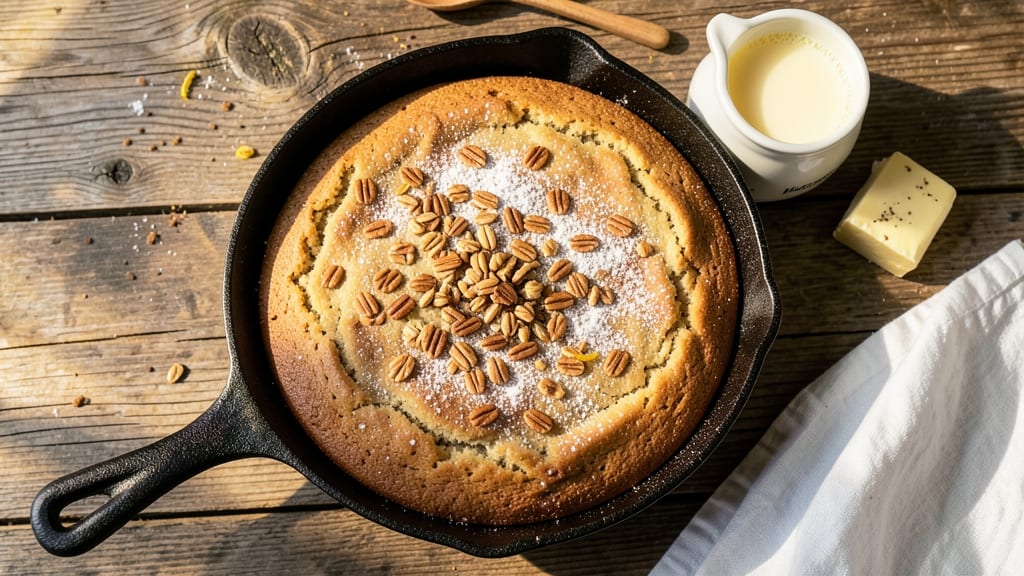
This Amish oatmeal cake recipe delivers the comforting warmth of a homestyle dessert with its signature buttery crust and fragrant spices. 💛 The secret lies in the perfect balance of rolled oats, cinnamon, and nutmeg—traditional Amish flavors that create a moist crumb and a golden, crackly top.
I've baked this version countless times, and it never fails to bring back memories of country kitchens and family gatherings.
The beauty of this recipe is its simplicity—just a handful of pantry staples come together to create a cake that's tender yet sturdy enough to hold up to generous slices. The rolled oats add a subtle texture and earthy depth, while the warm spices infuse every bite with cozy nostalgia.
Baking at a precise 350°F ensures a perfect rise and that signature crispy crust that's impossible to resist.
What you'll end up with is a cake that's moist, fragrant, and packed with flavor—ideal for breakfast, brunch, or even as a comforting dessert.
The aroma alone will fill your home with warmth, and the texture is just right: tender enough to melt in your mouth but sturdy enough to hold that perfect slice. Serve it warm with a pat of butter or a dollop of whipped cream for the full experience.
This recipe also works beautifully for special occasions or as a gift—just wrap it in parchment and tie it with twine for a rustic touch. The versatility makes it perfect for any time of year, whether you're celebrating a holiday or simply craving a taste of home. Let's get baking!
Ingredients for amish oatmeal cake
Just 12 ingredients transform your kitchen into an Amish country bakery.
| Ingredient | Amount | Notes |
|---|---|---|
| All-Purpose Flour 🌾 | 2 ½ cups | Sifted for even baking |
| Rolled Oats 🥣 | 1 ½ cups | Old-fashioned, not quick oats |
| Granulated Sugar 🍚 | 1 ¼ cups | Light brown sugar for depth |
| Unsalted Butter 🧈 | 1 cup | Cold, cubed for crust texture |
| Large Eggs 🥚 | 2 whole | Room temperature for blending |
| Milk 🥛 | 1 cup | Whole milk preferred |
| Vanilla Extract 🌸 | 2 tsp | Pure vanilla for authentic flavor |
| Ground Cinnamon 🌿 | 2 tsp | Freshly ground preferred |
| Ground Nutmeg 🌶️ | ½ tsp | Freshly grated if possible |
| Baking Soda 🧂 | 1 tsp | Pure, aluminum-free |
| Salt 🧂 | ½ tsp | Fine sea salt preferred |
| Powdered Sugar 🍚 | ¼ cup | For dusting top (optional) |
The rolled oats are non-negotiable here—they bring that signature texture and earthy warmth. Bob's Red Mill or Quaker Old Fashioned are my go-tos, but any brand labeled 'rolled' or 'steel-cut' works. The butter? Cold and cubed is key for that signature crispy crust—don't melt it first! For the spices, Penzeys or the bulk bins at Whole Foods have the freshest ground cinnamon and nutmeg. Pro tip: smell your spices before using—if they don't smell amazing, toss 'em. The vanilla? Pure extract, not imitation—this is where the magic happens.
No rolled oats? Quick oats pulsed in a food processor work in a pinch, but texture won't be identical. Short on brown sugar? White sugar plus 1 tsp molasses mimics the depth. The milk can be swapped for buttermilk or almond milk (though whole milk gives the best texture). For nutmeg, if you only have whole nutmeg, grate it fresh—trust me on this. The baking soda is crucial—don't substitute baking powder here. And if you're feeling fancy, add a pinch of cardamom for that extra Amish touch.
This cake keeps beautifully—3 days at room temperature wrapped in foil, or 1 week refrigerated in an airtight container. For longer storage, freeze slices wrapped individually for up to 3 months. The best part? It reheats perfectly—wrap a slice in foil and warm in a 300°F oven for 5 minutes. I always bake two batches—one for the family, one for neighbors. Wrap it in parchment, tie with twine, and you've got the perfect homemade gift.
Why You'll Love This Recipe
- No Mixer Needed: I swear by this recipe when I’m too tired to cream butter and sugar—just fold everything together with a wooden spoon. The oats stay chunky and chewy, like a cross between cake and granola, and that’s the magic.
- Butter-Sugar Magic: That rich, caramelized butter-sugar combo? It’s what makes this cake sing. The rolled oats soak up the sweetness perfectly, giving every bite a toasty, almost cookie-like depth—no fancy frosting required.
- Breakfast or Dessert: Honestly, I’ve served this for both. Warm slices with a drizzle of honey? Instant breakfast. Chilled with whipped cream? Dessert star. The neutral flavor plays nice with toppings, so it’s my go-to for lazy mornings or unexpected guests.
- Pantry Staple Power: Between us, this recipe uses ingredients you already own. Flour, oats, sugar, butter, eggs—no specialty items, no last-minute grocery runs. And leftovers? They keep for days, perfect for sneaking into lunches or snack attacks.
Step-by-step instructions for Amish oatmeal cake
This cake delivers that perfect balance of tender crumb and chewy oat texture—every bite is pure comfort!
👨🍳 Step 1: Prep the Dry Ingredients for Maximum Flavor
In a large mixing bowl, whisk together the 2.5 cups All-Purpose Flour, 1.5 cups Rolled Oats, 1.25 cups Granulated Sugar, 2 tsp Ground Cinnamon, 0.5 tsp Ground Nutmeg, 1 tsp Baking Soda, and 0.5 tsp Salt. I like to sift the flour first to prevent lumps, then add the oats and spices. The oats will absorb some of the flour's starch, creating that signature chewy texture.
Here's the thing—don't overmix. Just combine everything until you see a few flour streaks remaining. Overmixing develops gluten and makes the cake dense. Give the dry ingredients a quick toss with a fork to distribute the spices evenly. The nutmeg adds that warm, earthy depth that makes this cake taste so special.
🍳 Step 2: Cream Butter and Eggs for Light, Airy Texture
In a separate large bowl, beat the 1 cup Unsalted Butter (cold, cubed) with the 2 whole Large Eggs on medium speed for 3-4 minutes until light and fluffy. You'll see the mixture nearly double in volume and become pale in color. This creaming process incorporates air, which creates that tender crumb we're after.
I always use cold butter for this step—it creates better fat pockets in the batter that give the cake its signature moistness. Add the 2 tsp Vanilla Extract and 1 cup Milk next, mixing just until combined. The batter should be thick but pourable. If it looks too stiff, add a splash more milk—we want it to flow smoothly when we pour it into the pan.
🥘 Step 3: Combine Wet and Dry Ingredients Gently
With the mixer on low speed, gradually add the dry ingredients to the wet mixture. I like to do this in two batches to prevent overmixing. Mix just until everything is combined—you should still see some oat pieces and flour streaks. The batter will be thick and slightly grainy, which is perfect for this cake's texture.
Here's where it gets fun—this is the moment that matters: don't overmix. Once the dry ingredients are incorporated, stop mixing immediately. The oats need to stay slightly chunky to create that beautiful chewy contrast in each bite. The batter should hold its shape when you lift the spoon, but still be pourable.
🔥 Step 4: Bake to Golden Perfection with a Crispy Top
Preheat your oven to 350°F and grease a 9x13-inch baking pan or line it with parchment paper. Pour the batter into the prepared pan and smooth the top with a spatula. Sprinkle the 0.25 cup Powdered Sugar evenly over the top if you're using it—this creates that beautiful dusting that makes the cake look extra special.
Bake for 30-35 minutes until a toothpick inserted in the center comes out clean and the edges are golden brown. I know it seems like too much time, but trust me—the cake needs that full bake to develop its rich flavor and proper texture. The top should be nicely browned with a slight crack pattern, which is actually a good sign—it means the cake is baking evenly.
⏰ Step 5: Cool and Slice for Maximum Enjoyment
Remove the cake from the oven and let it cool in the pan for 10 minutes before transferring to a wire rack to cool completely. This resting period is crucial—it allows the cake to set properly and prevents it from falling apart when you slice it. The cake will look dense when it first comes out of the oven, but it firms up beautifully as it cools.
I like to serve this cake warm with a dollop of whipped cream or a scoop of vanilla ice cream. The warm spices really shine when the cake is still slightly warm from the oven. Each slice delivers that perfect balance of tender cake and chewy oat pieces with warm cinnamon and nutmeg throughout. And hey, if you have leftovers, they actually taste even better the next day!
Pro Tips For Making Amish Oatmeal Cake
- Toast Your Oats: I learned this the hard way—skipping the toasting step means your cake will taste flat and bland. Lightly brown 1 cup of rolled oats in a dry pan over medium heat for 5-7 minutes, stirring often, until they smell nutty. This adds depth that raw oats just can’t match.
- Cut Cold Butter: Unsalted butter straight from the fridge is your best friend here. Cut it into small cubes and let it sit on the counter for exactly 10 minutes before mixing—soft enough to cream but still cool enough to hold shape. Over-soft butter = greasy cake. Trust the process.
- Don’t Overmix the Batter: After adding the eggs, mix just until combined—no more. Overworking the batter makes the cake dense and tough. I used to think "more mixing = better texture," but this recipe relies on a tender crumb. Stop when the flour disappears, even if it looks lumpy.
- Test for Doneness Early: This cake’s center will look underdone when the edges pull away. Insert a toothpick at 30 minutes—if it comes out clean, it’s done. If not, cover with foil and bake another 10-15 minutes. Ignoring this leads to a gummy middle, and nobody wants that.
Pro cooking tips for great amish oatmeal cake
Butter Temperature Matters
The cold, cubed butter creates that signature crispy crust while keeping the interior moist. I always take my butter straight from the fridge and cut it into ½-inch cubes—this ensures even distribution in the batter.
If your butter starts to melt too quickly during mixing, chill the bowl for 5-10 minutes in the freezer. The key is maintaining that 65-70°F temperature range throughout mixing. 🧈
Oat Texture Secrets
Use old-fashioned rolled oats exclusively—quick oats won't give you that perfect chewy contrast. For extra texture, pulse ½ cup of the oats in a food processor until they resemble coarse flour, then mix them into the dry ingredients.
This creates a beautiful two-toned texture in each slice. I've found that Bob's Red Mill steel-cut oats work best when toasted lightly in a dry pan for 2-3 minutes before adding to the batter.
Spice Freshness Check
Ground cinnamon and nutmeg lose potency quickly, so always smell your spices before using. If they don't smell amazing, replace them immediately. For maximum flavor, I recommend Penzeys or freshly grated nutmeg from a whole nutmeg.
The nutmeg should have a strong, warm aroma—this is what gives the cake its signature depth. Store your spices in airtight containers away from light and heat for freshness. 🌿
Baking Pan Prep
Grease your 9x13-inch pan thoroughly with butter, then dust with flour or line with parchment paper for easy removal. I like to use a mix of butter and flour for extra insurance against sticking.
For that perfect golden crust, place a baking sheet on the rack below your pan during baking. This reflects heat upward and creates that beautiful caramelized top. Rotate the pan halfway through baking for even cooking.
Batter Consistency Test
The perfect batter should be thick but still pourable—like heavy pudding. If it's too stiff, add 1 tablespoon milk at a time until it reaches the right consistency. I test by lifting a spoonful—the batter should hold its shape but still flow smoothly when poured.
Too thin? Add 1-2 tablespoons more flour to prevent a dense cake. The batter should be slightly grainy with visible oat pieces—this is what creates that signature texture.
Don't Overbake!
While the cake looks done when the edges are golden, it needs that full 30-35 minutes to develop proper texture. The center should read 205-210°F on an instant-read thermometer. Overbaking dries out the cake and makes it tough.
When in doubt, pull it out 2-3 minutes early—it continues cooking as it rests. The cake will firm up beautifully as it cools, giving you that perfect slice every time. 💫
Nutrition facts
Frequently asked questions
Why does this Amish oatmeal cake have a crispy top?
The signature crispy top comes from using cold cubed butter in the batter. When baked, the butter melts slowly, creating steam that forms that beautiful crackly crust. The powdered sugar sprinkled on top also helps caramelize for extra crunch.
Can I make this cake without rolled oats?
You can substitute with quick oats pulsed into flour in a food processor, but the texture won't be identical. For best results, use old-fashioned rolled oats as they maintain that perfect chewy contrast. If you're desperate, toasted granola crumbs work in a pinch for texture.
How do I store leftovers to keep them fresh?
Wrap the cake tightly in foil and store at room temperature for 3 days, or refrigerate for up to 1 week in an airtight container. For longer storage, freeze slices individually for 3 months. Reheat wrapped slices in a 300°F oven for 5 minutes for that warm-from-the-oven taste.
What's the secret to getting that perfect golden brown crust?
Preheat your oven thoroughly to 350°F and place a baking sheet on the rack below your pan. This reflects heat upward for even browning. Rotate the pan halfway through baking and avoid opening the oven door too early. The cake should have a slight crack pattern when done—this indicates proper baking.
Can I make this cake gluten-free?
With modifications: replace the all-purpose flour with a 1:1 gluten-free baking flour blend and add ½ tsp xanthan gum. Use certified gluten-free oats and check that all spices are certified gluten-free. The texture will be slightly different but still delicious. Always test with a small batch first.