
Breakfast & Brunch
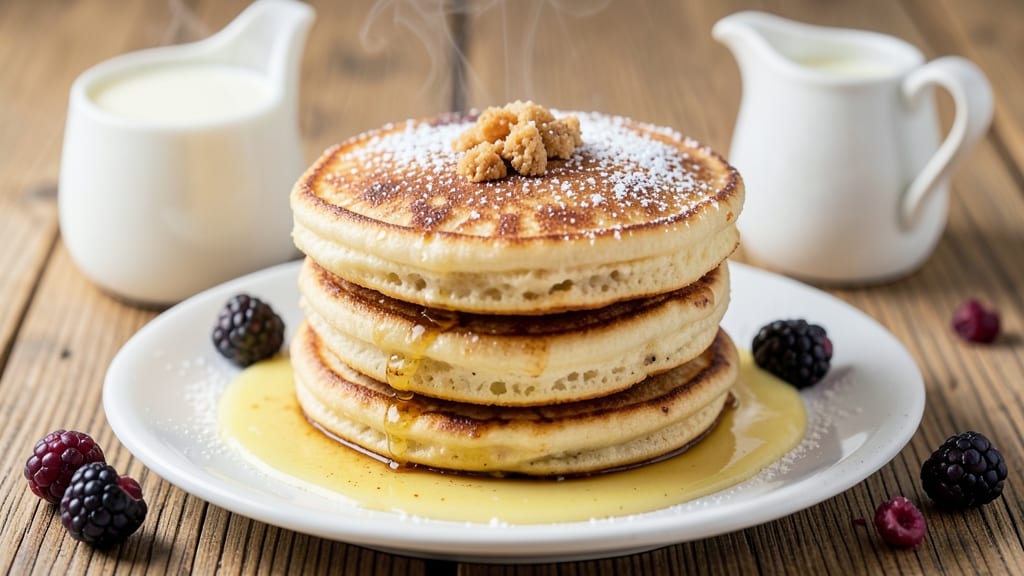
This Amish fried pancake recipe delivers the perfect balance of crispy edges and tender, buttery layers that make every bite irresistible. 🔥 The secret lies in the traditional method of frying thick pancakes in generous amounts of butter, creating that signature golden crust while keeping the interior fluffy.
What sets these apart is the careful temperature control and precise flipping technique that Amish cooks have perfected over generations.
The recipe begins with a simple batter of flour, eggs, and milk, but it's the cooking method that transforms ordinary pancakes into a breakfast masterpiece.
By cooking them low and slow in butter, then flipping carefully when edges are golden, you achieve that coveted crispy exterior with a soft, pillowy center. This technique ensures each pancake has distinct layers that melt in your mouth while maintaining structure.
What you'll end up with is a stack of restaurant-quality pancakes that are rich, buttery, and perfectly browned—ideal for a hearty Sunday breakfast. The crispy edges add delightful texture contrast to the tender interior, making each bite satisfying.
Serve with maple syrup, fresh berries, or crispy sausage to complete the traditional Amish breakfast experience.
This recipe is designed to be both authentic and approachable, ensuring you can recreate that homestyle flavor at home. The key is patience during cooking and attention to detail when flipping.
With just a few simple ingredients and proper technique, you'll have pancakes that taste like they came straight from an Amish kitchen. Let's get started!
Ingredients for amish fried pancake
Nine simple ingredients for pancakes with restaurant-quality crispy edges and buttery layers.
| Ingredient | Amount | Notes |
|---|---|---|
| All-Purpose Flour 🌾 | 2 ½ cups | Sifted for smooth batter |
| Large Eggs 🥚 | 4 whole | Room temperature for even mixing |
| Whole Milk 🥛 | 2 cups | Full-fat for rich flavor |
| Unsalted Butter 🧈 | ¾ cup | Cold, cubed for frying |
| Granulated Sugar 🍚 | ½ cup | For subtle sweetness |
| Baking Powder 🌶️ | 2 tsp | Diamond Crystal preferred |
| Salt 🧂 | ½ tsp | Kosher or sea salt |
| Pure Vanilla Extract 🌿 | 1 tsp | High-quality for aroma |
| Maple Syrup 🍁 | ½ cup | For serving (Grade B preferred) |
The butter is non-negotiable here—unsalted gives you control over seasoning, and using cold cubes ensures they sizzle beautifully for that signature golden crust. Land O'Lakes or Plugrá are reliable brands, but any high-fat butter works. The flour should be sifted to avoid lumps, which can ruin the tender texture. For the pancakes to develop those crispy layers, keep the butter cold even when melting it for frying—just warm it until it turns liquid but not fully melted. The milk matters too; whole milk gives the best richness, while nonfat will make them denser.
No vanilla extract? Vanilla sugar or a splash of vanilla bean paste works in a pinch, though fresh vanilla is ideal. Running short on baking powder? Baking soda plus cream of tartar at half the amount gets you close, but the texture won't be identical. The maple syrup for serving can be swapped for honey or agave, but Grade B maple has that authentic Amish flavor. For a richer batter, add a tablespoon of sour cream—it keeps the pancakes moist without making them gummy. And if you're worried about flipping, practice with one pancake first to get the timing right.
Butter leftovers? Store in an airtight container in the fridge for up to 3 months or freeze for 6 months. The pancake batter keeps in the fridge for 24 hours—just whisk before using. Once cooked, pancakes reheat best in a 350°F oven for 10 minutes to restore crispiness. For meal prep, freeze cooked pancakes between parchment paper, then reheat in a toaster. The key to crispy edges is low and slow frying—don't rush it, or you'll end up with burnt outsides and raw centers.
Why You'll Love This Recipe
- I’ll be real: I always make extra. The fried pancakes reheat like a dream—crispy again in the toaster or soft in the oven—and they taste just as good cold the next day. Pack them for lunch, freeze them for lazy days, or just snack on them while scrolling. No judgment here.
- Five-Ingredient Magic: I swear by this combo—flour, eggs, milk, butter, and sugar—because it’s the real deal. No weird substitutes or fancy add-ins. Just those five staples, mixed until smooth, then fried in butter until golden. That crispy exterior with a fluffy inside? It’s the kind of pancake that makes you pause mid-bite.
- Weeknight Hero: Honestly, this recipe saved my mornings when I’d hit snooze one too many times. The batter sits happily in the fridge overnight, so I’d just scoop, fry, and serve—no rushing, no stress. Even my kids (who usually complain about breakfast) would scarf these down before school.
- Budget Breakfast: Between us, I feed four people on a teacher’s salary, and this recipe doesn’t care. A stick of butter and a gallon of milk stretch for ages, and the flour? You already have it. It’s the kind of meal that doesn’t drain your wallet but still feels like a treat.
Step-by-step instructions for Amish fried pancakes
Here's how to achieve those signature buttery layers and crispy edges that make Amish fried pancakes legendary.
👨🍳 Step 1: Whisk Wet Ingredients for a Smooth Batter
In a large mixing bowl, combine the 4 whole Large Eggs, 2 cups Whole Milk, 0.5 cup Granulated Sugar, 1 tsp Pure Vanilla Extract, and 0.5 tsp Salt. Whisk vigorously for 2 minutes until fully blended. The mixture should be smooth with no visible streaks of egg or milk.
I like to use a fork first to break up the eggs, then switch to a whisk for the milk. This prevents the eggs from getting too frothy, which can make your pancakes dense. The batter should be slightly thicker than traditional pancake batter—this ensures those signature buttery layers when fried.
👨🍳 Step 2: Gradually Add Dry Ingredients
In a separate bowl, sift together the 2.5 cups All-Purpose Flour and 2 tsp Baking Powder. This sifting step is crucial—it prevents lumps and ensures a light, fluffy texture. Begin adding the dry ingredients to the wet mixture in 3 additions, whisking just until combined after each addition.
Don't overmix! You want to see a few small lumps remaining—this creates the perfect texture for Amish fried pancakes. The batter should be thick enough to hold its shape when poured, but still flow easily. If it's too thick, add 1-2 tablespoons of milk to loosen it slightly.
🔥 Step 3: Heat Butter for Perfect Frying
Heat a large skillet over medium heat and add the 0.75 cup Unsalted Butter, cubed. Let it melt completely, then increase the heat to medium-high until the butter begins to foam and sizzle gently. You're aiming for a temperature where the butter is hot but not smoking—this creates that signature crispy edge while keeping the inside tender.
This is where the magic happens. The butter should be hot enough to create a golden crust but not so hot that it burns before the pancake sets. I test the heat by flicking a few drops of water into the pan—if they sizzle and evaporate quickly, you're ready. Too much butter? Don't worry—it's what makes these pancakes so rich and flavorful.
🍳 Step 4: Fry in Small Portions for Buttery Layers
Using a ladle or measuring cup, pour ¼ cup portions of batter into the hot butter. The key to Amish fried pancakes is cooking them in small batches—this ensures each pancake gets plenty of butter and develops that signature layered texture. Let each pancake cook undisturbed for 2-3 minutes until bubbles form on the surface and the edges begin to look set.
Here's the thing—don't flip too early. You'll know it's ready when the edges are golden brown and the top looks mostly cooked through. Flip carefully with a spatula and cook for another 1-2 minutes on the second side until golden brown. For extra crispy edges, I like to press down gently on the pancakes during the last 30 seconds of cooking.
🍽️ Step 5: Serve Warm with Maple Syrup
Transfer the cooked pancakes to a wire rack or clean kitchen towel to drain any excess butter. Serve immediately while still warm and crispy. The pancakes should have golden brown edges with a slightly crisp exterior and a soft, buttery interior. Each bite should reveal those beautiful layers of butter that make these pancakes so special.
Drizzle generously with the 0.5 cup Maple Syrup (Grade B preferred for its rich flavor) and enjoy while the pancakes are at their peak texture. The syrup should soak into the layers, enhancing the buttery flavor without making the pancakes soggy. These pancakes are best served fresh—they lose their crispy edges as they cool.
Pro Tips For Making Amish Fried Pancake
- Preheat Your Pan Right: Amish fried pancakes need a screaming-hot cast-iron or griddle—no half-measures. Heat it for 3-4 minutes on medium-high until a drop of water sizzles and evaporates instantly. I learned this the hard way when my first batch turned out dense and greasy instead of golden and crisp.
- Whisk Eggs and Milk First: Combine the eggs and milk before adding flour—this keeps the batter smooth and prevents lumps. My grandmother swore by this, and she was right: a lump-free batter fries up lighter and fluffier, not like a brick.
- Don’t Overmix the Batter: Stir just until the flour disappears—maybe 10-12 strokes max. Overmixing develops gluten, and these pancakes should be tender, not chewy. I was skeptical until I tried it; now I measure my strokes.
- Use Cold Butter for Frying: Let the butter sit in the fridge for 10 minutes before adding it to the pan—it melts slower, giving you time to get the pancakes golden before burning. Sounds weird, but it works: no more charred edges or soggy centers.
Creative variations of these flavors
Sweet & Spiced Twist
Add 1 tsp cinnamon and ½ tsp nutmeg to the batter for a warm, aromatic variation. These spices pair beautifully with the buttery richness, creating a cozy breakfast that's perfect for chilly mornings.
I like to serve these with a dollop of brown sugar butter (mix softened butter with 2 tbsp brown sugar and a pinch of salt) for extra indulgence. 🌶️
Savory Herb Version
Swap the sugar for 2 tbsp melted butter mixed with 1 tbsp fresh rosemary or thyme to create a savory pancake that's ideal for brunch. The herbs add a bright, earthy note that balances the buttery richness.
Serve with a side of crispy bacon or smoked sausage for a hearty meal. This variation is a favorite in Amish communities for special occasions.
Blueberry Lemon Burst
Fold 1 cup fresh blueberries into the batter just before frying, then drizzle with 1 tbsp lemon zest and a splash of lemon juice after cooking. The tartness of the lemon cuts through the richness, while the blueberries add a juicy contrast.
I recommend using wild blueberries for a deeper flavor, but store-bought works too. 🍇
Chocolate Chip Amish
Stir in ½ cup semi-sweet chocolate chips or chopped chocolate bars for a decadent treat. The chocolate melts slightly during frying, creating pockets of gooey goodness in every bite.
For extra indulgence, top with a sprinkle of flaky sea salt before serving. This variation is especially popular for weekend brunches or family gatherings.
Caramel Apple Crunch
Add ½ cup diced apples (like Granny Smith) and ¼ cup chopped pecans to the batter. After frying, drizzle with a homemade caramel sauce made by melting ½ cup brown sugar with 3 tbsp butter and 2 tbsp heavy cream.
The caramel soaks into the pancakes, while the apples and pecans add texture and freshness. 🍏
Cinnamon Roll Pancakes
Spread the cooked pancakes with a mixture of 2 tbsp softened butter, 3 tbsp brown sugar, and 1 tsp cinnamon, then roll them up like cinnamon rolls. Cut into slices and serve with a side of vanilla ice cream or extra syrup.
This variation is a crowd-pleaser for dessert-style pancakes that feel special but are still easy to make.
Nutrition facts
Frequently asked questions
Why do Amish fried pancakes have crispy edges?
The crispy edges come from frying in generous amounts of butter over medium-high heat and cooking them slowly in small batches. The butter creates a golden crust while the low-and-slow method keeps the center tender. This traditional technique ensures each pancake develops those signature layers and texture.
Can I make these pancakes ahead of time?
Fresh is best, but you can prep the batter up to 24 hours ahead and store it in the fridge. For cooked pancakes, freeze them between parchment paper and reheat in a 350°F oven for 10 minutes to restore crispiness. The texture won't be identical, but it's a great option for busy mornings.
What's the difference between Amish fried pancakes and regular pancakes?
Amish fried pancakes are thicker, richer, and cooked in butter until crispy edges form. Regular pancakes are thinner, cooked on non-stick griddles, and often flipped sooner. The Amish version uses more butter and a slower cooking method to create those signature layered textures.
How do I know when to flip the pancakes?
Flip when bubbles form on the surface and the edges are golden brown (2-3 minutes total cooking time). The pancake should look mostly set on top but still slightly soft in the center. Flip carefully with a spatula and cook the second side for 1-2 minutes until golden.
Can I substitute butter with oil?
Butter is essential for that signature flavor and texture, but if needed, use ½ cup melted butter plus ¼ cup vegetable oil for frying. The oil helps prevent burning while maintaining some richness. However, the pancakes won't have the same buttery layers or crispy edges.