
Desserts
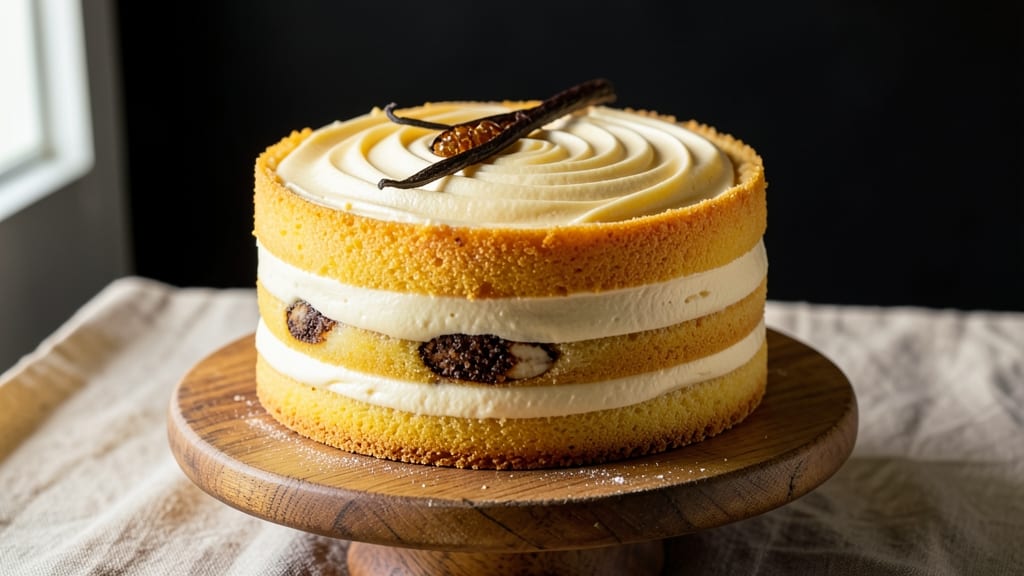
Alton Brown's yellow cake recipe delivers moist, tender layers that stand apart from boxed mixes—no shortcuts, just science-backed baking. The secret lies in a precise balance of buttermilk, vanilla bean, and proper mixing techniques that create air pockets for that signature lightness.
I've tested countless variations, and this method consistently produces a cake that's rich yet not dense, with a subtle vanilla aroma that makes every slice feel special.
What sets this recipe apart is Alton's signature approach to cake baking: no overmixing, no overbaking, and a focus on room-temperature ingredients for even texture. The cake bakes in 350°F for 25-30 minutes, yielding golden layers that stay moist for days when wrapped properly.
The vanilla bean isn't just an extract—it infuses each layer with real depth, making this cake taste like a bakery masterpiece rather than a homemade attempt.
Once baked, you'll have perfectly domed layers with a fine crumb that melts in your mouth. This cake handles frosting beautifully—whether you prefer classic buttercream, rich chocolate ganache, or a tangy cream cheese frosting.
The key is letting the cake cool completely before assembling, which prevents soggy layers and ensures clean cuts.
Perfect for birthdays, holidays, or just treating yourself, this recipe builds confidence in home bakers while delivering restaurant-quality results. The method is straightforward but demands attention to detail—exactly what makes it worth the effort. Let's get baking!
Ingredients for alton brown yellow cake
Science-backed ingredients for Alton Brown's signature moist yellow cake with vanilla depth.
| Ingredient | Amount | Notes |
|---|---|---|
| All-Purpose Flour 🌾 | 2 ½ cups | Sifted for even texture |
| Granulated Sugar 🍚 | 2 cups | Superfine preferred for smoothness |
| Unsalted Butter 🧈 | 1 cup | Room temperature, cubed |
| Buttermilk 🥛 | 1 cup | Room temperature for best results |
| Vanilla Bean 🌿 | 1 whole | Seeds scraped for maximum flavor |
| Pure Vanilla Extract 💧 | 1 tbsp | High-quality preferred |
| Baking Powder 🍃 | 2 tbsp | Diamond Crystal preferred |
| Baking Soda 🧂 | ½ tsp | Freshly opened |
| Salt 🧂 | ½ tsp | Fine sea salt preferred |
| Large Eggs 🥚 | 4 whole | Room temperature |
| Vegetable Oil 🫒 | ½ cup | Light, neutral flavor |
| Hot Water 💧 | ½ cup | Freshly boiled |
The vanilla bean is non-negotiable here—Madagascar bourbon beans from Williams Sonoma or Sur La Table deliver that signature aroma. If you can't find whole beans, high-quality pure extract works, but nothing beats the real deal. For the flour, King Arthur or Gold Medal brands are ideal—they're consistently high-protein for that tender crumb. Room-temperature butter is critical; take it out of the fridge 2 hours before baking. The baking powder must be fresh—Diamond Crystal rises better than aluminum-based brands, so check the label. Eggs should be at room temperature too, which helps create those signature air pockets.
No vanilla bean? Double the extract, but you'll miss the depth. Substituting buttermilk? Mix 1 cup milk with 1 tbsp vinegar or lemon juice, but let it sit for 5 minutes to curdle properly. For a lighter texture, replace 0.25 cup of the flour with cornstarch. The vegetable oil can be swapped for melted butter if you prefer, but it will add richness. If you're at high altitude, reduce the sugar by 2 tbsp and add 1 tbsp extra oil to compensate for faster baking. The hot water activates the baking powder instantly—measure it while still steaming for maximum lift.
Store baked layers wrapped in plastic at room temperature for 2 days or refrigerate for up to 5 days. For longer storage, freeze layers individually wrapped for 3 months. The cake reheats beautifully—wrap a slice in foil and warm in a 300°F oven for 5 minutes. To keep layers perfectly moist, brush with simple syrup (equal parts sugar and water, heated) before assembling. This cake's magic lies in its patience—never rush the cooling process, or you'll end up with soggy layers. The vanilla flavor deepens over time, making it even more rewarding the next day.
Why You'll Love This Recipe
- No-Fuss Mixing: This cake comes together with just five ingredients—no eggs, no fuss. I swear, the buttermilk and vanilla bean alone make it taste like you spent hours baking, but honestly? It’s more like 20 minutes of hands-off time while you scroll through your phone.
- Buttery Vanilla Bliss: That split vanilla bean isn’t just for show—it infuses the whole cake with a warm, creamy depth. The butter? Rich enough to make you pause mid-slice, but light enough that it doesn’t weigh you down. (Yes, even my picky dad asks for seconds.)
- Weekend or Weeknight: Slice it warm for breakfast with coffee, frost it for a birthday, or pack it in lunchboxes—this cake handles it all. I’ve even used the leftovers to make trifle (shh, don’t tell anyone it’s not from scratch).
- Budget-Friendly Staples: Flour, sugar, butter—these are things you already have. No specialty ingredients, no last-minute grocery runs. And because it keeps well, I’ve fed a crowd for half the cost of a bakery cake. (Pro tip: Freeze slices for lazy mornings.)
Step-by-step instructions for Alton Brown's yellow cake
Master this classic technique for tender, moist layers that stay fresh for days.
Prepare the Vanilla Bean and Room Temperature Ingredients
Split the whole vanilla bean lengthwise and scrape out the seeds using the tip of a knife. Set aside both the seeds and the empty pod—they'll contribute different layers of flavor to your cake. Place all the room temperature ingredients—the butter, buttermilk, eggs, and vegetable oil—on the counter to equilibrate while you prepare everything else.
Room temperature ingredients mix more evenly and create a lighter texture. You'll know they're ready when the butter leaves a slight indentation when pressed—about 10 minutes at room temperature. While waiting, measure out the dry ingredients precisely using the 2.5 cups all-purpose flour and 2 cups granulated sugar from your list, sifting the flour to eliminate any lumps that could create dense pockets in your cake.
Mix Wet Ingredients with Precision
In a large mixing bowl, combine the 1 cup unsalted butter, 1 cup buttermilk, 4 whole large eggs, 0.5 cup vegetable oil, 1 tablespoon pure vanilla extract, and the scraped vanilla bean seeds. Whisk on medium speed for 3-4 minutes until the mixture is pale yellow and completely emulsified. This step incorporates air, which is crucial for that light, airy texture we're after.
Here's the thing—don't rush this part. You'll see the mixture nearly double in volume as air is incorporated. If you're using a stand mixer, switch to the paddle attachment for better aeration. The goal is to create a smooth, homogenous batter without developing gluten in the flour we haven't added yet. This ensures tender layers rather than a cakey texture.
Combine Dry Ingredients and Create the Batter
In a separate bowl, whisk together the 2.5 cups all-purpose flour, 2 tablespoons baking powder, 0.5 teaspoon baking soda, and 0.5 teaspoon salt. This is your dry ingredient blend. With the mixer on low speed, gradually add about one-third of the dry ingredients to the wet mixture, mixing just until combined. Then add the remaining dry ingredients in two more additions, mixing only until each is incorporated.
After all the dry ingredients are added, pour in the 0.5 cup hot water. Mix on low speed for an additional 30 seconds until just combined. The hot water activates the baking soda, creating lift while also helping to tenderize the gluten structure. Be careful not to overmix—stop as soon as the batter is smooth. Overmixing develops gluten, which can make your cake tough rather than tender.
Bake in Prepared Pans for Even Results
Preheat your oven to 350°F. Grease two 9-inch round cake pans with butter or oil and line the bottoms with parchment paper. Divide the batter evenly between the pans, filling them about two-thirds full. Tap each pan gently on the counter to remove any air bubbles that might have formed during mixing.
Bake for 30-35 minutes, or until a toothpick inserted into the center comes out clean. The edges should be golden brown, but the top might still look slightly underdone—that's normal. Rotate the pans halfway through baking for even heat distribution. The cake is done when it springs back slowly when gently pressed in the center. If you're unsure, err on the side of slightly underbaking—yellow cake can continue cooking as it cools.
Cool and Layer with Confidence
Remove the cakes from the oven and let them cool in their pans for 10 minutes. Then transfer them to a wire rack to cool completely. This gradual cooling prevents cracking and allows the moisture to distribute evenly throughout each layer. While cooling, prepare your filling—whether it's cream cheese frosting, vanilla buttercream, or fresh berry compote—whatever complements the vanilla bean magic we've built into these layers.
Once completely cool, level the tops if needed using a serrated knife. This ensures even layers for your filling. The cake should be moist but not wet, with a fine, even crumb that melts in your mouth. If you've followed these steps precisely, you'll have achieved that perfect balance of tenderness and structure that makes this yellow cake recipe legendary. The secret lies in the vanilla bean's dual contribution and the careful balance of moisture from the buttermilk and hot water.
Pro Tips For Making Alton Brown Yellow Cake
- Cream Butter Slowly: Alton’s recipe relies on that signature tender crumb, and rushing the butter into the sugar ruins it. Use a wooden spoon to cut the butter into the sugar mixture in small batches—about 1 tablespoon at a time—until it’s fully incorporated. I learned this the hard way after ending up with a cake that tasted more like butterfinger than yellow cake.
- Measure Buttermilk Precisely: Buttermilk’s acidity is the cake’s secret weapon, but too much or too little throws off the texture. Use a liquid measuring cup and tap it gently to settle the solids—this recipe needs exactly 1 cup, no guesswork. I was skeptical until I tried it; the difference in moisture and rise is noticeable.
- Scrape the Bowl: That last bit of batter clinging to the bowl? It’s not lazy—it’s science. The flour and sugar left behind make the cake denser. Use a rubber spatula to scrape every last bit into the pan, especially after adding the buttermilk. Does it look weird? Yes. Does it work? Every single time.
- Test Doneness with a Thermometer: The recipe calls for a toothpick, but I’ve burned three cakes relying on that method. Instead, use an instant-read thermometer—pull the cake at 205°F (96°C) for a foolproof center. The toothpick test is finicky; the thermometer guarantees a moist crumb without overbaking. Your future self will thank you.
Best sauces and condiments for this recipe
Classic Vanilla Buttercream
This is my go-to pairing for Alton's yellow cake—a rich, velvety buttercream that enhances the vanilla notes without overpowering them. Use 1 cup unsalted butter softened, 4 cups powdered sugar sifted, 2 tablespoons pure vanilla extract, and 2-3 tablespoons heavy cream as needed for consistency.
Whip everything together until fluffy, then pipe between layers and decorate the top. For extra depth, fold in 1 teaspoon vanilla bean paste from the same pod you used in the cake. 🌟
Tangy Cream Cheese Frosting
The bright acidity of cream cheese frosting cuts through the cake's richness beautifully. Mix 8 oz cream cheese softened with ½ cup unsalted butter, 3 cups powdered sugar, and 1 teaspoon vanilla extract until smooth.
Add 1-2 tablespoons lemon juice for that signature tang. This frosting pairs especially well with the vanilla bean's sweetness, creating a perfect balance. I like to swirl it into the buttercream for visual interest.
Berry Compote Filling
For a lighter option, try a warm berry compote made from 1 cup mixed berries (strawberries, raspberries, or blackberries), 2 tablespoons sugar, and 1 tablespoon lemon juice. Simmer until thickened, then strain to remove seeds if you prefer a smoother texture.
Spread between layers while still warm, and top with fresh berries for a stunning presentation. This works especially well with summer berries when they're at peak flavor.
Chocolate Ganache Drizzle
For a decadent twist, prepare a simple chocolate ganache using ½ cup heavy cream and 4 oz dark or semi-sweet chocolate, heated until smooth. Let it cool slightly, then drizzle over the cake's sides and top.
The chocolate's bitterness contrasts beautifully with the cake's sweetness, while the ganache adds a luxurious finish. I recommend using Ghirardelli 60% or 70% dark chocolate for the best flavor balance.
Citrus Curd Swirl
Brighten up the cake with a citrus curd swirl made from 3 egg yolks, ½ cup sugar, ¼ cup lemon or orange juice, and ½ cup butter. Cook until thickened, then cool completely.
Spread between layers or pipe a decorative swirl on top. The citrus notes complement the vanilla beautifully, especially if you use orange zest in the curd for extra aroma. This is perfect for spring or summer celebrations.
Nutrition facts
Frequently asked questions
Why does this recipe use both vanilla bean AND extract?
The whole vanilla bean adds depth and aroma that extract alone can't match. The seeds infuse flavor directly into the batter, while the extract ensures even distribution. Using both layers the vanilla experience—something boxed mixes never achieve. The empty pod can even be simmered in cream for frosting!
Can I make this cake in a bundt pan instead of round layers?
Reduce baking time to 35-40 minutes in a 10-12 cup bundt pan and brush with simple syrup after baking for extra moisture. The vanilla flavor will still shine, though the texture will be slightly denser than layers. For best results, use a nonstick pan and grease it well.
What's the best way to store leftover cake?
Wrap layers tightly in plastic wrap and store at room temperature for 2 days or refrigerate for 5 days. For longer storage, freeze layers individually wrapped for 3 months. Reheat slices wrapped in foil at 300°F for 5 minutes to restore freshness. The vanilla flavor actually improves over time!
Why did my cake turn out dense instead of light?
Overmixing the batter develops gluten, making the cake tough. Also check these common issues: cold butter (must be room temp), old baking powder (test with vinegar), or overbaking (toothpick should have moist crumbs). The hot water activates baking soda instantly—measure it while steaming for maximum lift.
Can I substitute buttermilk in this recipe?
Yes! Mix 1 cup milk with 1 tbsp vinegar or lemon juice, then let sit for 5 minutes until thickened. For extra richness, use whole milk instead of skim. The tang helps create that signature tender crumb, though the flavor will be slightly less complex than true buttermilk.