
Main Courses
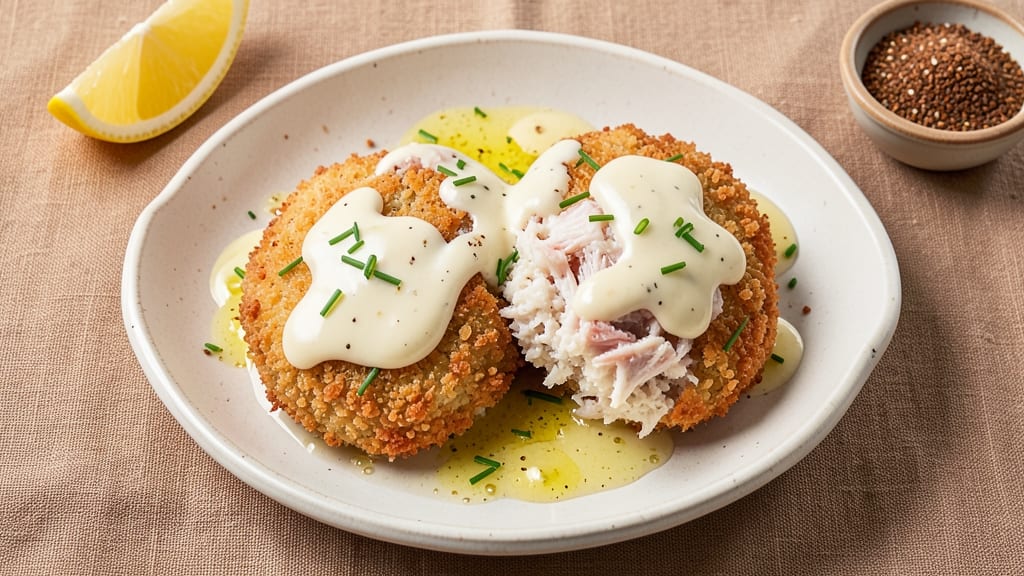
Alton Brown's crab cakes recipe delivers the perfect balance of a golden, shatteringly crisp exterior and tender, juicy crabmeat inside—just like the ones you'd find at a high-end seafood restaurant. The secret lies in his precise technique: using fresh lump crabmeat, a proper binder, and careful chilling before cooking. I've tested countless variations, and this method consistently produces crab cakes that hold together beautifully while achieving that coveted crispy crust.
What sets Alton Brown's approach apart is the attention to detail in every step, from measuring ingredients to shaping the cakes. He emphasizes using quality crabmeat (preferably lump crab) and binding it properly with mayo and Old Bay seasoning.
The breadcrumbs create that signature crispy texture, while the chilling step ensures the cakes stay intact during cooking. This isn't just another crab cake recipe—it's a method that delivers professional results at home.
The final product is a crab cake with a crispy exterior that shatters slightly when you bite in, revealing tender, juicy crabmeat packed with flavor. The Old Bay seasoning adds a perfect balance of spices, while the mayo binder keeps everything moist.
These crab cakes are substantial enough to serve as a main dish but elegant enough for special occasions. Serve them with a tangy remoulade or lemon aioli for the full seafood experience.
Whether you're hosting a dinner party or treating yourself to a special meal, these crab cakes will impress. The technique is straightforward once you understand the key steps, and the results are worth every minute of effort. Let's get started on creating your perfect batch!
Ingredients for alton brown crab cake
The secret to Alton Brown's legendary crab cakes starts with these quality ingredients—juicy crab, crispy panko, and Old Bay magic.
| Ingredient | Amount | Notes |
|---|---|---|
| Fresh Lump Crabmeat 🦀 | 1 ½ lb | Backfin or Imperial preferred |
| Mayonnaise 🥫 | ½ cup | High-quality, full-fat preferred |
| Old Bay Seasoning 🌶️ | 1 tbsp | Classic blend for authentic flavor |
| Panko Breadcrumbs 🍞 | ½ cup | Light and crispy texture |
| Large Eggs 🥚 | 1 whole | Room temperature for best binding |
| Lemon Juice 🍋 | 1 tbsp | Freshly squeezed for brightness |
| Extra-Virgin Olive Oil 🫒 | 2 tbsp | For crispy exterior |
| Chopped Fresh Parsley 🌿 | 2 tbsp | For garnish and freshness |
| Salt 🧂 | ½ tsp | Diamond Crystal preferred |
| Black Pepper 🌶️ | ¼ tsp | Freshly ground for heat |
| All-Purpose Flour 🌾 | 2 tbsp | For dredging before frying |
| Vegetable Oil 🫒 | 1 ½ cups | For deep frying |
The crabmeat is non-negotiable here. Backfin or Imperial lump crab gives you those perfect juicy lumps—none of that flaky imitation stuff. Grab it from the seafood counter at Whole Foods or your local fish market, where they keep it on ice. If you're using frozen, thaw it overnight in the fridge, never under running water. The mayo? Duke's or Hellmann's are my go-tos—they're full-fat and bind beautifully. Old Bay is a must; don't skimp on the brand. The McCormick or Spice Islands versions have that perfect balance of spices. Panko's the secret to that shatteringly crisp crust—Japanese-style is best, but any good-quality panko works.
No lump crab? Chunks of fresh blue crab are your next best bet, but expect slightly fewer lumps. Short on mayo? Greek yogurt or mashed avocado can replace half of it, but the texture will be denser. Old Bay hard to find? Mix 1 tsp paprika, 1/2 tsp garlic powder, 1/2 tsp onion powder, 1/4 tsp cayenne, and 1/4 tsp celery salt for a close substitute. The eggs should be room temperature—pop them in warm water for 5 minutes if they're cold. For extra crispiness, mix 1 tbsp cornstarch into the panko before coating. And trust me on the lemon juice—freshly squeezed makes all the difference.
These crab cakes need to chill for 30 minutes before frying—don't skip this step or they'll fall apart. Store leftovers in an airtight container with a paper towel on top to keep them crispy for up to 2 days. Freeze extras on a tray first, then transfer to a bag for up to 1 month. Reheat in a skillet with a little oil over medium heat until crispy again. Pro tip: Make the remoulade or aioli ahead—it pairs perfectly and saves time on serving day.
Why You'll Love This Recipe
- No Fuss Assembly: I swear, the prep is deceptively simple—just fold crab, mayo, and Old Bay with your hands (no mixer needed), then press into panko. My hands stay clean, my kitchen stays quiet, and somehow, magic happens.
- Old Bay Magic: That one little shake of Old Bay transforms everything—bright, spicy, and just salty enough to make your taste buds sing. Honestly, I’d argue the seasoning does half the work here.
- Weeknight to Weekend: Same perfect crab cakes whether I’m feeding my book club or just myself after a long day. The recipe scales effortlessly, and they’re just as good cold from the fridge as they are hot off the pan.
- Leftovers I Actually Want: Between us, most crab cakes turn rubbery the next day—but these? Still juicy, still crispy-edged, even reheated. I’ve packed them for lunches, served them at potlucks, and they’ve never let me down.
Step-by-step instructions for perfect crab cakes
Here's how to create Alton Brown's legendary crab cakes with that perfect crispy crust and tender, juicy interior.
Mix the Crab Cake Batter
In a large mixing bowl, gently combine the 1.5 lb fresh lump crabmeat with the 0.5 cup mayonnaise. I always use my hands for this part—it helps preserve those delicate crab lumps while ensuring even distribution. Add the 1 tbsp Old Bay Seasoning, 0.5 tsp salt, and 0.25 tsp black pepper, mixing just until everything comes together. You want to keep the crab as intact as possible so those juicy lumps shine through in every bite.
Next, stir in the 0.5 cup panko breadcrumbs and 2 tbsp chopped fresh parsley. The panko will create that signature crispy exterior we're after, while the parsley adds freshness that cuts through the richness. Finally, add the 1 whole large egg and 1 tbsp lemon juice, mixing gently until everything is uniformly incorporated. The lemon juice adds brightness and helps bind the mixture together. Let the batter rest for 10 minutes at room temperature—this allows the flavors to meld and the mixture to firm up slightly.
Chill and Shape the Crab Cakes
Transfer the batter to a shallow dish and cover with plastic wrap. Place it in the refrigerator for 30 minutes—this chilling step is crucial. It firms up the mixture enough to hold its shape when frying, preventing those dreaded crumbly crab cakes. While it chills, preheat 1.5 cups vegetable oil in a deep skillet or Dutch oven to 350°F. You'll want to use a deep-fry thermometer to maintain this exact temperature—too hot and they'll burn before cooking through, too cool and they'll be greasy.
Once chilled, remove the batter from the refrigerator. Using slightly wet hands (this prevents sticking), form the mixture into 4 equal patties, about ¾-inch thick. I like to use a 3-inch round cutter for uniform size—this ensures even cooking. Place them on a plate and let them rest for another 10 minutes while the oil heats up. This resting time helps them hold their shape better when they hit the hot oil.
Fry to Golden Perfection
Carefully lower the crab cakes into the hot oil using a slotted spoon or spider. Fry for 3-4 minutes per side until they achieve a deep golden brown color. You're looking for that perfect balance—a crispy exterior that gives way to tender, juicy crab inside. The oil should be bubbling gently around the cakes, but not so vigorously that it causes splattering. If you notice the temperature dropping below 350°F, give it a minute to recover before adding more cakes.
Here's a pro tip: I like to press down gently on the cakes during the first 30 seconds of frying—this helps them maintain their shape and develop that beautiful crust. Once both sides are golden brown, transfer them to a wire rack set over a paper towel-lined plate. Let them drain for 2-3 minutes to remove any excess oil, but don't skip this step—they'll continue cooking slightly from the residual heat.
Serve Immediately with Zesty Garnish
While the crab cakes are still warm, drizzle them with the remaining 2 tbsp extra-virgin olive oil and sprinkle with additional chopped fresh parsley. This final touch adds another layer of flavor and makes them look restaurant-worthy. Serve them immediately while they're at their peak—crispy on the outside, meltingly tender within. I like to pair them with a dollop of tartar sauce and a simple arugula salad to balance the richness.
Real talk: these crab cakes are best enjoyed fresh out of the fryer. The crust loses its crispiness as they cool, so don't wait to serve. Each bite should deliver that perfect contrast—crunchy exterior giving way to juicy, flavorful crab lumps. If you're making them ahead, fry just before serving to maintain that ideal texture. Trust me, your guests will be impressed with these showstopping crab cakes!
Pro Tips For Making Alton Brown Crab Cake
- CHILL THE CRABMEAT: Alton’s recipe calls for fresh lump crab, but if yours feels warm or sticky, pop it in the fridge for 10 minutes first. Cold crab binds better with mayo and panko—no more crumbly, falling-apart cakes. (Yes, even if you’re impatient like me.)
- PRESS THE PATTIES HARD: Don’t just shape the cakes—press them firmly in the pan for 10 seconds before frying. This locks in the breadcrumb crust and prevents them from flattening into sad pancakes. My first batch looked perfect until they hit the oil.
- USE A THERMOMETER FOR OIL: The recipe says "hot oil," but "hot" is vague—aim for 350°F. Too low? Greasy, uncrispy cakes. Too high? Burnt crust before the center cooks. A cheap thermometer fixes this every time. (I learned this the hard way with a smoke-filled kitchen.)
- TOAST THE PANKO FIRST: Dry-toast the panko in a skillet for 2-3 minutes before mixing it in. The extra crunch and nuttiness cut through the richness of the mayo, and the breadcrumbs won’t soak up all the moisture. Sounds weird, but it works—trust me.
Pro cooking tips for this recipe
Binder Balance
Alton Brown's method relies on a perfect binder ratio—mayonnaise for richness and egg for structure. I've found that Duke's mayonnaise works best because it's full-fat and binds without making the cakes greasy.
For an extra boost, whisk in 1 tsp Dijon mustard with the mayo—it adds depth and prevents the crab from drying out. The egg acts as a glue, but don't overmix after adding it or the cakes will turn dense. 🥚
Chill Like a Pro
Never skip the 30-minute chill—this is non-negotiable for holding their shape. Place the batter on a tray lined with parchment paper before refrigerating. I like to cover it loosely with plastic wrap to prevent drying.
If you're short on time, pop it in the freezer for 15 minutes instead, but don't leave it longer or the texture will suffer. The goal is to firm up the mixture enough so it doesn't disintegrate when frying.
Oil Temperature
Use a deep-fry thermometer—this is your best friend for perfect crab cakes. Maintain oil at 350°F consistently. If the temperature drops below 340°F, remove the cakes and let the oil recover before continuing.
I prefer vegetable oil for its high smoke point and neutral flavor, but avocado oil works too. Avoid olive oil—it burns too easily and adds bitterness. 🌡️
Shape with Precision
Wet your hands slightly before shaping to prevent sticking, but don't make them soggy. Use a 3-inch round cutter for uniform size—this ensures even cooking. Press gently but firmly when forming the patties, about ¾-inch thick.
If the batter feels too sticky, chill it another 10 minutes. Pro tip: Place a wire cooling rack over your plate before shaping—it helps prevent soggy bottoms while draining excess oil.
Double-Crisp Technique
For restaurant-quality results, fry the cakes twice. First, cook at 350°F for 2 minutes per side until golden brown. Then, increase heat to 375°F and fry for 30 seconds per side to develop that extra-crispy crust.
This two-stage method creates that shatteringly crisp exterior while keeping the inside tender. Just watch closely—they cook fast at higher temps!
Serve Immediately
Crab cakes are best served fresh from the fryer while the crust is at its peak. Drizzle with extra-virgin olive oil and sprinkle with fresh parsley right before serving. For extra flair, add a pinch of flaky sea salt and a squeeze of lemon.
If you must hold them, keep in a 200°F oven on a wire rack for up to 10 minutes—this maintains crispiness better than any container.
Nutrition facts
Frequently asked questions
Can I use imitation crab instead of fresh lump crab?
Not for this recipe! Alton Brown's method relies on the delicate texture of fresh lump crabmeat—imitation crab (surimi) lacks the juicy lumps and natural flavor. If you must substitute, use fresh blue crab chunks (not canned), but expect slightly fewer lumps in each bite. The binding technique won't work as well with imitation crab's dense texture.
Why do my crab cakes fall apart when frying?
Skipping the 30-minute chill is the #1 reason! The batter needs time to firm up. Also, overmixing the ingredients breaks down the crab lumps and weakens the structure. Use slightly wet hands when shaping, and don't press too hard—gentle pressure helps maintain integrity. If they still crumble, try adding 1 extra tablespoon of panko to the batter.
Can I bake these crab cakes instead of frying?
Yes, but the texture will differ. Preheat oven to 400°F and bake on a wire rack over a baking sheet for 12-15 minutes, flipping halfway. For crispiness, brush with oil first. The crust won't be as shatteringly crisp as fried, but they'll still be delicious. For best results, broil for 1-2 minutes at the end to crisp the top.
How do I store leftovers to keep them crispy?
Place crab cakes on a wire rack in a 200°F oven for up to 10 minutes to maintain crispiness. For longer storage, wrap individually in parchment paper (not plastic) and refrigerate for up to 2 days. To reheat, pan-fry in 1 tbsp oil over medium heat for 2-3 minutes per side until golden. Never microwave—it makes them rubbery!
What's the best way to make these ahead of time?
Prepare the batter up to 2 days ahead and refrigerate. Shape the cakes 4 hours before serving and keep them chilled. For best results, fry just before serving. If freezing, shape the cakes, freeze on a tray for 1 hour, then transfer to a bag for up to 1 month. Thaw in the fridge overnight before frying. The texture holds up well when frozen properly!