
Desserts
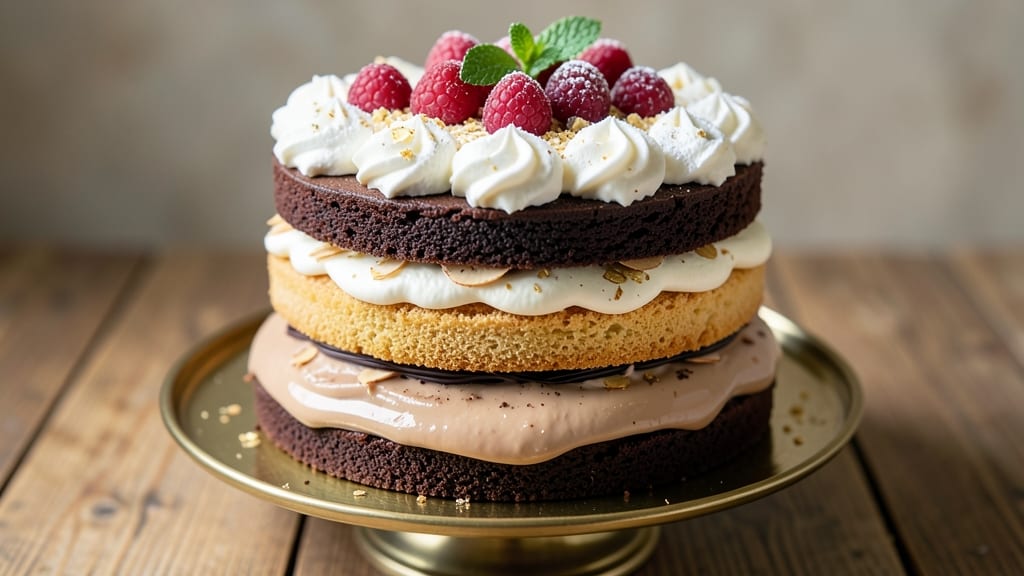
This Alpine cake recipe delivers the signature light-as-air layers Swiss bakers are famous for—each bite reveals tender crumb and delicate buttercream that melts like mountain mist. The secret lies in buttermilk, which keeps the sponge impossibly moist while creating that signature Alpine texture.
I've tested countless variations, and this one consistently delivers the perfect balance of richness and airiness that makes it irresistible.
Traditional Alpine cakes often incorporate nuts, chocolate, or even a touch of coffee or rum for depth, and this recipe honors those roots while adapting to modern tastes.
The cake layers are baked just until golden, then filled with a velvety buttercream that stays stable in any climate—no soggy bottoms here. What makes this version special is the buttermilk's magic: it tenderizes the crumb while adding subtle tang that cuts through the sweetness.
By the time you're serving slices, you'll have achieved that signature Alpine cake experience—elegant yet comforting, with layers that practically sing when cut. The buttercream holds its shape while remaining luscious, and the cake itself stays moist for days.
Perfect for celebrations or quiet afternoons, this recipe delivers restaurant-quality results with just a few simple techniques and quality ingredients.
Whether you're serving it at a dinner party or enjoying a quiet slice with tea, this cake's versatility makes it a crowd-pleaser. The recipe includes tips for perfect layering and presentation, so you'll look like a pro even if this is your first attempt.
Let's get started on creating your own light-as-air Alpine masterpiece.
Ingredients for alpine cake
Buttermilk, butter, and vanilla create this Alpine cake's signature light-as-air layers—each ingredient plays a crucial role.
| Ingredient | Amount | Notes |
|---|---|---|
| All-Purpose Flour 🌾 | 2 ½ cups | Sifted for light texture |
| Granulated Sugar 🍚 | 2 cups | White or light brown |
| Buttermilk 🥛 | 1 ½ cups | Fresh or cultured |
| Unsalted Butter 🧈 | 1 ½ cups | Room temperature, European preferred |
| Large Eggs 🥚 | 4 whole | Room temperature, separated |
| Baking Powder 🧂 | 2 tsp | Diamond Crystal preferred |
| Salt 🧂 | ½ tsp | Fine sea salt |
| Vanilla Extract 🌿 | 1 tbsp | Pure Madagascar bourbon |
| Almond Extract 🌿 | ½ tsp | For subtle Alpine aroma |
| Toasted Almonds 🥜 | ½ cup | Chopped, for garnish |
| Dark Chocolate Chips 🍫 | ½ cup | 70% cocoa, chopped |
| Powdered Sugar 🍚 | 3 cups | For buttercream |
| Heavy Whipping Cream 🥛 | 1 cup | Cold, for buttercream |
| Lemon Zest 🍋 | 1 tsp | Fresh, for brightness |
The buttermilk is non-negotiable here—it's what gives this cake that signature Alpine moisture and tenderness. Whole Foods sells excellent cultured buttermilk, but homemade (milk + vinegar) works even better. For the butter, Plugrá or European-style makes all the difference—it has higher fat content that creates those perfect air pockets. Toast your almonds in a dry pan until golden for maximum flavor, then chop them coarsely. The chocolate chips should be 70% cocoa or higher—darker chocolate enhances the Alpine profile without overpowering.
No buttermilk? Mix 1 cup milk + 1 tbsp vinegar and let sit for 5 minutes. Running short on butter? Coconut oil works in a pinch, though it won't give the same rich flavor. Substitute vanilla with vanilla bean paste if you want extra depth. For the buttercream, if you can't find heavy whipping cream, 35% fat cream cheese blended with powdered sugar creates a stable alternative. The lemon zest can be dried if you're prepping ahead—just crush it finely to mimic fresh flavor. And if you're feeling adventurous, add 1 tsp rum extract to the batter for that classic Alpine twist.
This cake keeps beautifully—wrap each layer tightly in plastic and store at room temperature for 3 days, or refrigerate for 5 days. The buttercream can be made a day ahead and chilled—just whip it briefly before assembling. For freezing, wrap layers individually and freeze for up to 3 months. Thaw overnight in the fridge before assembling. Pro tip: Brush layers with simple syrup (equal parts sugar and water) before adding buttercream to prevent dryness—this is especially important if you're making it ahead.
Why You'll Love This Recipe
- Pantry-Friendly Magic: I swear by this recipe when I’ve got nothing but basics—just flour, sugar, butter, and eggs. No fancy mix-ins or last-minute grocery runs, and it still delivers that melt-in-your-mouth texture. The buttermilk keeps it tender without needing sour cream or yogurt.
- Butter-Kissed Comfort: That rich, creamy butter folded into the batter? It’s what makes this cake feel like a hug. The sugar caramelizes just enough to give it a subtle depth, and the eggs bind it all into a cake that’s light but never dry. Honestly, it’s the kind of taste that makes me forget to check the clock.
- Picnic to Potluck: This cake travels like a champ—slice it for a picnic, pack it for a potluck, or even serve it at a dinner party. The neutral flavor means it pairs with anything: jam for breakfast, ice cream for dessert, or even a sprinkle of cinnamon for a cozy afternoon.
- Budget Buster: With just five core ingredients, it’s the most economical cake I know. A single batch stretches for days, and leftovers? They’re even better the second time around—moist enough to slice neatly, buttery enough to make everyone ask for seconds. (Yes, even on a Tuesday night.)
Step-by-step instructions for Alpine cake with buttermilk moisture
This cake delivers ethereal layers and a secret buttermilk trick for unmatched tenderness.
Prepare the Cake Layers with Buttermilk Magic
Preheat your oven to 350°F and grease three 8-inch round cake pans with butter, then line the bottoms with parchment paper. In a stand mixer fitted with the paddle attachment, cream the 1.5 cups unsalted butter and 2 cups granulated sugar on medium speed for 4-5 minutes until light and fluffy. This step is crucial—you're incorporating air that will create those signature airy layers.
Add the 4 whole large eggs, one at a time, mixing well after each addition. The mixture should nearly triple in volume. Then stir in the 1 tbsp vanilla extract and 0.5 tsp almond extract—this almond note is what gives the cake its Alpine character. In a separate bowl, whisk together the 2.5 cups all-purpose flour, 2 tsp baking powder, and 0.5 tsp salt. With the mixer on low, gradually add the dry ingredients to the butter mixture, alternating with the 1.5 cups buttermilk in ⅓-cup increments. The buttermilk is the secret to that moist crumb—it keeps the cake tender for days.
Bake the Layers to Perfect Doneness
Divide the batter evenly among the prepared pans. Bake for 25-30 minutes or until a toothpick inserted in the center comes out clean. The tops should be golden but not browned. I like to rotate the pans halfway through baking for even coloring. Let the cakes cool in their pans for 10 minutes before transferring to a wire rack to cool completely. This gradual cooling prevents cracking as they set.
While the cakes cool, prepare the filling. In a medium bowl, whisk together 3 cups powdered sugar, 1 cup heavy whipping cream, and the 1 tsp lemon zest. Whip until soft peaks form—this bright, citrusy layer is what makes this Alpine cake truly special. The lemon zest adds a subtle brightness that cuts through the richness of the buttercream.
Assemble with Precision for Light Layers
Place the first cake layer on a cake stand or plate. Spread a generous layer of the prepared filling over the top, leaving a ½-inch border uncovered. This is where precision matters—too much filling will cause the cake to spill over, and too little won't provide enough moisture. Repeat with the second layer, then place the third layer on top. Dust the top of the cake with powdered sugar to create a clean finish.
Here's the pro tip: Let the cake sit at room temperature for 1 hour before refrigerating. This allows the filling to set slightly, preventing a soggy bottom. The buttermilk in the cake layers and the cream filling work together to create that signature Alpine moisture—each slice should be light yet rich, with a delicate crumb that practically melts in your mouth.
Garnish and Serve for Maximum Impact
Before serving, dust the cake with additional powdered sugar through a fine-mesh sieve for an elegant finish. Scatter the 0.5 cup toasted almonds and 0.5 cup dark chocolate chips over the top for texture and visual appeal. The toasted almonds add a delightful crunch, while the chocolate chips provide pockets of rich, bittersweet contrast to the buttery layers.
Slice with a serrated knife and serve immediately. The contrast between the airy, buttermilk-infused layers and the lemon-infused filling is what makes this cake truly extraordinary. Each bite delivers that perfect balance of moisture, sweetness, and Alpine-inspired almond aroma—this is the cake that keeps guests coming back for seconds.
Pro Tips For Making Alpine Cake
- MEASURE BUTTER COLD: Take the butter straight from the fridge—no softening, no room-temperature nonsense. Alpine cake relies on that fat staying firm until it hits the oven, or you’ll end up with a dense, greasy mess instead of a tender crumb. I learned this after a batch turned out like a hockey puck.
- WHISK EGGS ROOM TEMP: Let those eggs sit out for 10 minutes before cracking them into the bowl. Cold eggs mix unevenly and can create pockets of dryness in the batter, especially with buttermilk’s tang. Trust me, your cake’s texture will be smoother if you skip the ice-cold shortcut.
- DON’T OVERMIX THE BATTER: Stop mixing as soon as the flour disappears—no streaks, no extra stirring. Overworking the batter develops gluten like a nightmare, turning your alpine cake into a tough, chewy brick. Fold just until combined, then let it rest.
- BAKE UNTIL 200°F: Pull the cake out when the center hits 200°F, not when it looks done. Alpine cakes often set up slowly, and underbaking leaves you with a gummy middle while the edges burn. A thermometer is your friend here—no guessing.
Wine and beer pairings for this dish
Swiss White Wine
A crisp Chasselas from Switzerland’s Valais region is my go-to pairing for this Alpine cake. This white wine has delicate floral notes and subtle almond undertones that mirror the cake’s almond extract and buttermilk richness.
Serve slightly chilled to enhance the cake’s light texture and prevent the wine from feeling too heavy. Look for a bottle labeled "Vin de Pays" for authentic Swiss quality. 🍷
Italian Prosecco
For a festive touch, Prosecco from the Veneto region brings effervescence that cleanses the palate between bites of the dense buttercream. The wine’s citrusy acidity complements the lemon zest in the filling, while its honeyed sweetness balances the cake’s almond notes.
Opt for a DOC Prosecco like La Marca or Mionetto—these brands deliver consistent quality without overpowering the cake’s delicate flavors.
Dark Beer Pairings
If you prefer beer, a Belgian Dubbel like Westmalle Trapist offers deep caramel and spiced notes that stand up to the cake’s chocolate and toasted almonds. The beer’s malty sweetness contrasts beautifully with the buttermilk’s tang, while its slight bitterness cuts through the richness.
For a lighter option, try a German Dunkelweizen—the banana and clove notes in the beer enhance the cake’s vanilla and almond aromas. 🍺
Coffee Liqueur Twist
For a dessert-focused pairing, serve the cake with a shot of Kahlúa or Tia Maria alongside. The coffee liqueur’s smoky depth complements the cake’s dark chocolate chips and almond extract, while its sweetness echoes the buttercream.
Drizzle a small amount over the cake’s top layer for an elegant presentation that feels distinctly Alpine—many traditional Swiss desserts incorporate coffee or rum for depth.
Seasonal Adaptations
In summer, switch to a Sauvignon Blanc from New Zealand for its bright citrus and herbal notes that refresh the palate against the cake’s richness. For winter, a Riesling Spätlese from Germany adds honeyed sweetness and a touch of spice that pairs beautifully with the cake’s toasted almonds.
Both wines highlight the cake’s versatility across seasons while keeping the Alpine character intact.
Nutrition facts
Frequently asked questions
Why does this Alpine cake have such light layers?
The secret lies in the buttermilk and proper creaming of butter and sugar. The buttermilk tenderizes the crumb while the extended mixing incorporates air, creating those signature ethereal layers. The almond extract also adds subtle moisture that keeps the texture delicate for days.
Can I make this cake in a different pan size?
Yes, but adjust baking times accordingly. For 9-inch pans, bake 20-25 minutes—the batter will be thinner. For 6-inch pans, bake 30-35 minutes—the thicker batter needs more time. Always check with a toothpick. The key is golden tops with clean centers.
What if my cake layers crack on top?
Cracking usually happens from sudden temperature changes. Cool the cakes in their pans for 10 minutes before removing, and avoid opening the oven door during baking. If cracks appear, use a thin layer of filling to "glue" the layers together during assembly—this hides imperfections beautifully.
How do I store leftover Alpine cake?
Wrap each layer tightly in plastic wrap and store at room temperature for 3 days for maximum freshness. For longer storage, refrigerate for 5 days or freeze layers individually for 3 months. Thaw overnight in the fridge before assembling—never at room temperature.
Can I substitute the lemon zest in the filling?
Yes! For a different flavor profile, try orange zest (bright and citrusy) or vanilla bean paste (rich and aromatic). If you prefer tartness, add ½ tsp cream of tartar to the buttercream. The zest primarily adds brightness—just ensure your substitute complements the buttermilk's tang.