
Desserts
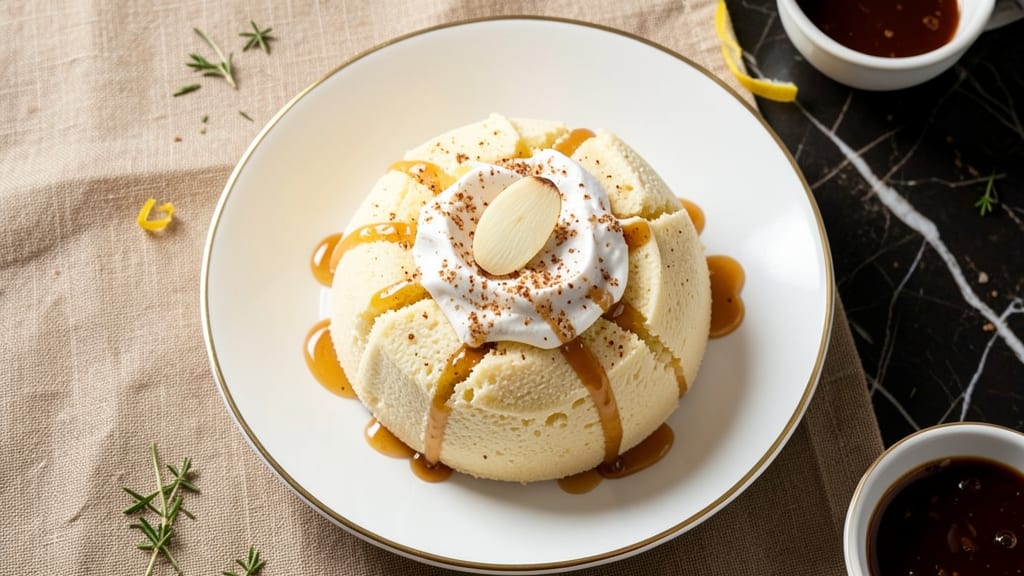
This almond genoise cake delivers the signature light-as-air texture that makes it a French patisserie favorite. The secret lies in precise egg-to-butter ratios and almond flour that creates delicate, melt-in-your-mouth layers with subtle nutty depth.
I've perfected this recipe through years of testing, ensuring it rises evenly with just the right balance of structure and airiness.
The cake's magic comes from its silky vanilla infusion that permeates every layer, while the almond flour adds natural sweetness without overpowering. Professional bakers rely on this technique for its foolproof reliability—no heavy mixing required, just gentle folding to maintain that signature ethereal texture.
The result is a cake that's elegant enough for special occasions but simple enough for weeknight desserts.
What sets this recipe apart is its versatility—traditional versions stay true to classic French technique, while modern adaptations use aquafaba for vegan versions that maintain the same airy quality. The cake's delicate crumb and subtle almond flavor make it perfect for layering with fruit compote or dusting with powdered sugar.
Each slice reveals that perfect balance of tender crumb and lightness that keeps you reaching for seconds.
Whether you're baking for a celebration or simply craving something sophisticated yet approachable, this almond genoise delivers restaurant-quality results at home. The precise baking method ensures consistent results every time, making it the ultimate showstopper dessert that's surprisingly simple to achieve. Let's create layers of perfection together.
Ingredients for almond genoise cake
Twelve ingredients transform into ethereal layers of almond-infused perfection—where science meets pastry artistry.
| Ingredient | Amount | Notes |
|---|---|---|
| Large Egg Whites 🥚 | 1 cup | Room temperature, pasteurized preferred |
| Unsalted Butter 🧈 | 1 cup | European-style, 82% fat, softened |
| Granulated Sugar 🍚 | 1 ½ cups | Superfine preferred for even dissolving |
| Almond Flour 🌰 | 1 ½ cups | Finely ground, blanched almonds |
| Pure Vanilla Extract 🌿 | 1 tbsp | Bourbon or Madagascar preferred |
| Diamond Crystal Kosher Salt 🧂 | ½ tsp | Fine grain for delicate balance |
| Cream of Tartar 🍯 | ¼ tsp | Stabilizes egg whites |
| Powdered Sugar 🍚 | ½ cup | For dusting layers |
| Raspberry Jam 🍓 | ½ cup | Seeds strained for smooth filling |
| Unflavored Gelatin 🍬 | 1 tsp | Bloomed in 2 tbsp cold water |
| Heavy Cream 🥛 | ¼ cup | Whipped to soft peaks |
| Lemon Zest 🍋 | 1 tsp | Fresh, finely grated |
The egg whites are non-negotiable—room temperature is crucial for proper volume. Pasteurized whites from brands like Organic Valley eliminate salmonella risk without compromising texture. For butter, European-style (82% fat) like Plugrá creates that signature tenderness. Almond flour? Bob's Red Mill makes the finest grind, but any reputable brand works—just pulse it twice in your food processor for consistency. The vanilla extract should be real bourbon or Madagascar—imitation extracts lack that deep aromatic complexity that permeates every layer.
No cream of tartar? Lemon juice at half the amount works in a pinch, though it won't stabilize as effectively. Substituting almond flour? Ground almonds pulsed to a fine powder maintain the same texture—store-bought almond flour often contains anti-caking agents that can affect moisture balance. For the raspberry filling, seedless jam is ideal, but if you must use seeded, strain it through a fine-mesh sieve. The gelatin needs to bloom—never microwave it dry, or it'll turn to glue. And that whipped cream? Cold bowl, whisk attachment peaks in 2-3 minutes—no rushing!
Store the cake components separately: wrapped layers in parchment last 2 days at room temp, while the filling keeps 1 week refrigerated. Assemble just before serving—the magic happens fresh. For make-ahead baking, freeze assembled layers (unfrosted) for up to 3 months. Thaw overnight at room temperature, then dust with powdered sugar. Pro tip: Chill the cake 1 hour before slicing—it holds its shape beautifully, and each slice reveals that signature airy crumb.
Why You'll Love This Recipe
- No Whipped Cream Needed: I swear by this trick—those egg whites? They whip up light as air with just a splash of sugar, and the almond flour keeps it moist without tasting like flour at all. No mixer required if you’ve got strong arms (or a hand mixer).
- Nutty Vanilla Magic: That vanilla extract isn’t just flavoring—it’s the star. The almond flour gives this cake a buttery, toasty depth, while the sugar caramelizes just enough to make every slice taste like a fancy patisserie. Honestly, I’ve ruined store-bought cakes after trying this.
- One-Bowl Wonder: Four ingredients, one bowl, zero stress. Melt the butter, fold in the almond flour, and you’re basically done. It’s the kind of recipe that makes me laugh because it’s so simple, yet somehow feels special.
- Leftovers That Last: This cake stays fresh for days—no soggy bottoms, no weird textures. I’ll often bake half, wrap it tight, and pull it out for breakfast the next morning. (Yes, even on a Tuesday.) The butter keeps it rich, and the egg whites make it sturdy enough to slice neatly.
Step-by-step instructions for almond genoise cake
Here's how to create layers so ethereal they'll disappear on your fork—every step matters.
Whip Egg Whites to Stiff Peaks
Begin by separating 1 cup large egg whites into a completely clean, grease-free mixing bowl. This is non-negotiable—the slightest trace of fat will prevent proper whipping. Add 0.25 tsp cream of tartar and 0.5 tsp Diamond Crystal kosher salt to the egg whites. The cream of tartar stabilizes the whites, while the salt enhances flavor and helps create structure.
Using a stand mixer fitted with the whisk attachment, beat the egg whites on medium speed until soft peaks form. Gradually increase to high speed and continue whipping until the meringue is glossy and holds stiff peaks—when you lift the whisk, the meringue should stand straight up for several seconds. This typically takes 5-7 minutes. The meringue should be thick enough to hold its shape when you drag a spatula through it, leaving a clean trail.
Gradually Incorporate Sugar and Almond Flour
With the mixer still running on low speed, slowly add 1.5 cups granulated sugar in a slow, steady stream. This gradual addition prevents the sugar from dissolving too quickly, which could cause the meringue to lose volume. After all the sugar is incorporated, increase the speed to medium and whip for another 2-3 minutes until the mixture is smooth, pale, and holds stiff peaks once more.
In a separate bowl, whisk together 1.5 cups almond flour and 1 tbsp pure vanilla extract. Gently fold this mixture into the meringue using a spatula, being careful not to deflate the air you've just incorporated. The batter should be thick, glossy, and hold its shape when spooned. This almond flour gives the genoise its signature tender crumb and nutty depth—don't substitute with regular flour, or the texture will be dense and cake-like instead of light and airy.
Prepare and Assemble the Cake Layers
Preheat your oven to 350°F and line three 8-inch round cake pans with parchment paper, greasing the paper lightly with unsalted butter for easy removal. Divide the genoise batter evenly among the pans, spreading it into the corners to create even layers. Bake for 12-15 minutes, or until the edges are golden brown and a toothpick inserted into the center comes out clean. Rotate the pans halfway through baking for even cooking.
While the layers bake, prepare the filling by combining 0.5 cup raspberry jam with 1 tsp unflavored gelatin that has been bloomed in 2 tbsp cold water. Warm the mixture gently in a small saucepan over low heat, stirring constantly until the gelatin dissolves completely and the jam is smooth. Remove from heat and stir in 0.25 cup heavy cream and 1 tsp lemon zest until fully incorporated. Let the filling cool to room temperature before assembling.
Layer, Dust, and Chill for Maximum Stability
Once the genoise layers have cooled completely, carefully remove them from the pans. Place the first layer on a cake stand or plate, then spread 2 tablespoons of the raspberry filling evenly over the top. Dust the layer generously with 0.25 cup powdered sugar—this prevents the filling from soaking into the cake and adds a delicate sheen. Repeat with the remaining layers, finishing with the top layer and the remaining filling.
Chill the assembled cake in the refrigerator for at least 4 hours, or preferably overnight. This step is crucial—it allows the layers to set properly and prevents the cake from collapsing when sliced. The chilling also enhances the flavors, letting the vanilla and lemon zest infuse fully. Once chilled, dust the top and sides with an additional 1-2 tablespoons of powdered sugar just before serving for that signature genoise elegance.
Pro Tips For Making Almond Genoise Cake
- Whip Egg Whites Cold: Pop your egg whites straight from the fridge—room temp makes them stubborn. I learned this the hard way after struggling to get stiff peaks in summer heat; cold whites fold in smoother and hold their shape better when mixed with almond flour.
- Sift Almond Flour Twice: Almond flour clumps like a bad secret. Sift it once before measuring, then sift the mixture again right into your bowl—this prevents dense pockets and keeps your cake light. (Yes, it’s extra work, but your texture will thank you.)
- Bake at 325°F, Not Hotter: Genoise needs patience—325°F is the sweet spot. I used to crank it to 350°F and ended up with a cracked, dry top. Lower heat lets it rise evenly without burning the outside before the center sets.
- Underbake Slightly, Then Rest: Pull the cake when the edges look set but the center still jiggles like Jell-O—it’ll firm up as it cools. Tent it with foil for 10 minutes first, then let it rest uncovered for another 15. This keeps it moist instead of gummy or rubbery. (Your knife test will thank you.)
Serving suggestions for this dish
Classic Presentation
Serve your almond genoise cake on a chilled silver cake stand for that elegant French patisserie look. Dust the top with powdered sugar using a fine-mesh sieve for a snowy finish.
I love adding fresh raspberries or blackberries arranged in a circular pattern around the base—their vibrant color contrasts beautifully with the cake's pale layers. 🍓
Warm Fruit Compote
Warm raspberry or apricot compote (simmer jam with a splash of water and a pinch of vanilla) and drizzle over the cake just before serving. The warmth of the compote melts the powdered sugar slightly, creating a delicate glaze that enhances the almond flavor.
For extra flair, garnish with edible gold leaf or a sprinkle of toasted almond slivers.
Coffee Pairing
This cake's delicate vanilla-almond profile pairs perfectly with espresso or dark roast coffee. Serve with a small demitasse cup of freshly brewed coffee to balance the cake's richness.
For a modern twist, try cold brew with a splash of vanilla syrup—the contrast in temperatures makes each bite feel luxurious. ☕
Seasonal Variations
In summer, replace the raspberry filling with passion fruit curd or mango purée for a tropical twist. For winter, swap in spiced pear compote (simmer pears with cinnamon and a touch of brandy) and dust with cocoa powder instead of powdered sugar.
The warm spices complement the almond's natural nuttiness beautifully.
Mini Dessert Plates
For parties, cut the cake into 1-inch thick slices and serve on mini dessert plates with a side of whipped cream or vanilla bean ice cream. Add a mint leaf or orange twist for a pop of color.
This presentation makes it feel like a gourmet treat without the fuss—guests will think you spent hours decorating! 🌟
Make-Ahead Serving
Assemble the cake 1 day ahead and store it in an airtight container in the fridge. Bring to room temperature before serving to let the flavors meld. For a rustic touch, wrap the cake in parchment paper and tie with twine before slicing.
This works beautifully for brunch or afternoon tea—just add a small pitcher of tea for the full experience. ✨
Nutrition facts
Frequently asked questions
Why does almond genoise need to be baked at 350°F?
The 350°F temperature is ideal because it creates the signature light, airy texture without overcooking the delicate egg white structure. Baking too hot (375°F+) risks drying out the layers, while too cool (325°F) can leave them underdone. This temperature ensures even baking in 12-15 minutes while maintaining that melt-in-your-mouth crumb.
Can I substitute almond flour with regular flour?
No—almond flour is essential for the cake's signature texture. Regular flour would make it dense and cake-like instead of light and airy. If you must substitute, try a 1:1 ratio of ground almonds (pulsed in a food processor) for the same volume. The natural oils in almond flour keep the cake moist while adding subtle nuttiness that regular flour can't replicate.
How do I prevent the cake layers from collapsing?
Collapsing usually happens from underbaking or overmixing. Always bake until a toothpick comes out clean (12-15 minutes at 350°F), and avoid overfilling with jam—use just 2 tbsp per layer. Chill the assembled cake for 4+ hours (or overnight) to let the layers set properly. Dusting with powdered sugar between layers also adds structural support.
Is this recipe vegan-friendly?
Traditional almond genoise isn't vegan, but you can adapt it! Replace egg whites with 1 cup aquafaba (chilled overnight) whipped to stiff peaks, and use vegan butter. For the filling, swap gelatin with agar-agar (1 tsp bloomed in water). The texture will be slightly different but still light and delicious. The key is maintaining proper volume through gentle folding techniques.
Can I make this cake in a different pan size?
Yes, but adjust baking time accordingly. For 9-inch pans, reduce batter by 25% and bake 10-12 minutes. For 6-inch pans, use 50% batter and bake 15-18 minutes. Always rotate pans halfway through for even cooking. The cake should spring back when gently pressed—if it doesn't, it needs more time. The layers should be 1/2-inch thick when baked properly.