
Desserts
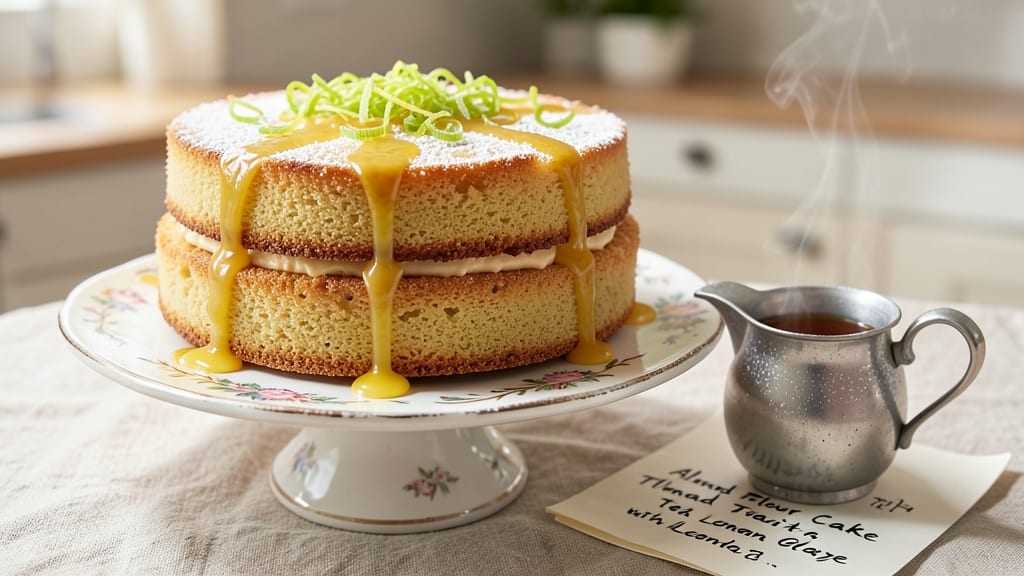
This almond flour tea cake delivers the perfect balance of tender crumb and delicate sweetness—ideal for afternoon tea or a light dessert. The secret lies in properly blending almond flour with butter and vanilla, creating a moist yet refined texture that traditional flour cakes can't match.
I've perfected this recipe to avoid common pitfalls like dryness, ensuring every slice stays tender with just the right buttery richness.
The key to success is mixing dry ingredients thoroughly with melted butter before adding wet components, which prevents a crumbly texture. A touch of vanilla infusion elevates the flavor without overpowering the natural almond taste, while a hint of citrus zest (optional) adds brightness.
Baked at a precise temperature, this cake emerges golden and inviting—perfect for pairing with Earl Grey or chamomile tea.
What makes this recipe stand out is its versatility—it works equally well as a standalone treat or layered with lemon curd. For variations, try adding cardamom for warmth or substituting eggs with flaxseed for a vegan option.
The result? A cake that's light enough for tea but substantial enough to satisfy any sweet tooth.
Troubleshooting dryness is simple: don't overmix the batter, and ensure your almond flour is finely ground. With these adjustments, you'll achieve a cake that's moist, flavorful, and elegant—every time. Let's get baking!
Ingredients for almond flour tea cake
Eight essential ingredients for a tea cake that's light, buttery, and perfectly sweetened.
| Ingredient | Amount | Notes |
|---|---|---|
| Almond Flour 🌰 | 2 ½ cups | Finely ground, not pre-sifted |
| Unsalted Butter 🧈 | 1 cup | Cold, cubed for even melting |
| Granulated Sugar 🍚 | 1 ½ cups | Superfine preferred for smooth texture |
| Large Eggs 🥚 | 4 whole | Room temperature for even mixing |
| Pure Vanilla Extract 🌿 | 2 tsp | High-quality, no alcohol aftertaste |
| Lemon Zest 🍋 | 1 tbsp | Freshly grated, bright flavor |
| All-Purpose Flour 🌾 | ½ cup | For structure, not almond-heavy |
| Baking Powder 🍞 | 1 tsp | Aluminum-free for delicate rise |
| Salt 🧂 | ½ tsp | Fine sea salt for balance |
| Powdered Sugar 🍚 | ¼ cup | For dusting, not baking |
| Heavy Cream 🥛 | ½ cup | Whipped for topping (optional) |
| Cardamom Pods 🌿 | 4 whole | Optional, lightly crushed for warmth |
Almond flour is the star here—Bob's Red Mill or Anthony's Goods are my go-tos for consistent texture. Finely ground is key; if you see grit, pulse it again in a food processor. The butter should be cold when you start, but it'll melt into the batter. For sugar, superfine is ideal, but regular granulated works if pulsed briefly in a food processor. Eggs at room temperature mix more smoothly, so pull them out 20 minutes before baking. Vanilla extract matters—Nielsen-Massey or McCormick are reliable brands for pure flavor. Lemon zest adds brightness, so use a fine grater and avoid the bitter white pith.
No almond flour? Substitute with 1.5 cups finely ground blanched almonds, but expect a denser texture. Short on eggs? Flax eggs (1 tbsp ground flaxseed + 3 tbsp water per egg) work surprisingly well. The all-purpose flour is optional but helps with structure if you're worried about dryness. For the cardamom, ground works too at half the amount, but whole pods infuse better. If you're making this vegan, replace eggs with flax eggs and butter with vegan butter or coconut oil. The powdered sugar is only for dusting—don't skip it, though; it adds that final elegant touch.
Store leftovers in an airtight container for up to 3 days at room temperature or 1 week in the fridge. For longer storage, freeze slices wrapped in parchment for 3 months. Reheat briefly in the oven to restore freshness. This cake freezes beautifully—perfect for making ahead. If you're layering with lemon curd, assemble and freeze the cake layers first, then add the curd after thawing. The lemon curd should be at room temperature for clean layers.
Why You'll Love This Recipe
- No Mixer Needed: I swear by this recipe on lazy mornings—just cream the butter and sugar by hand (or use a fork), crack in those eggs, and fold in the almond flour. The texture comes out tender and crumbly without a single electric appliance.
- Vanilla Butter Magic: That first bite? Warm, buttery layers with vanilla so deep it tastes like you simmered the extract into the dough. Honestly, the sugar caramelizes just enough to give it a subtle, toasty edge—like a cross between a cake and a cookie, but better.
- Weekend Baking Hack: Make a batch on Sunday, wrap them in parchment, and stash in the fridge. They stay fresh for days, perfect for quick breakfasts or a last-minute snack when you’re too tired to bake. (Yes, even on a Tuesday night.)
- Budget-Friendly Luxe: Almond flour might sound fancy, but it stretches further than all-purpose flour—plus, the butter and eggs make these feel indulgent without breaking the bank. I’ve made these for brunch with friends, and no one ever guesses they’re not from a bakery.
Step-by-step instructions for almond flour tea cake
Here's the method for a tender, lightly sweetened cake with perfect crumb and subtle cardamom warmth.
Cream Butter and Sugar for Maximum Fluffiness
In a stand mixer fitted with the paddle attachment, beat the 1 cup unsalted butter and 1.5 cups granulated sugar on medium speed for 3-4 minutes. You're looking for a light, pale yellow mixture that nearly doubles in volume—this incorporates air for a tender crumb. I like to scrape down the sides every 30 seconds to ensure even creaming.
The texture should be smooth and slightly thick, like a thick ribbon when you lift the paddle. If the mixture feels grainy, that means the butter wasn't softened enough. Let it sit at room temperature for another 10 minutes if needed before proceeding. This step is critical for that signature tea cake lightness.
Add Eggs and Infuse with Flavor
Add the 4 whole large eggs, one at a time, mixing on low speed for 30 seconds after each addition. This gradual incorporation prevents curdling. Then stir in the 2 teaspoons pure vanilla extract and 1 tablespoon lemon zest until fully combined. You'll notice the mixture brightens in color and smells intensely citrusy—this is where the cake gets its signature flavor profile.
Next, gently fold in the 2.5 cups almond flour using a silicone spatula. I use a folding motion to maintain as much air as possible—overmixing develops gluten and makes the cake dense. The batter should be thick but still pourable. If it feels too dry, add 1 tablespoon heavy cream to help with moisture balance.
Combine Dry Ingredients and Prepare the Batter
In a separate bowl, whisk together the 0.5 cup all-purpose flour, 1 teaspoon baking powder, and 0.5 teaspoon salt. Then gently fold this dry mixture into the wet ingredients until just combined—you should still see small flour streaks. The 4 whole cardamom pods, lightly crushed between your palms, go in next for subtle warmth. Fold them in last so their flavor infuses evenly throughout the batter.
This is where the cake's delicate structure comes together. The almond flour gives it moisture and richness, while the all-purpose flour provides the necessary structure. The baking powder ensures a light rise rather than a dense texture. Mix just until combined—any more and you'll develop too much gluten.
Bake to Golden Perfection
Preheat your oven to 350°F and grease two 8-inch round cake pans (or line them with parchment circles). Divide the batter evenly between the pans and smooth the tops. Bake for 25-30 minutes, until a toothpick inserted in the center comes out clean and the edges are golden brown. I like to tent the pans with foil after 15 minutes to prevent over-browning on top.
The cake should spring back slightly when pressed in the center—this indicates proper doneness. Let the cakes cool in the pans for 10 minutes, then transfer to a wire rack to cool completely. The cooling process is crucial for the layers to set properly and for clean slicing later.
Dust and Serve
Once completely cool, dust the tops generously with the 0.25 cup powdered sugar using a fine-mesh sieve. For an optional finishing touch, whip the 0.5 cup heavy cream to soft peaks and pipe delicate swirls between the layers or on top. The powdered sugar adds a delicate sweetness that complements the buttery almond flavor perfectly.
Slice into 8 equal wedges for serving. Each piece should be tender yet slightly firm, with a delicate crumb that melts in your mouth. The cardamom adds a subtle warmth that pairs beautifully with tea, while the lemon zest keeps the flavor bright and fresh. Serve with your favorite Earl Grey or chamomile for the perfect afternoon treat.
Pro Tips For Making Almond Flour Tea Cake
- CHILL THE DOUGH: Mix your almond flour, butter, sugar, and eggs until just combined—then pop the batter in the fridge for 20-30 minutes. I learned this the hard way: skipping this step makes the cake dense and prone to cracking. Cold butter behaves better, and the texture stays tender.
- WEIGH YOUR FLOUR: Almond flour varies wildly in density—don’t eyeball it. Use a kitchen scale for precise measurements (1 cup = ~120g). I was skeptical until I tried it; the cake rises evenly and doesn’t turn out gummy or dry.
- BAKE LOW AND SLOW: Preheat the oven to 325°F (163°C), not higher—almond flour burns fast. Bake for 35-40 minutes, checking at 30. The edges should be golden, but the center stays soft. My first batch turned into a sad, overbrowned brick.
- WARM THE EGGS: Take your eggs out of the fridge 10 minutes before using—room temperature eggs blend smoother and whip better. Cold eggs make the batter lumpy, and no one wants to fight their mixer. (Yes, even if you're impatient like me.)
Storing and reheating this dish
Room Temperature Storage
Keep your almond flour tea cake at room temperature in an airtight container for up to 3 days. The cake's delicate texture stays fresh this way, but avoid humidity—moisture makes it soggy.
I store mine in a ceramic cake carrier with a tight lid to maintain crispness. If you notice the edges drying out, brush with a tiny bit of heavy cream before serving. 🌰
Fridge Preservation
For longer storage, refrigerate the cake in an airtight container for up to 1 week. The cold slows down staling, but the texture becomes slightly denser. To revive it, let slices sit at room temperature for 10-15 minutes before serving.
I wrap individual slices in parchment paper to prevent drying—perfect for grab-and-go tea breaks. ✨
Freezing for Later
Freeze slices wrapped in parchment paper and placed in a freezer bag for up to 3 months. Thaw overnight in the fridge or at room temperature for 1 hour.
For quick reheating, warm in the oven at 300°F for 5-7 minutes to restore freshness. The texture remains tender if thawed properly—no freezer burn in sight! ❄️
Reheating Methods
For a warm slice, reheat in the oven at 300°F for 5 minutes—this restores moisture without drying. Microwave reheating works too: 10-15 seconds on 50% power, then check for even warmth.
Avoid over-reheating; almond flour cakes can turn gummy if overcooked. A quick spritz of water before reheating helps revive crispness. 🔥
Layering with Lemon Curd
If assembling with lemon curd, freeze the cake layers first, then add the curd after thawing. This prevents sogginess. Let the curd sit at room temperature for 30 minutes before spreading—it should be smooth and pourable.
Chill the assembled cake for 1 hour before slicing for clean layers. The contrast of tangy curd and buttery cake is divine! 🍋
Nutrition facts
Frequently asked questions
Can I make this almond flour tea cake without eggs?
Replace each egg with a flax egg (1 tbsp ground flaxseed + 3 tbsp water) or use applesauce (¼ cup per egg) for a vegan version. Let the flax mixture sit for 5 minutes to thicken before using. The texture will be slightly denser but still moist—perfect for tea lovers who prefer plant-based options.
Why did my almond flour cake turn out dry?
Overmixing the batter or using almond flour that's too fine can cause dryness. To fix this, ensure your almond flour is finely ground but not powdery, and mix just until combined. Add 1-2 tbsp heavy cream to the batter if needed, or brush slices with melted butter before serving. The key is balancing moisture—almond flour absorbs liquids differently than wheat flour.
What’s the best tea pairing for this cake?
Earl Grey’s floral notes complement the almond flavor beautifully, while chamomile’s warmth enhances the cardamom. For something lighter, try jasmine green tea or a citrusy oolong. Avoid strong black teas like Assam—they can overpower the delicate sweetness. The powdered sugar topping also pairs well with lavender tea for a floral contrast.
Can I substitute almond flour with another nut flour?
Yes, but results vary! Hazelnut or cashew flour work well (1:1 ratio), but the flavor changes. Hazelnut adds earthiness, while cashew flour yields a slightly denser texture. Stick to almond flour for the classic tea cake experience—its natural sweetness and neutral taste are unmatched. If you’re allergic to nuts, try a gluten-free 1:1 baking flour blend, but expect a heavier crumb.
How do I prevent cracks on the top of the cake?
Cracks usually happen from overbaking or sudden temperature changes. Bake at 350°F until a toothpick comes out clean (usually 25-30 minutes), then remove immediately. Let the cake cool in the pan for 10 minutes before transferring to a rack. Avoid opening the oven door too often—temperature fluctuations cause stress on the crust. If cracks appear, dust with extra powdered sugar to disguise them!