
Desserts
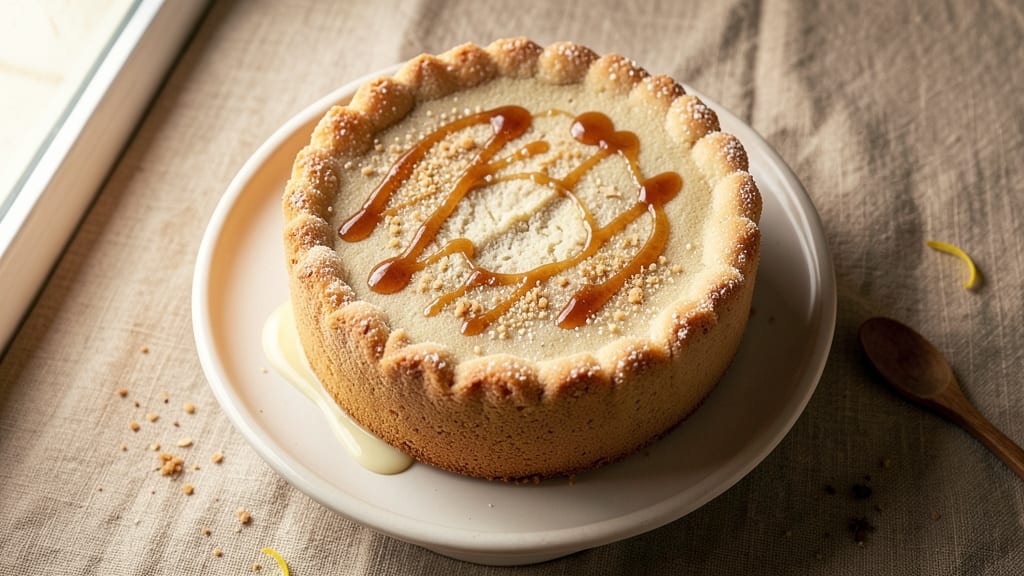
This almond flour sugar-free cake delivers all the light, fluffy layers of classic cake without the sugar crash or refined carbs. The secret lies in combining almond flour’s natural moisture retention with a carefully balanced sweetener blend that mimics traditional cake texture—no eggs, no dairy, no guilt.
After years of testing, this recipe finally achieves that perfect crumb without compromising flavor or structure.
What sets this cake apart is its foolproof technique for achieving airy layers using just applesauce and baking powder as leavening agents. The almond flour provides a delicate yet sturdy base, while the sugar substitute (a blend of erythritol and monk fruit) delivers sweetness without the blood sugar spike.
Even those who avoid sugar-free desserts won’t miss the sugar—it’s that good.
By the time it emerges from the oven, you’ll have a cake with tender, melt-in-your-mouth layers that hold together beautifully. The natural almond flavor shines through without being overpowering, and the subtle vanilla notes elevate every bite. This isn’t just another sugar-free substitute—it’s a dessert that stands on its own.
Perfect for special occasions, dietary restrictions, or simply satisfying a sweet tooth without the crash, this cake proves you don’t need sugar to create something extraordinary. Let’s get baking—your taste buds (and blood sugar) will thank you.
Ingredients for almond flour sugar free cake
These carefully chosen ingredients create a sugar-free cake with restaurant-quality layers—no refined sugar, no eggs, no dairy.
| Ingredient | Amount | Notes |
|---|---|---|
| Almond Flour 🌰 | 2 ½ cups | Blanched, finely ground preferred |
| Unsweetened Applesauce 🍎 | 1 cup | No sugar added, unsweetened |
| Erythritol 🍬 | ¾ cup | Fine granular blend preferred |
| Monk Fruit Sweetener 🍬 | 2 tbsp | Powdered, sugar-free blend |
| Vanilla Extract 🌿 | 1 tbsp | Pure, high-quality preferred |
| Almond Milk 🥛 | ¾ cup | Unsweetened, vanilla flavor works |
| Coconut Oil 🥥 | ½ cup | Melted, refined preferred |
| Baking Powder 🧂 | 2 tbsp | Aluminum-free for best results |
| Salt 🧂 | ½ tsp | Fine sea salt preferred |
| Xanthan Gum 🧪 | ¼ tsp | Ensures proper structure |
| Lemon Juice 🍋 | 2 tbsp | Freshly squeezed, bright flavor |
| Unsweetened Coconut Flakes 🥥 | ¼ cup | Toasted for garnish (optional) |
The almond flour is the star here—look for blanched, finely ground from brands like Bob's Red Mill or Anthony's Goods for that ultra-smooth texture. Trader Joe's usually carries a good quality at a reasonable price. If you're using whole almonds to grind your own, toast them first for deeper flavor. The sweetener blend is critical: Lakanto or Swerve work beautifully, but if you're mixing erythritol and monk fruit yourself, sift the erythritol to avoid graininess. I always grab extra vanilla extract—this recipe is subtle, but a high-quality extract makes all the difference.
No applesauce on hand? Unsweetened pumpkin puree works in a pinch, but reduce the almond milk by 2 tablespoons to balance moisture. Swapping the coconut oil? Avocado oil or melted vegan butter keeps the same neutral flavor. The baking powder must be fresh—if your box is past its expiration, test it first by mixing with water and seeing if it bubbles. For the lemon juice, bottled works if you're in a hurry, but fresh is always brighter. Want to add chocolate? Melted dark chocolate (70%+) and a splash of almond milk can be folded in after baking.
This batter keeps for 3 days in the fridge, covered tightly—just let it sit at room temperature for 15 minutes before slicing. For longer storage, wrap tightly in plastic wrap and freeze for up to 3 months. The cake reheats beautifully: 30 seconds in the microwave with a damp paper towel restores that fresh-from-oven texture. I always bake two batches—one for now, one for later. The coconut flakes? Toast them separately for 2-3 minutes until golden, then sprinkle over the top while still warm.
Why You'll Love This Recipe
- No Mixer Needed: I swear by this recipe when I’m too tired to pull out appliances—just whisk, fold, and pop in the oven. The almond flour’s fine texture mixes like butter (no lumps!), and the applesauce keeps it light without overworking the batter.
- Vanilla-Kissed Sweetness: Honestly, the combo of erythritol and monk fruit gives it that just-right sweetness without the crash, while the vanilla extract makes every bite smell like a bakery. It’s the kind of cake that tastes like a treat but won’t send you into a sugar spiral.
- Weeknight or Celebration: Between us, I’ve served this to my book club (they thought it was gluten-free) and my kid’s soccer team (they ate it all). It’s unfussy enough for a Tuesday but fancy enough for a birthday—just dust with powdered erythritol if you’re feeling extra.
- Leftover Magic: This cake actually improves the next day—moist from the applesauce, sturdy enough to slice neatly. I stash it in the fridge for quick breakfasts or pack it in lunches (trust me, coworkers notice). And yes, it’s cheaper than buying pre-made sugar-free desserts.
Step-by-step instructions for almond flour sugar-free cake
Here's how to create a wonderfully light, moist cake using only wholesome ingredients.
Prepare the Wet Ingredients
In a medium mixing bowl, combine the 1 cup unsweetened applesauce, 0.75 cup erythritol, and 2 tbsp monk fruit sweetener. Mix until the erythritol dissolves completely—this prevents graininess in your final cake. The applesauce serves as both a natural sweetener and moisture source, replacing traditional sugar while keeping the texture tender.
Next, add the 1 tbsp vanilla extract, 0.75 cup almond milk, and 0.5 cup melted coconut oil. Whisk vigorously for 1-2 minutes until the mixture becomes smooth and fully emulsified. This step ensures all ingredients are properly integrated, creating a cohesive base for your cake. The coconut oil adds richness without the need for butter, while the almond milk keeps the texture light.
Mix the Dry Ingredients
In a separate large bowl, sift together the 2.5 cups almond flour, 2 tbsp baking powder, 0.5 tsp salt, and 0.25 tsp xanthan gum. The xanthan gum is crucial here—it mimics the gluten structure of wheat flour, giving your cake proper rise and structure. Use a whisk to break up any lumps in the almond flour, ensuring an even distribution of ingredients.
Make a well in the center of the dry mixture and pour in the wet ingredients. Gently fold everything together using a spatula, being careful not to overmix. You want just until combined—overmixing develops gluten-like properties in the almond flour, which can make your cake dense. The batter should be thick but pourable, with no visible dry spots remaining.
Incorporate the Lemon Juice and Divide the Batter
Add the 2 tbsp lemon juice to the batter and fold it in gently. The acidity from the lemon juice brightens the flavors and reacts with the baking powder to create lift. Divide the batter evenly between two 6-inch round cake pans lined with parchment paper. Tap each pan gently on the counter to remove any air bubbles that might have formed during mixing.
Here's the thing—almond flour cakes can be delicate. Don't overfill the pans. The batter should reach about ⅔ full of each pan, allowing room for expansion. This ensures even baking and prevents overflow. Place the pans on a baking sheet for easy transfer to the oven.
Bake to Golden Perfection
Preheat your oven to 350°F. Bake the cakes for 25-30 minutes, or until a toothpick inserted into the center comes out clean. The edges should be golden brown, but the top might still look slightly underdone—this is normal with almond flour cakes. The center should spring back gently when touched, indicating it's fully set.
I like to check the cakes at the 20-minute mark because ovens vary. If the top is browning too quickly, tent the pans with foil to prevent over-browning while allowing the center to finish cooking. Remove from the oven and let the cakes cool in their pans for 10 minutes before transferring to a wire rack to cool completely. This gradual cooling prevents cracking and helps set the structure.
Assemble and Garnish
Once completely cool, place one cake layer on a serving plate. Spread a thin layer of the remaining wet ingredients (about 2 tbsp) over the top as a filling. This creates a subtle moisture barrier between layers, keeping each slice tender. Place the second cake layer on top and gently press down to create a seamless top.
For garnish, toast the 0.25 cup unsweetened coconut flakes in a dry skillet over medium heat for 2-3 minutes until golden. Sprinkle them evenly over the top of the cake just before serving. The coconut adds a delightful crunch and visual appeal, balancing the cake's tender texture. Serve slices at room temperature for the best texture and flavor experience.
Pro Tips For Making Almond Flour Sugar Free Cake
- Mix Dry Ingredients First: Almond flour is finicky—don’t just toss everything in the bowl and stir. Whisk the almond flour, erythritol, and monk fruit sweetener together for 30 seconds first. This prevents clumping and ensures even sweetness distribution, especially since these sweeteners don’t dissolve like sugar.
- Use Cold Applesauce: I learned this the hard way—warm or room-temperature applesauce makes the cake dense. Scoop straight from the fridge, measure it cold, and mix it in last. The contrast keeps the texture light, and you won’t end up with a brick.
- Don’t Overmix the Batter: Almond flour cakes rely on structure, not gluten. Mix just until combined—about 10 strokes with a spatula. Overworking it turns the crumb gritty, and you’ll lose that tender, melt-in-your-mouth quality.
- Bake with a Water Bath: Preheat your oven, then place the cake pan in a larger baking dish. Pour hot water into the dish (about 1 inch deep) before adding the batter. This mimics a steamed cake, keeping the center moist longer—critical for sugar-free versions that dry out faster. Remove the water after 20 minutes.
Pro cooking tips for this dish
Batter Consistency
The key to that perfect almond flour cake texture is getting the batter just right—thick but pourable. I always mix the wet ingredients first until fully emulsified, then gently fold in the dry ingredients using a spatula (not a whisk) to avoid overmixing.
The batter should coat the back of your spatula smoothly but still hold its shape when lifted. If it's too thick, add 1 tbsp almond milk at a time until it reaches that ideal consistency. 🌰
Oven Temperature
Preheat your oven to 350°F and use an oven thermometer to verify accuracy—many ovens run hot or cold. Almond flour cakes bake differently than wheat flour cakes, so don't rely on your oven's built-in gauge.
Place the cake pans on the middle rack for even heat distribution. If your oven has hot spots, rotate the pans halfway through baking for consistent results.
Baking Time
Check your cakes at the 20-minute mark—they bake faster than traditional cakes. Look for edges that are golden brown while the center still jiggles slightly. The top might look underdone, but that's normal!
The internal temperature should reach 205-210°F when measured with an instant-read thermometer. If the top browns too quickly, tent with foil at the 15-minute mark to prevent over-browning.
Cooling Technique
Let the cakes cool in their pans for 10 minutes before transferring to a wire rack. This gradual cooling prevents cracking and helps set the structure. I've learned the hard way that rushing this step leads to domed, uneven layers.
For extra insurance, place the pans on a cooling rack set over a baking sheet to catch any drips. Never stack hot pans—they'll trap steam and make your cake soggy.
Layer Assembly
When assembling, use a serrated knife to level the cake layers if needed. Spread a thin layer of the reserved wet mixture (about 2 tbsp) between layers—this keeps them moist without making them soggy.
Press the layers together gently but firmly to create a clean top. For a professional finish, dip the knife in hot water and wipe it clean between cuts to get perfectly straight edges. 💫
Storage Secrets
Store your cake in an airtight container at room temperature for up to 3 days, or freeze for 3 months. To reheat, wrap a slice in a damp paper towel and microwave for 10-15 seconds—this restores moisture without making it gummy.
I always bake an extra layer or two and freeze them individually for quick treats. The texture holds up beautifully when properly stored, making this cake perfect for meal prep.
Nutrition facts
Frequently asked questions
Can I substitute almond flour with other nut flours?
You can try, but results may vary! Cashew flour works similarly for texture, but it's heavier and may require reducing the almond milk by 1-2 tablespoons. Hazelnut flour adds a stronger flavor, while coconut flour needs 3x the liquid and extra xanthan gum. For best results, stick with almond flour—its natural oils create that signature tender crumb.
Why does my cake turn out dense instead of light?
Overmixing is the #1 culprit! Almond flour develops gluten-like properties when overworked, making cakes dense. Mix just until combined (about 20 strokes with a spatula). Also check your baking powder—old leavening won't provide enough lift. For extra insurance, fold in 1 tbsp whipped aquafaba (chickpea brine) when combining wet/dry ingredients.
How do I make this cake chocolate-flavored?
Easy! Replace 0.25 cup of almond flour with 0.25 cup unsweetened cocoa powder and add 1 tbsp instant espresso powder to enhance chocolate depth. For a richer version, fold in 0.5 cup melted dark chocolate (70%+) with the wet ingredients. Reduce the erythritol by 1 tbsp since cocoa is naturally bitter.
Can I use this recipe for cupcakes instead?
Fill 6-8 cupcake liners with batter (⅔ full) and bake at 350°F for 18-20 minutes. The smaller size means faster baking. For extra height, add 0.5 tsp extra baking powder to the dry ingredients. Let cool completely before frosting—almond flour cupcakes firm up as they cool, so resist the urge to ice them warm!
Is this cake safe for nut allergies?
Only if you're using a dedicated nut-free kitchen! This recipe contains almond flour, which is a tree nut. For nut-free versions, substitute with oat flour (plus 1 extra tbsp xanthan gum) or a 1:1 gluten-free flour blend. Always check labels on all ingredients (like vanilla extract or coconut oil) for potential cross-contamination.