
Desserts
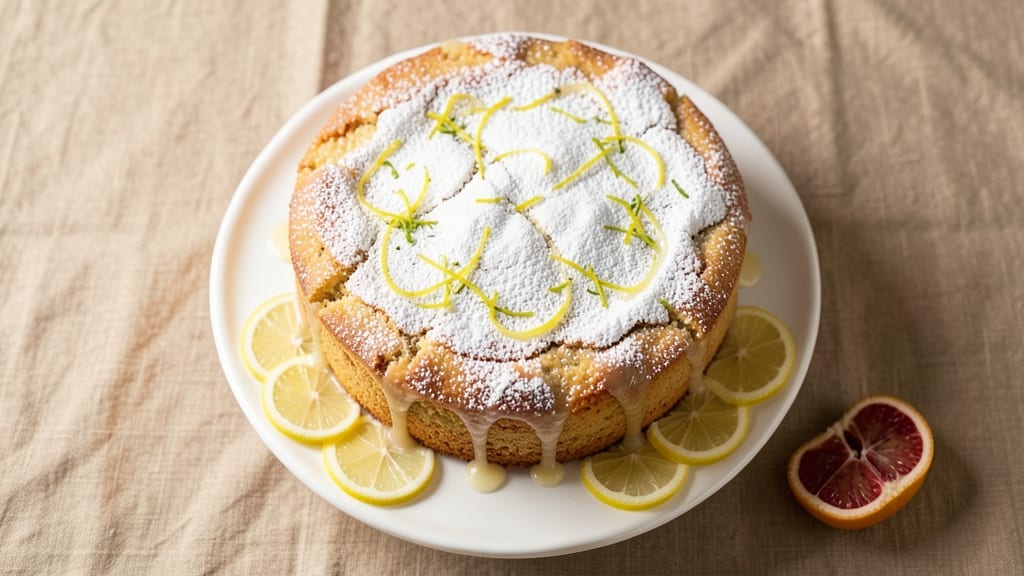
This almond flour lemon pound cake recipe delivers the perfect balance of bright citrus and nutty richness, all while keeping it gloriously moist.
The secret lies in the almond flour—it creates a tender, crumbly texture that traditional flour can't match, while the lemon zest infuses every bite with vibrant, zingy flavor. I developed this recipe after years of baking with almond flour, and it never fails to impress, even with picky eaters.
What sets this cake apart is the moist yet tender crumb, achieved through precise mixing techniques and a touch of extra egg for binding.
The almond flour absorbs moisture differently than wheat flour, so we use a slightly adjusted method to ensure it stays soft and fluffy without drying out. Lemon juice and zest work together to create a bright, tangy profile that cuts through the nuttiness beautifully.
The result is a cake that’s light enough to feel airy but dense enough to hold its shape, with a subtle crunch from the toasted almonds on top. The aroma alone—warm, citrusy, and nutty—will have your kitchen smelling like a bakery, and the flavor?
Pure, effortless sunshine in every slice. Perfect for brunch, dessert, or even a midday pick-me-up.
Whether you're gluten-free, keto, or just love almond flour’s unique texture, this recipe delivers restaurant-quality results with minimal effort. Let’s get baking—your taste buds will thank you.
Ingredients for almond flour lemon pound cake
Almond flour, fresh lemon, and butter create a tender, citrusy cake that stays moist for days.
| Ingredient | Amount | Notes |
|---|---|---|
| Almond Flour 🌰 | 2 ½ cups | Finely ground, blanched preferred |
| Granulated Sugar 🍚 | 1 ½ cups | White or light brown |
| Large Eggs 🥚 | 4 whole | Room temperature for best mixing |
| Unsalted Butter 🧈 | 1 cup | Cold, cubed for creaming |
| Fresh Lemon Zest 🍋 | 2 tbsp | From organic lemons, no pith |
| Fresh Lemon Juice 🍋 | ½ cup | From 2-3 lemons, freshly squeezed |
| Vanilla Extract 🌸 | 1 tbsp | Pure vanilla, not imitation |
| Baking Powder 🍞 | 1 ½ tsp | Aluminum-free preferred |
| Salt 🧂 | ½ tsp | Fine sea salt |
| Toasted Sliced Almonds 🌰 | ½ cup | For topping, lightly toasted |
| Powdered Sugar 🍚 | ¼ cup | For dusting, optional |
| Heavy Cream 🥛 | ¼ cup | For glaze, optional |
The almond flour is non-negotiable here—Bob's Red Mill or Anthony's Goods are my go-tos, but any finely ground blanched almond flour works. Look for packages labeled 'finely ground' to avoid gritty texture. Fresh lemon zest is a game-changer; organic lemons have more vibrant flavor. If you're using non-organic, wash the lemons thoroughly to remove any wax. The butter should be cold when you measure it—this ensures proper creaming later. I always grab Plugrá butter from the European section at Whole Foods when I want extra richness, but regular unsalted butter works perfectly fine. Toast your almonds in a dry pan over medium heat for 3-4 minutes until golden—this adds that perfect crunch on top.
No almond flour? Oat flour works in a pinch, but the texture will be denser. Running short on eggs? Flax eggs (1 tbsp ground flaxseed + 3 tbsp water = 1 egg) keep the cake moist, though texture may vary slightly. Substitute brown sugar for white if you prefer a deeper flavor—just reduce the amount by about 10% since brown sugar is denser. Want more lemon flavor? Add an extra tablespoon of zest, but don't exceed 3 tbsp total or the cake might taste bitter. The powdered sugar glaze is optional but adds that professional bakery finish. If you skip it, just dust with extra toasted almonds instead. For a richer glaze, mix the powdered sugar with 1 tbsp lemon juice instead of heavy cream.
This cake keeps beautifully—5 days at room temperature wrapped in plastic, or 1 week in the fridge. For longer storage, slice and freeze portions for up to 3 months. I always bake an extra pound cake when I make this recipe—it's perfect for breakfast sandwiches the next day. The lemon flavor actually intensifies slightly after a day or two, so if you can wait, let it sit overnight before serving. Store any leftover lemon zest in an airtight container in the freezer for up to 6 months—it's perfect for future baking projects.
Why You'll Love This Recipe
- No Mixer Needed: I swear by this recipe when I’m too tired to cream butter and sugar—just fold everything together. The almond flour handles the mess, and the eggs bind it like magic.
- Zesty Magic: That lemon zest? It’s the star. Bright, tangy, and just enough to make every bite feel like a little vacation. Honestly, I’ve never had a pound cake where the citrus actually shines—this one does.
- Weekday & Weekend: Slice it for breakfast with yogurt, pack it for lunch, or serve it at brunch. The rich almond base keeps it satisfying, but the lemon keeps it light—no one will guess it’s the same cake at 9 AM or 3 PM.
- Budget-Friendly Luxury: Almond flour might seem pricey, but a little goes a long way, and the butter and eggs stretch the recipe further than you’d think. Plus, leftovers? They disappear faster than I can say “second slice.”
Step-by-step instructions for almond flour lemon pound cake
Let's bake this moist, nutty cake with bright citrus notes that keeps its perfect texture for days.
Cream Butter and Sugar Together
In a large mixing bowl, combine the 1 cup unsalted butter and 1.5 cups granulated sugar. Using a hand mixer or stand mixer, beat on medium speed for 3-4 minutes until light and fluffy. You'll see the mixture nearly double in volume and become pale yellow—this incorporates air that creates a tender crumb.
I like to scrape down the sides every minute or so to ensure even mixing. The butter should be cold but softened enough to cream properly. If it feels too firm, let it sit at room temperature for another 5 minutes before starting. This step is crucial for the cake's moist texture—don't rush it.
Add Eggs and Lemon Flavors
Add the 4 whole large eggs, one at a time, mixing well after each addition. Then stir in the 2 tablespoons fresh lemon zest, 0.5 cup fresh lemon juice, and 1 tablespoon vanilla extract. Mix on low speed just until combined—about 30 seconds total.
The lemon zest and juice work together to create that signature bright, citrusy flavor. I always use freshly zested lemons for the most vibrant flavor. If you're using room temperature eggs, they'll incorporate smoothly without breaking. The mixture should be thick but pourable at this stage.
Combine Dry Ingredients and Fold Gently
In a separate bowl, whisk together the 2.5 cups almond flour, 1.5 teaspoons baking powder, and 0.5 teaspoon salt. With the mixer on low speed, gradually add the dry ingredients to the wet mixture, mixing just until combined. Be careful not to overmix—just until no flour streaks remain.
I find it helpful to use a spatula to gently fold in any stubborn bits. The almond flour gives this cake its signature moist, dense texture while keeping it lighter than traditional flour cakes. Once combined, fold in the 0.5 cup toasted sliced almonds by hand using a rubber spatula.
Bake Until Golden and Springy
Pour the batter into a 9x5-inch loaf pan lined with parchment paper. Smooth the top with a spatula. Bake at 350°F for 45-50 minutes, or until a toothpick inserted in the center comes out clean and the top is golden brown.
I recommend checking the cake at the 40-minute mark—every oven runs slightly differently. The cake should spring back gently when pressed in the center. If the top browns too quickly, tent it with foil after 30 minutes to prevent over-browning while ensuring it cooks through.
Cool and Glaze for Extra Shine
Remove the cake from the oven and let it cool in the pan for 10 minutes, then transfer to a wire rack to cool completely. For the optional glaze, whisk together the 0.25 cup heavy cream and 0.25 cup powdered sugar until smooth. Drizzle over the completely cooled cake.
The glaze adds a beautiful shine and subtle sweetness that complements the lemon flavor. If you prefer a dusting instead, simply sprinkle the 0.25 cup powdered sugar over the top. This cake tastes best at room temperature, so let it sit for at least 30 minutes before slicing to enjoy its perfect moist texture in every bite.
Pro Tips For Making Almond Flour Lemon Pound Cake
- MEASURE ALMOND FLOUR BY WEIGHT: Almond flour packs differently than regular flour—scooping leads to dry, dense cake. Use a kitchen scale for 1:1 weight ratios (no scooping, no guessing). I learned this after my first batch turned out like a brick.
- WHISK EGGS AND SUGAR UNTIL PALE: Don’t just mix them—whisk the eggs and sugar vigorously for 3-5 minutes until the mixture lightens noticeably. This incorporates air, which prevents a heavy, gummy texture. (Yes, it’s tedious, but it’s worth it.)
- STOP WHEN CENTER TESTS LIKE JELLO: Almond flour cakes dry out fast. Pull it out when the center still jiggles slightly—like a wobbly Jell-O shot—and tent with foil immediately. Overbaking turns it into sawdust.
- USE COLD BUTTER AND ZEST: Cut the butter straight from the fridge and grate the zest fine—no pulp. Cold butter creates a tender crumb, and zest without bitter pith keeps the lemon flavor bright. (I used to skip this, and the cake always tasted flat.)
Common mistakes when making perfect results
Overmixing the Batter
Almond flour is delicate—overmixing develops gluten-like proteins that make the cake dense and tough. Mix just until combined (about 30 seconds after adding dry ingredients) to maintain that signature tender crumb.
I’ve ruined cakes by overbeating, so I set a timer. Stop when no flour streaks remain—no need to make it smooth like traditional cakes. 🌰
Skipping Room Temp Ingredients
Cold eggs and butter create pockets of air that help the cake rise, but if they’re too cold, they won’t incorporate properly. Let eggs sit for 10 minutes and butter for 5 minutes at room temperature before starting.
I learned this the hard way—my first batch with ice-cold butter turned out flat and greasy. 🧈
Using Low-Quality Almond Flour
Not all almond flours are created equal. Pre-ground flour from bulk bins often has gritty texture, while finely ground blanched almond flour (like Bob’s Red Mill) ensures smoothness.
If your flour has visible chunks, pulse it in a food processor for 10–15 seconds to refine it. Gritty texture ruins the cake’s delicate mouthfeel.
Overbaking for Dryness
Almond flour cakes dry out faster than wheat flour cakes. Remove the cake from the oven when a toothpick comes out with moist crumbs—not clean. Overbaking by even 5 minutes turns the cake rubbery.
I check at 40 minutes and tent with foil if the top browns too quickly. The cake will keep baking slightly after removal. ⏰
Ignoring the Lemon Zest
Fresh lemon zest is non-negotiable—dried zest lacks the vibrant flavor. Use organic lemons and zest only the yellow part (no white pith, which adds bitterness). I’ve tried bottled zest, and it’s noticeably duller.
For extra brightness, add 1 extra tablespoon of zest, but don’t exceed 3 tbsp or the cake may taste bitter. 🍋
Wrong Pan or Size
This recipe is designed for a 9x5-inch loaf pan—using a smaller pan (like 8x4-inch) makes the cake too dense, while a larger pan (like 9x2-inch) spreads it too thin.
If you must adjust, reduce baking time by 5–10 minutes for wider pans. I’ve tried round pans, but the texture suffers—stick to the loaf shape for best results. 🍞
Nutrition facts
Frequently asked questions
Why does this almond flour pound cake turn out denser than traditional flour cakes?
Almond flour has a higher fat content and no gluten, which creates a naturally denser but more moist texture. The key is mixing just until combined—overmixing develops gluten-like proteins that make it tough. The extra egg in this recipe helps maintain lift while keeping the crumb tender. Think of it as a rich, nutty cake with a delicate crunch!
Can I make this cake without eggs for a vegan version?
Yes! Replace the eggs with 4 flax eggs (1 tbsp ground flaxseed + 3 tbsp water per egg) or 1/2 cup aquafaba (chickpea brine) whipped to stiff peaks. The texture will be slightly different but still moist. For best results, add 1 extra tbsp lemon juice to compensate for the lack of egg binding.
How do I prevent the cake from sticking to the pan?
Line your 9x5-inch loaf pan with parchment paper, pressing it gently into the corners. Lightly grease the paper with butter or oil, then dust with almond flour. I also recommend baking at 350°F for the full 45-50 minutes—underbaking can cause sticking. Let it cool 10 minutes in the pan before removing.
What's the best way to store leftovers?
Wrap tightly in plastic wrap or store in an airtight container at room temperature for 5 days. For longer storage, slice and freeze portions for up to 3 months. The lemon flavor actually intensifies slightly after a day, so it tastes even better the next day! For extra freshness, keep it in the fridge for up to 1 week.
Can I add blueberries or other fruit to this recipe?
Gently fold in 1 cup fresh blueberries or 1/2 cup chopped strawberries after mixing the wet ingredients. For extra brightness, toss the fruit in 1 tbsp lemon juice and 1 tsp powdered sugar first. Avoid overmixing once the fruit is added to prevent sinking. The berries add a beautiful contrast to the nutty base!